What Conveyor Bracket Fabrication Involves
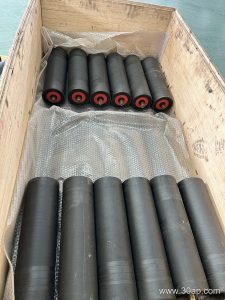
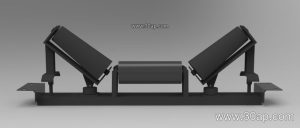
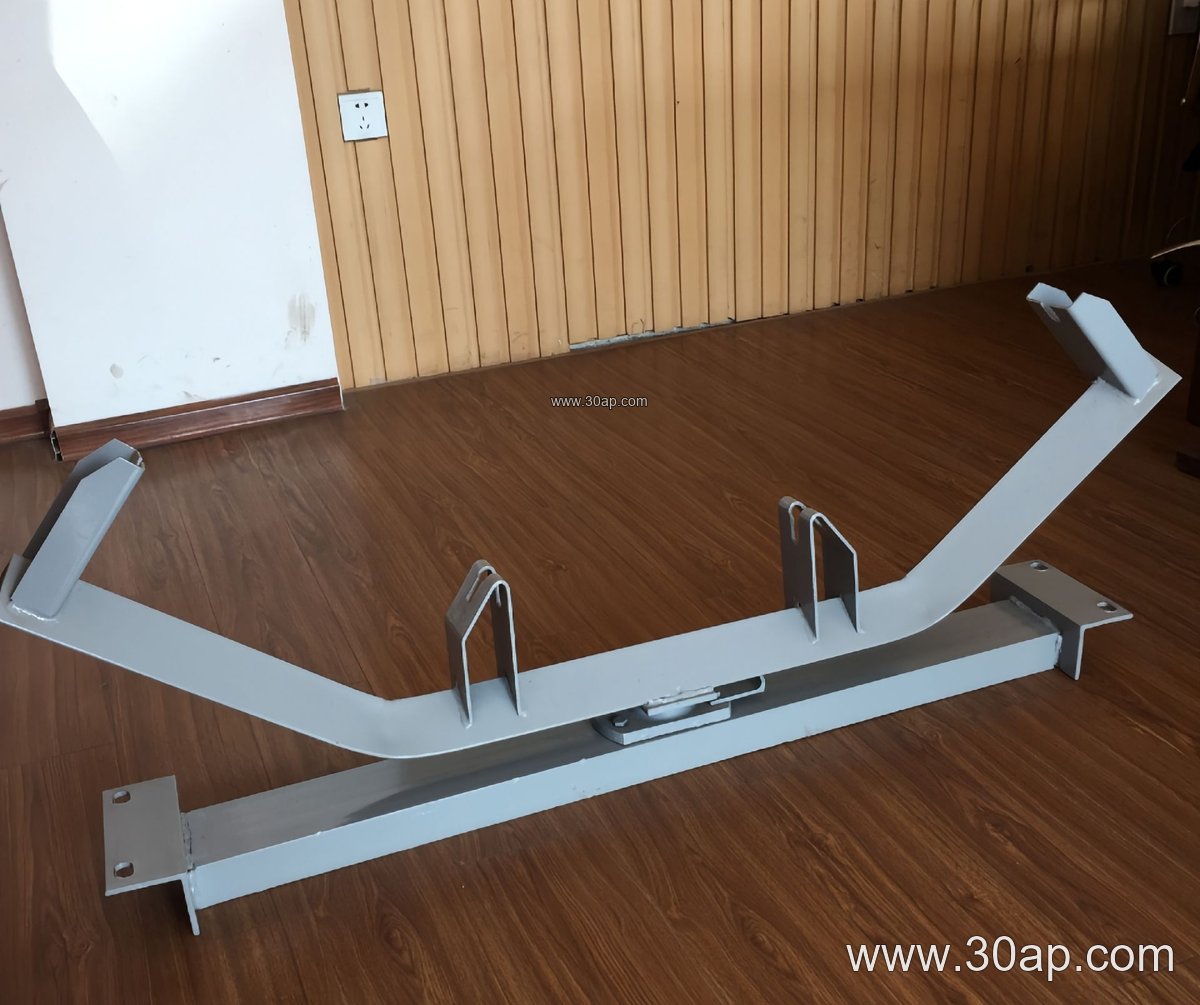
Conveyor bracket fabrication is the process of cutting, forming, drilling, and finishing the steel frames that hold idler rollers in position along a conveyor line. These brackets, often called idler frames or roller supports, sit between the conveyor structure and the rotating components, so the conveyor belt runs on a stable, correctly angled bed. In a quarry or a coal handling plant, a poorly made bracket shows up quickly as belt misalignment, roller wear, or spillage.
The work is usually straightforward steel fabrication, but the tolerances matter. A bracket that is skewed by a few millimeters can push a heavy-duty mining conveyor belt off center and load one side of the idlers unevenly.
Materials and Build Methods
Fabricators normally work from angle steel, channel steel, or folded steel plate. The choice depends on load and span. Common fabrication steps include:
- Cutting angle or channel to length for the crossbeam
- Punching or drilling mounting holes for the idler roller shafts
- Bending or welding the end plates that set the trough angle
- Adding gussets where the frame carries heavy impact
- Cleaning and painting or galvanizing for corrosion protection
Welded frames are common for fixed troughing brackets, while bolted or pinned designs help where adjustment is needed. Holes for roller shafts are usually slotted so the idler can be positioned and locked. On a cement plant conveyor, dust and grit make smooth slot edges and proper paint coverage important for long service.
Common Bracket Types and Where They Sit
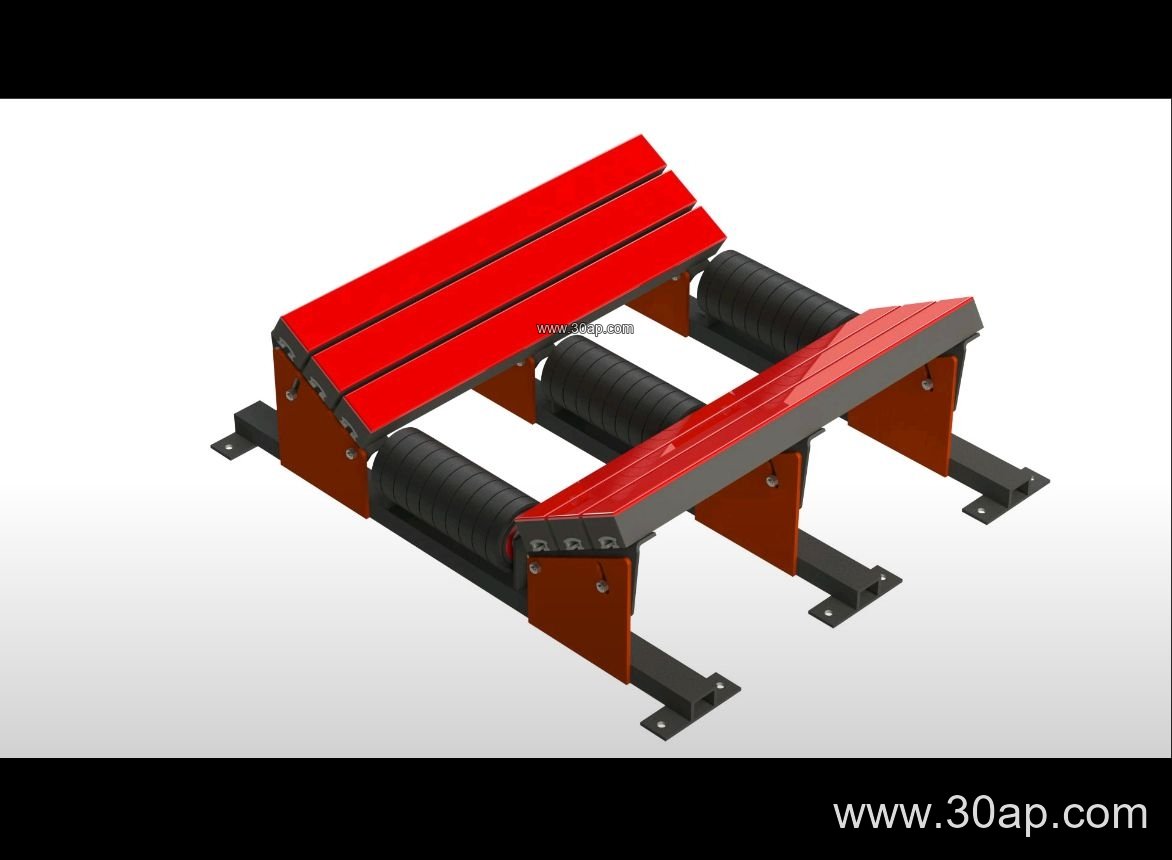
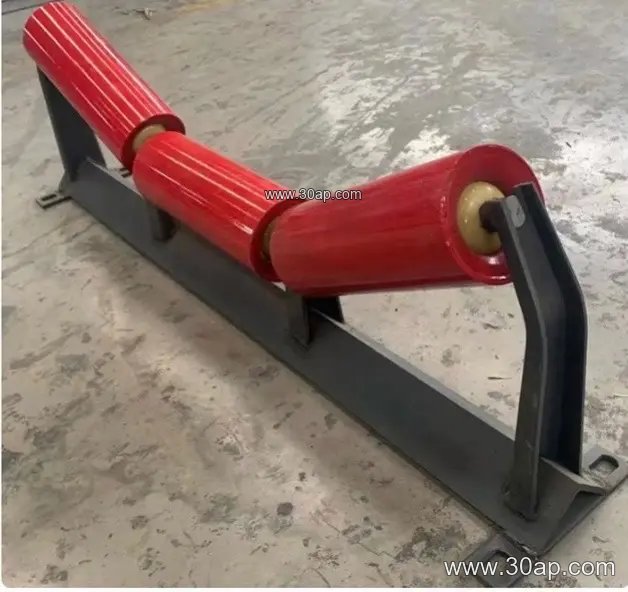
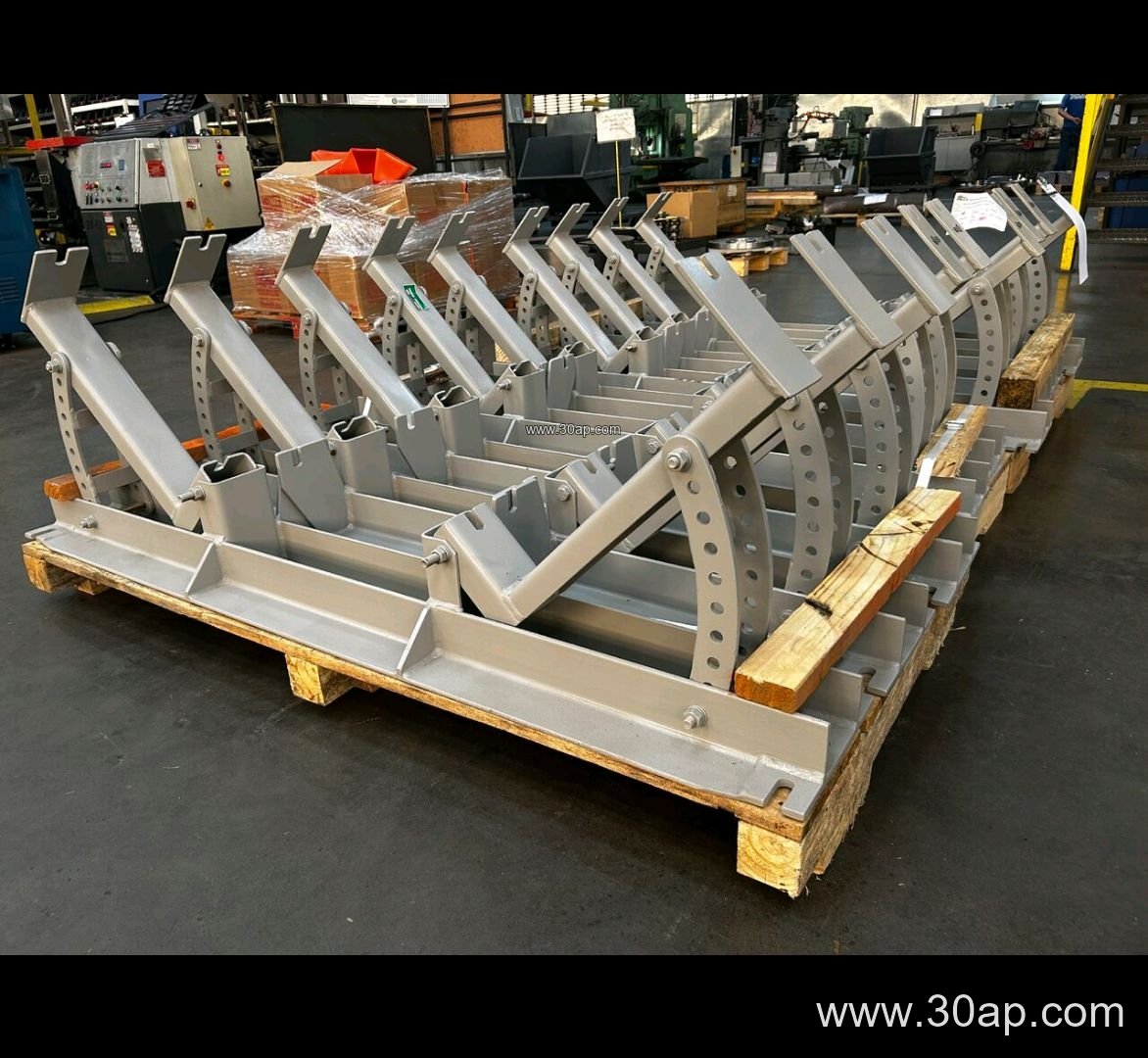
The bracket family is wide, and each type has a job. Troughing brackets carry the top run and set the trough angle. Transition brackets sit near pulleys where the belt changes shape. Return brackets support the lower run, with V-return and flat-return versions. Impact brackets go under loading points, and self-aligning or training brackets help correct belt drift. Adjustable brackets allow the trough angle to be changed on site.
A relevant comparison is between fixed and adjustable troughing brackets. Fixed frames are simpler and cheaper to fabricate, but adjustable frames let maintenance crews fine-tune the trough angle as belt loading changes. Neither replaces the other; the choice depends on the duty.
Sizing Considerations
Bracket dimensions follow belt width, trough angle, and roller diameter. The table below shows typical reference combinations, not fixed rules. A 1200mm belt, for example, may run with different roller diameters depending on load and speed.
| Belt Width | Trough Angle | Roller Diameter | Typical Use |
|---|---|---|---|
| B650 | 30 degrees | Ø89 | Light aggregate lines |
| B800 | 35 degrees | Ø108 | Sand and gravel conveyors |
| B1000 | 35 degrees | Ø133 | Cement and coal handling |
| B1200 | 45 degrees | Ø133 | High-capacity quarry duty |
| B1400 | 35 degrees | Ø159 | Iron ore and power plant coal |
| B1600 | 45 degrees | Ø159 | Heavy bulk material lines |
| B1800 | 35 degrees | Ø194 | Port and large mining conveyors |
Hole spacing and crossbeam length change with belt width and trough angle, so these should be confirmed on the drawing rather than assumed. A 20-degree frame and a 45-degree frame for the same belt width are not interchangeable.
Buyer Checklist
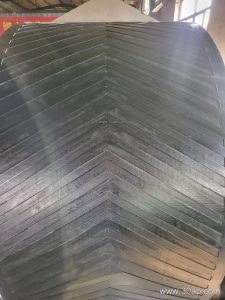
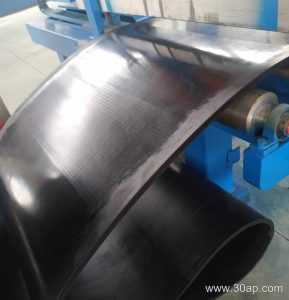
When ordering fabricated brackets, confirm the belt width, trough angle, roller diameter, and mounting hole pattern. Ask how the frame will be protected against corrosion, and whether the design suits the local environment. A cold resistant conveyor belt may be used in a freezer or winter port, but the steel bracket still needs impact toughness at low temperature. In a coal mine, a flame retardant conveyor belt is common, and the bracket finish should resist wet, acidic water.
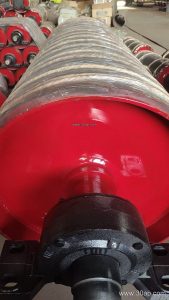
Check that the bracket matches the conveyor pulley positions and the idler roller series already in use. Buyers should also confirm weld quality and hole alignment, since these affect installation time. For high-abrasion duty, such as an iron ore or copper ore line, thicker angle or channel sections are often specified. The goal is a bracket that keeps the belt stable, lets rollers turn freely, and is easy to service.