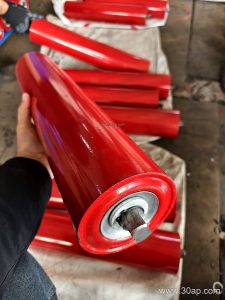
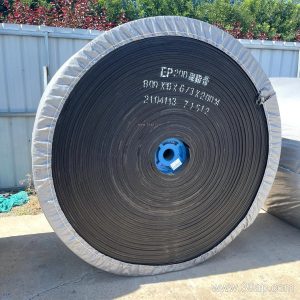
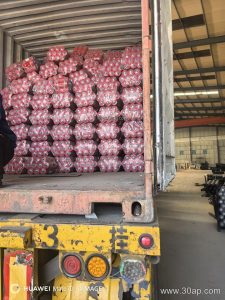
What a Belt Conveyor Idler Frame Does
A belt conveyor idler frame is the structural element that holds the idler rollers in the correct position under or above the conveyor belt. It is sometimes called a conveyor idler bracket, an idler support frame, or a roller support frame, but the job is always the same: keep each roller aligned so the belt runs smoothly and the load is carried without excessive sag. In a stone crushing line or a bulk terminal, the frame is a small item compared with the pulley or the drive, yet it decides how evenly the belt sits on the rollers.
The frame works together with the conveyor belt, the idler roller and the conveyor pulley. A troughing frame carries the loaded side, a return frame supports the empty side, and both are anchored to the conveyor stringer. Because the frame sets the trough angle and the spacing, its design has a direct effect on belt tracking and on wear of the belt cover.
How the Frame Is Built
Most frames are fabricated from angle steel, channel steel, or folded steel plate. The cross beam is cut to suit the belt width, and the mounting holes are positioned for the chosen roller diameter and trough angle. The result is a rigid but relatively light assembly that can be bolted to the conveyor structure without welding on site.
Common forms include:
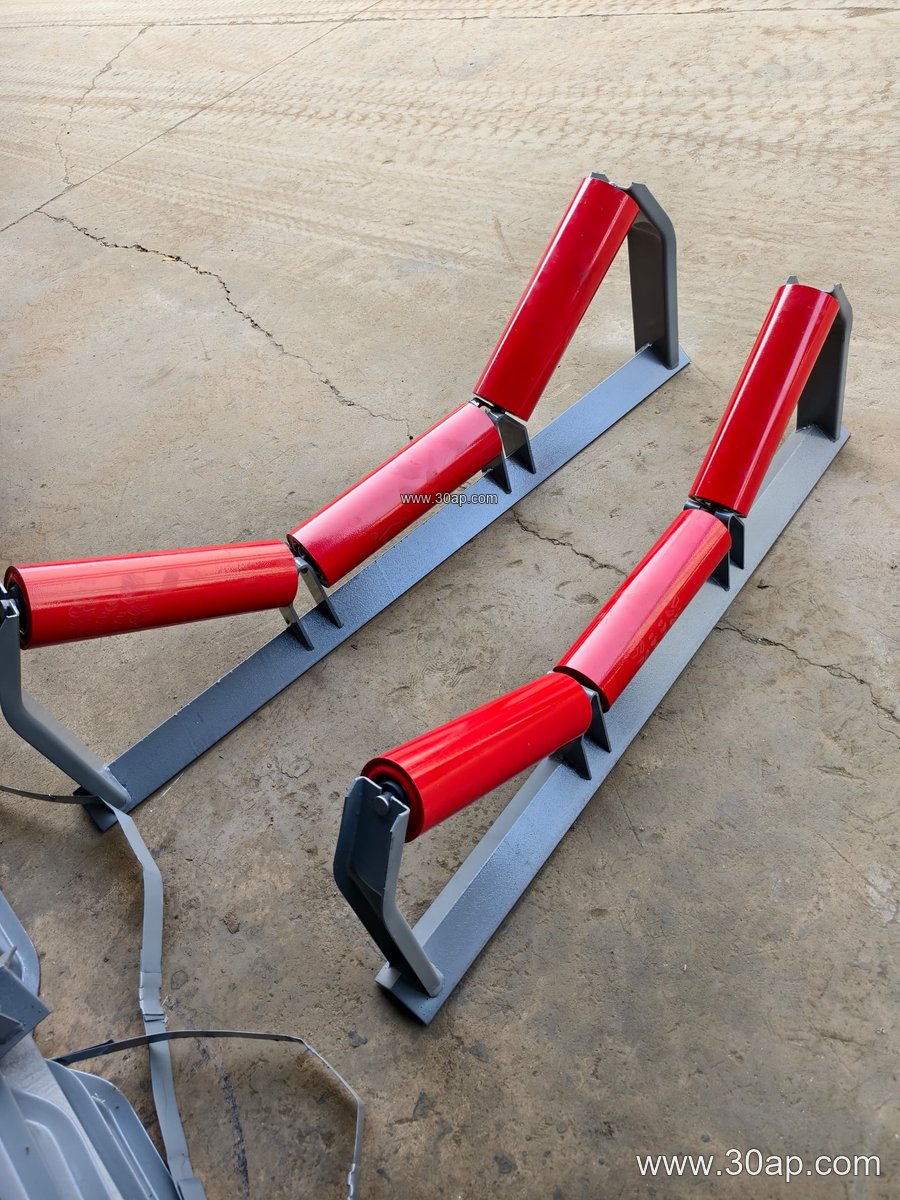
- Troughing frames for the carrying side, often with three or five rollers
- Transition frames near the head or tail, where the belt changes shape
- Return frames, including flat return and V-return designs
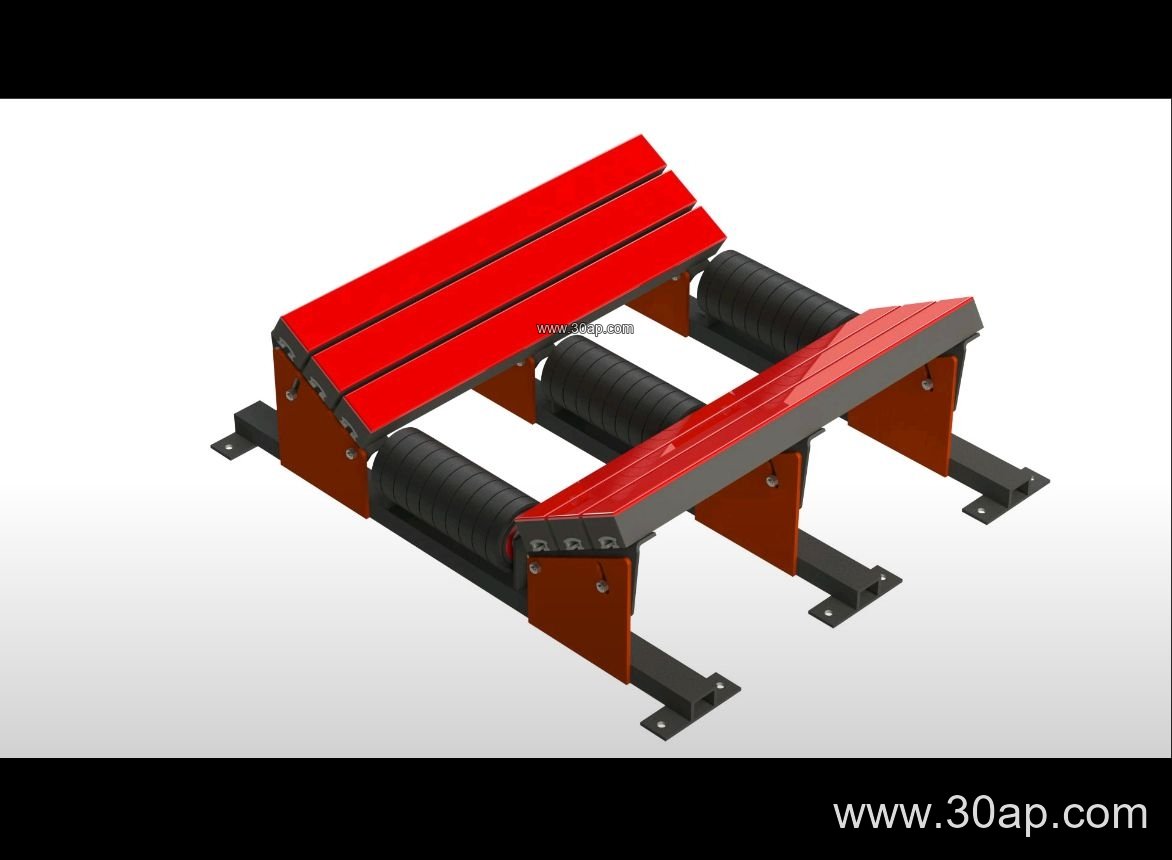
- Impact frames with cushion rollers below the loading point
- Self-aligning frames and forward-tilted frames for tracking control
- Adjustable frames that allow the trough angle to be changed
Material thickness and coating should match the environment. A wash plant or a port handling moist bulk material may need a heavier galvanized or painted finish, while a dry cement plant may accept a standard painted frame.
Matching Frame, Belt Width and Roller Diameter
Buyers often ask for a frame by belt width alone, but the frame also depends on the trough angle and the roller diameter. A B800 frame at 35 degrees with Ø108 rollers is a typical combination, and a B1200 frame at 45 degrees with Ø133 rollers is another. Neither is a rule. The same belt width can be used with different trough angles and different roller diameters depending on capacity, material lump size, and belt speed.
Typical reference values are shown below. They are common ranges, not fixed specifications, and the final values should be confirmed against the conveyor design.
| Item | Common reference values |
|---|---|
| Belt width | B500, B650, B800, B1000, B1200, B1400, B1600, B1800, B2000 |
| Trough angle | 20°, 30°, 35°, 45° |
| Roller diameter | Ø89, Ø108, Ø133, Ø159, Ø194 |
| Forward tilt | About 1.5° to 2° |
Mounting hole spacing and cross beam length change with belt width and trough angle, so they should not be treated as universal numbers. For a long overland conveyor carrying iron ore, a wider belt with a 35-degree trough and larger rollers is often considered; for a short transfer in a fertilizer plant, a narrower frame with smaller rollers may be enough.
Where the Frame Is Used
Idler frames appear in nearly every bulk handling line. In a coal washing plant they support the belt through wet and abrasive conditions, so abrasion resistant conveyor belt and flame retardant conveyor belt are common choices on the same structure. In a cement plant, heat resistant conveyor belt may be used near clinker areas, while a quarry conveyor belt handles crushed stone on standard troughing frames.
The frame also matters in a power plant coal yard, a steel plant sintering line, a sand making plant, and a port ship loading system. In each case, the frame must suit the conveyor belt type, the idler roller, and the surrounding conveyor bracket layout.
What to Check Before Ordering
Start with the belt width, the trough angle, and the roller diameter. Confirm the mounting hole pattern and the cross beam length against the existing stringer. State whether the frame is for the carrying side, the return side, or a transition zone, because these are not interchangeable. Check the material and finish for dust, moisture, and temperature. For a heavy-duty mining conveyor belt line, specify a reinforced frame and a suitable impact frame at the loading point.
Finally, keep spare frames and rollers for the same position together. A frame that fits one trough angle may not fit another, and mixing parts from different positions can cause belt misalignment. A simple check of the frame before installation saves much more time than correcting a wandering belt later.