What a Custom Conveyor Bracket Does
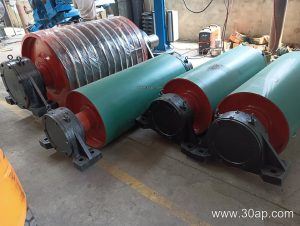
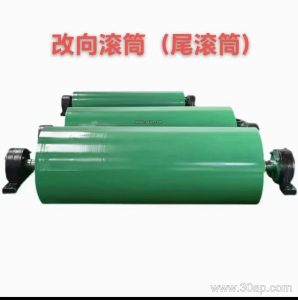
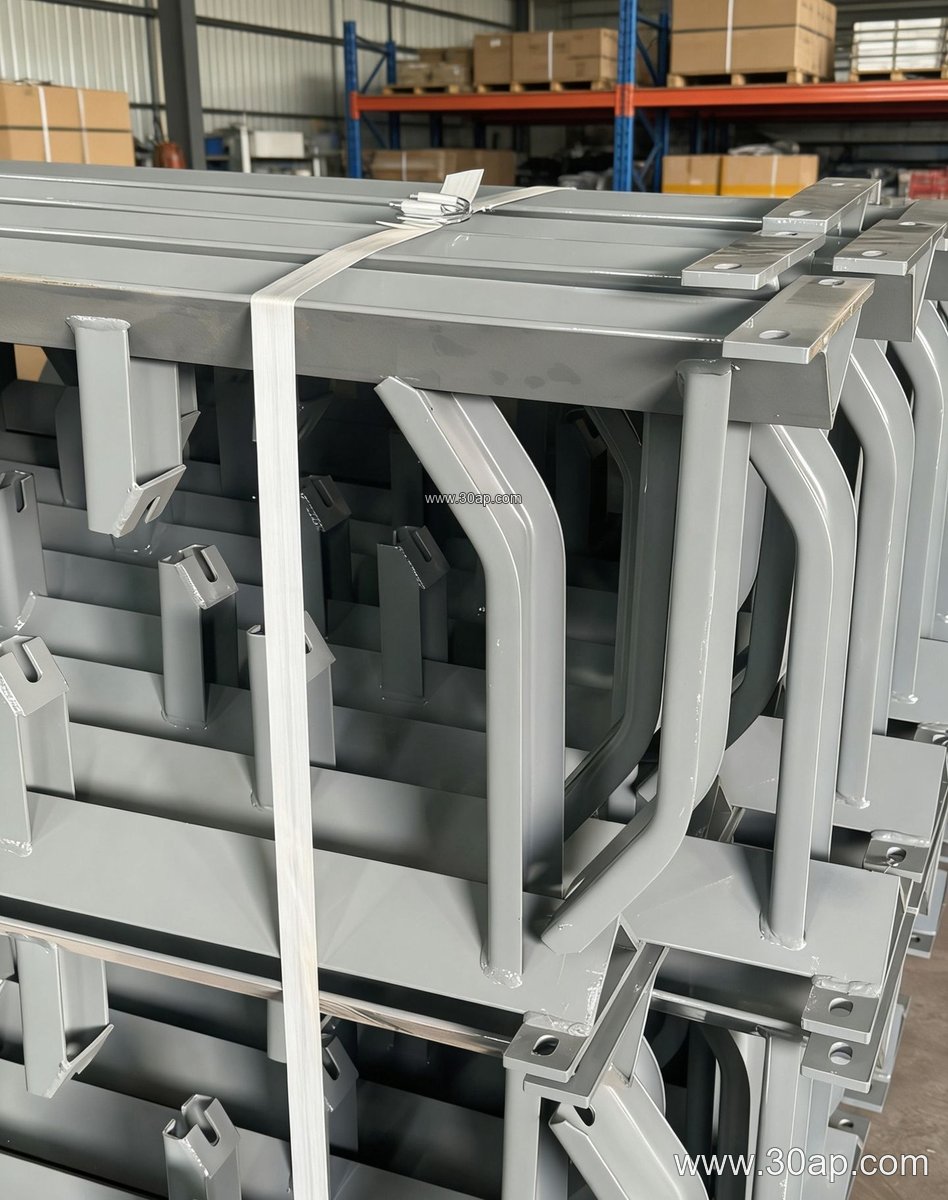
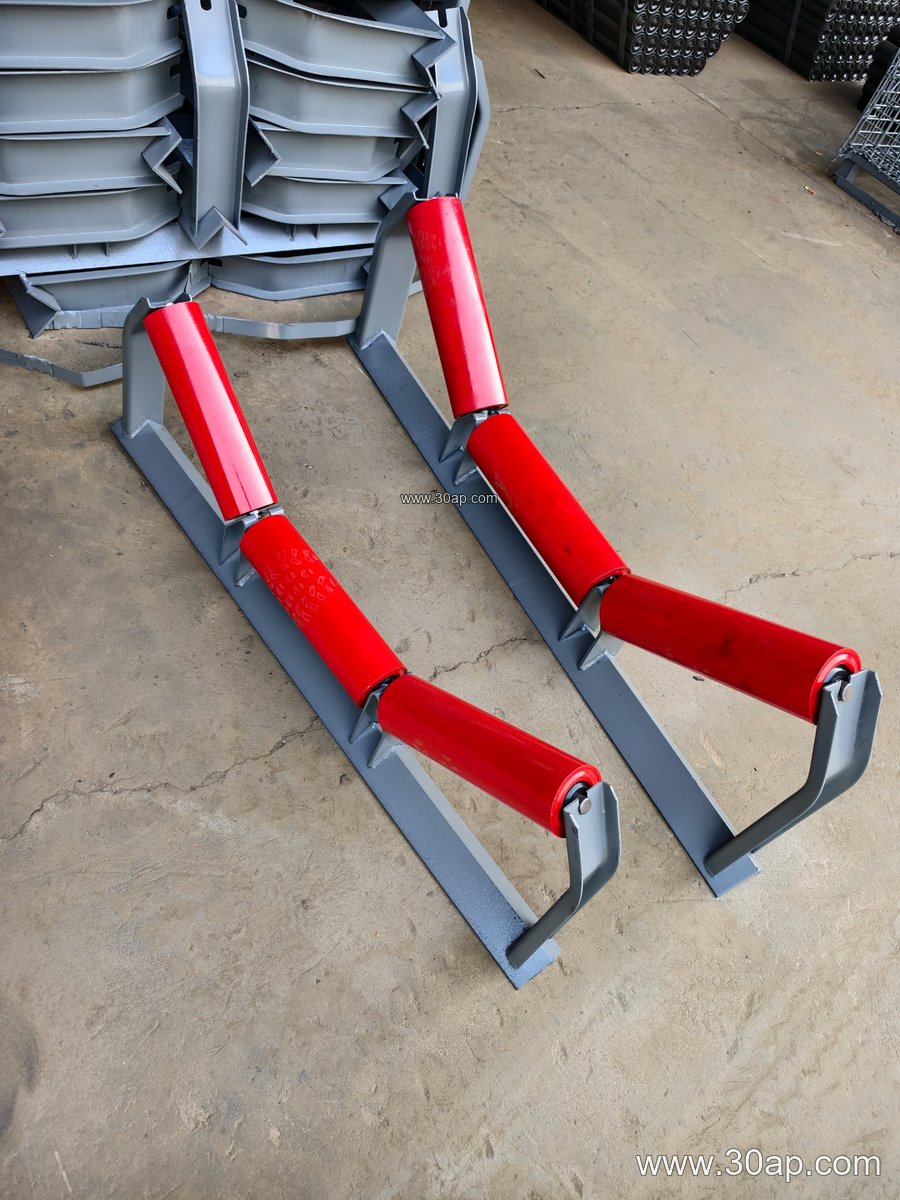
A custom conveyor bracket is the fabricated support that holds idler rollers in the correct position under or over the conveyor belt. Unlike a catalog bracket, it is made to match a specific belt width, trough angle, roller diameter, and frame layout. In a quarry, cement plant, or coal handling system, the bracket often determines how well the belt tracks and how easily rollers can be serviced. The bracket is not a pulley: drive pulleys, tail pulleys, and bend pulleys serve different functions and are never interchangeable with a bracket or with each other.
Construction and Common Forms
Most brackets are built from angle steel, channel steel, or folded steel plate. The fabrication should suit the load and the environment—heavier sections for a primary crusher discharge, galvanized or painted finishes for a port terminal. Common forms include troughing brackets, transition brackets, return brackets, V-return brackets, impact bracket sets, and self-aligning brackets. Adjustable versions allow the trough angle to be set between common values such as 20, 30, 35, and 45 degrees. Forward-leaning brackets usually carry a small tilt of about 1.5 to 2 degrees to help center the belt.
Typical reference combinations
These are common design references, not fixed rules. A given belt width can work with more than one trough angle and roller diameter.
- B650, 30 degrees, Ø89
- B800, 35 degrees, Ø108
- B1000, 35 degrees, Ø133
- B1200, 45 degrees, Ø133
- B1400, 35 degrees, Ø159
- B1600, 45 degrees, Ø194
Mounting hole spacing and crossbeam length usually change with belt width and trough angle, so they are confirmed per design rather than taken as universal numbers.
Where It Fits in the Line
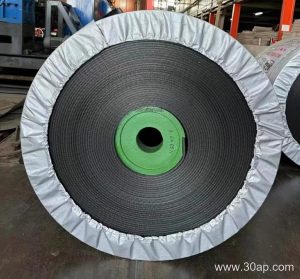
In a limestone mine or aggregate plant, troughing brackets support the carrying side through the load zone, while return brackets hold the belt on the way back. A transition bracket guides the belt from flat to troughed without over-stressing the edges. In a power plant coal yard, self-aligning brackets help correct mistracking before it damages the belt edge. The same bracket family appears in sand and gravel lines, steel sinter plants, and tunnel muck handling. The bracket works together with the conveyor belt, idler roller, and conveyor pulley; a poorly matched bracket can shorten roller life even when the belt itself is in good condition.
Matching Bracket to Belt and Roller
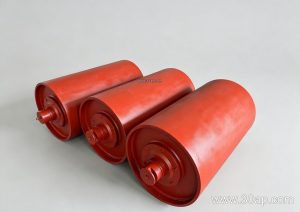
Selection starts with the belt width and the roller diameter, then moves to trough angle and frame height. An EP conveyor belt or a steel cord conveyor belt may call for different roller spacing, but the bracket still needs to suit the actual roller. In dusty or wet conditions, brackets with generous clearance and drain paths reduce buildup. For a heavy-duty mining conveyor belt, impact brackets under the loading point are often reinforced. A flame retardant conveyor belt used underground may require brackets that avoid sharp edges and trapped material. Buyers should confirm the roller fixing method, the frame hole pattern, and whether the bracket is fixed or adjustable before ordering.
Buyer Checklist
- Confirm belt width and roller diameter, not just the conveyor model.
- State the required trough angle and whether adjustment is needed.
- Provide the frame drawing or hole spacing for custom fabrication.
- Describe the environment: abrasion, moisture, coal dust, or heat.
- Ask how the bracket locates the idler roller and whether it allows quick replacement.
- Check that drive, tail, and bend pulley mounts are handled separately from bracket design.
For more information on matching brackets with conveyor belt and idler roller selections, visit example.com/conveyor-bracket. A custom conveyor bracket is a small part of the line, but it affects tracking, roller life, and maintenance time across quarries, cement plants, and bulk terminals.