What a Return Idler Does on a Conveyor
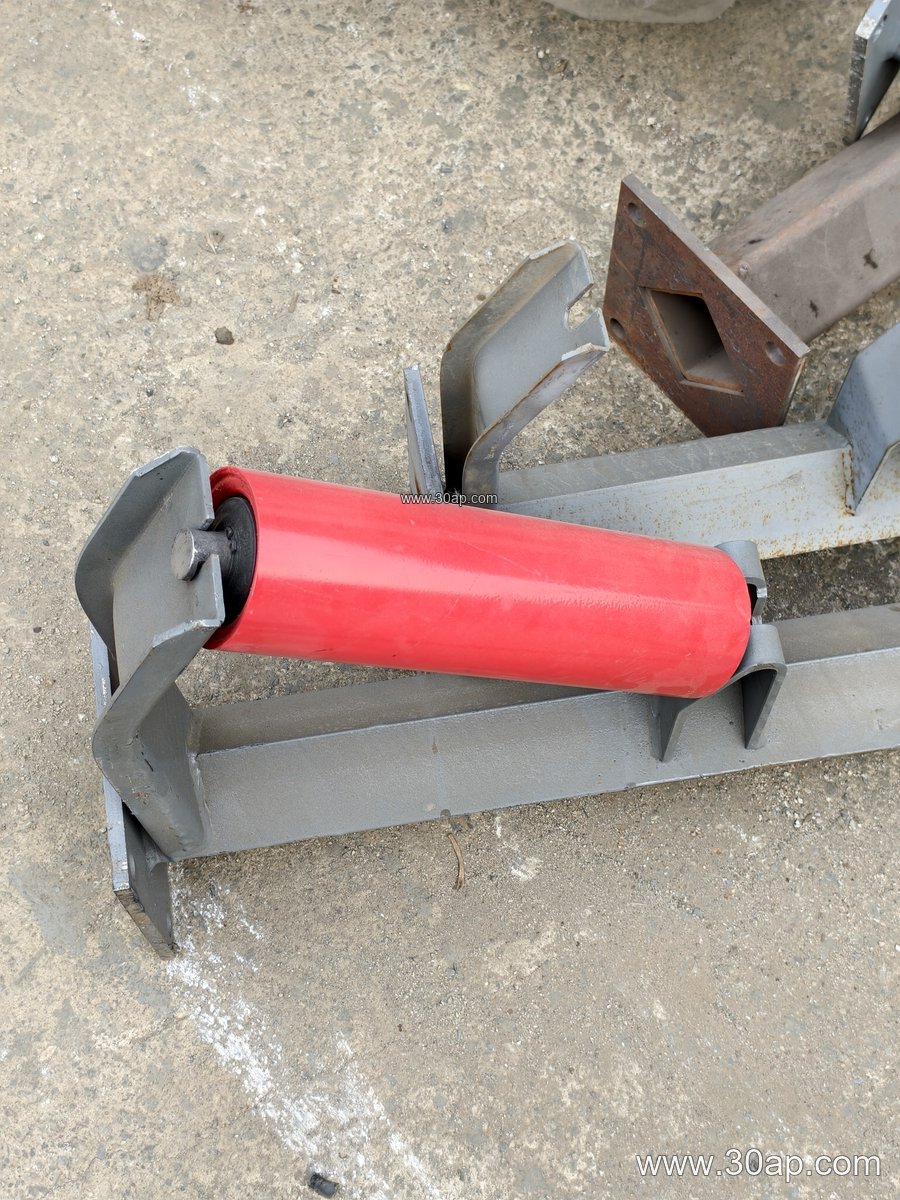
A return idler is the roller that supports the empty, returning strand of a conveyor belt. While the carrying side gets most of the attention, the return side quietly keeps the belt tracking straight and prevents sag between pulleys. In a quarry, a cement plant, or a coal handling system, these rollers are mounted on a conveyor bracket below the belt and rotate as the belt loops back toward the tail. Without them, the belt would drag, wear quickly, and put extra load on the drive pulley.
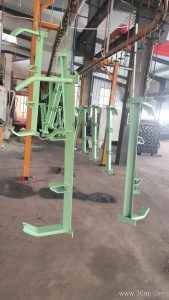
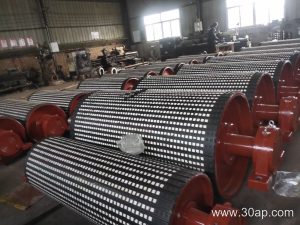
Buyers often use the term “return roller” for the same component. Both refer to the lower idler set that carries the belt after discharge. The return idler is not a drive pulley, tail pulley, or bend pulley; those are separate components that transmit power or change belt direction.
Construction and Common Configurations
Most return idlers share a simple build: a steel tube shell, bearing housings at each end, a shaft, and a sealing arrangement to keep dust and water out. The roller surface can be plain steel, nylon, or covered with rubber rings for extra grip and impact absorption. Bearing sizes vary with load and shaft design; common options include 6204, 6205, 6305, 6306, 6308, and 6310, but the bearing is selected by the idler manufacturer based on the application, not by belt width alone.
Two common forms appear on the return side:
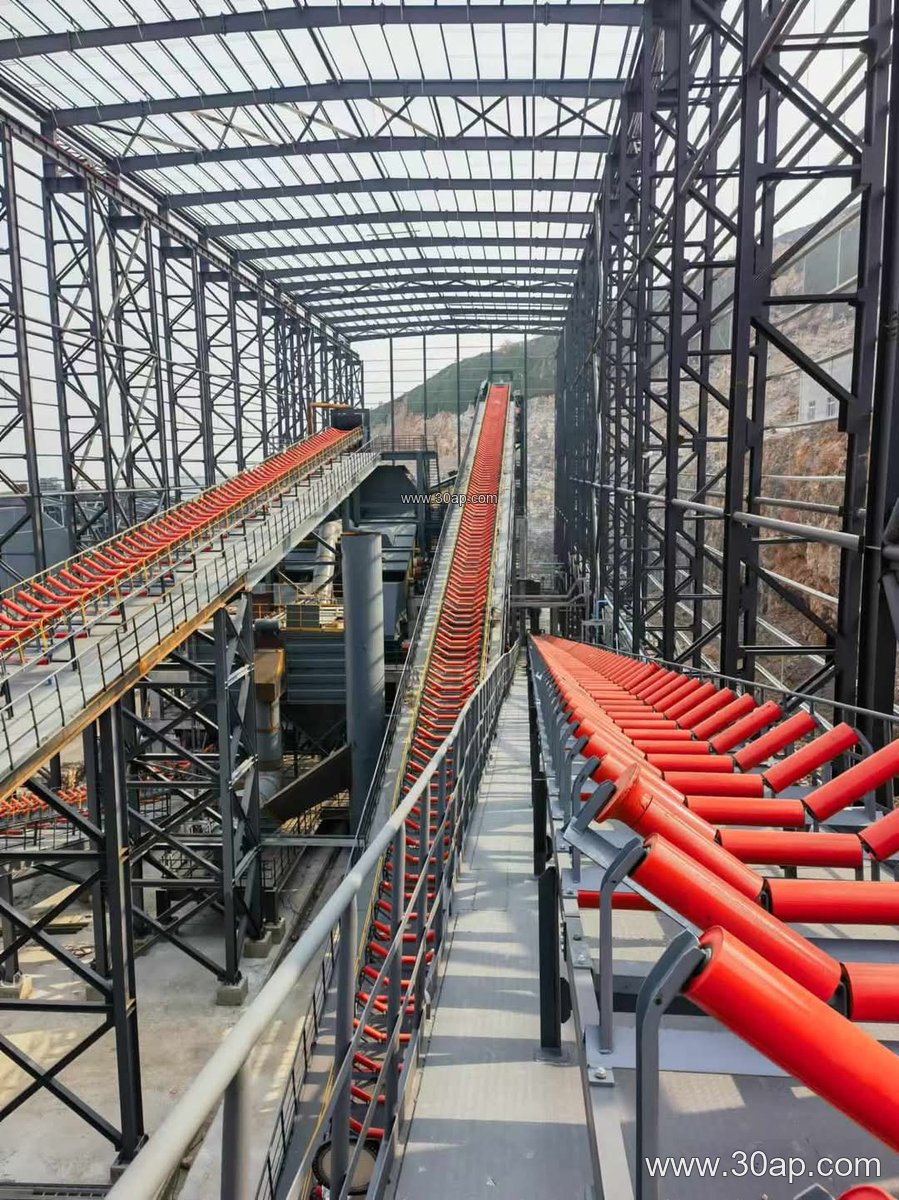
- Flat return idler – a single, straight roller under the belt, often used where the belt is relatively stiff or the conveyor is short.
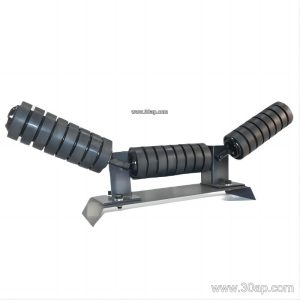
- V-return idler – two rollers set at an angle to form a V shape, which helps center the belt and shed loose material.
Other return-side variants include spiral (helical) rollers for sticky material and rubber-disc impact rollers where lumps fall onto the return strand. These are not replacements for the main subject; they are simply different return idler designs for specific duties.
Where Return Idlers Are Used
Return idlers appear in almost every bulk material handling line. In a limestone quarry or sand and gravel plant, they support the belt after the head pulley and before the tail pulley. In a coal washery or power plant coal yard, they help keep a flame retardant conveyor belt running true on the return run. In a cement plant, they are common under clinker and raw meal belts, where dust and heat demand good sealing. The same component appears in iron ore, copper ore, and gold mining operations, as well as in port ship loading and tunnel spoil removal.
Because the return idler runs under the belt, it is often exposed to carry-back material. A well-sealed bearing and a smooth roller surface reduce the risk of material wrapping around the shaft. For abrasive duties, a rubber-covered return roller can protect the belt and reduce noise.
Matching Return Idlers to Belt Width and Roller Diameter
Return idlers are selected by belt width, roller diameter, shaft size, and bearing type. The table below shows common reference values; actual dimensions are confirmed by design.
| Belt width (B) | Common return roller diameter | Typical return idler form |
|---|---|---|
| B500 | Ø63 – Ø89 mm | Flat or V-return |
| B650 | Ø76 – Ø102 mm | Flat or V-return |
| B800 | Ø89 – Ø108 mm | Flat or V-return |
| B1000 | Ø102 – Ø127 mm | Flat or V-return |
| B1200 | Ø108 – Ø133 mm | Flat or V-return |
| B1400 | Ø127 – Ø159 mm | Flat or V-return |
| B1600 | Ø133 – Ø178 mm | Flat or V-return |
| B1800 | Ø159 – Ø194 mm | Flat or V-return |
| B2000 | Ø178 – Ø219 mm | Flat or V-return |
These are reference ranges, not fixed pairings. A wide belt may use a smaller roller if the load is light, and a narrow belt may use a larger roller for impact resistance. Roller length also changes with belt width and idler form. For a flat return idler, the roller length is usually close to the belt width plus a small allowance. For a V-return idler, each roller is shorter and set at an angle.
Buyer Checklist for Return Idlers
Before ordering, confirm the belt width, the return strand height, and the existing bracket spacing. Check the shaft diameter and bearing type against the conveyor bracket. If the conveyor handles wet or sticky material, consider a spiral return roller or a rubber-disc return idler. For dusty applications such as a cement plant or coal yard, specify good labyrinth seals and a protected bearing cap. Ask for the roller’s dynamic load rating and the recommended maximum spacing; these values depend on belt tension and material weight, not on a single universal rule.
Finally, remember that the return idler is part of a system. Pairing it with a properly aligned conveyor pulley and a well-trained belt will extend roller life. Whether the line carries EP conveyor belt, steel cord conveyor belt, or a heavy-duty mining conveyor belt, the return idler keeps the empty side stable and the whole conveyor efficient.