What the EP1000 1200mm Conveyor Belt Is
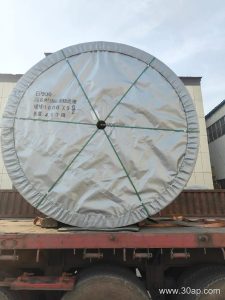
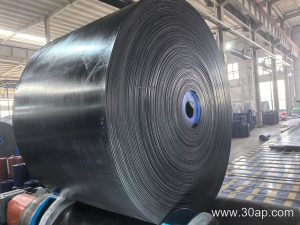
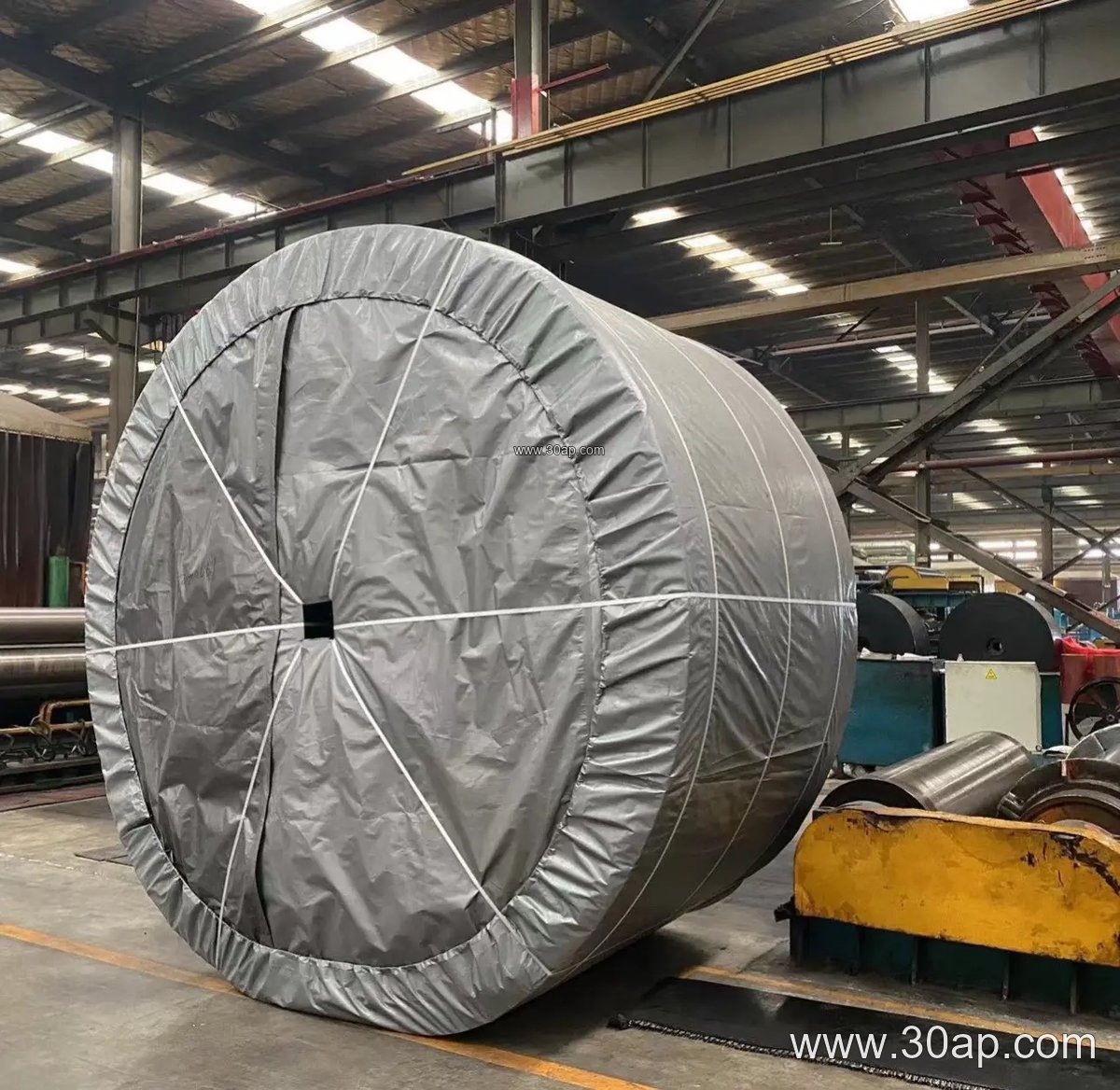
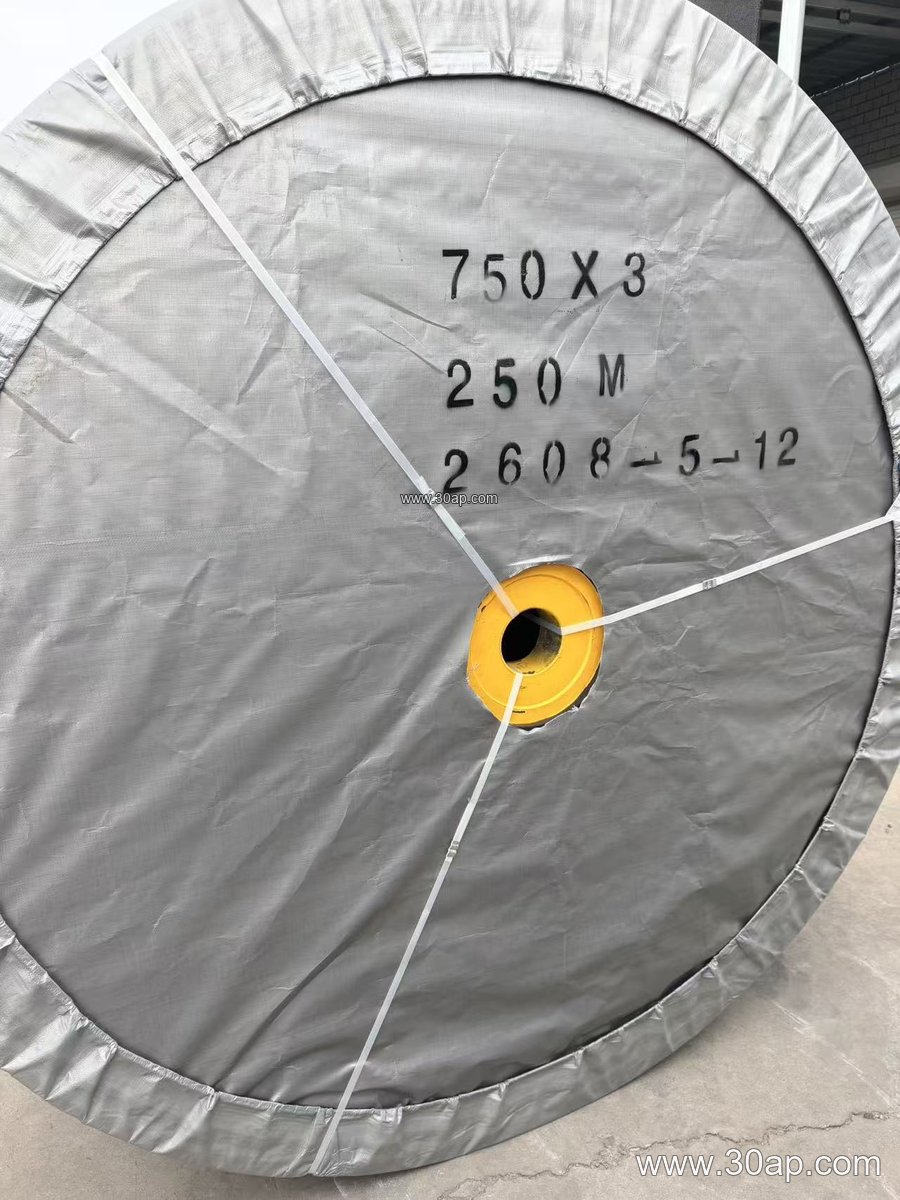
The EP1000 1200mm Conveyor Belt is a heavy-duty fabric core belt built around a 1000 N/mm nominal tensile strength and a 1200 mm overall width. It belongs to the EP Conveyor Belt family, where EP stands for polyester warp and polyamide weft. This construction gives the belt low elongation under load and good resistance to fatigue, which matters on long runs with frequent starts and stops. In many plants the same product is simply called an EP1000 1200mm wide conveyor belt, and the two names describe one and the same belt.
Common use covers bulk material conveying, and this width is a frequent choice for main haulage lines rather than short transfer points. A 1200mm Wide Conveyor Belt offers a practical balance between capacity and structural load on the frame. Typical industries include mining, coal preparation, cement plants, power stations, quarries, and sand and aggregate yards.
How the Belt Is Built
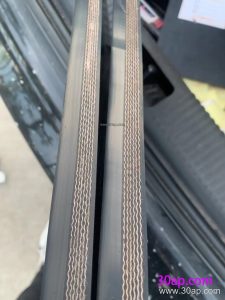
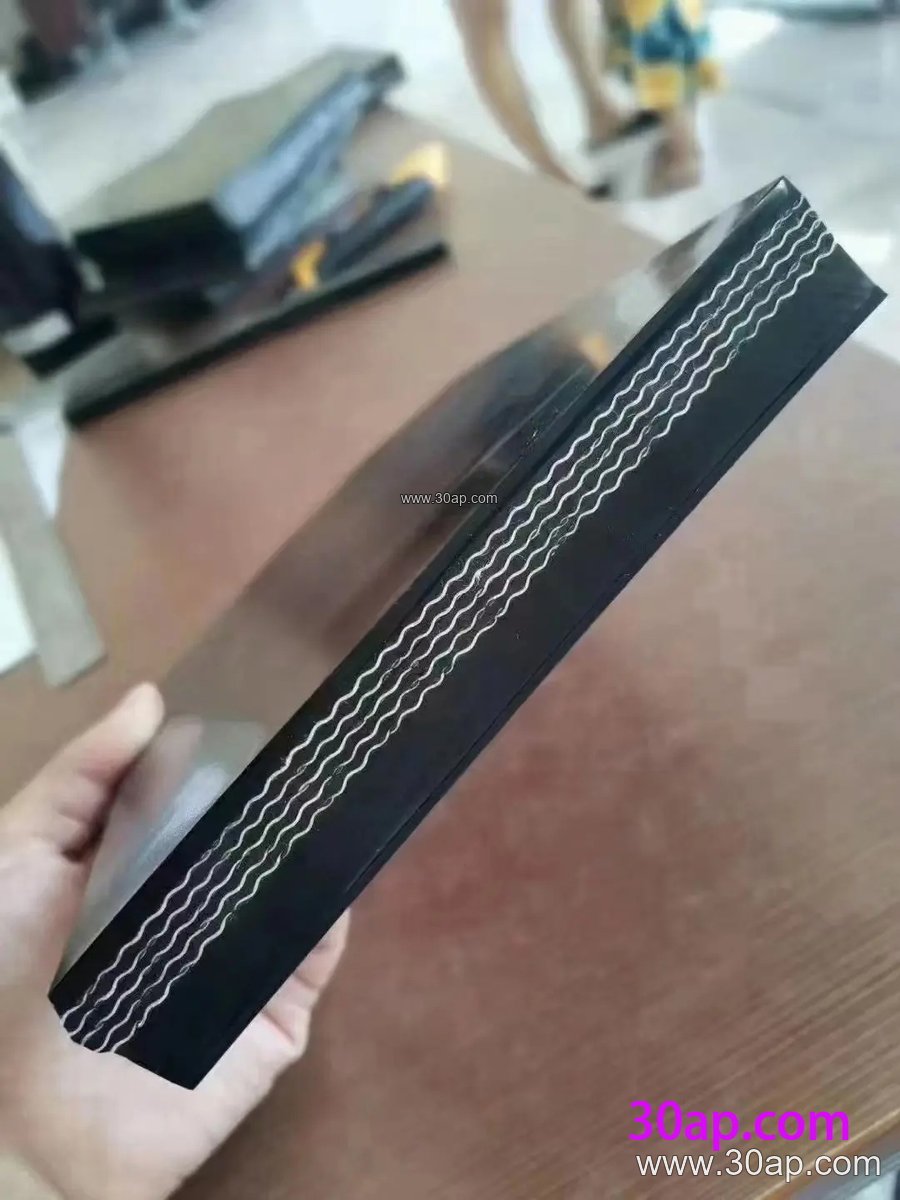
The carcass usually contains multiple plies of EP fabric, with 2 to 6 plies common depending on the duty. Rubber covers protect the carcass from abrasion, impact, and moisture. Cover thickness is stated as top plus bottom, for example 4+2 mm, 6+2 mm, or 8+3 mm, and the final choice follows the material being carried and the drop height at loading points.
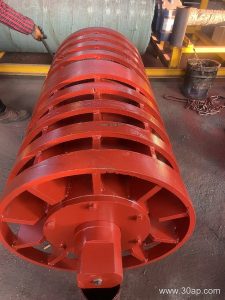
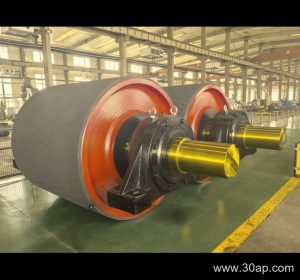
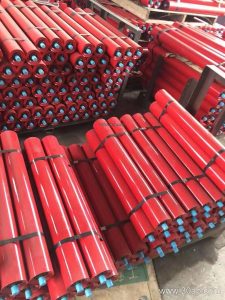
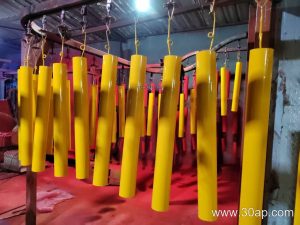
Because the belt is wide, cross-stability matters. Manufacturers control fabric tension and cure conditions so the belt tracks well on the conveyor frame. The belt runs over a conveyor pulley at the head and tail, is supported by an idler roller set along the carrying side, and is held in line by a conveyor bracket and training idlers. These components are separate from the belt itself and must be matched to the belt width and load, not selected from the belt width alone.
Construction Options and Related Types
Different working conditions call for different cover compounds, and these can be applied to the same EP carcass:
- Abrasion Resistant Conveyor Belt for crushed stone, sand, and sinter
- Heat Resistant Conveyor Belt for clinker, cement, and hot ash
- Flame Retardant Conveyor Belt and Anti-Static Conveyor Belt for coal handling and enclosed galleries
- Oil Resistant Conveyor Belt for recycled material and oily scrap
- Cold Resistant Conveyor Belt for outdoor yards in low-temperature regions
Other carcass types exist for comparison. An NN Conveyor Belt uses nylon in both directions and suits high-impact loading. A Steel Cord Conveyor Belt carries very high tension in a single plane and is often used on long overland routes. A PVG Conveyor Belt is a solid-woven construction common in underground coal mining. For inclined sections, a Chevron Conveyor Belt or a Corrugated Sidewall Conveyor Belt can reduce rollback or contain material on steep lifts.
Reference Dimensions and Strength Grades
The table below lists values that are commonly quoted in the EP range. They are reference data, not a supply promise, and actual belt design should be confirmed with the manufacturer.
| Item | Common Values |
|---|---|
| Strength grade | EP200, EP315, EP400, EP500, EP630, EP800, EP1000, EP1250 |
| Belt width | B500, B650, B800, B1000, B1200, B1400, B1600 |
| Cover thickness | 3+1.5, 4+2, 5+2, 6+2, 8+3 mm |
| Carcass plies | 2 to 6 layers, usually |
One belt width does not fix the pulley diameter or the shaft size. Those are calculated from tension, wrap angle, and drive duty. A 1200 mm belt may run on different pulley sizes in different installations, so the drive pulley, tail pulley, and bend pulley should each be specified from the conveyor design, not from the belt alone.
Where It Fits in the Plant
In a quarry or stone crushing line, an EP1000 belt often feeds a screen or transfers crushed rock to the stockpile. In a cement plant it may carry limestone or clinker between sections. In a power plant it can serve the coal yard, and in a coal mine the flame retardant version supports underground haulage. Port and ship loading terminals also use wide belts for high tonnage.
For anyone sourcing this product, check the required strength grade, cover compound, ply count, and splice method before ordering. Confirm the belt width against the frame and the pulley face, and verify that the idler roller spacing suits the load. Accurate specifications avoid mismatch at installation and keep the conveyor running steadily. More details on belt selection are available at www.bulkconveyorsolution.com, where conveyor belt and conveyor pulley guidance is organized by application.