What an Upper Self-Aligning Idler Does
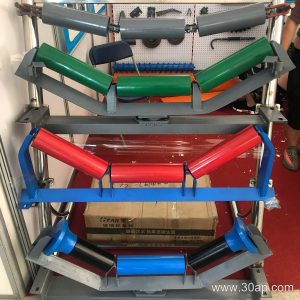
An upper self-aligning idler is a training idler mounted on the carrying side of a conveyor. Its job is to keep the conveyor belt centered as it travels over the troughing idlers. When the belt drifts toward one side, the idler pivots slightly and steers the belt back. This type of idler is common in mining, coal preparation, cement plants, power plant coal handling, and aggregate operations where belt misalignment can cause spillage and edge damage.
Unlike a fixed troughing idler, the upper self-aligning idler sits in a bracket that allows rotation in the horizontal plane. A vertical pivot pin connects the idler frame to the conveyor bracket. The assembly may include a small amount of forward tilt, often about 1.5 to 2 degrees, to help the idler sense belt drift and correct it gradually.
Construction and Components
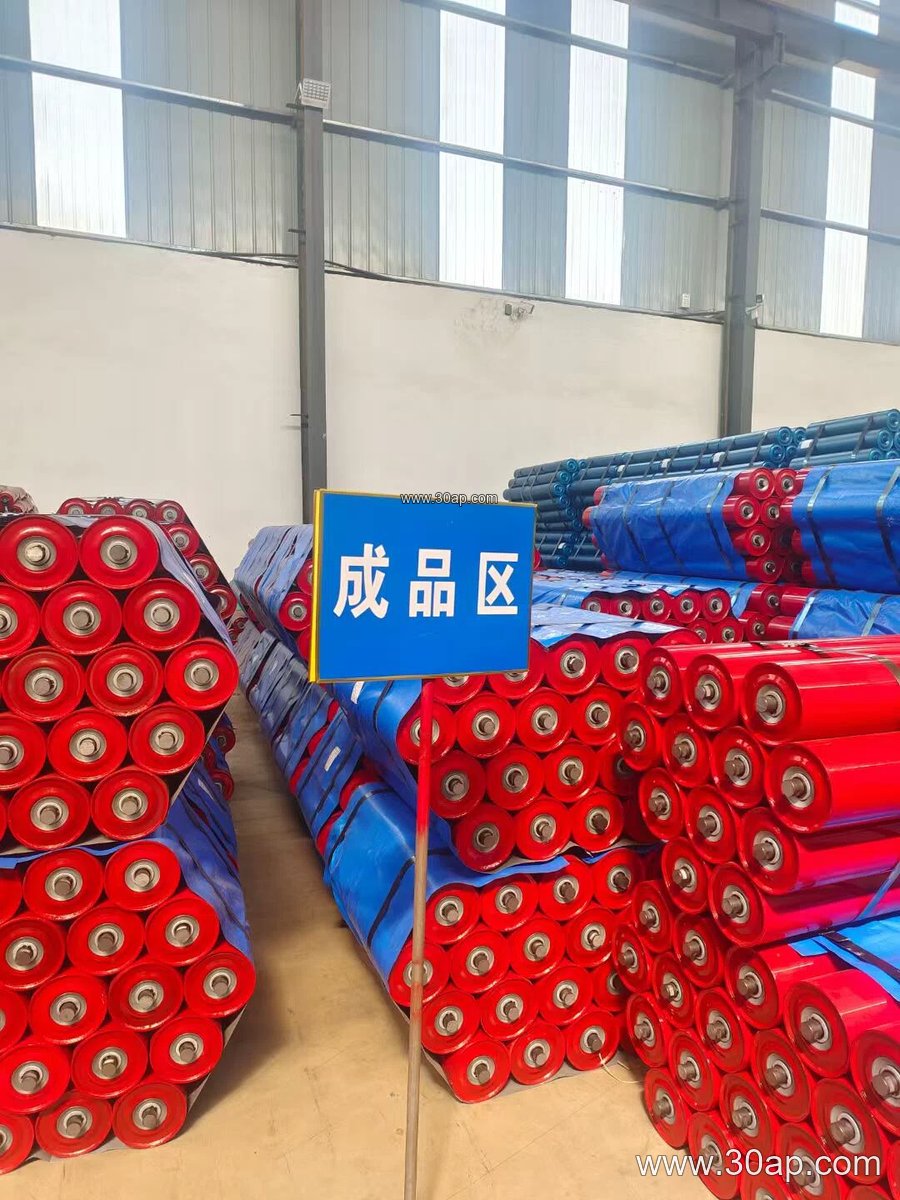
The idler roller itself is usually a steel tube with bearing housings at each end. Common roller diameters for this duty include Ø102, Ø108, Ø127, Ø133, and Ø159 mm, though the exact size is selected according to belt width and load. Bearings such as 6205, 6305, 6306, and 6308 are frequently used, but no single bearing is tied to one roller diameter. The roller surface may be plain steel, nylon, or rubber-covered for better grip in wet or dusty conditions.
The self-aligning feature comes from the pivot arrangement. The idler frame is connected to a base that mounts on the conveyor bracket. A linkage or a pair of guide rollers may help the frame respond to belt edge contact. Some designs use a friction-type pivot that resists small movements and only reacts when misalignment becomes significant.
Where It Fits on the Conveyor
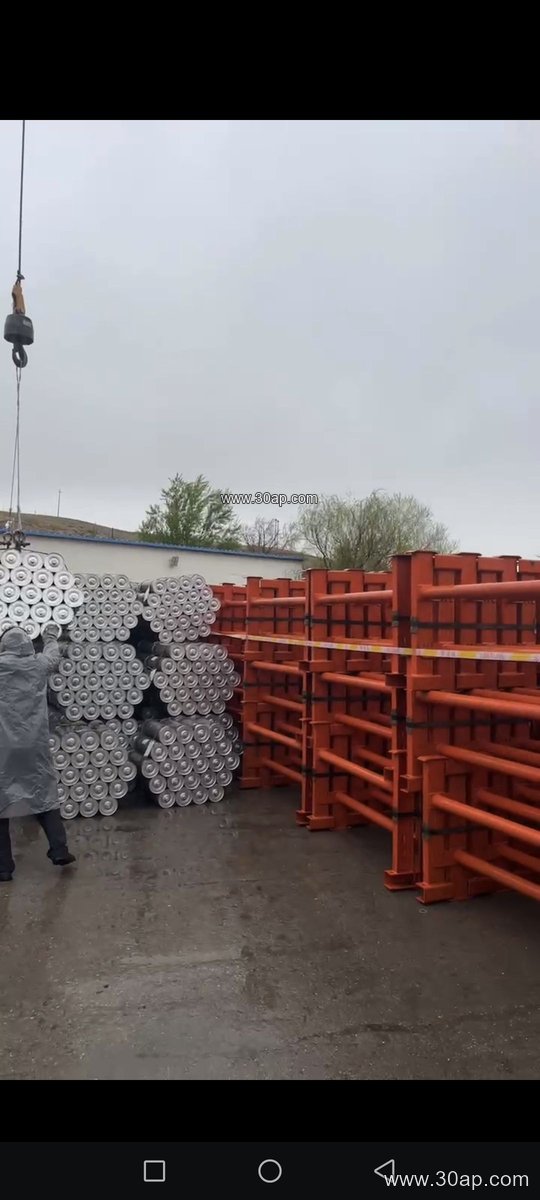
Upper self-aligning idlers are typically placed at intervals along the carrying run, especially after curves, transfer points, and long straight sections where the belt is prone to wander. They are not a replacement for drive pulleys, tail pulleys, or bend pulleys, which serve different functions in the conveyor drive and path. In a typical training arrangement, a self-aligning idler may be installed every 30 to 50 meters, depending on belt length and operating conditions.
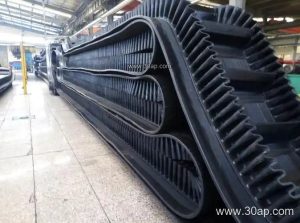
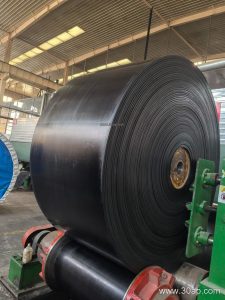
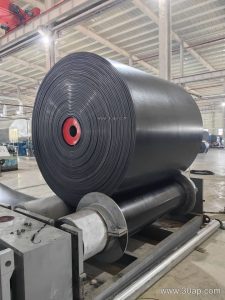
In a quarry or sand and gravel line, an upper self-aligning idler helps keep an abrasion resistant conveyor belt centered under the crusher discharge. In a coal mining operation, it works with a flame retardant conveyor belt to reduce edge wear in dusty conditions. The same idler can be used with an EP conveyor belt, an NN conveyor belt, or a steel cord conveyor belt, as long as the belt width and load are within the idler’s design range.
Common Sizes and Configurations
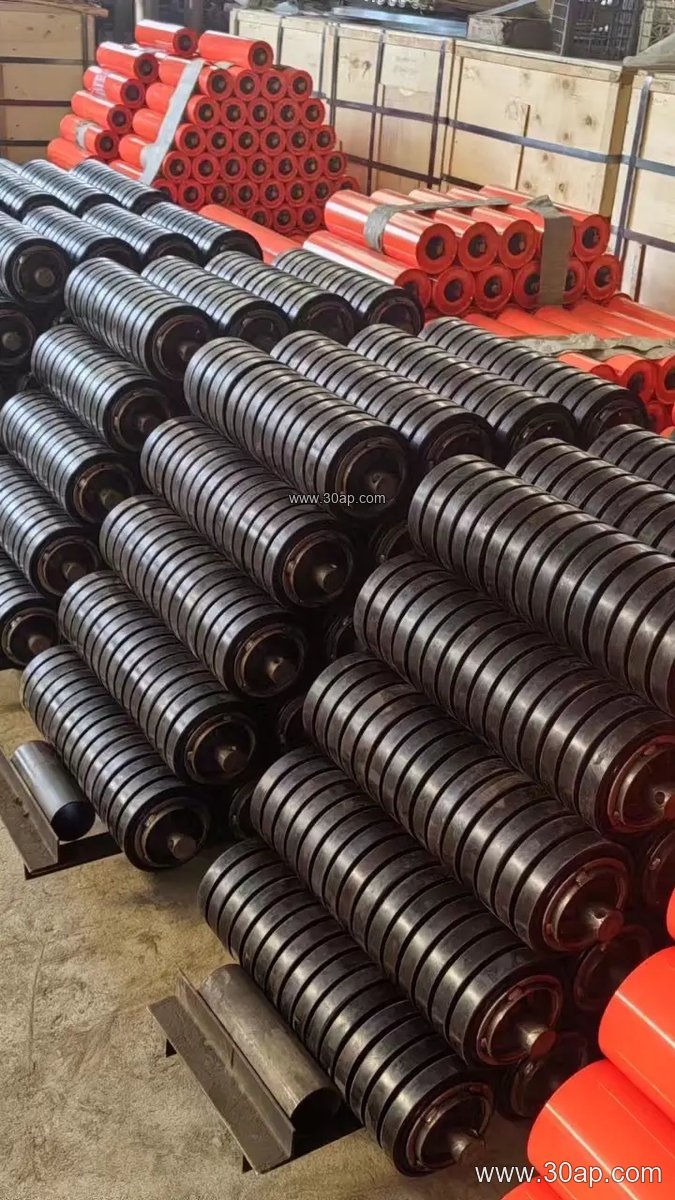
Upper self-aligning idlers are available in single-roller, two-roller, and three-roller troughing arrangements. The three-roller type is most common for wider belts. The table below shows typical roller lengths for three-roller troughing idlers at different belt widths. These are common examples, not fixed rules; side rollers and center rollers can differ, and the final length is determined by belt width, trough angle, and idler arrangement.
| Belt Width | Typical Roller Length (three-roller troughing) |
|---|---|
| B500 | 200 mm |
| B650 | 250 mm |
| B800 | 315 mm |
| B1000 | 380 mm |
| B1200 | 465 mm |
| B1400 | 530 mm |
| B1600 | 600 mm |
| B1800 | 670 mm |
| B2000 | 750 mm |
Trough angles of 20, 30, 35, and 45 degrees are used depending on the material and belt. A steeper trough increases capacity but also affects the belt’s tracking behavior, so the self-aligning idler should be matched to the existing trough angle.
Selection and Maintenance Notes
- Check that the pivot moves freely but without excessive play. A stiff pivot will not correct belt drift.
- Match the idler roller diameter to the belt speed and load. Larger diameters handle higher loads and extend bearing life.
- Keep the idler surface clean. Material buildup on a roller can cause the belt to steer unevenly.
- Inspect bearings for noise or heat. Common bearing sizes include 6204, 6205, 6305, 6306, 6308, and 6310, but the correct bearing depends on the idler design.
- Use a rubber-covered roller in wet or oily conditions to improve tracking response.
For a reliable installation, the upper self-aligning idler should be aligned square to the belt centerline and mounted on a rigid conveyor bracket. In cement plants, power plants, and iron ore operations, a properly maintained self-aligning idler reduces belt edge damage and extends the service life of the conveyor belt. For more information on conveyor components, visit www.example.com/conveyor-idler or www.example.com/conveyor-belt.