What an Oil Resistant Conveyor Belt Does
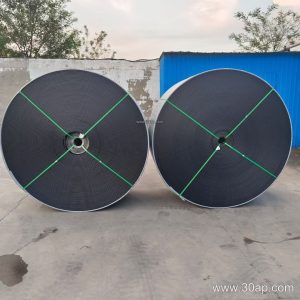
An Oil Resistant Conveyor Belt is a rubber conveyor belt built with a cover compound that resists swelling, softening and surface cracking when it contacts mineral oils, vegetable oils, greases, fats and some solvent-bearing materials. In a cement plant, a power station or a recycling yard, ordinary rubber can turn tacky and lose abrasion resistance within weeks when oil drips onto the carrying side. The oil resistant conveyor belt is designed for exactly that environment, keeping the cover dimensionally stable so the belt tracks correctly on the conveyor pulley and idler roller set.
The product is also described as an oil-resistant rubber conveyor belt or oilproof conveyor belt. Those names refer to the same item; they are not separate product families. Where a line handles both oily material and sharp aggregate, the same belt may also need abrasion resistance, so the cover specification should be agreed as a combined requirement rather than one property alone.
Construction and Compound Choices
Most oil resistant conveyor belts use a fabric core, either EP (polyester/nylon) or NN (nylon/nylon), with two to six plies depending on the duty. Heavier lines may use a steel cord conveyor belt carcass, but that choice is driven by tension and impact, not by oil exposure by itself. The oil resistance comes mainly from the cover compound: nitrile-based or specially formulated rubber blends replace part of the standard natural rubber compound.
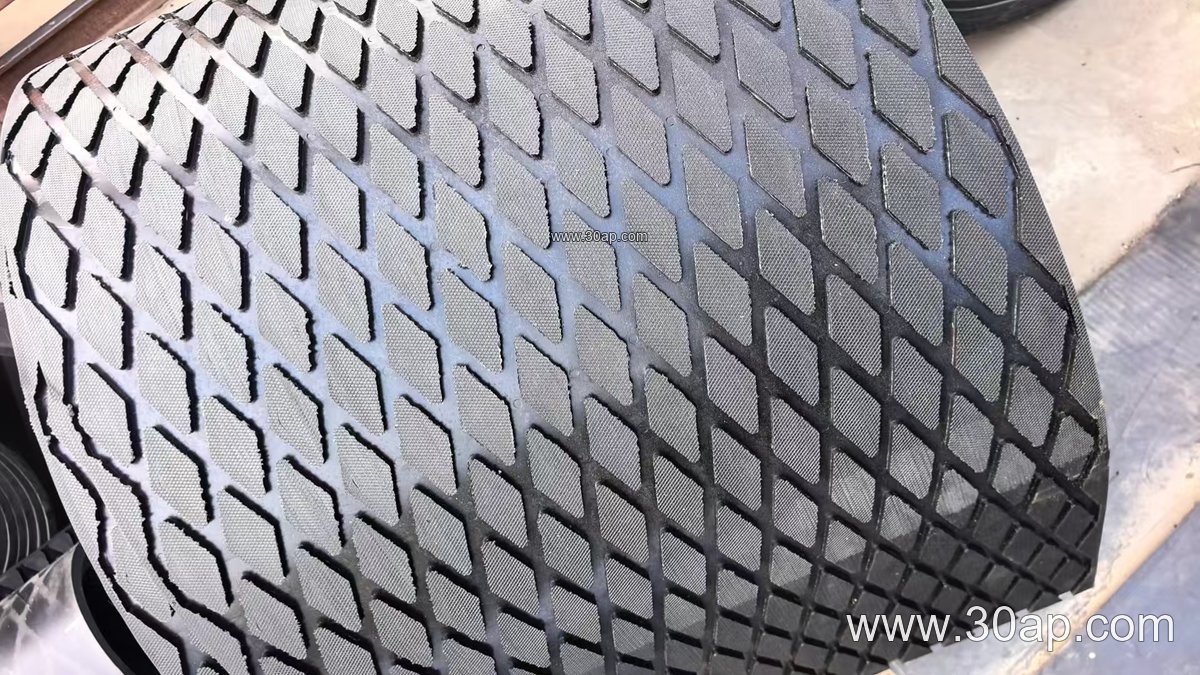
Typical construction values, given as common references only:
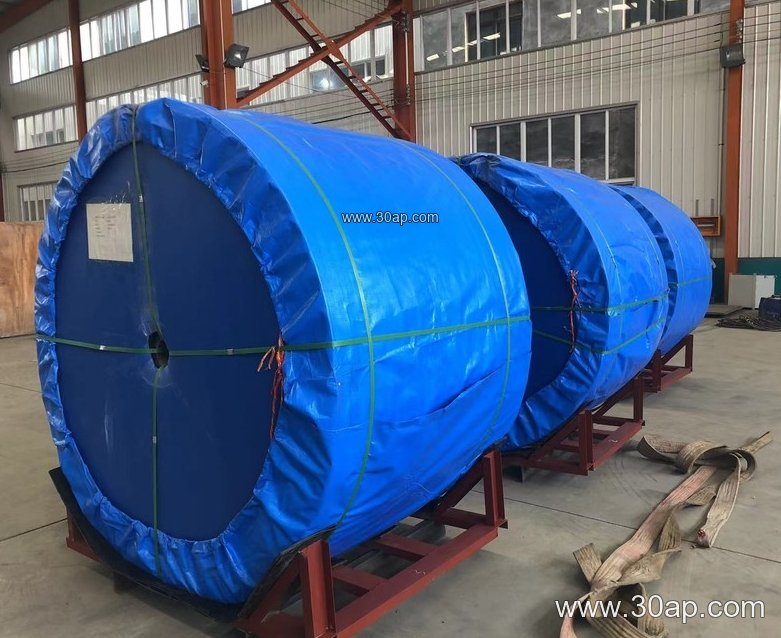
- Cover thickness: 3+1.5 mm, 4+2 mm, 5+2 mm, 6+2 mm or 8+3 mm
- Carcass: 2 to 6 plies of EP or NN fabric
- Strength grades: EP200, EP315, EP400, EP500, EP630, EP800, EP1000, EP1250
- Belt widths: B500, B650, B800, B1000, B1200, B1400, B1600
These figures vary between manufacturers and should be confirmed against the actual design of the conveyor. A 1200mm wide belt does not dictate a particular pulley diameter or shaft size; those are set by the conveyor designer using tension, wrap angle and take-up arrangement.
Where It Fits in the Plant
Oil resistant belting appears wherever material carries a grease or oil fraction. Examples include coke and coal handling in a coal mining conveyor line, oily scrap in recycling, edible oil and fat residues in food processing, metal machining swarf, and some mineral ores that release oil during crushing. In a quarry conveyor or crusher conveyor circuit, the belt may be specified as an abrasion resistant conveyor belt with oil resistance added, because sharp rock and lubricant leaks occur together.
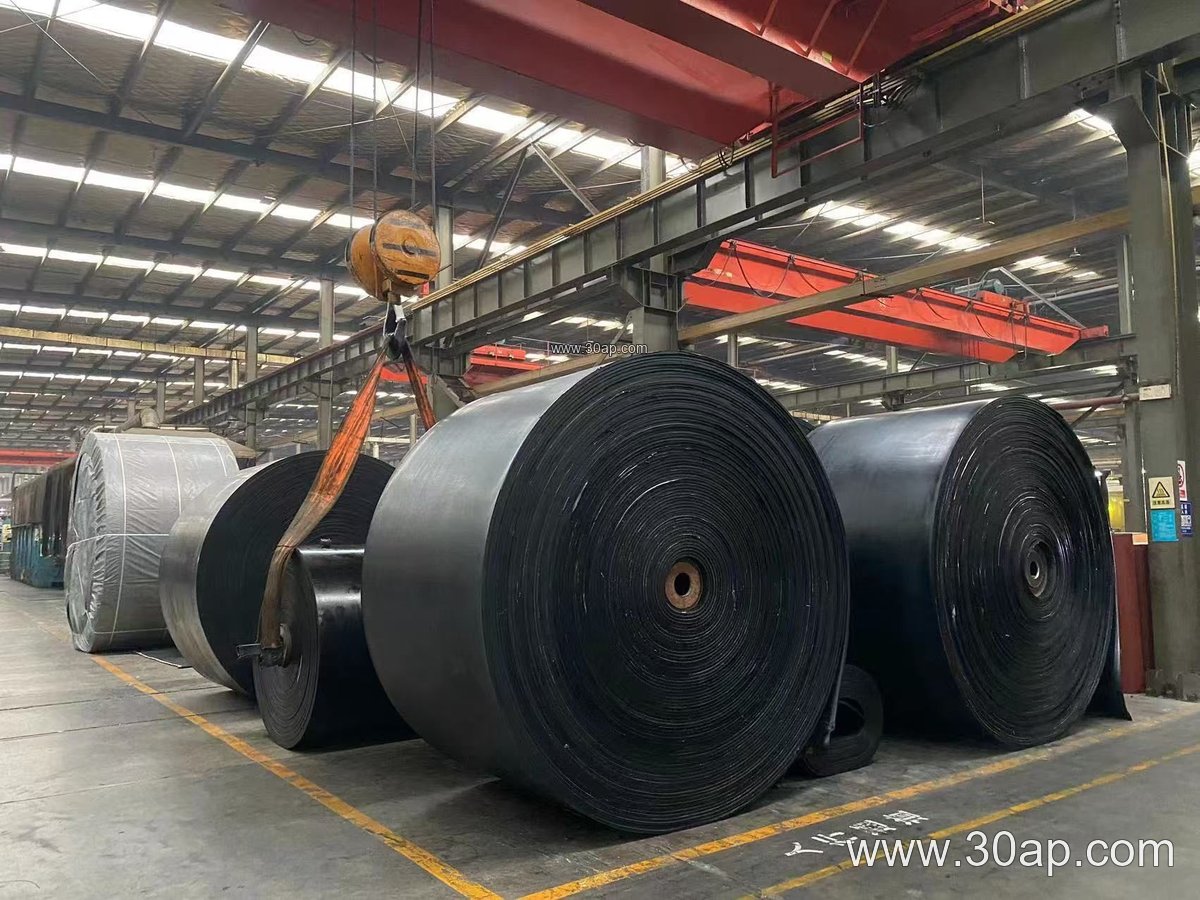
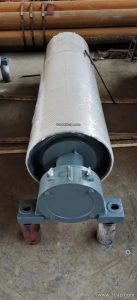
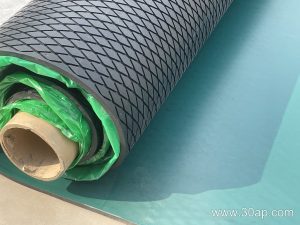
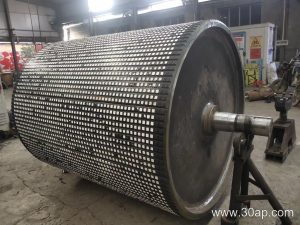
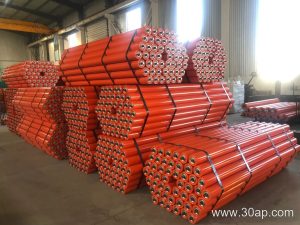
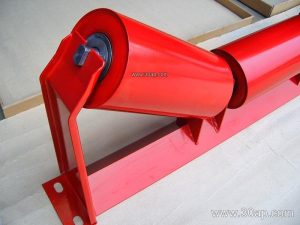
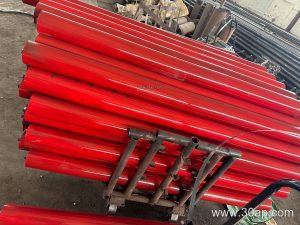
On the mechanical side, the belt works with the same hardware as any other fabric core conveyor belt: a drive pulley, a tail pulley, bend pulleys, carrying and return idler rollers, and conveyor brackets. Oil contamination often attacks rubber components beyond the belt itself, so return idlers and pulley lagging should be checked for compound compatibility at the same time.
Specification Points for Buyers
Before ordering, clarify the oil type and the exposure pattern. Mineral oil, diesel, hydraulic fluid, vegetable oil and solvent-based products behave differently, and a compound suited to one may swell in another. State whether contact is continuous, occasional spillage, or splash from a drive area. Also state the material temperature, since a heat resistant conveyor belt compound and an oil resistant compound are not interchangeable.
Other items worth agreeing in writing:
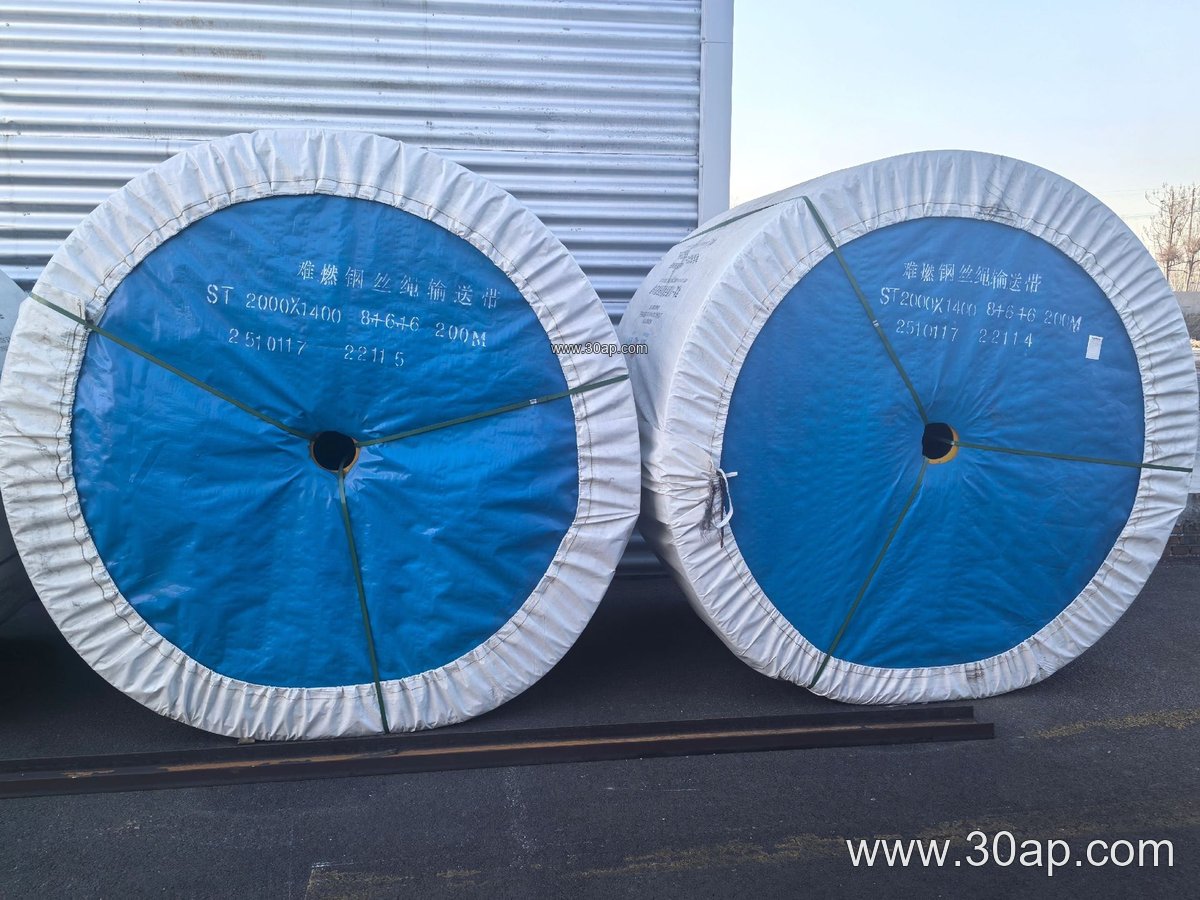
- Required tensile strength grade and number of plies
- Top and bottom cover thickness, and whether the pulley side also needs oil protection
- Belt width and overall length, plus whether an endless conveyor belt splice is required on site
- Flame retardant or anti-static properties if the line runs underground or in a dusty enclosure
- Edge condition and whether a chevron conveyor belt or corrugated sidewall profile is needed for incline control
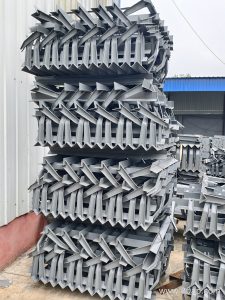
For inclined lines carrying oily lumps, a chevron conveyor belt or a skirted conveyor belt may be considered as a comparison, but the cover compound still has to be oil resistant; profile alone does not solve chemical attack.
Installation and Maintenance Notes
Keep the belt clean. Oil mixed with dust forms a sticky layer that builds up on the idler roller and pulley faces, causing mistracking and edge wear. Check that the belt is not over-tensioned after splicing, and inspect the cover for swelling, softening or small cracks near the loading point. Store spare rolls away from lubricants, solvents and direct sunlight. When replacing a belt, record the cover grade and ply count so the next order matches the original oil resistant specification rather than a general-purpose rubber conveyor belt.
Matching the belt to the actual oil exposure, rather than to a generic label, is the most reliable way to extend service life on greasy and solvent-laden conveying lines.