What a Conveyor Bracket Assembly Does
A conveyor bracket assembly is the steel framework that holds the idlers in position and keeps the belt profile stable along the whole run. In practice it is the interface between the conveyor structure and the rotating parts: the brackets carry the load of the belt and material, set the trough angle, and keep spacing consistent so the conveyor belt tracks without wandering. On a typical installation the same assembly family appears at the carrying side, the return side, and at transition points near pulleys.
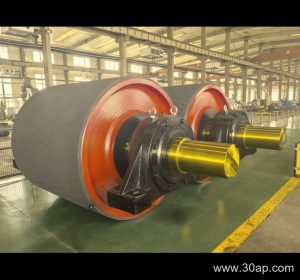
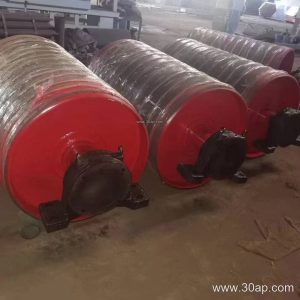
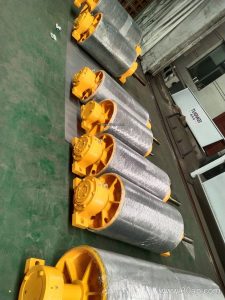
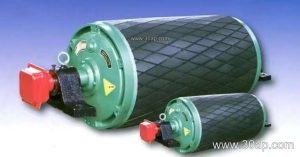
Buyers often meet this item under the equivalent name conveyor idler bracket assembly or idler support frame. Both describe the same product. The term should not be confused with the pulleys themselves; drive pulleys, tail pulleys and bend pulleys are separate components with different functions and are not interchangeable with brackets.
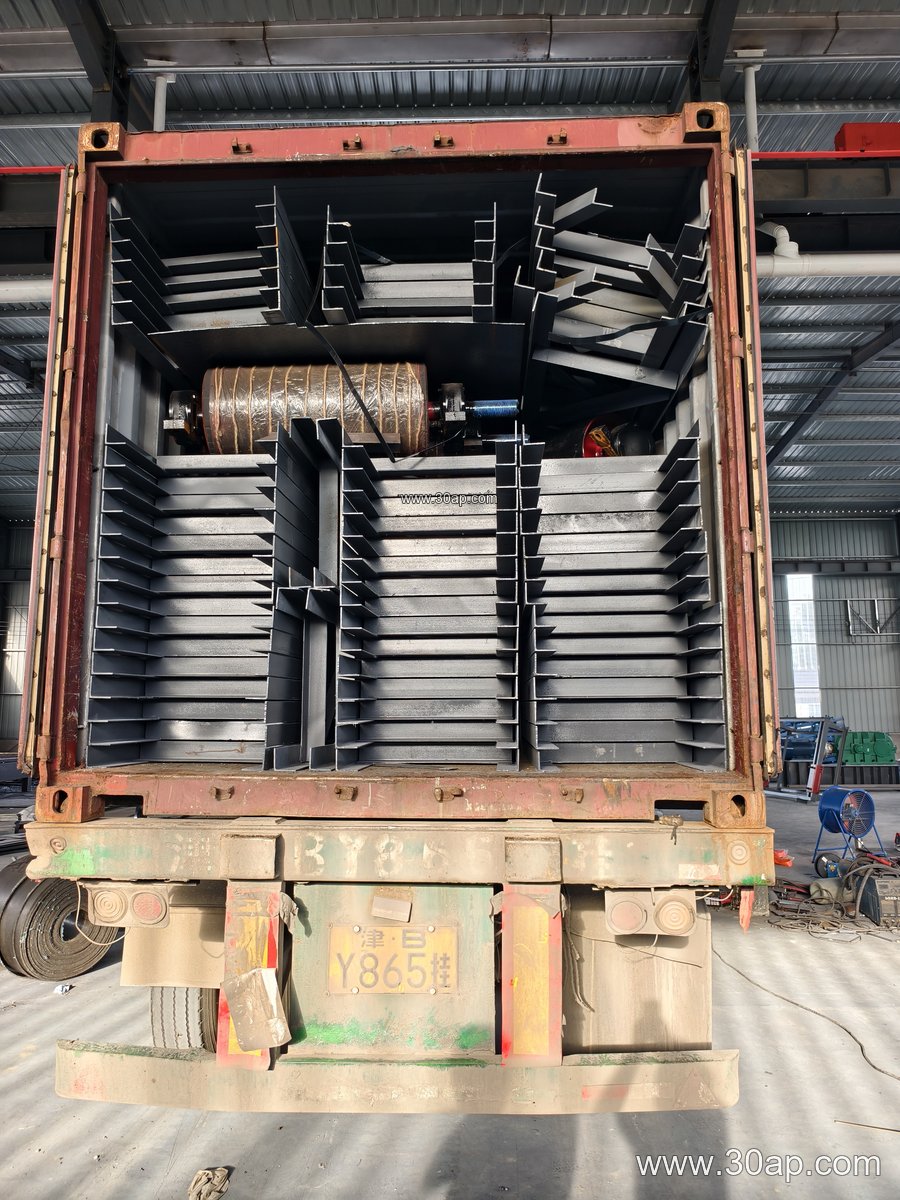
How the Assembly Is Built
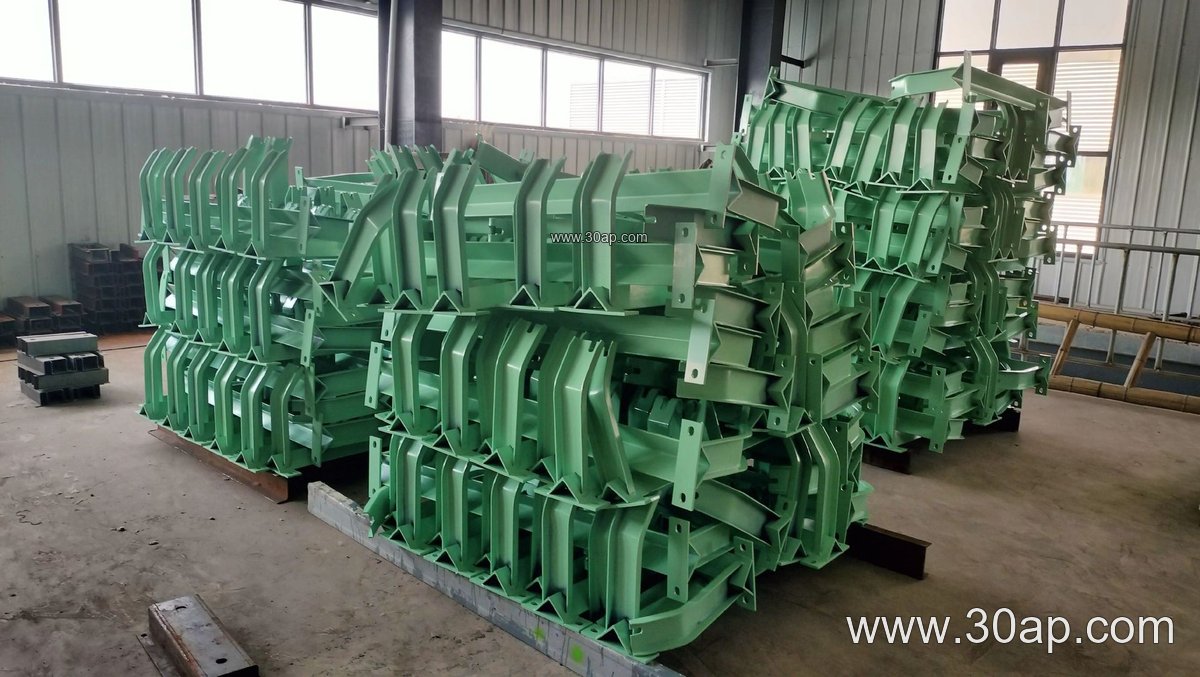
Most frames are fabricated from angle steel, channel steel, or folded steel plate, then drilled or punched for idler mounting. A complete assembly usually includes the cross beam, the support legs or mounting plates, the idler seats, and the fasteners. Welded joints should be straight and square, because a twisted frame tilts the idlers and shortens bearing life.
Common construction details include:
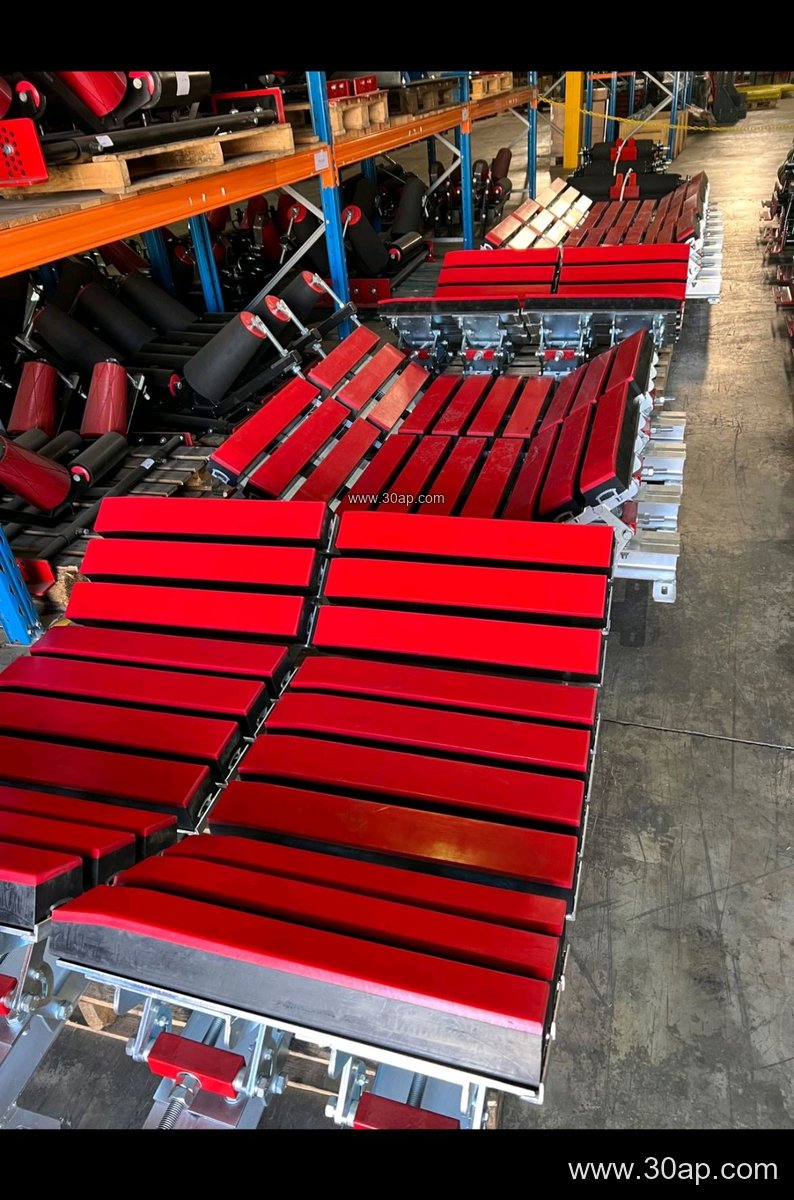
- Cross beams sized to the belt width and trough angle
- Slotted or multi-hole seats that allow small position adjustments
- Reinforced corners at heavily loaded carrying stations
- Hot-dip galvanized or painted finish for humid and dusty sites
Mounting hole spacing and beam length change with belt width and trough angle, so these dimensions are set by design rather than taken from a single fixed number.
Trough Angle and Roller Diameter Selection
The bracket geometry decides the trough angle, and the angle in turn affects how much material the belt can carry. Common trough angles are 20, 30, 35 and 45 degrees, with adjustable brackets able to move between these positions. A 35 degree frame is a frequent choice for bulk material, while 45 degrees suits fine, free-flowing loads. Forward-leaning idler seats, usually about 1.5 to 2 degrees, are used for belt training on long runs.
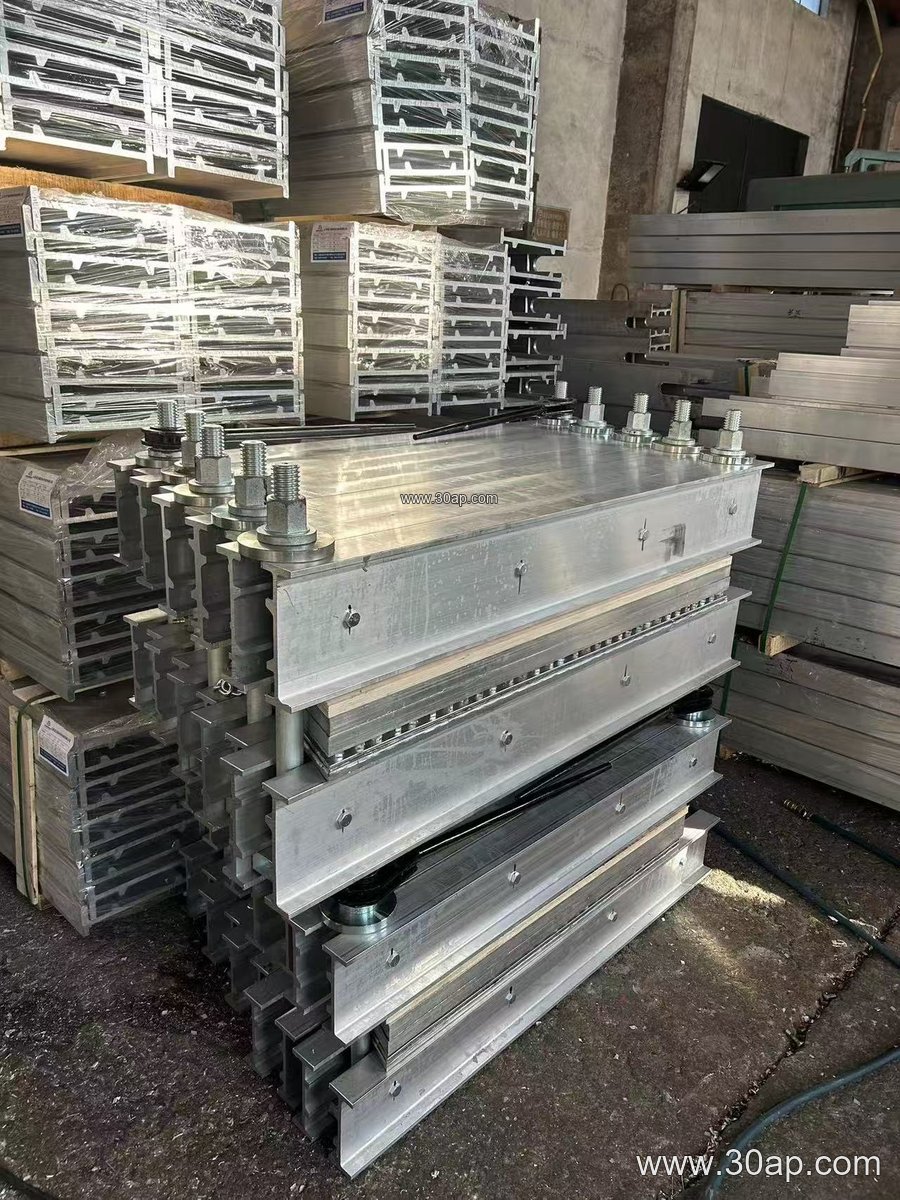
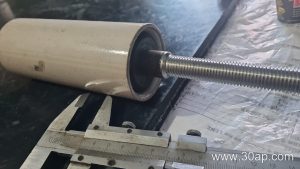
Roller diameter is matched to belt speed, load and available space. Typical diameters include Ø89, Ø108, Ø133, Ø159 and Ø194. Reference combinations such as B800 with 35 degrees and Ø108, or B1200 with 45 degrees and Ø133, show how the parts relate, but one belt width does not lock the user to one angle or one roller size.
| Belt Width | Common Trough Angle | Typical Roller Diameter |
|---|---|---|
| B500 | 20–30 degrees | Ø89 |
| B650 | 30 degrees | Ø89–Ø108 |
| B800 | 30–35 degrees | Ø108 |
| B1000 | 35 degrees | Ø108–Ø133 |
| B1200 | 35–45 degrees | Ø133 |
| B1400 | 35–45 degrees | Ø133–Ø159 |
| B1600 | 35–45 degrees | Ø159 |
Values above are reference data only; final selection follows the conveyor design and the actual duty.
Where These Assemblies Are Used
In a coal preparation plant, carrying-side bracket assemblies with 35 degree troughing keep raw coal centered before the belt reaches the transfer tower. In a cement plant, heavy-duty frames under clinker lines are paired with abrasion resistant conveyor belts and robust idler rollers to survive hot, gritty conditions. Similar frames appear in power plant coal handling, iron ore terminals, aggregate yards and fertilizer silos.
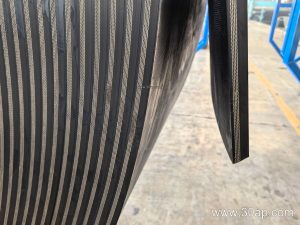
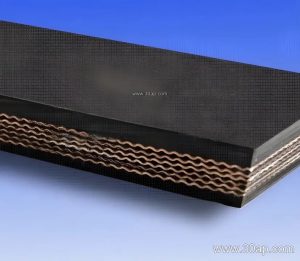
The belt itself may be an EP conveyor belt, a steel cord conveyor belt, or a flame retardant conveyor belt in underground work, but the bracket only has to match the belt width, load and environment. Correct alignment between frame, idler and belt is what keeps the whole line efficient.
Buyer Checklist
- Confirm belt width, trough angle and roller diameter before ordering.
- Ask whether the frame is fixed or adjustable, and how much adjustment is provided.
- Check material thickness and finish against the site environment.
- Verify hole spacing against the idlers actually being installed.
- For replacement work, measure the existing cross beam and mounting centers on site.
A well-chosen conveyor bracket assembly is a low-cost part that protects far more expensive components, including the conveyor belt, the idler roller set and the conveyor pulley. Getting the frame right at the start avoids misalignment, spillage and premature wear later.