What a Ship Loading Conveyor Belt Does
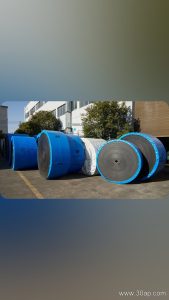
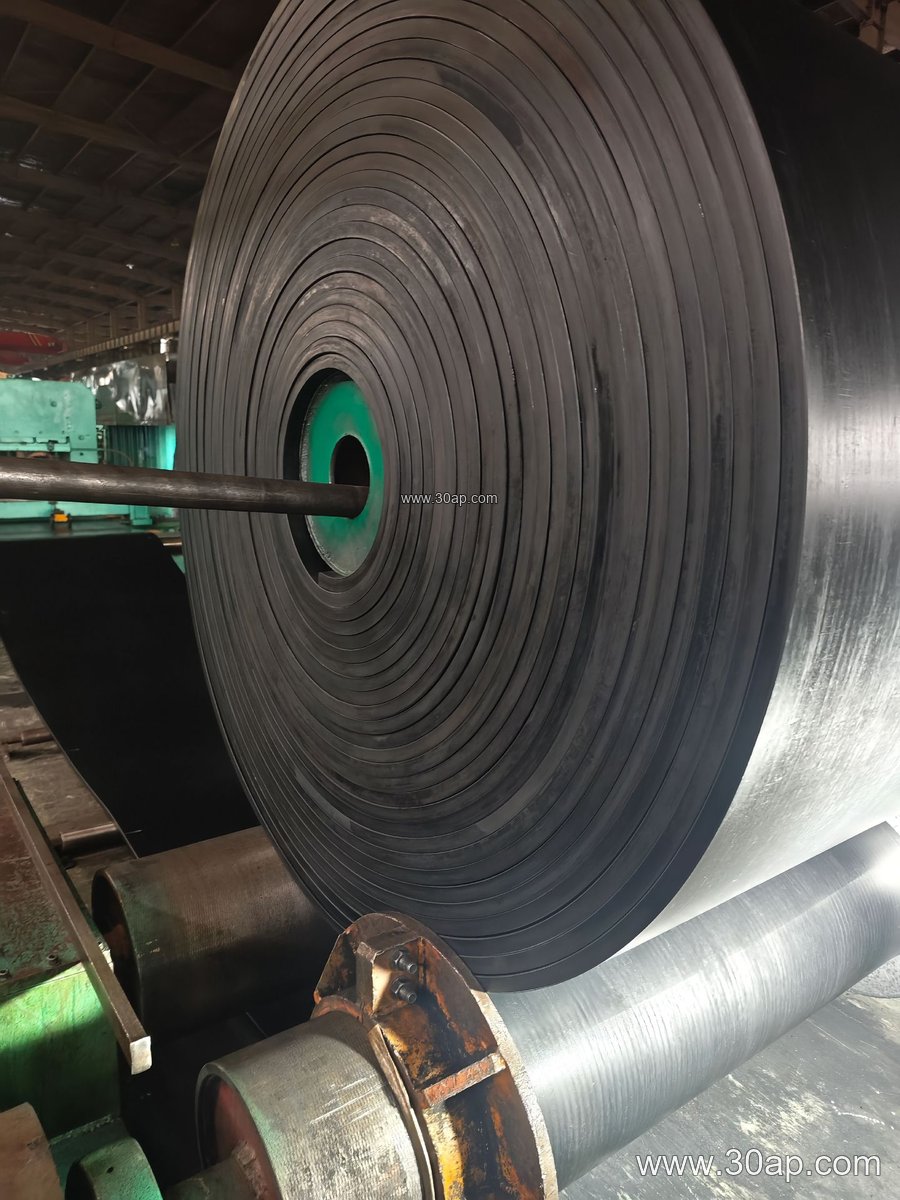
A ship loading conveyor belt is the heavy-duty carrying surface on a shiploader or port loading line, moving bulk cargo from the quay or stockyard to the vessel hold. Coal, iron ore, cement clinker, sand and gravel, fertilizer and grain all pass over this belt at high tonnage rates, often across long booms and variable angles. Because the belt is the single continuous element between the receiving point and the ship, its construction has to suit both the material and the loading geometry.
In a port, the shiploader usually combines a yard conveyor, a transfer tower, a boom conveyor and a trimming chute. The belt on each section may differ, but the boom section carries the most demanding duty because it must stay stable on an inclined or luffing structure. For an overview of matching belts to conveyors, see https://www.jsconveyorbelt.com/ship-loading-conveyor-belt/ and the related guides on this site.
Construction and Key Components
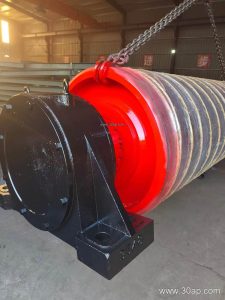
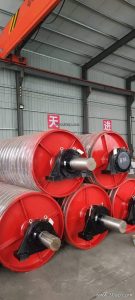
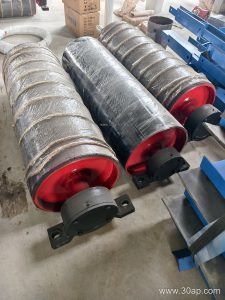
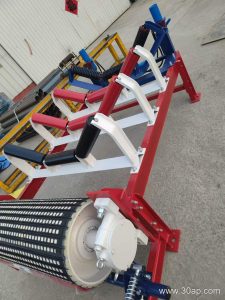
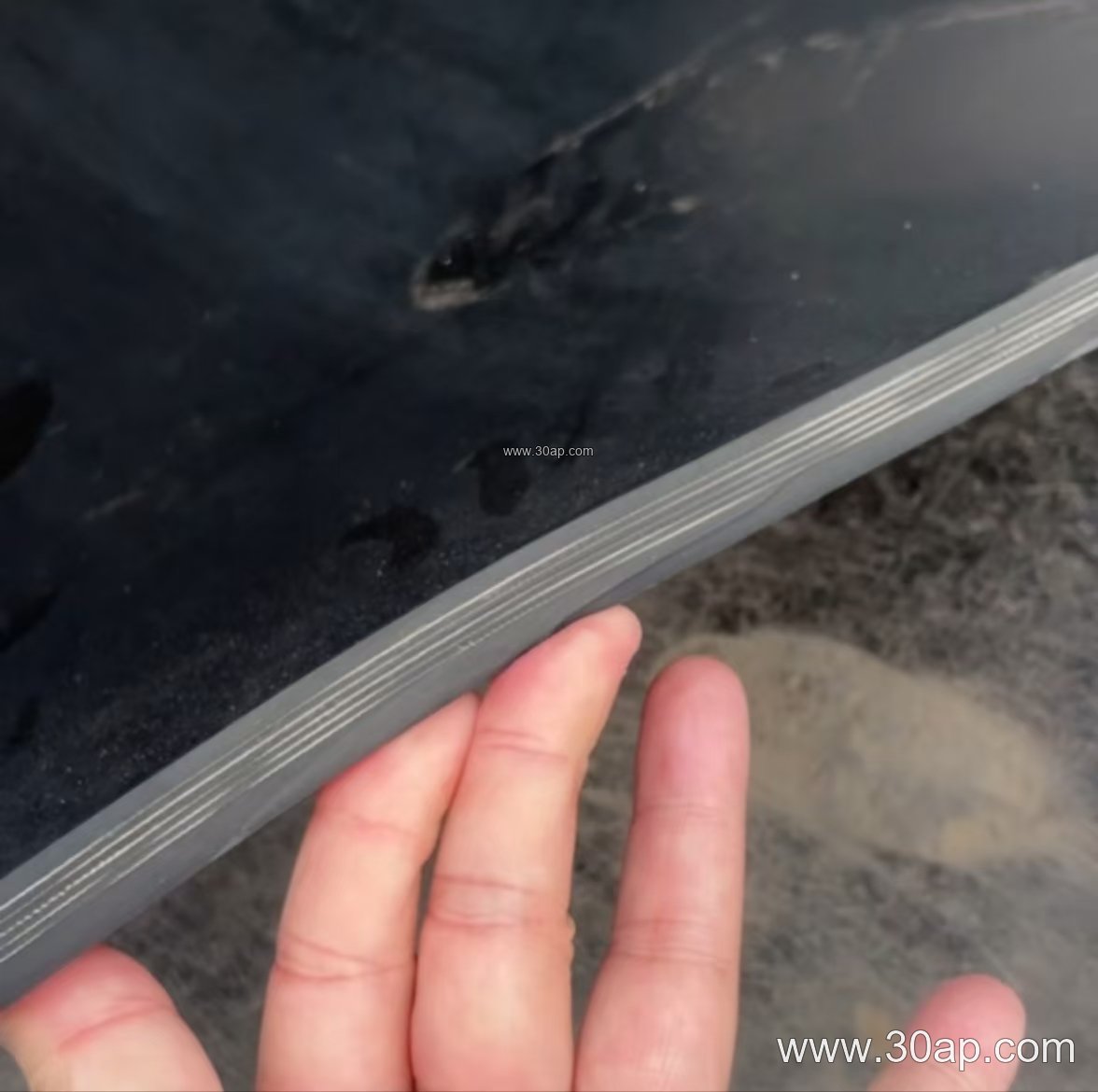
The belt itself is a composite: a fabric or steel cord carcass, top and bottom rubber covers, and edge protection. Around it sit the drive pulley, tail pulley and bend pulleys, each with a distinct role. The drive pulley transmits torque, the tail pulley tensions and returns the belt, and bend pulleys redirect the path around the boom and transfer points. These are not interchangeable parts and should be specified by their function, not by a generic pulley label.
- Idler rollers support the belt on the carrying and return sides and influence belt sag and tracking.
- Conveyor pulleys are sized by load, wrap angle and belt tension, not by belt width alone.
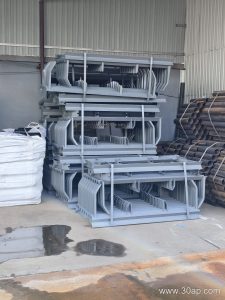
- Conveyor brackets and frames hold idlers and pulleys in alignment along the boom.
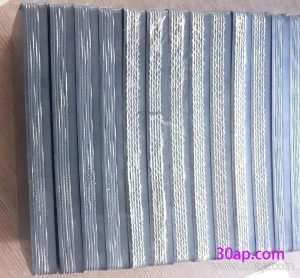
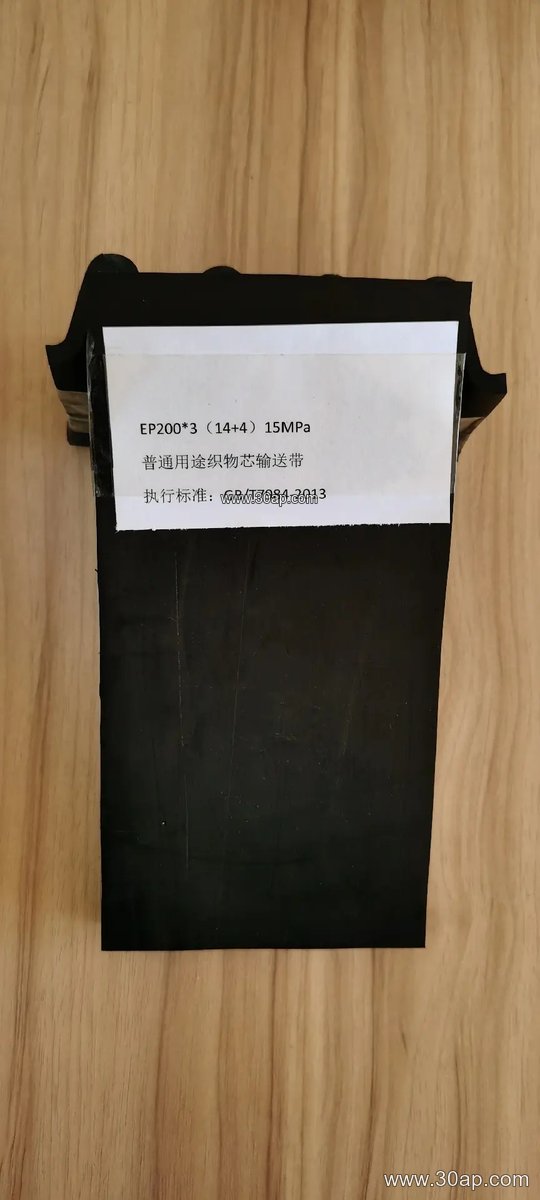
Common carcass options include EP conveyor belt, NN conveyor belt and steel cord conveyor belt. A multi-ply fabric core conveyor belt is typical for medium-duty boom sections, while steel cord designs suit long, high-tension shiploaders. Cover grade matters as much as carcass: an abrasion resistant conveyor belt for ore and clinker, a heat resistant conveyor belt for hot sinter or cement, and a flame retardant conveyor belt where fire safety rules apply.
Typical Specifications
Values below are common reference ranges. Final figures are confirmed by design for each shiploader.
| Parameter | Typical range |
|---|---|
| Belt width | B800, B1000, B1200, B1400, B1600, B1800, B2000 |
| Fabric strength grades | EP200, EP315, EP400, EP500, EP630, EP800, EP1000, EP1250 |
| Steel cord grades | ST1000, ST1250, ST1600, ST2000 |
| Cover thickness | 4+2 mm, 5+2 mm, 6+2 mm, 8+3 mm |
| Carcass plies | 2 to 6 layers for fabric cores |
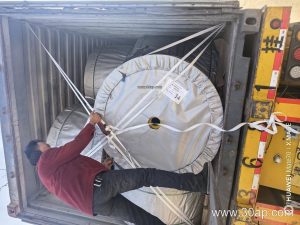
For shuttle or reversible boom belts, an endless conveyor belt spliced on site reduces joint risk. Where the boom telescopes or bends sharply, a corrugated sidewall conveyor belt or skirted conveyor belt can contain material at the edges.
Where It Is Used
Ship loading belts appear in ports, power plant coal terminals, cement plants, iron ore and copper ore export facilities, and quarry aggregate operations. A coal mining conveyor belt may feed a barge loader, while a quarry conveyor belt handles crushed stone at a jetty. In cold climates, a cold resistant conveyor belt keeps covers flexible; in dusty coal service, an anti-static conveyor belt helps control static build-up.
The same belt family also serves stockyard and yard conveyors, so buyers often standardize on one carcass type across a terminal. Our page at https://www.jsconveyorbelt.com/conveyor-belt/ explains how belt grade, cover and width are matched to throughput and material lump size.
Buyer Checklist
- Confirm the actual belt tension and pulley load rather than selecting by width alone.
- Match cover compound to cargo: abrasive, hot, oily, or chemically active.
- Decide splice type, and whether an endless belt is required for the boom.
- Check idler roller spacing, pulley diameters and bracket alignment for the boom structure.
- Review tracking, cleaning and take-up provisions before commissioning.
A well-chosen ship loading conveyor belt keeps loading rates steady and reduces downtime at the berth. Buyers who define the duty clearly, and who treat drive, tail and bend pulleys as separate engineered items, usually get a smoother installation and longer service life. More selection notes are available at https://www.jsconveyorbelt.com/conveyor-pulley/ for pulley pairing and at https://www.jsconveyorbelt.com/idler-roller/ for idler layout.