What a Multi-Ply Fabric Core Conveyor Belt Is
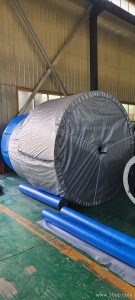
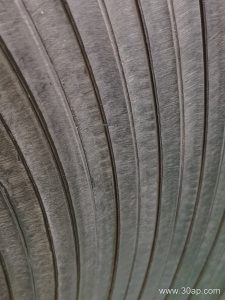
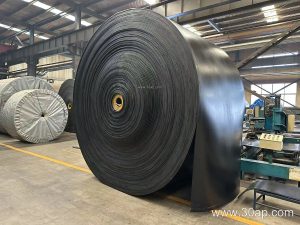
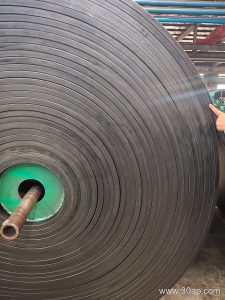
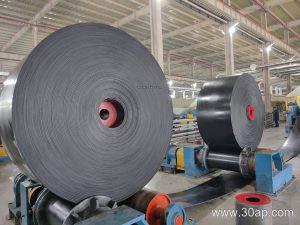
A Multi-Ply Fabric Core Conveyor Belt is a rubber conveyor belt built around two or more layers of woven fabric, usually polyester-nylon (EP) or nylon-nylon (NN). The fabric plies carry the tension load, while top and bottom rubber covers protect the carcass from abrasion, moisture, heat, oil, and impact. In many plants this product is simply called a fabric core conveyor belt or a multi-ply belt, and it remains a practical choice for bulk material transport where a steel cord belt would be heavier and less flexible.
The ply count is a design decision, not a marketing number. Common constructions run from 2 plies to 6 plies. More plies generally raise tensile strength and puncture resistance, but they also add weight and reduce troughing flexibility. A buyer should match ply count and fabric grade to the actual duty, not to the highest available figure.
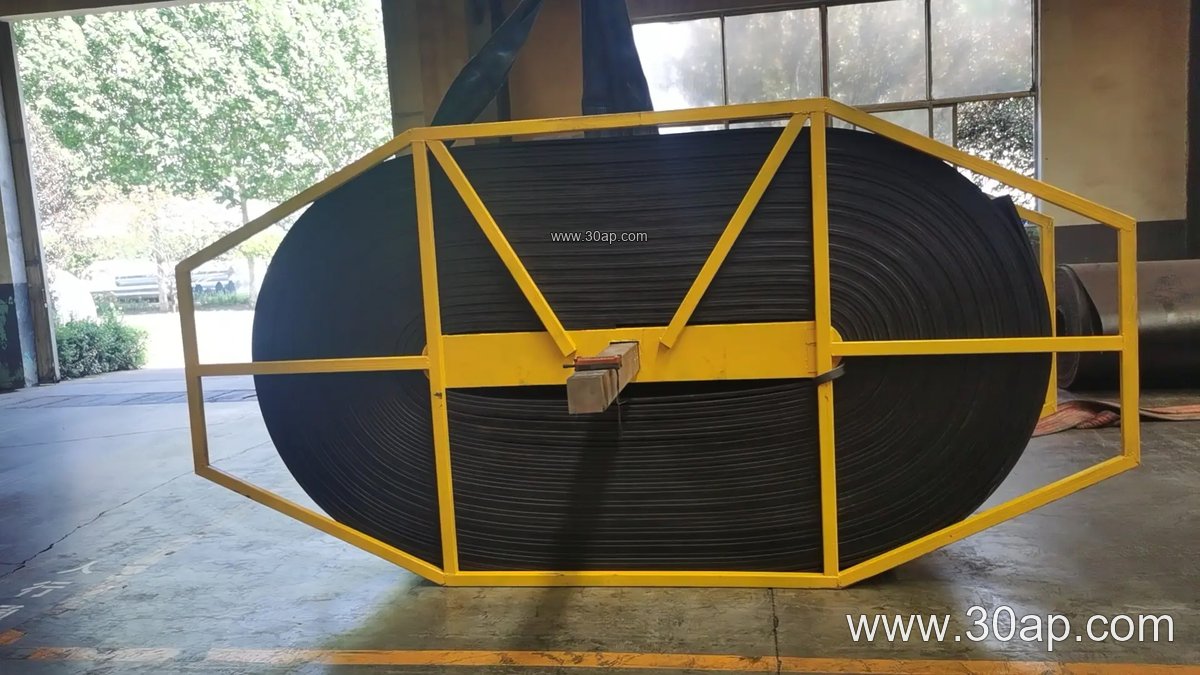
How the Belt Is Built
The carcass plies are bonded with rubber friction and skim coats, then consolidated under heat and pressure. The cover compounds are chosen for the working environment. An abrasion resistant conveyor belt might use a tougher top cover in a quarry or crusher line, while a heat resistant conveyor belt uses compounds suited to hot clinker, sinter, or cement. A flame retardant conveyor belt is often specified for coal mining conveyor systems and other enclosed or hazardous areas.
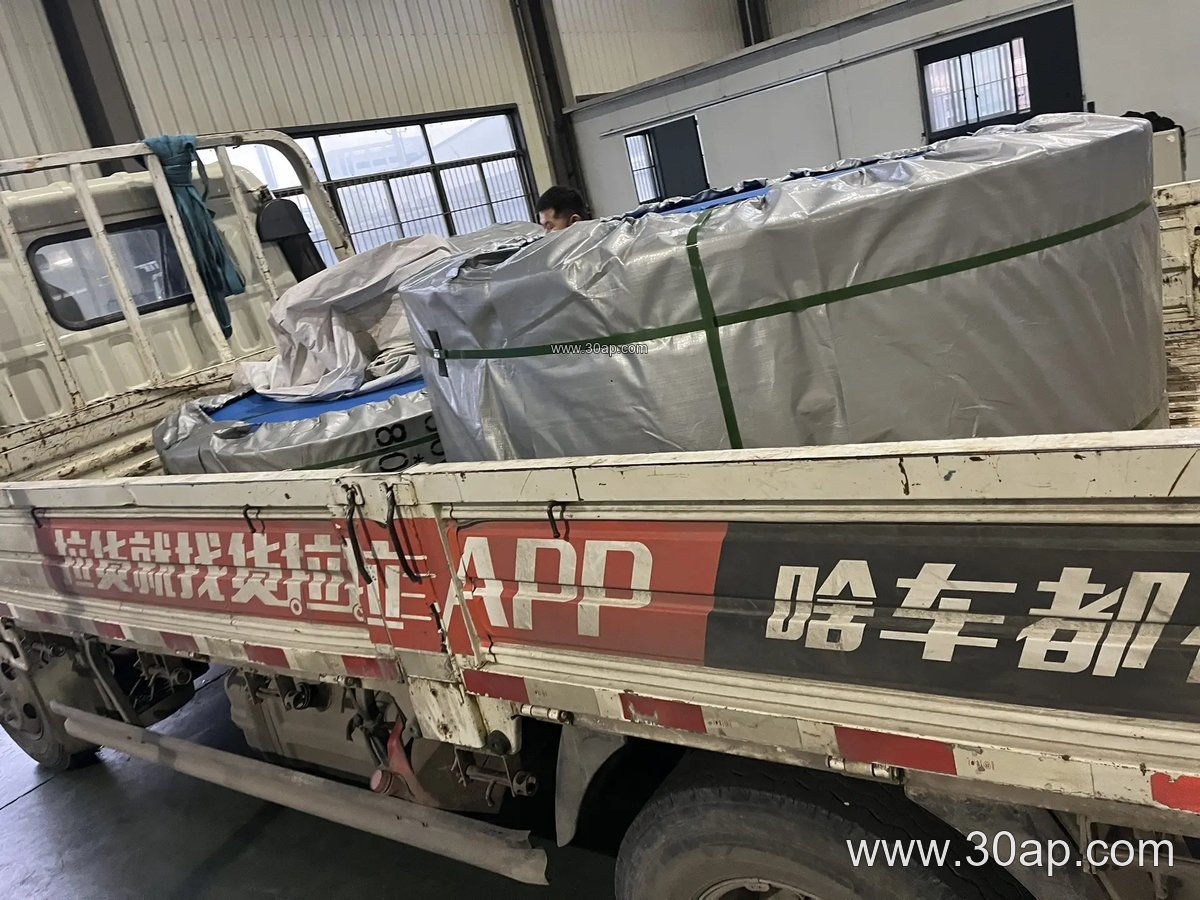
Typical reference data for fabric core belts looks like this, though values vary by manufacturer and should be confirmed against a design calculation:
- Fabric grades: EP200, EP315, EP400, EP500, EP630, EP800, EP1000, EP1250
- Belt widths: B500, B650, B800, B1000, B1200, B1400, B1600, B1800
- Cover thickness examples: 3+1.5 mm, 4+2 mm, 5+2 mm, 6+2 mm, 8+3 mm
- Carcass: commonly 2 to 6 plies
These are common reference values. Belt width and pulley diameter are matched by conveyor design, not by a fixed rule, so a 1200 mm belt can run on different pulley sizes depending on tension, wrap angle, and space.
Where It Fits in the Plant
Multi-ply fabric belts appear across mining, cement, power, steel, port, and aggregate operations. A quarry conveyor belt or aggregate conveyor belt often uses EP fabric construction for moderate tension and good troughing. In a cement plant, a heat resistant conveyor belt may move clinker, while a separate multi-ply belt handles limestone or raw meal. Coal mining conveyor belts may need flame retardant and anti-static properties, and underground coal mining conveyor belts face stricter fire safety requirements.
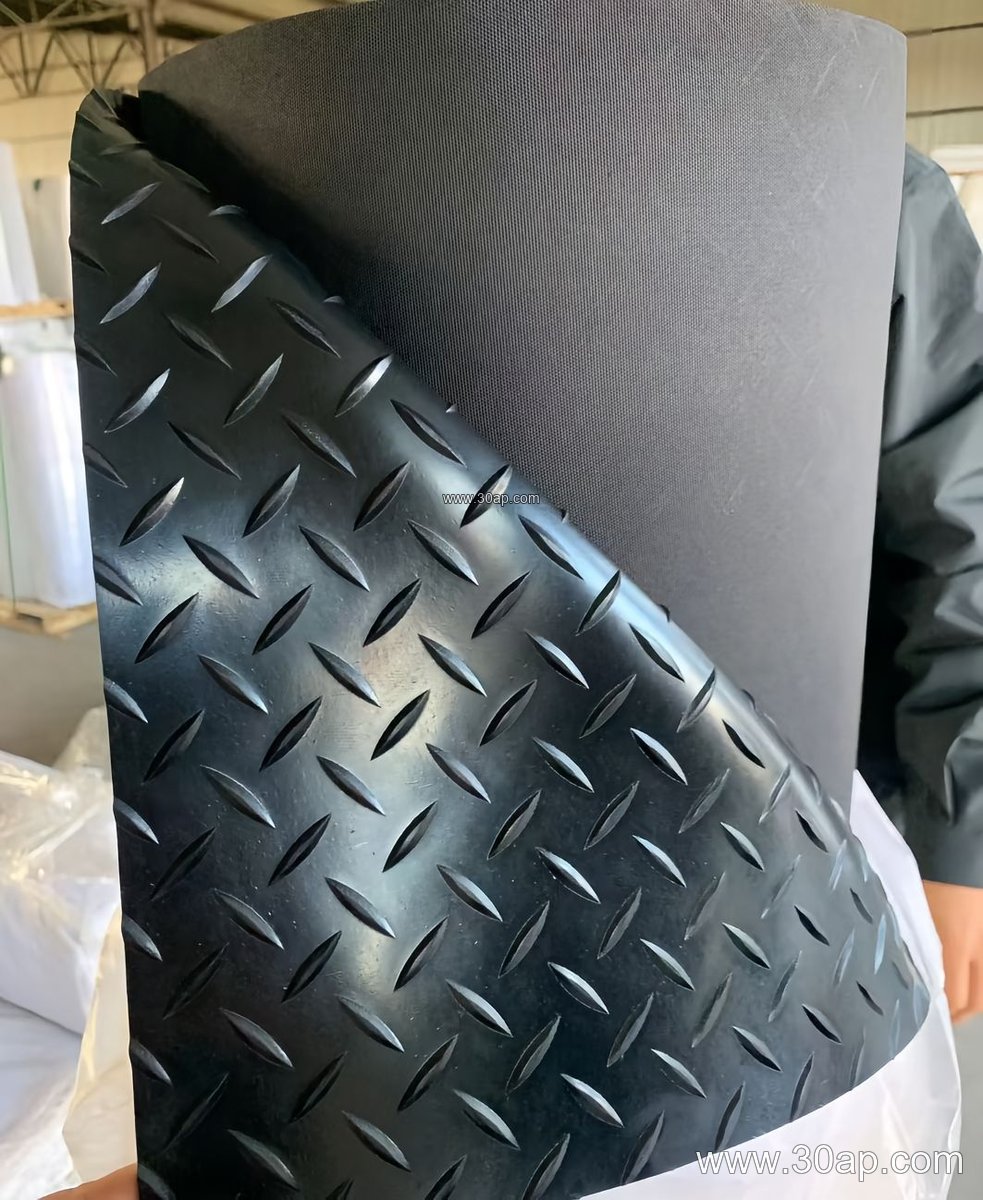
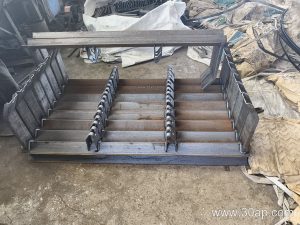
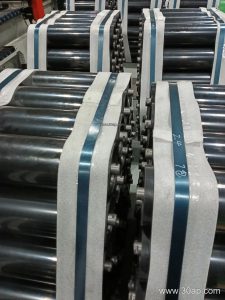
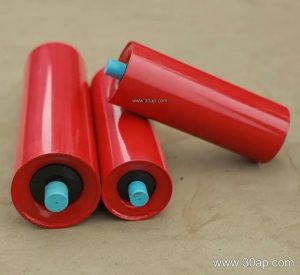
The belt works with conveyor pulleys, idler rollers, and conveyor brackets. Drive pulleys, tail pulleys, and bend pulleys each do a different job, and the belt must be checked against all of them during installation. A worn idler roller or misaligned conveyor bracket can shorten belt life faster than many operators expect.
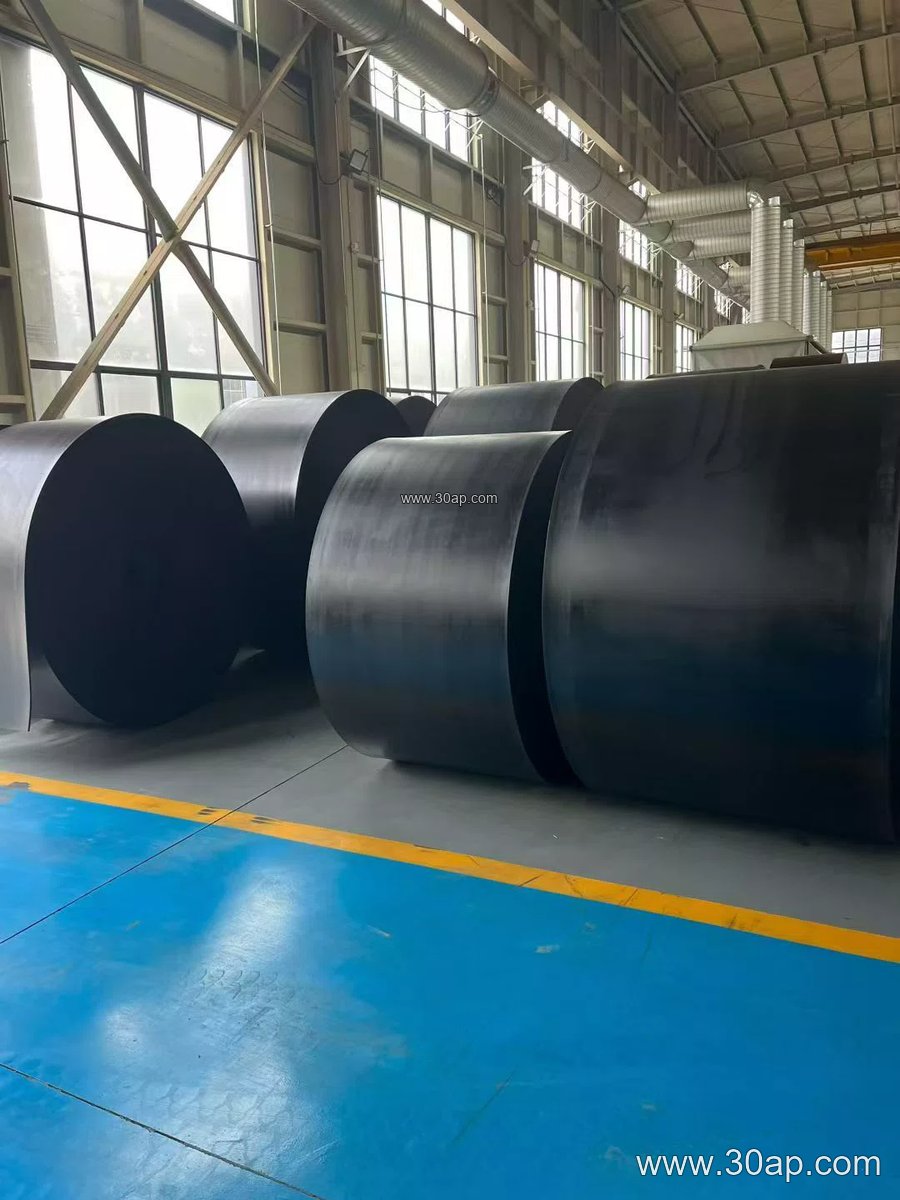
Selecting the Right Construction
Start with the material, tonnage, and tension. A heavy-duty mining conveyor belt moving coarse rock may need a higher EP grade and thicker covers, while a lighter bulk material conveyor belt can use a lower ply count. Consider the environment as well: an oil resistant conveyor belt for oily scrap, a cold resistant conveyor belt for winter operation, or an acid resistant conveyor belt for chemical exposure.
Surface form matters too. A chevron conveyor belt or corrugated sidewall conveyor belt solves slope and spillage problems, but these are different subtypes. For the main subject here, keep the specification on multi-ply fabric core construction and choose covers and ply count to suit the duty.
Buyer Checklist
- Confirm fabric type and grade, such as EP Conveyor Belt or NN Conveyor Belt construction
- State belt width, ply count, and cover thickness for each position
- Describe the material, temperature, oil exposure, and fire risk
- Check pulley sizes and idler roller condition before ordering
- Ask for a splice and installation recommendation
For more conveyor belt, idler roller, and conveyor pulley guidance, visit example-domain.com and review the technical pages before finalizing a specification.