What an 800mm Drive Pulley Does
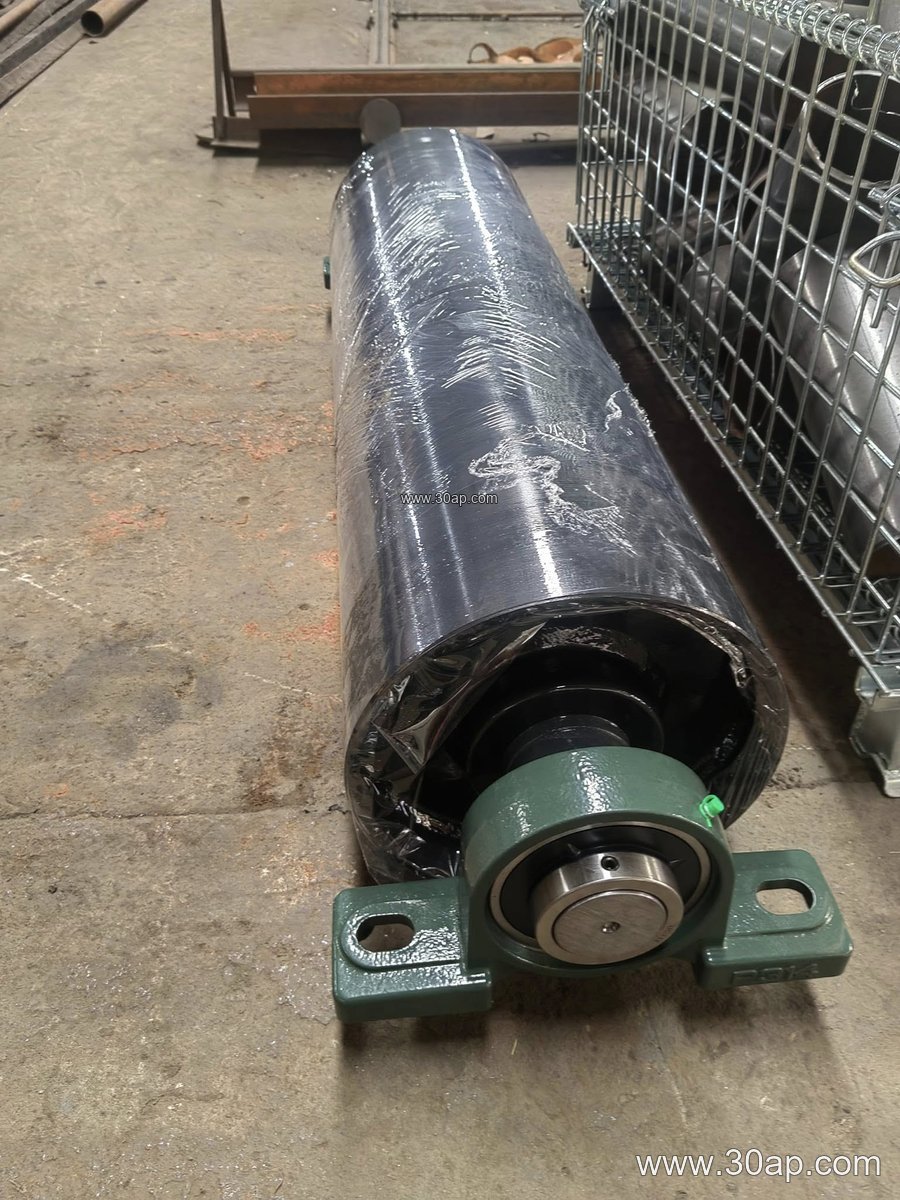
An 800mm drive pulley is a head pulley with a nominal diameter of 800 mm. It transmits power from the gearbox or motor to the conveyor belt, creating the friction needed to move material along the line. In a typical conveyor, this pulley sits at the discharge end, either as a plain head pulley or as an 800mm drive pulley with lagging. Its job is to keep the belt tracking, tensioned, and moving without slip, whether the conveyor is carrying crushed rock at a quarry or coal at a power plant.
Construction and Surface Options
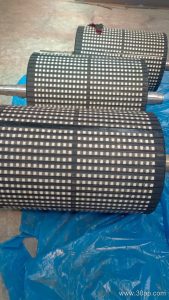
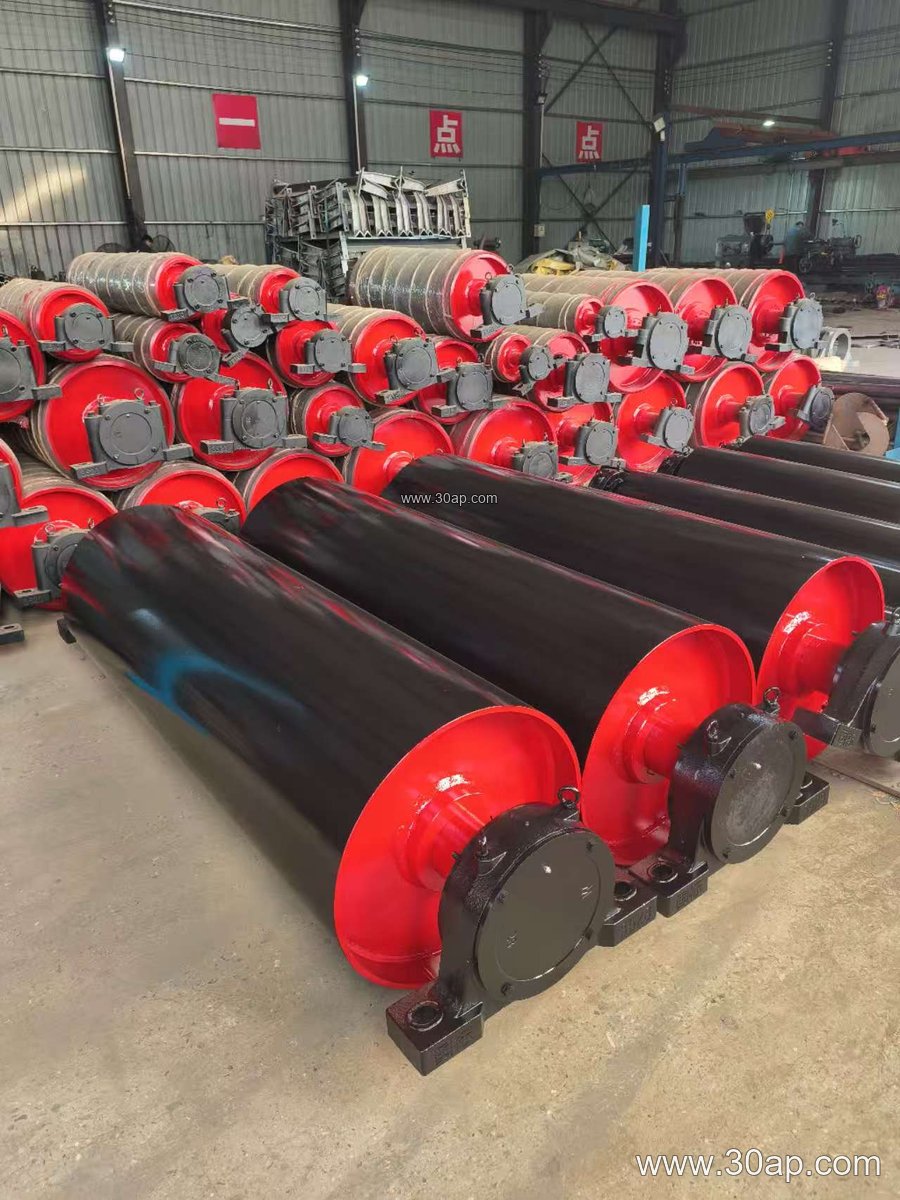
These pulleys are built around a steel drum with welded end discs and a shaft sized to the torque and load of the drive. Common surface forms include plain, cast rubber, cold-bonded rubber, hot-vulcanized rubber, diamond lagging, herringbone lagging, and ceramic lagging. Lagging thickness is often 8, 10, 12, 15, or 20 mm, chosen to balance grip and wear life. The pulley face width is usually slightly wider than the belt; for an 800mm drive pulley matched to a B800 belt, the face is commonly around 950 mm, but final dimensions are set by design.
Where It Fits in the Line
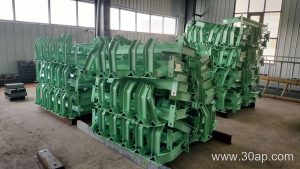
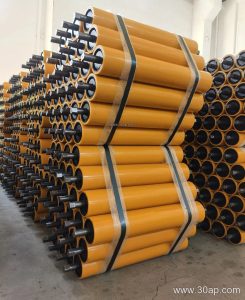
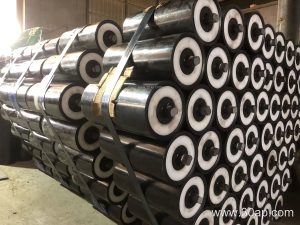
Drive pulleys are not the same as tail or bend pulleys. The tail pulley returns the belt at the loading end, while a bend pulley changes belt direction without driving. An 800mm drive pulley is often found in aggregate plants, cement works, and iron ore operations where the belt width and load call for a robust head drive. It works with idler rollers, conveyor brackets, and the belt itself to maintain alignment. In dusty or wet conditions, lagging and proper crown help prevent slippage.
Matching Belt and Pulley
Belt width does not dictate a single pulley diameter. An 800mm drive pulley can run with an 800mm wide conveyor belt, but also with other widths depending on the conveyor design. The table below shows common reference values, not fixed rules.
| Belt Width (mm) | Typical Pulley Face (mm) | Common Diameter Range (mm) |
|---|---|---|
| B650 | 750 | Ø500–Ø800 |
| B800 | 950 | Ø500–Ø1000 |
| B1000 | 1150 | Ø630–Ø1250 |
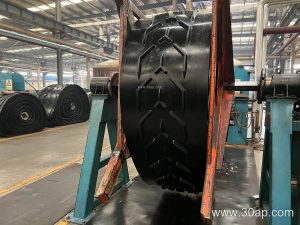
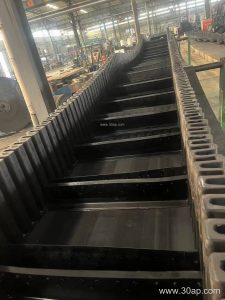
Shaft diameter is determined by torque and bearing load, not by belt width alone. Typical shaft sizes range from Ø80 to Ø200 for this class of pulley, but an engineer should confirm the actual size. When selecting, consider the belt type: a heavy-duty mining conveyor belt or steel cord conveyor belt may require more starting torque, while a fabric core conveyor belt or EP conveyor belt may need different lagging for grip.
Buyer Checklist
- Confirm the actual belt width and pulley face width, not just the nominal 800 mm diameter.
- Specify lagging type and thickness for the environment—abrasion resistant, flame retardant, or oil resistant as needed.
- Check shaft size, keyway, and bearing fit against the drive design.
- Ask for dynamic balancing for high-speed or heavy-load drives.
- Plan maintenance: inspect lagging wear and belt tracking regularly.
For more on conveyor components, visit conveyor pulley and conveyor belt resources. Related equipment such as idler rollers and conveyor brackets should be matched to the same duty level. An 800mm drive pulley is a key part of the drive station, and getting the details right pays off in uptime.