What a Conveyor Pulley Does on a Belt Conveyor
A conveyor pulley is the cylindrical rotating component that drives, tensions, or redirects the belt on a bulk handling conveyor. In a quarry, limestone mine, or cement plant, the pulley is where the motor’s torque meets the belt, so its construction and surface condition directly affect traction, belt life, and uptime. The same component is often called a conveyor drum or belt pulley, and buyers may see all three names used interchangeably for the same part.
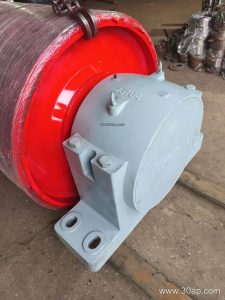
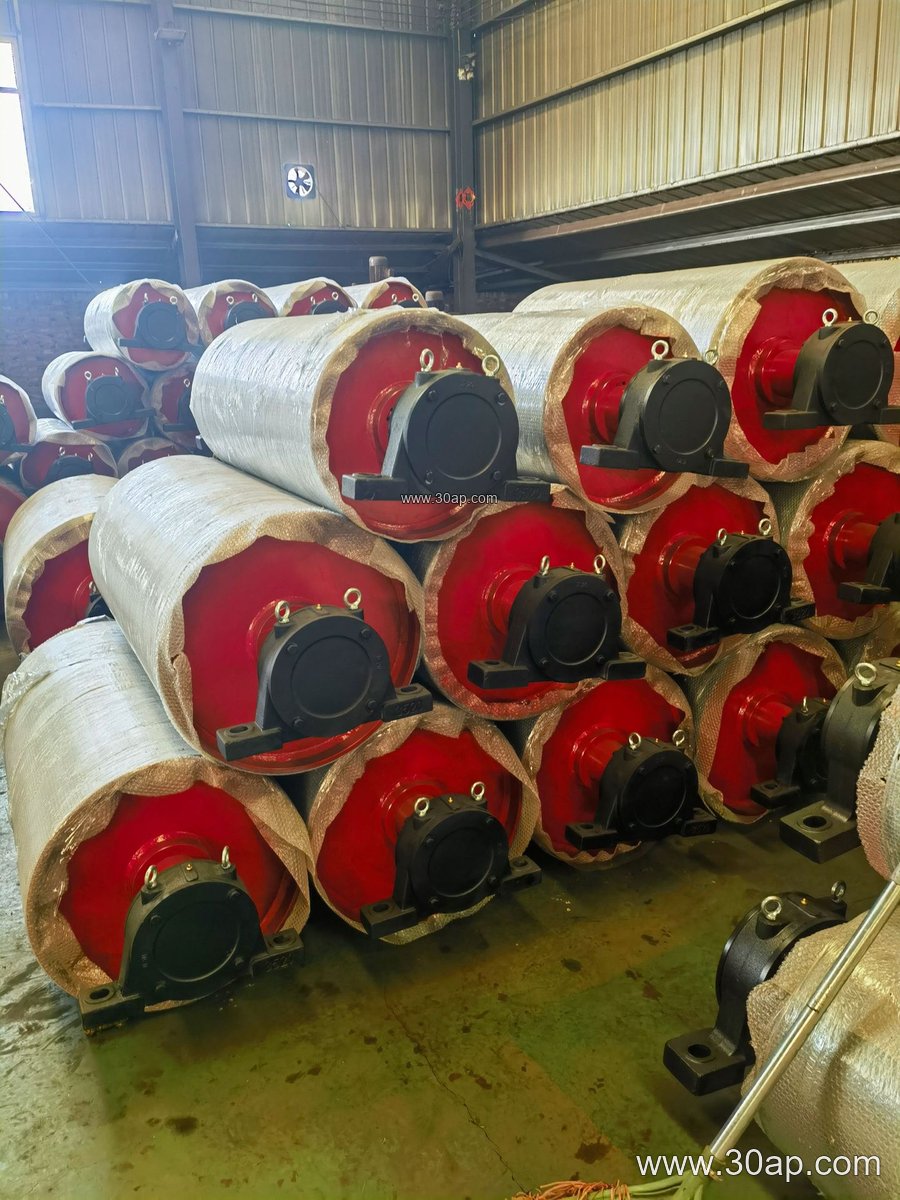
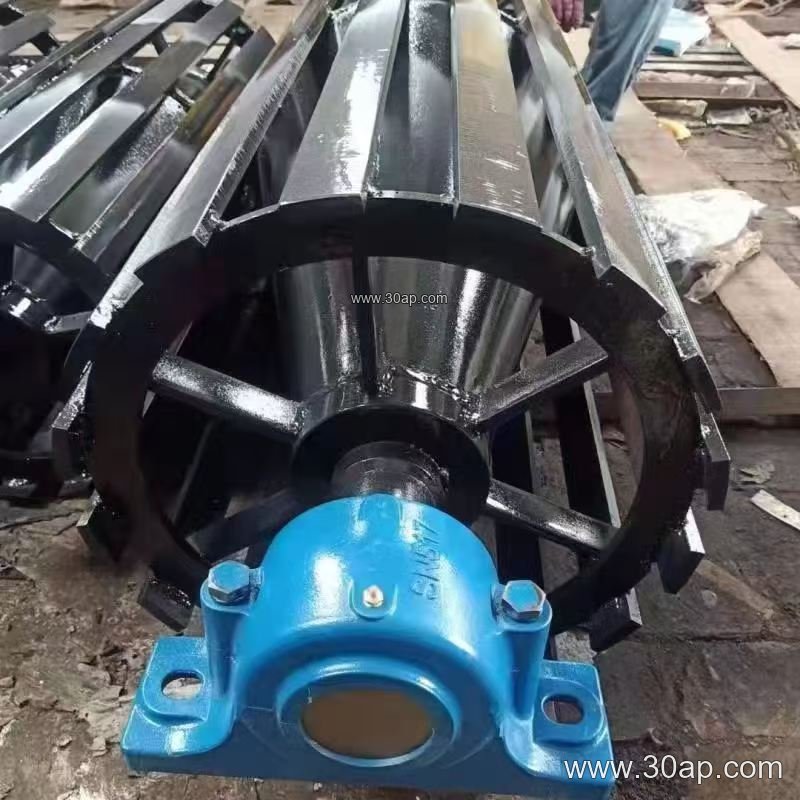
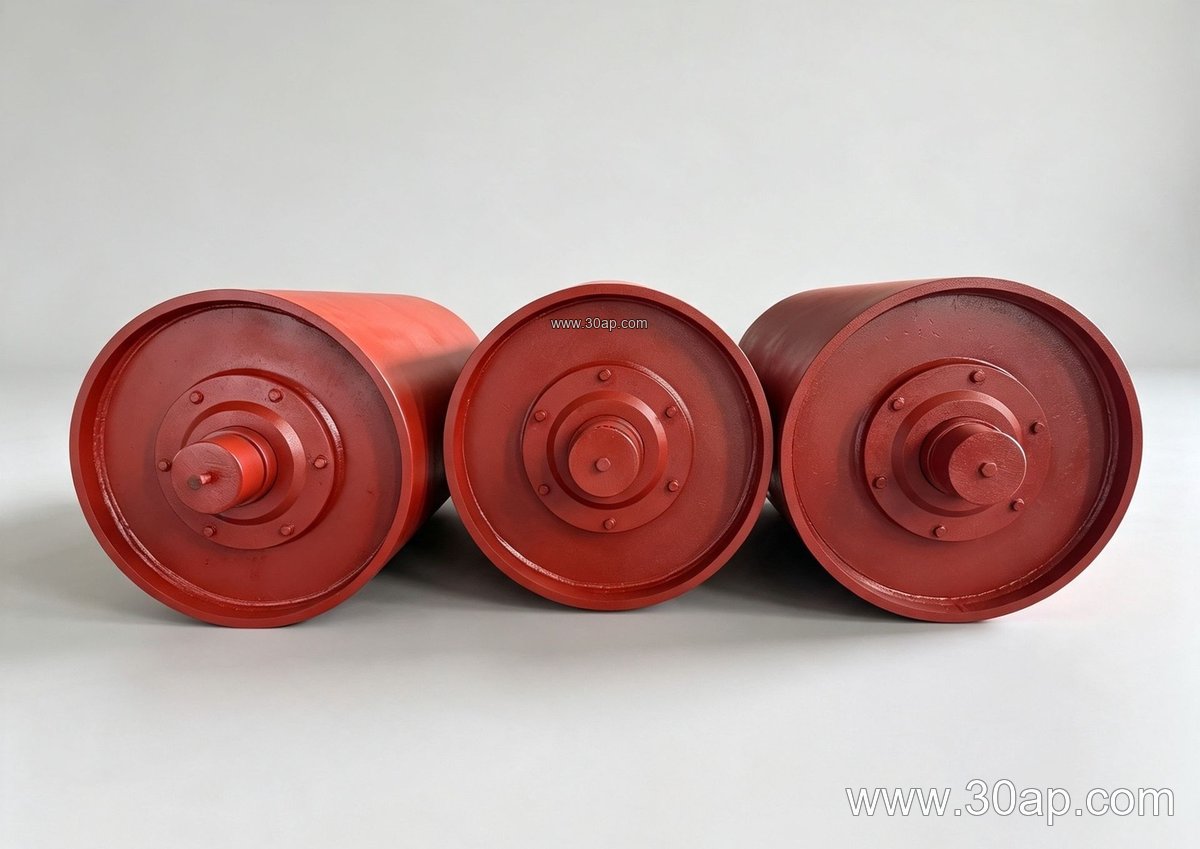
Every pulley assembly includes a shell, end discs, a shaft, hub locking elements, and bearings mounted in a conveyor bracket or frame. The shell transfers load between the shaft and the belt, so wall thickness, weld quality, and shaft diameter matter more than appearance. Shaft size is determined by torque and radial load, not by belt width alone, so a B800 conveyor might use different shaft diameters on its drive and tail positions.
Drive, Tail, and Bend Positions Are Not Interchangeable
The drive pulley, also called the head pulley, delivers power to the belt and usually carries the highest torque. The tail pulley at the loading end tensions and returns the belt. A bend pulley changes belt direction without driving or tensioning, so it is a different duty class. Treating these positions as one generic item leads to under-specified shafts or the wrong lagging, so buyers should name the position on every enquiry.
Other positions include take-up pulleys in tensioning systems, snub pulleys that increase wrap angle on the drive, and wing pulleys used at the tail to shed sticky material. Electric drum motors combine the drive and the pulley in one unit for compact layouts. Each position has its own load profile, bearing arrangement, and surface requirement.
Surface Options and Belt Grip
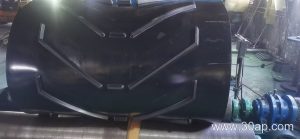
Bare steel shells are common on bend and tail positions. Drive pulleys usually need lagging to raise friction. Rubber lagging can be applied cold or hot vulcanized, and ceramic lagging suits wet or oily conditions. Diamond and herringbone grooves improve water shedding on high-speed belts. Common lagging thicknesses are 8, 10, 12, 15, and 20 mm, chosen by tension and slip risk.
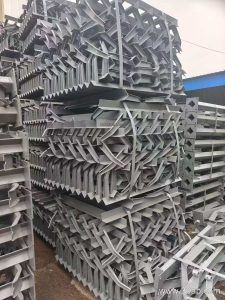
Surface choice should follow the belt and the material. On a conveyor moving wet aggregate, a grooved rubber surface may help; in a cement plant handling hot clinker, heat-resistant lagging is relevant. The pulley must also match the belt: a conveyor pulley works alongside the conveyor belt, idler roller, and conveyor bracket, and misalignment between them causes edge wear and tracking problems.
Common Sizes and Reference Dimensions
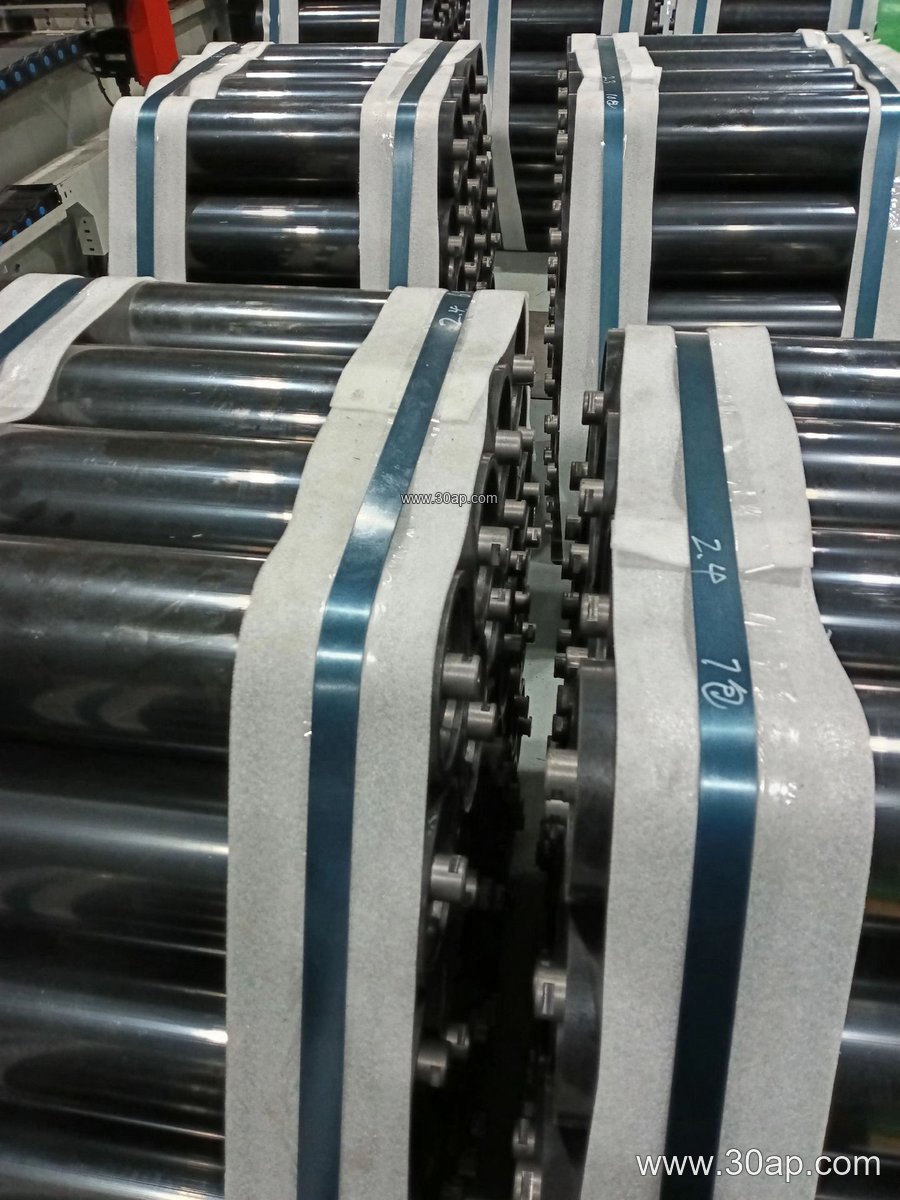
Diameters and face widths vary with belt width and tension. The values below are common references, not fixed pairings; final sizes depend on the conveyor design.
| Reference | Typical Values |
|---|---|
| Belt width | B400, B500, B650, B800, B1000, B1200, B1400, B1600, B1800, B2000, B2200, B2400 |
| Pulley diameter | Ø200, Ø250, Ø315, Ø400, Ø500, Ø630, Ø800, Ø1000, Ø1250, Ø1400, Ø1600 |
| Face width examples | B400 about 500 mm, B650 about 750 mm, B1000 about 1150 mm, B1200 about 1400 mm, B1600 about 1800 mm |
| Shaft diameter | Ø50, Ø60, Ø70, Ø80, Ø90, Ø100, Ø120, Ø140, Ø160, Ø180, Ø200 |
| Lagging thickness | 8, 10, 12, 15, 20 mm |
Combinations such as B800 × Ø500, B1200 × Ø1000, or B1400 × Ø800 appear in real projects, but no single belt width locks in one diameter. Belt tension, wrap angle, and belt stiffness decide the minimum diameter, and the shaft is sized separately from torque.
Where Pulleys Sit in Heavy Duty Circuits
In a copper or iron ore concentrator, drive pulleys handle high tension from long overland belts carrying ore. In a coal preparation plant, flame retardant and anti-static belt grades pair with lagged drums to meet safety requirements. A sand and gravel line often uses wing pulleys at the tail to release fines, while a power plant coal yard relies on large-diameter drive pulleys to reduce belt bending stress. Port bulk terminals use wide-face drums for high-capacity ship loading belts.
The pulley also interacts with belt construction. A heavy-duty steel cord belt or a multi-ply fabric core belt needs a larger diameter than a thin EP belt under the same tension. On a steep incline, a chevron or corrugated sidewall belt may need a smooth-faced tail pulley to avoid damage to the cleats.
What Buyers Should Check Before Ordering
- Position on the conveyor: drive, tail, bend, take-up, or snub.
- Belt width, belt type, and expected maximum tension.
- Pulley diameter and face width, confirmed against belt tracking requirements.
- Lagging material, pattern, and thickness for the environment.
- Shaft diameter, bearing type, and locking assembly details.
- Balancing class and rotation speed for high-speed installations.
- Corrosion protection and paint system for wet or coastal sites.
Maintenance is mostly about the lagging and the bearings. Worn lagging reduces grip and causes slip; failed bearings cause vibration and shaft damage. Inspect regularly, keep the belt clean, and align the belt with the pulleys, idlers, and brackets. For plant managers sourcing replacement drums, keeping a record of the original diameter, shaft size, and lagging type makes the next order faster and safer.