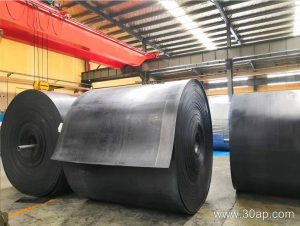
What a 500mm Conveyor Belt Is
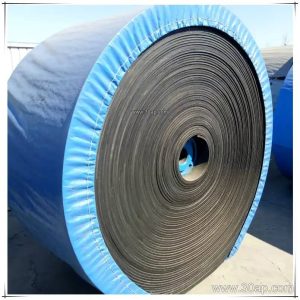
A 500mm conveyor belt is a narrow-width belt, commonly written as B500, used on small to medium conveying lines where space is tight and tonnage is moderate. It sits at the lower end of the standard width range that also includes 600mm, 650mm, 800mm and wider sizes such as 1000mm and 1200mm. Because the belt is relatively narrow, it is often chosen for feeder sections, transfer points, screening decks and short haul runs in sand and gravel plants, cement packing areas, small mines and recycling facilities.
The 500mm figure describes the cut width of the belt, not its thickness or strength. Two belts of the same width can differ greatly in carcass, cover grade and duty level, so buyers should treat width as only one part of the specification.
Construction and Common Specifications
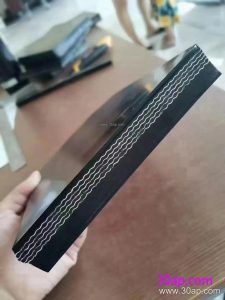
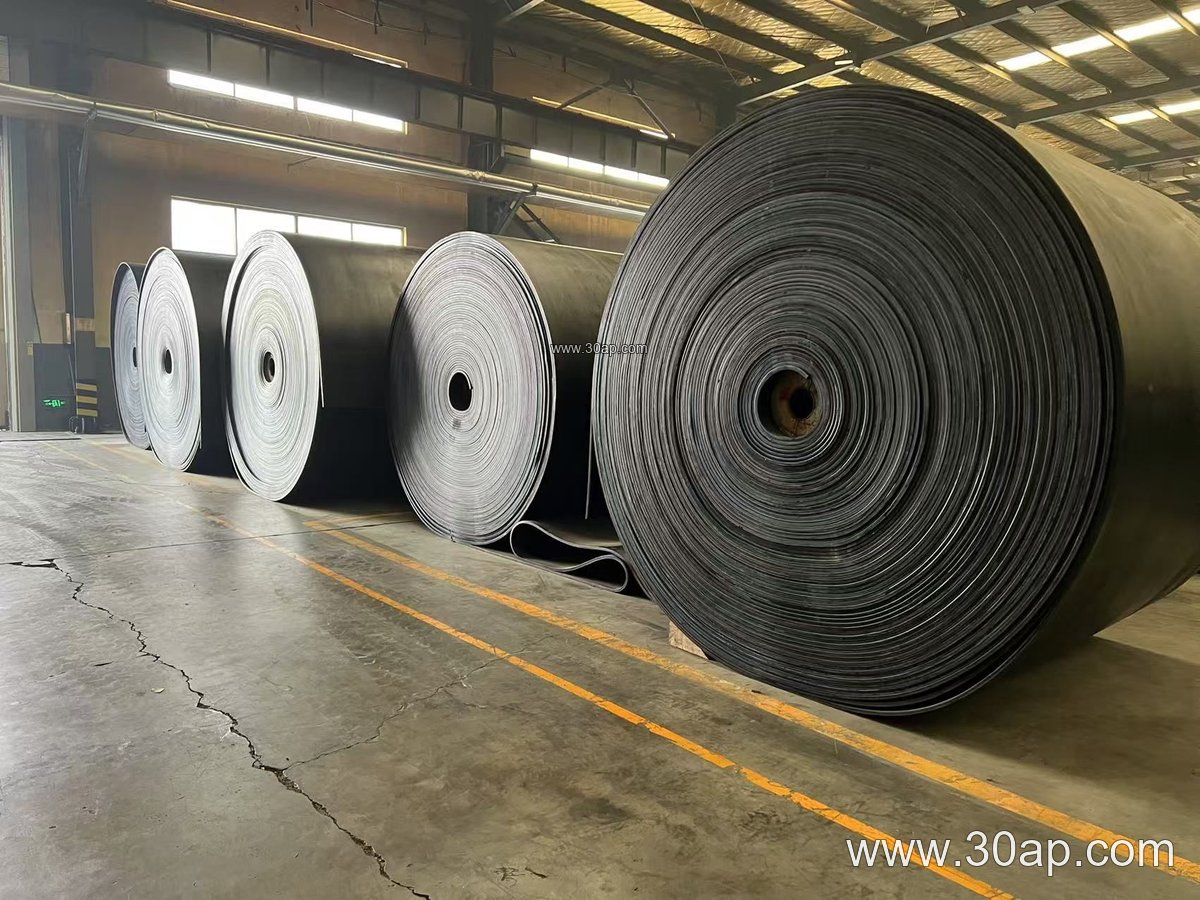
Most 500mm belts are built from a fabric core with rubber covers. EP conveyor belt (polyester/nylon) and NN conveyor belt (nylon/nylon) are the usual carcass choices for general duty, while multi-ply fabric core construction is common in abrasion resistant and heavy-duty mining conveyor belt service. Steel cord conveyor belt is rarely needed at this width, but it can appear where high tension and long center distances are combined with a compact frame.
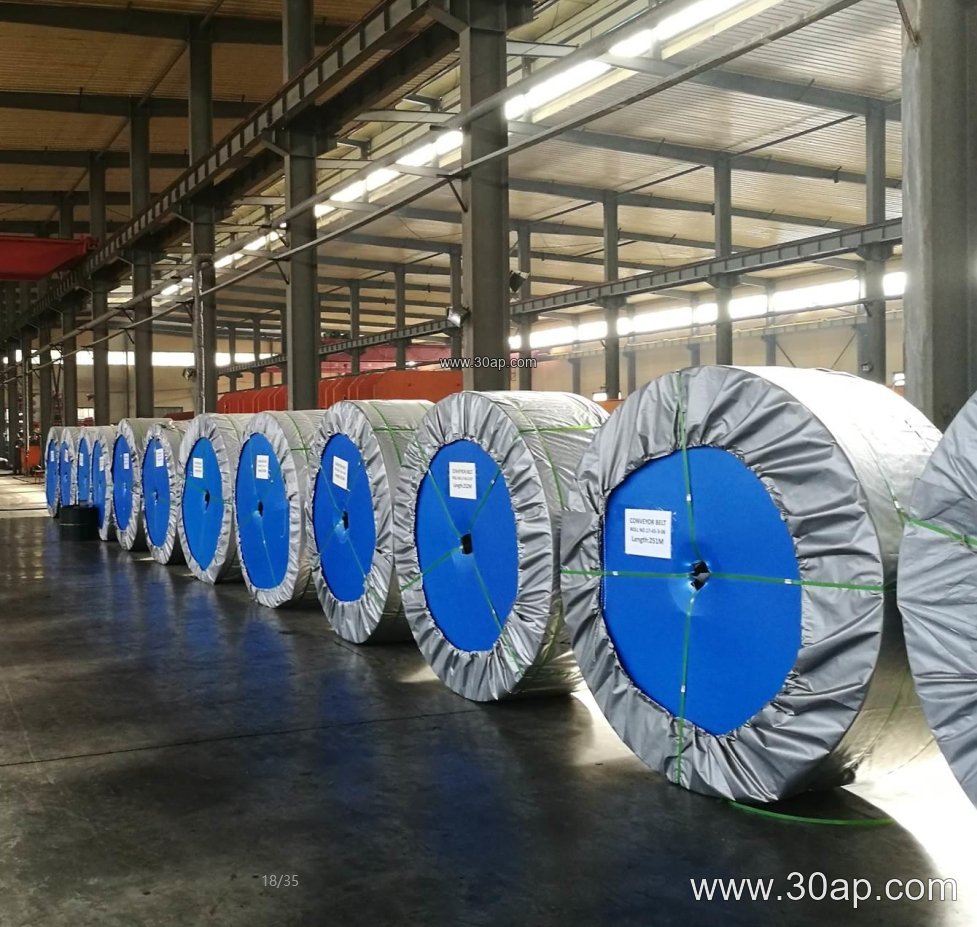
Cover thickness and ply count are selected by design rather than fixed by width. The table below shows typical reference values only; actual supply should follow the application and manufacturer data.
- Width: B500 (500mm)
- Carcass: EP or NN, usually 2 to 4 plies
- Strength grades seen in practice: EP200, EP315, EP400, EP500, EP630
- Cover thickness examples: 3+1.5mm, 4+2mm, 5+2mm
- Surface options: smooth, chevron conveyor belt, skirted conveyor belt, corrugated sidewall conveyor belt
Special grades matter in this width class. A flame retardant conveyor belt or fire resistant conveyor belt is often required in coal mining conveyor belt and underground coal mining conveyor belt work. Heat resistant conveyor belt, oil resistant conveyor belt, cold resistant conveyor belt and anti-static conveyor belt are chosen when the material or the environment demands it. Food grade conveyor belt appears in processing lines, and PVC or PVG conveyor belt versions are used where a synthetic cover is preferred.
Where the B500 Size Fits
On a crushing line, a 500mm conveyor belt may carry screened stone from a secondary crusher to a stockpile feed, while a wider 800mm or 1000mm belt handles the primary discharge. In a cement plant it can serve additive dosing or bagging transfer. In a power plant it may move small coal streams or ash, and in a quarry conveyor belt layout it often links screens and chutes where a 650mm or 800mm belt would be oversized.
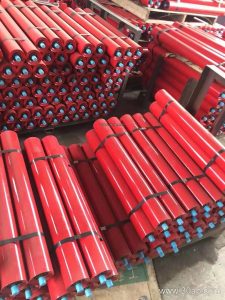
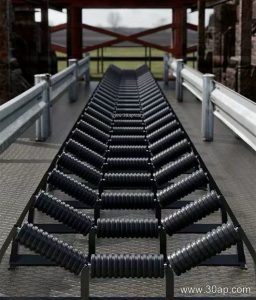
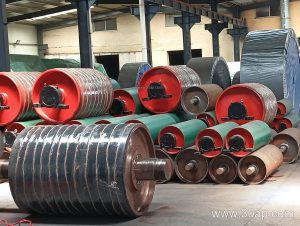
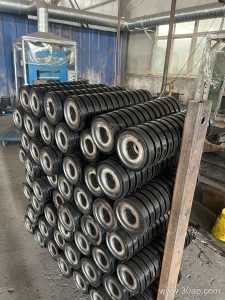
The narrow width also suits mobile and compact conveyors, ship loading conveyors in small ports, and construction or recycling lines. In these places, an idler roller, conveyor pulley and conveyor bracket set must match the frame; drive, tail and bend pulleys are separate components with different roles and should not be treated as interchangeable.
Buyer Checklist
- Confirm the material, lump size and temperature before choosing a cover grade.
- Check whether oil, acid or alkali resistance is needed, or whether an abrasion resistant conveyor belt with a thicker cover is better.
- State the required tensile strength, ply count and cover thickness rather than width alone.
- Ask for the pulley diameters and trough angle used on the existing conveyor; belt width does not fix shaft size or pulley diameter.
- For underground or dusty work, specify flame retardant and anti-static properties clearly.
- Confirm whether an endless conveyor belt is preferred over an open-end belt joined on site.
A 500mm conveyor belt is a practical, space-saving choice for moderate duty. Matching carcass, cover and accessories to the actual working conditions will do more for service life than the nominal width on its own.