What a Vertical Idler Bracket Does on a Conveyor
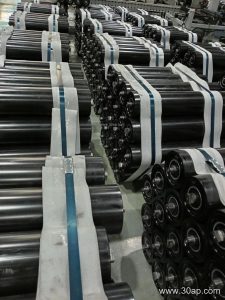
A vertical idler bracket is the mounting component that holds an idler roller in a vertical or near-vertical position along a conveyor structure. It is used where the belt needs support at a specific angle or where space constraints call for a compact bracket arrangement. Unlike troughing brackets that carry three rollers in a trough shape, this bracket typically supports a single roller or a small roller set in a vertical orientation. In a quarry conveyor belt line or a cement plant transfer point, it helps keep the belt tracking smoothly and reduces sag between main support stations.
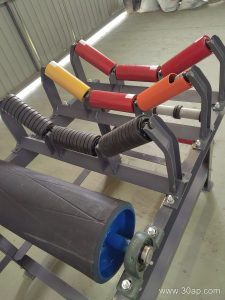
The bracket works together with the conveyor belt, idler roller and conveyor bracket system. Its job is not to drive or tension the belt; that belongs to the drive pulley and tail pulley. The vertical idler bracket simply provides a stable mounting point so the roller can do its job without vibration or misalignment.
Construction and Common Materials
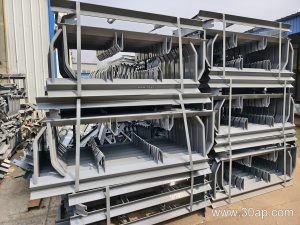
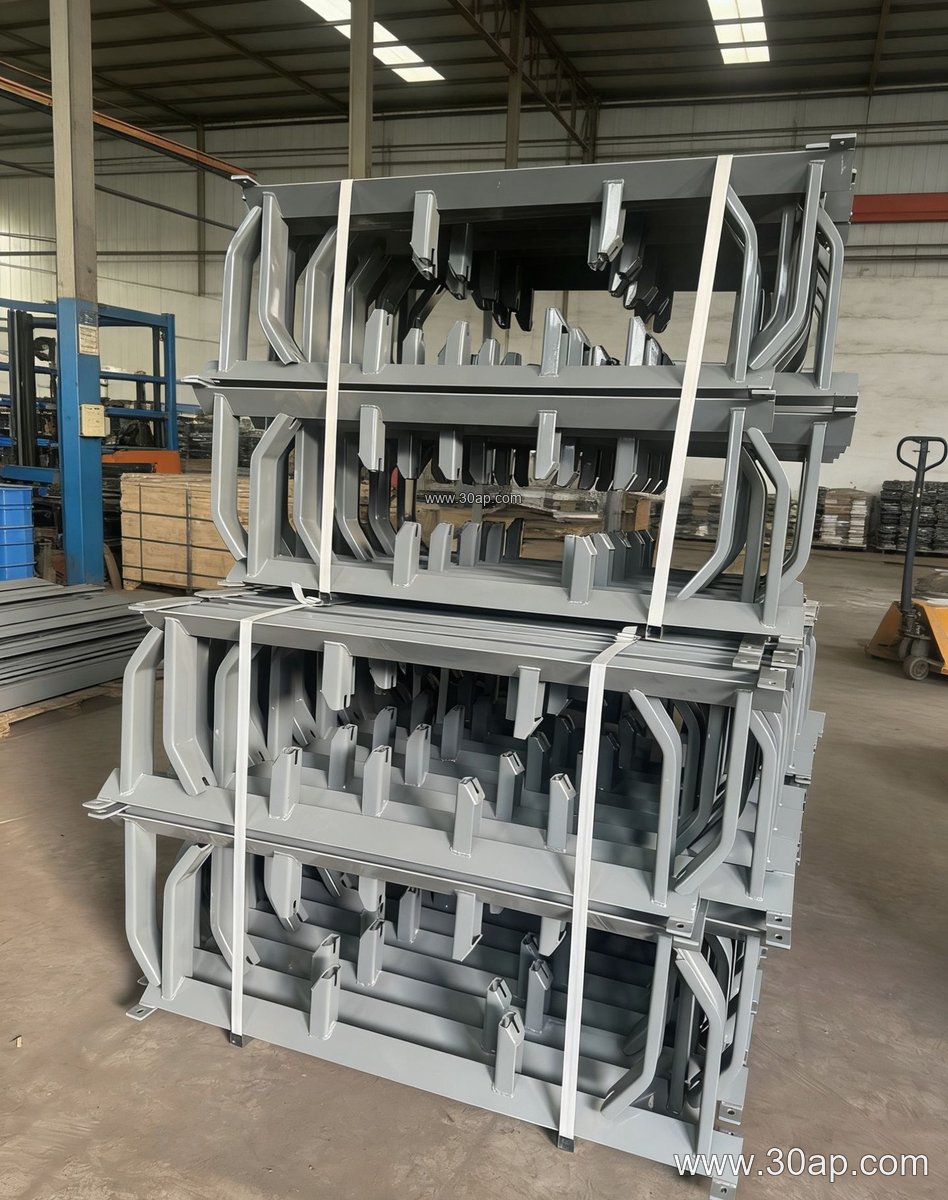
Most vertical idler brackets are fabricated from angle steel, channel steel or folded steel plate. The choice depends on load and environment. In a coal mining conveyor belt system or a power plant coal handling line, heavier channel steel is common to resist vibration and impact. For lighter aggregate conveyor belt service, folded plate may be sufficient.
Typical construction details include:
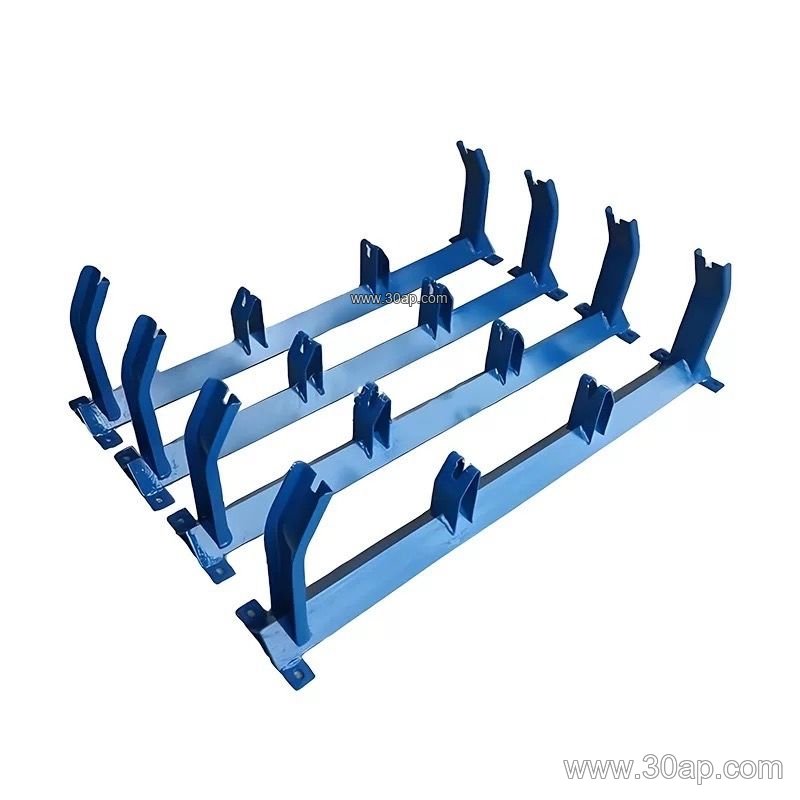
- Slotted or drilled mounting holes for adjustment
- Reinforced gussets at the vertical-to-horizontal transition
- Welded or bolted roller mounting pads
- Surface treatment such as painting or galvanizing for corrosion resistance
Because the bracket is often exposed to dust and moisture, buyers should confirm the surface treatment matches the site conditions. In a fertilizer plant or a port conveyor belt system, corrosion resistance can matter as much as mechanical strength.
Where It Fits in the Conveyor Layout
The vertical idler bracket is usually installed at transition zones, near loading points, or where the belt changes direction slightly. It is not a replacement for a bend pulley; a bend pulley changes the belt path through a rotating drum, while the bracket only supports a roller. In a crushing and screening plant, a vertical bracket may be used on the return side to keep the belt from flapping. In a tunnel excavation project, it can support the belt in tight spaces where a standard troughing bracket will not fit.
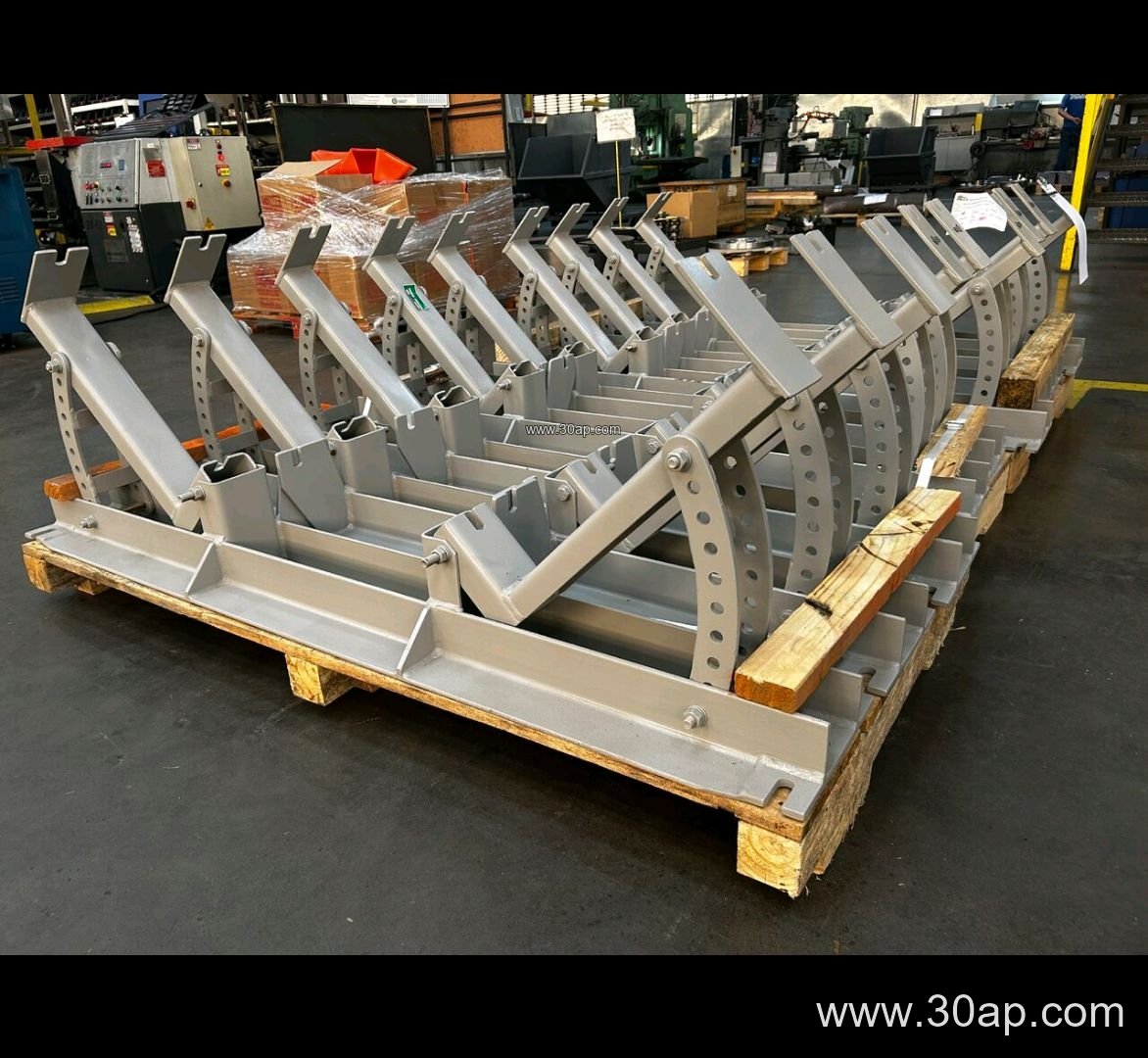
Common applications include:
- Quarry and limestone mine conveyor lines
- Coal washing plant and coal mining conveyor belt systems
- Cement plant clinker and raw material transport
- Power plant coal conveying and ash handling
- Port ship loading and bulk material conveyor belt operations
In each case, the bracket works with the conveyor belt and idler roller to maintain belt alignment and reduce spillage.
Matching the Bracket to Belt Width and Roller Diameter
There is no single bracket size for every conveyor. The bracket must match the belt width, roller diameter and mounting hole spacing. Common belt widths in conveyor design include B500, B650, B800, B1000, B1200, B1400, B1600 and B1800. Roller diameters often range from Ø89 to Ø194. A typical combination might be B800 with Ø108 roller, or B1200 with Ø133 roller. However, belt width does not fix one roller diameter or one bracket type. The design engineer selects the combination based on load, belt speed and support spacing.
The table below shows reference examples, not fixed rules:
| Belt Width | Common Roller Diameter | Typical Bracket Material |
|---|---|---|
| B500 | Ø89 | Angle steel |
| B650 | Ø89 or Ø108 | Angle steel or folded plate |
| B800 | Ø108 | Channel steel |
| B1000 | Ø108 or Ø133 | Channel steel |
| B1200 | Ø133 | Channel steel |
| B1400 | Ø133 or Ø159 | Channel steel or folded plate |
| B1600 | Ø159 | Channel steel |
| B1800 | Ø159 or Ø194 | Heavy channel steel |
Mounting hole spacing and crossbeam length change with belt width and bracket design. Buyers should always request a dimensional drawing before ordering.
Selection and Maintenance Notes for Buyers
When selecting a vertical idler bracket, confirm the following:
- Belt width and roller diameter used on the conveyor
- Mounting hole pattern and crossbeam dimensions
- Material and surface treatment for the site environment
- Whether the bracket is fixed or adjustable
- Compatibility with the existing conveyor bracket and idler roller
For maintenance, check bracket bolts regularly, especially in high-vibration areas such as a crusher conveyor belt discharge. Replace any bracket showing cracks, severe corrosion or elongated mounting holes. A loose or bent vertical idler bracket can cause the roller to misalign, leading to belt edge damage and premature wear on the conveyor belt.
In industries such as iron ore, copper ore or gold mining, heavy-duty brackets may be needed to handle impact and abrasive dust. In food grade or cold resistant applications, material selection should follow the same logic. The vertical idler bracket is a small component, but its condition directly affects belt tracking and the service life of the idler roller.