What a 500mm Diameter Conveyor Pulley Is
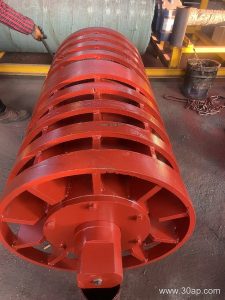
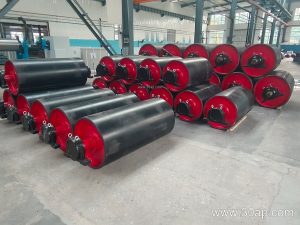
A 500mm diameter conveyor pulley is a mid-to-large drum used in belt conveyor systems to drive, tension, or redirect the conveyor belt. In metric sizing, this drum is often written as Ø500, and it belongs to the same family as the head, tail, bend, and take-up pulleys found on a typical conveyor frame. The 500mm diameter is a common reference point because it offers a useful balance between wrap angle, belt clearance, and load capacity — but it is not a universal fit for every belt width or every duty.
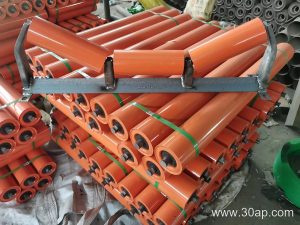
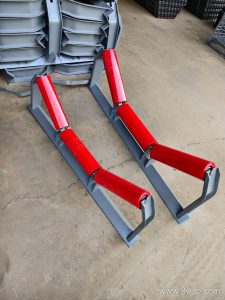
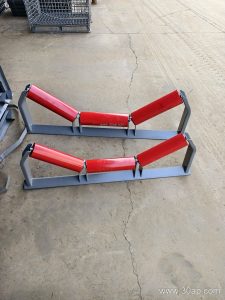
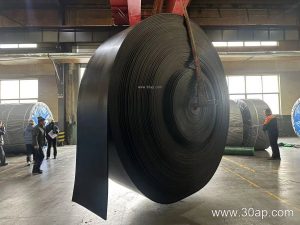
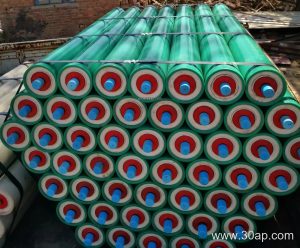
Buyers often search for this size when upgrading a quarry conveyor, a cement plant clinker line, or a coal handling section where the existing drum has worn or the belt tracking has become unstable. The pulley works together with the conveyor belt, idler roller sets, and conveyor bracket assemblies to keep material moving smoothly.
How the Drum Is Built
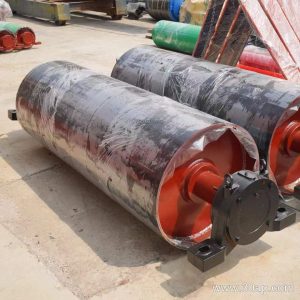
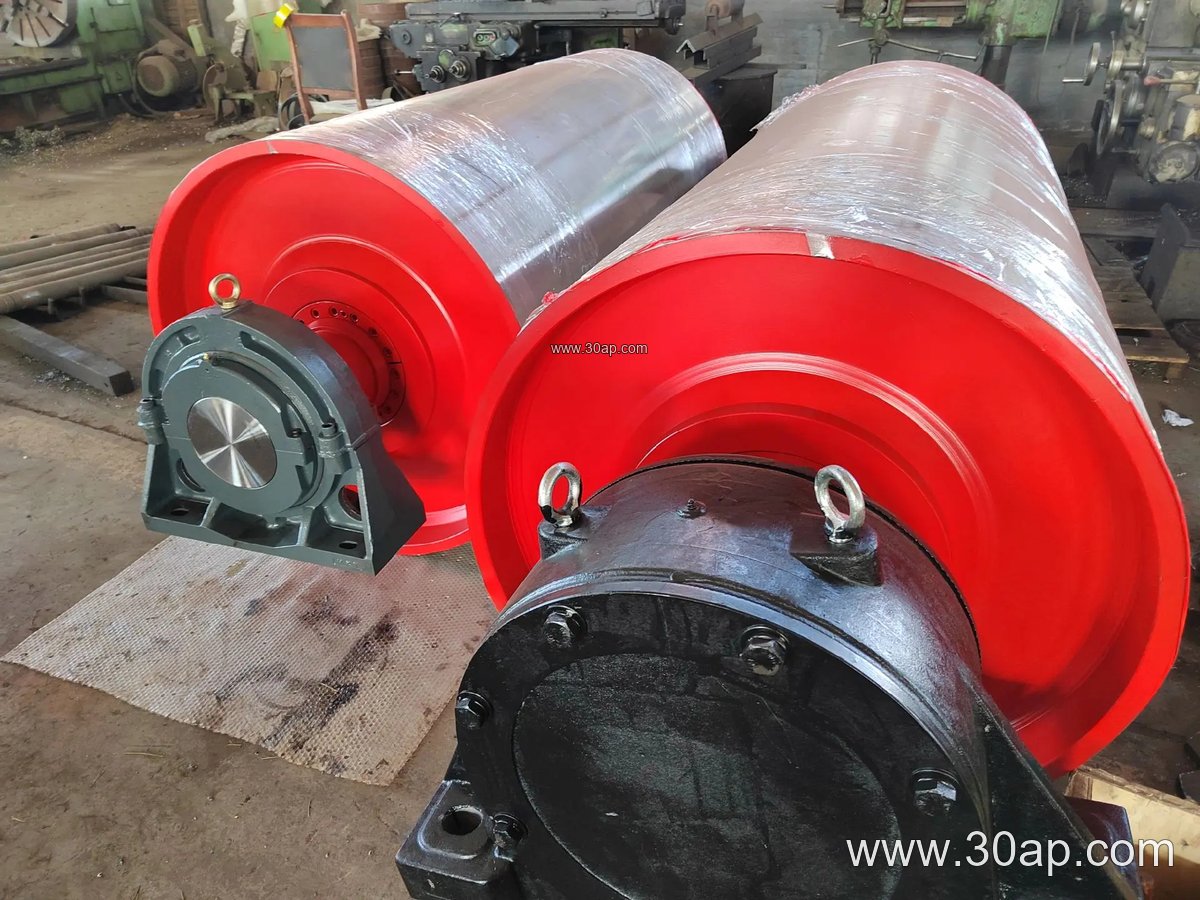
A 500mm diameter conveyor pulley usually consists of a cylindrical shell, two end discs, a shaft, and hub assemblies. The shell may be seamless tube or rolled plate, machined to keep runout within tolerance. Shaft ends are keyed for coupling or bearing mounting, and the shaft diameter is determined by torque and radial load, not by belt width alone. Common shaft sizes in the reference data include Ø80, Ø90, Ø100, and Ø120, but the final value should come from the conveyor design calculation.
Surface finish is another build decision. A plain finish is used in light-duty or reversing applications. Rubber lagging — cold-bonded, hot-vulcanized, or cast — improves grip and protects the shell. Diamond or herringbone patterns help shed water and fines. Ceramic lagging is chosen where abrasion is severe. Lagging thickness is often 8, 10, 12, 15, or 20 mm, depending on the drive duty and the environment.
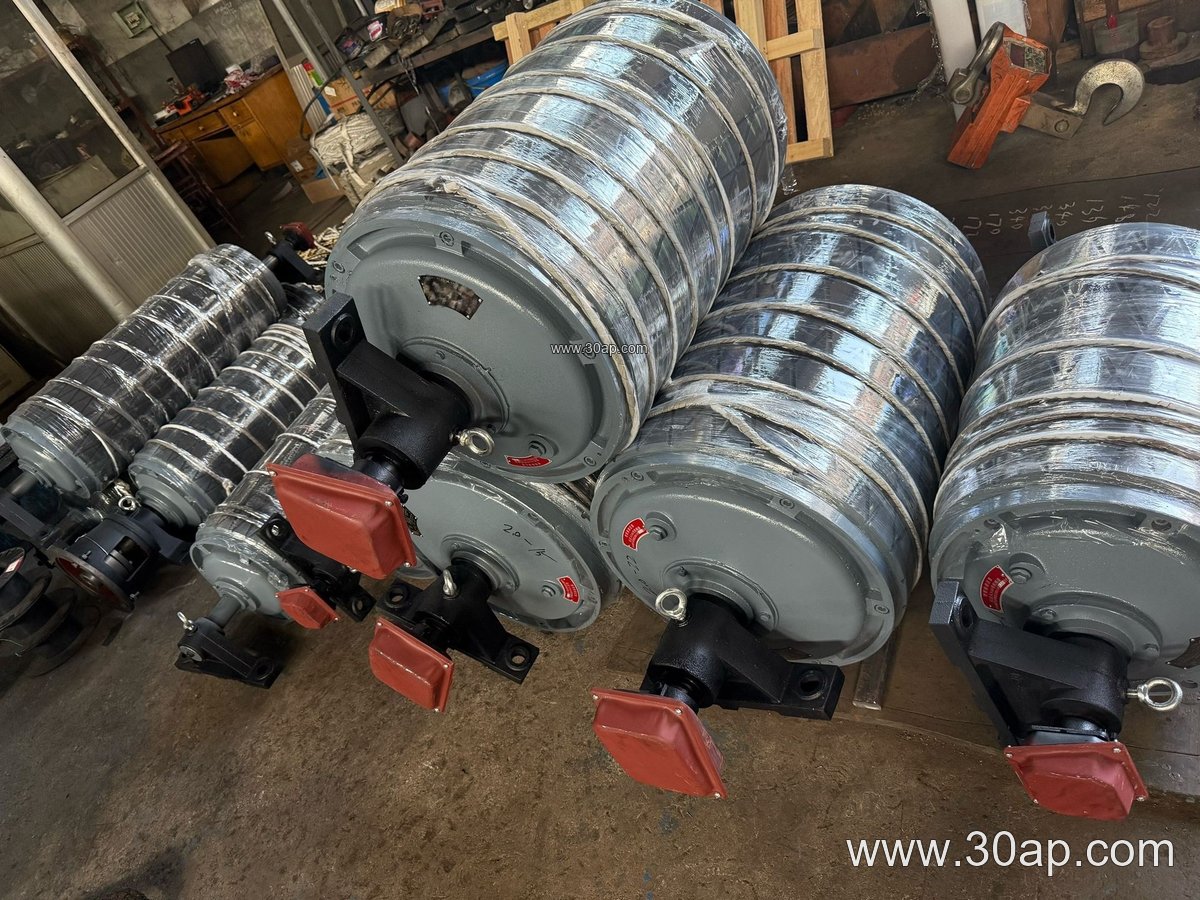
- Shell: rolled steel or seamless tube, machined for concentricity
- End discs: welded or bolted to the shell
- Shaft: alloy steel, sized by torque and load
- Lagging: plain, rubber, diamond, herringbone, or ceramic
- Bearings: pillow block or flanged housings, matched to the frame
Where It Fits on the Conveyor
Position matters. A 500mm diameter drum may serve as a head pulley at the discharge end, where it drives the belt and throws material into a chute. It may also act as a tail pulley that returns the belt and maintains tension. On long overland or inclined conveyors, a bend pulley of this size can redirect the belt path without changing the drive arrangement.
In a limestone quarry, a Ø500 head drum paired with a heavy-duty abrasion resistant conveyor belt is a common sight on the primary crushing discharge. In a coal washing plant, a flame retardant conveyor belt may run over a lagged 500mm pulley to keep grip in wet conditions. The same drum size can appear in a power plant coal yard, a cement plant raw mill feed, or a port bulk terminal, provided the belt width and tension calculations support it.
Typical belt-width combinations that engineers review alongside a 500mm drum include B650, B800, and B1000. A B800 × Ø500 arrangement is a frequent reference point, but it is not a fixed rule. The pulley face width is usually wider than the belt — for example, a B650 belt often runs on a pulley face around 750mm — so the drum must be matched to the actual belt width and trough geometry.
Specification Reference for Buyers
The table below lists common reference values. Treat them as design guidance, not as a supply promise for any specific project.
| Parameter | Common Reference Values |
|---|---|
| Diameter | Ø500 mm |
| Belt width combinations | B500, B650, B800, B1000 |
| Pulley face width | Approx. 600, 750, 950, 1150 mm |
| Shaft diameter | Ø80, Ø90, Ø100, Ø120 (by design) |
| Lagging thickness | 8, 10, 12, 15, 20 mm |
| Surface options | Plain, rubber lagging, diamond, herringbone, ceramic |
| Position types | Head, tail, bend, take-up, snub |
When specifying, confirm the belt tension, the wrap angle, the ambient conditions, and the material being carried. A drum for an iron ore conveyor may need a different lagging grade than one on a food-grade line, and a cold resistant conveyor belt application may call for different rubber compounds in the lagging.
Selection and Maintenance Notes
Do not pick a 500mm diameter conveyor pulley only because it matches an old part number. Check the shaft load, the bearing life target, and the belt speed. A larger diameter reduces belt bending stress and can extend belt life, while a smaller drum may save space but increase flex fatigue. The drive, tail, and bend positions each impose different loads, so the same shell size may carry different shaft and bearing specifications.
During installation, align the drum square to the conveyor centerline and check that the conveyor bracket and idler roller frames are level. Lagging wear, shell corrosion, and bearing noise are the usual maintenance signals. Re-lagging a worn 500mm drum is often more economical than replacing the whole assembly, provided the shell and shaft remain within tolerance.
For conveyors handling abrasive aggregate, a high abrasion resistant conveyor belt combined with a lagged drum reduces slip and shell wear. In underground coal mining, flame retardant conveyor belt and fire resistant conveyor belt grades are selected alongside the pulley specification to meet site safety requirements. Whatever the industry — quarry, cement, power, steel, or port — the 500mm diameter drum should be treated as one component in a matched system, not as a standalone size.