What a Head Drive Pulley Does
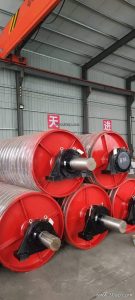
The head drive pulley is the powered drum at the discharge end of a belt conveyor. It transfers torque from the drive unit to the conveyor belt through friction between the drum surface and the belt’s bottom cover. In a typical arrangement, the motor and gearbox turn the pulley shaft, the pulley rotates, and the belt moves forward carrying bulk material to the next stage of the process. Because it sits at the head of the conveyor, this component is also called the head pulley or drive drum, and it often doubles as the discharge point where material leaves the belt.
A conveyor pulley is not a single universal item. Drive pulleys, tail pulleys, and bend pulleys each perform different duties, and they are not interchangeable. The head drive pulley carries the highest torque load in most installations, so its design, lagging, and shaft connection deserve close attention. In a quarry or a cement plant, a poorly matched drive drum can cause belt slip, premature cover wear, or tracking problems that ripple through the whole line.
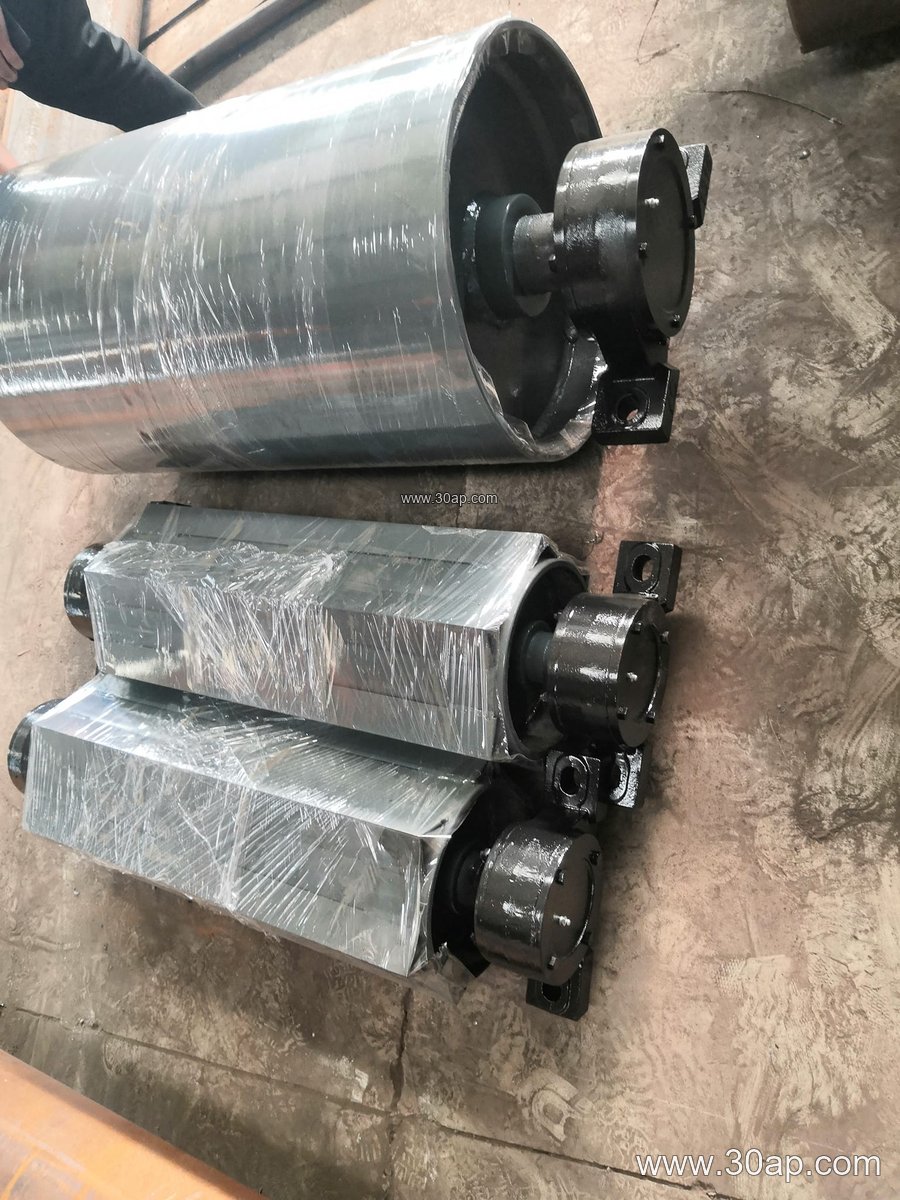
Construction and Key Components
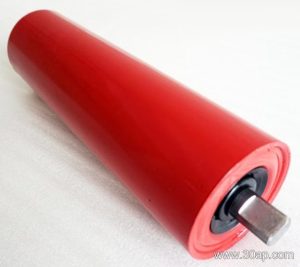
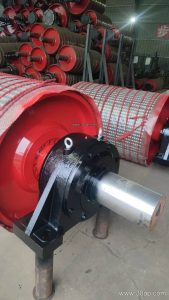
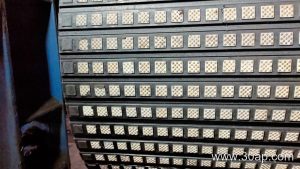
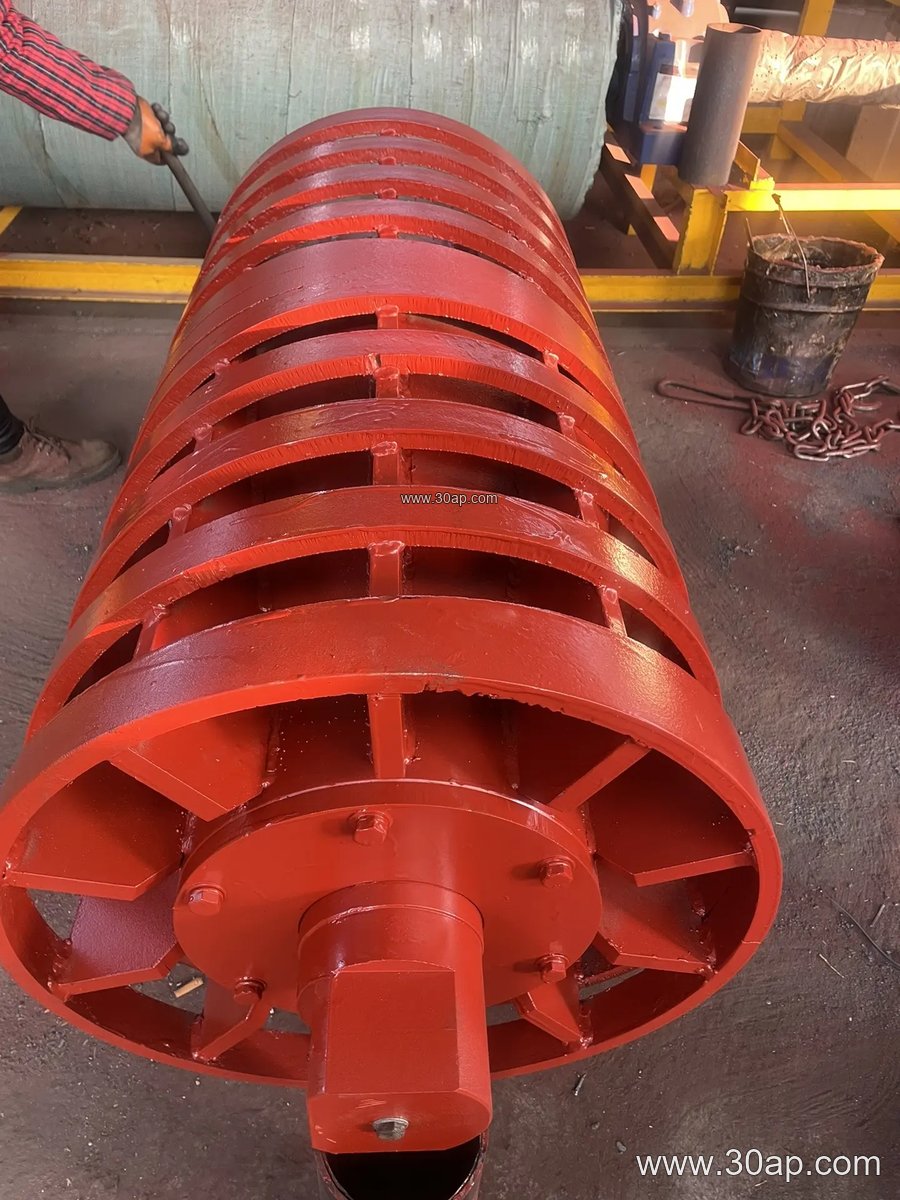
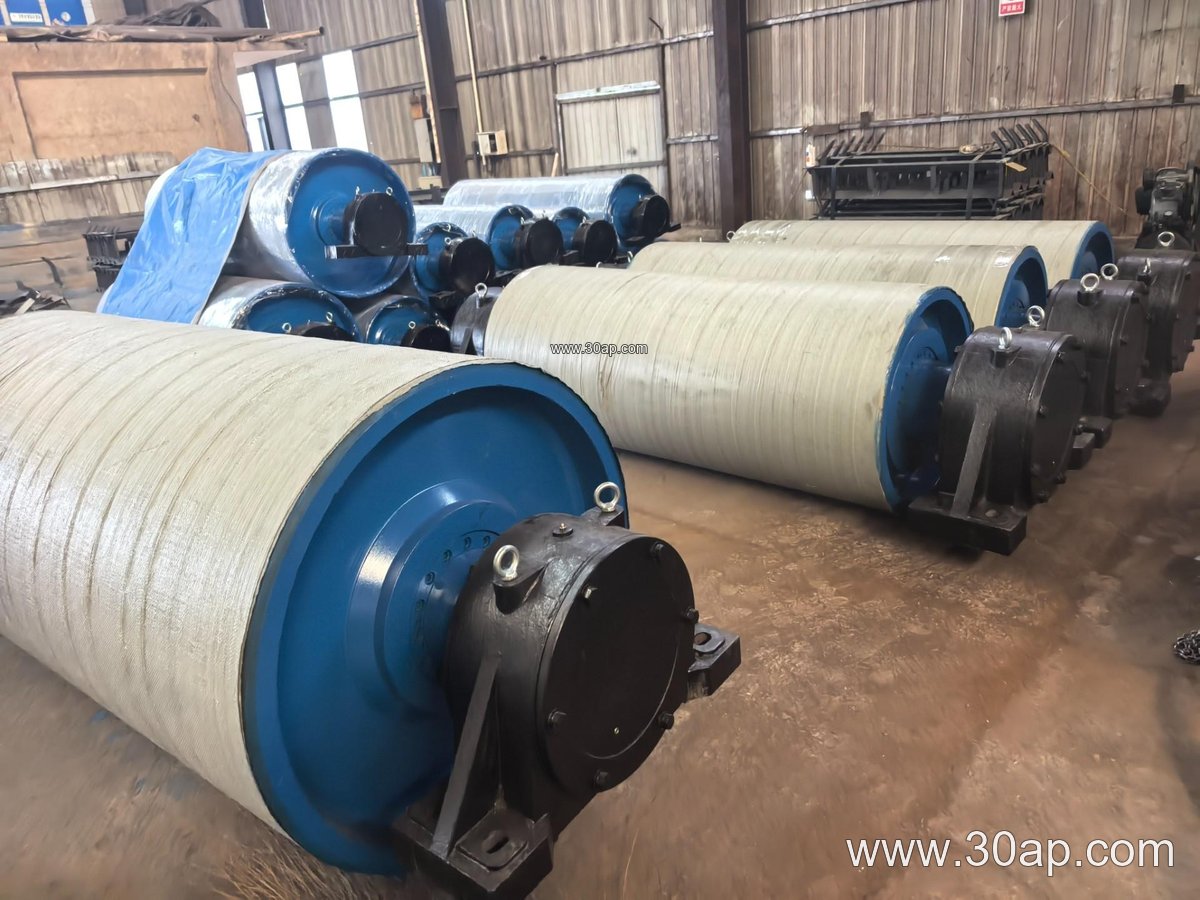
Most head drive pulleys are built around a steel shell welded to end discs, with a shaft running through the center and hubs connecting the shell to the shaft. The shell may be machined for balance, and the surface is often covered with rubber lagging to raise friction and protect the belt. Common surface forms include plain, cast rubber, cold-bonded rubber, hot-vulcanized rubber, diamond pattern, herringbone, and ceramic lagging, with lagging thicknesses usually around 8, 10, 12, 15, or 20 mm depending on the duty.
- Shell: rolled steel, sometimes with a slight crown to aid belt tracking.
- Shaft: sized by torque and load, not by belt width alone.
- Lagging: plain or patterned rubber, selected for grip and wear life.
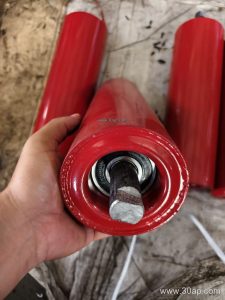
- Bearings and bearing housings: matched to radial and axial loads.
- Locking assemblies or keyed hubs: transmit torque from shaft to shell.
Sizing by Belt Width and Diameter
Buyers often ask how pulley diameter relates to belt width. There is no fixed rule that one belt width matches one drum diameter. Instead, diameter is chosen from belt tension, wrap angle, belt construction, and the minimum bend radius the belt can tolerate. The pulley face width, however, is usually a little wider than the belt to allow for misalignment.
| Belt width | Typical pulley face width | Example diameter range |
|---|---|---|
| B400 | about 500 mm | Ø200 to Ø400 |
| B650 | about 750 mm | Ø250 to Ø500 |
| B800 | about 950 mm | Ø315 to Ø630 |
| B1000 | about 1150 mm | Ø400 to Ø800 |
| B1200 | about 1400 mm | Ø500 to Ø1000 |
| B1400 | about 1600 mm | Ø630 to Ø1250 |
| B1600 | about 1800 mm | Ø800 to Ø1400 |
| B1800 | about 2000 mm | Ø1000 to Ø1600 |
These values are reference ranges, not fixed pairings. A B1200 × Ø1000 head drive pulley may suit a heavy-duty mining conveyor, while a B800 × Ø500 unit may be adequate for a shorter aggregate line. Shaft diameters commonly fall between Ø50 and Ø200, but the final size must be calculated from torque and load rather than copied from a belt width chart.
Applications Across Industries
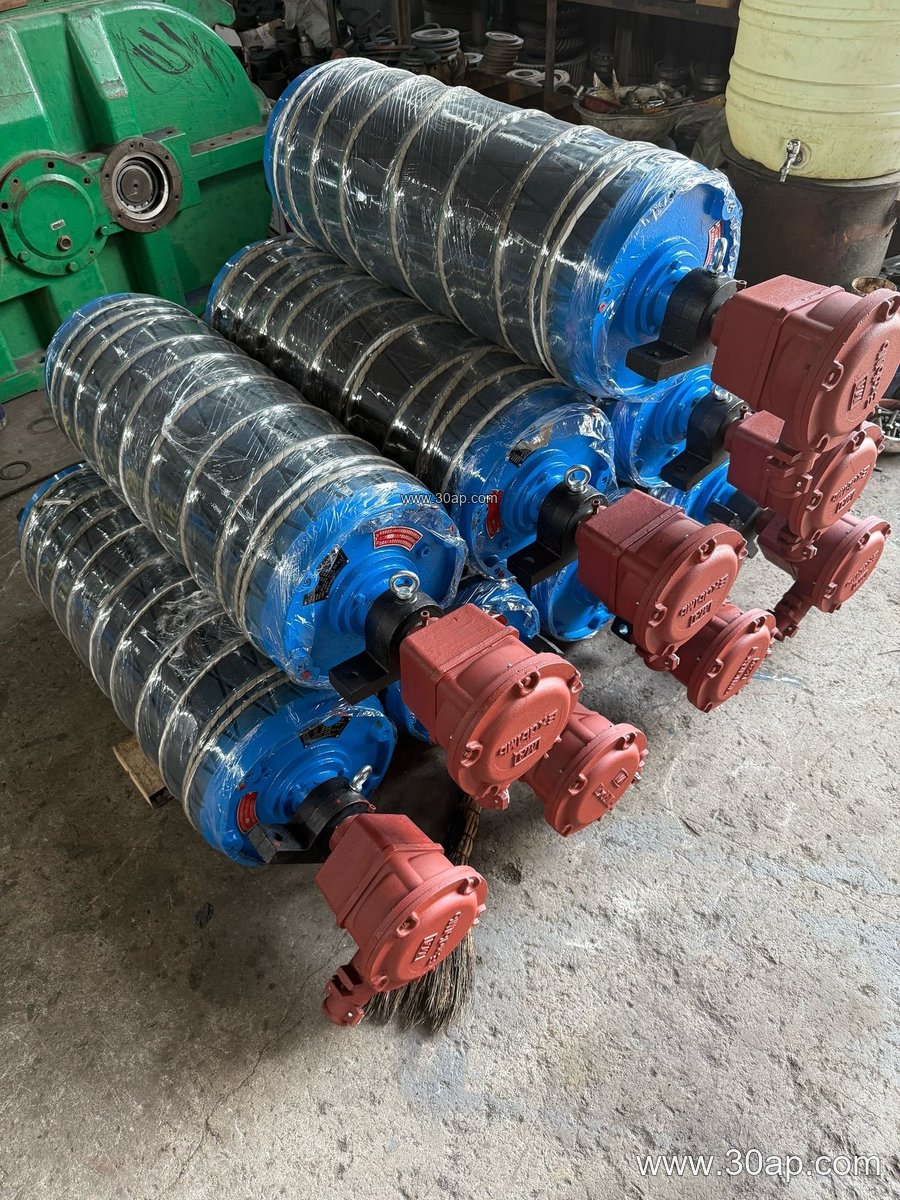
Head drive pulleys appear wherever bulk material moves on a belt. In a limestone mine or stone crushing plant, they drive the main discharge conveyor that feeds the stockpile. In a coal washing plant, a flame retardant conveyor belt often runs over a lagged drive drum selected for wet, dusty conditions. Power plant coal handling systems, port bulk terminals, and cement clinker lines also rely on these pulleys at the transfer point. The conveyor belt itself may be an EP conveyor belt, a steel cord conveyor belt, or a multi-ply fabric core type, and the drive drum must match the belt’s tension and cover requirements.
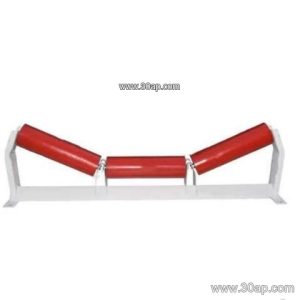
Adjacent equipment matters too. The conveyor bracket and idler roller set the belt path, and the take-up system maintains tension so the head drive pulley can grip without slipping. Accessories such as skirted conveyor belt or corrugated sidewall belt profiles change the load on the drum and should be considered during selection.
What Buyers Should Check
- Confirm the required torque and belt tension before choosing the shaft and lagging.
- Match lagging type to the environment: ceramic or diamond pattern for wet, slippery duty; plain or light rubber where belt cleaning is critical.
- Check pulley face width against belt width, allowing for tracking tolerance.
- Review bearing life and sealing for dusty sites such as a quarry or cement plant.
- Ask for dynamic balancing on large drums to reduce vibration at speed.
Maintenance is mostly about inspection. Worn lagging reduces friction and invites slip, while loose locking assemblies can cause shaft damage. Keeping the belt cleaner and the idler roller set aligned protects the drive pulley and extends service life.