What an EP1000 1200mm Conveyor Belt Is
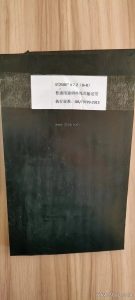
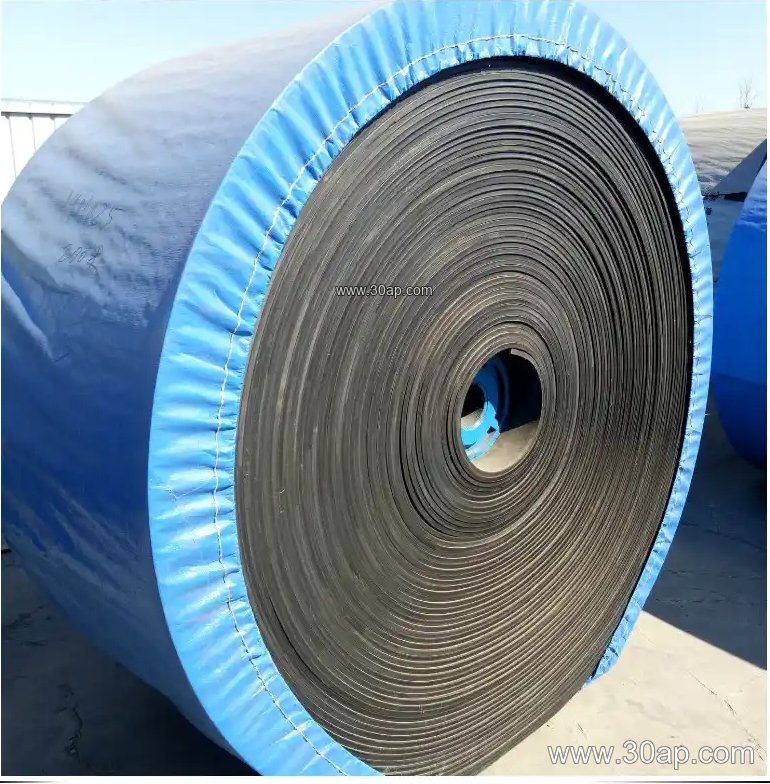
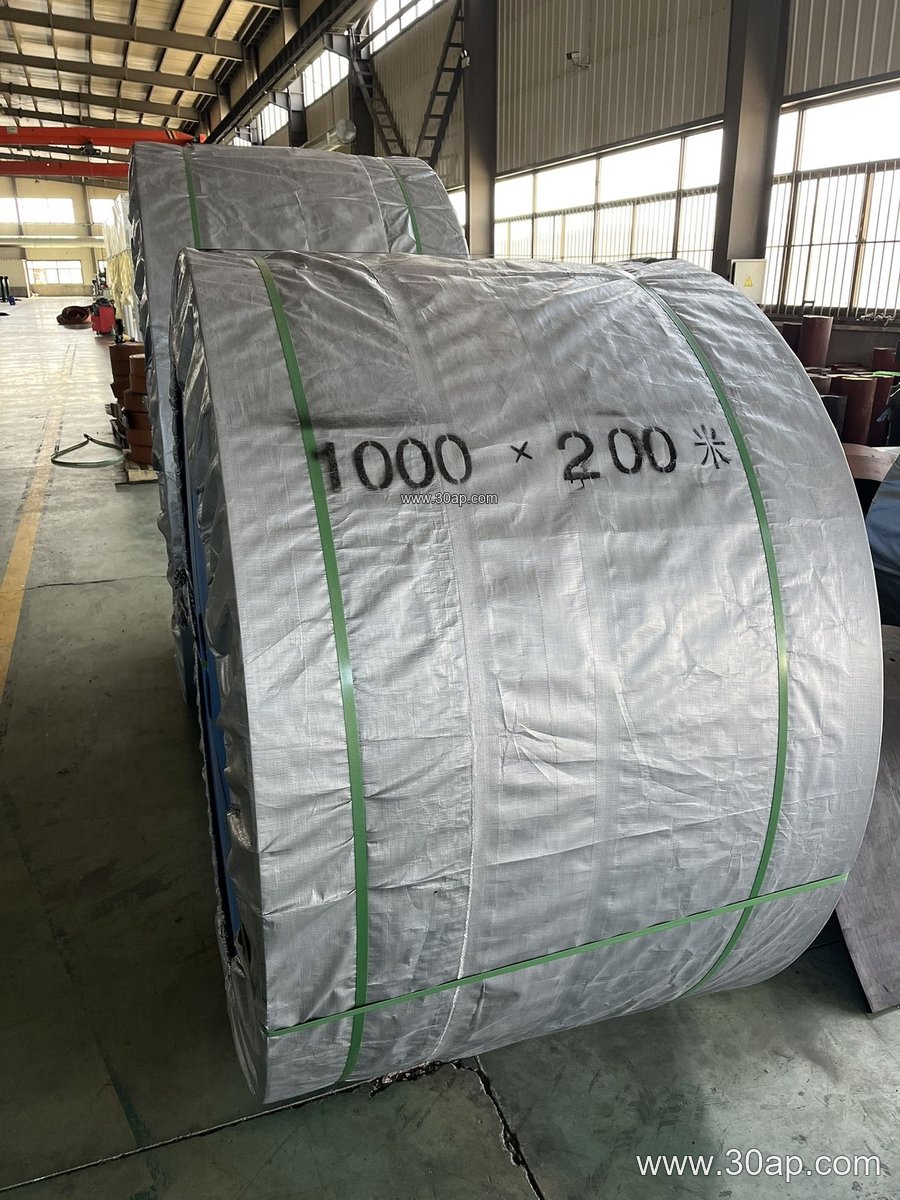
The EP1000 1200mm conveyor belt is a fabric-core rubber belt built around polyester and nylon (EP) plies, rated at 1000 N/mm tensile strength per ply width class, and supplied in a 1200 mm width. In plant language it is often shortened to an EP1000 belt or a 1200mm wide conveyor belt, but the full designation matters: it fixes both the carcass strength and the belt width, and those two numbers drive the pulley and frame design downstream.
Because it combines high tensile strength with a moderate width, this belt suits main haulage lines where a single 1000-class fabric belt carries a steady stream of crushed rock, ore, clinker or coal. It is a common choice in mines, cement works, power stations, quarries and coastal bulk terminals.
How the Belt Is Built
An EP1000 belt is not a single homogeneous slab. Its structure usually includes:
- Carcass: multiple plies of EP fabric (polyester warp, nylon weft), commonly 2 to 6 plies depending on the manufacturer and the duty.
- Top cover: rubber compounded for the material being carried, typically 4+2, 5+2, 6+2 or 8+3 mm total cover thickness for heavy-duty work.
- Bottom cover: usually thinner than the top cover, sized for pulley contact and skirtboard wear.
- Edges: cut or moulded edges, with the cut-edge type widely used on fabric belts.
Cover compound selection is a separate decision from the EP1000 carcass grade. A high abrasion resistant conveyor belt compound is normal for crusher discharge and quarry lines, while heat resistant conveyor belt grades are used for cement clinker and sinter, and a flame retardant conveyor belt or fire resistant conveyor belt grade is specified for underground coal mining conveyor belts and other enclosed spaces.
Typical Specifications at a Glance
The values below are common reference ranges, not universal specifications. Actual belt construction is confirmed by the manufacturer against the conveyor design.
| Parameter | Common Reference |
|---|---|
| Belt type | EP fabric core, EP1000 grade |
| Belt width | 1200 mm |
| Tensile strength class | EP1000 (1000 N/mm) |
| Carcass plies | 3 to 6, by design |
| Cover thickness examples | 4+2 mm, 5+2 mm, 6+2 mm, 8+3 mm |
| Cover grades | Abrasion resistant, heat resistant, flame retardant, oil resistant, anti-static |
| Belt thickness | Set by carcass plus covers |
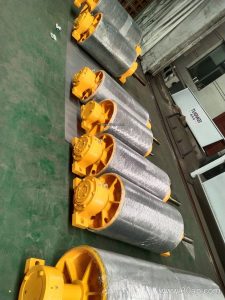
Widths around this class are often compared during layout work, for example the 1000mm conveyor belt, 1400mm conveyor belt and 1500mm conveyor belt options. A wider belt does not automatically require a larger pulley; pulley diameter follows belt tension, ply count, cover thickness and the manufacturer’s minimum bend radius recommendation. Nor does 1200 mm width dictate a fixed shaft diameter, which is calculated from the actual belt pull and pulley load.
Where It Fits in the Plant
The EP1000 1200mm belt is at home on the main line rather than on short transfer runs. In a stone crushing plant it may run from the secondary crusher to the screening house; at a port it can feed a ship loading conveyor; in a coal preparation plant it often works alongside a PVG conveyor belt in the flame-retardant sections. Cement plants use it for limestone and clinker transport, and power plants for coal handling.
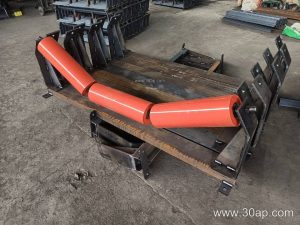
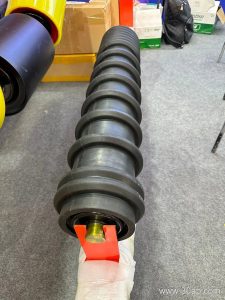
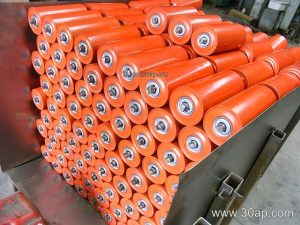
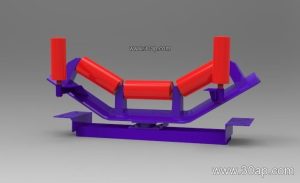
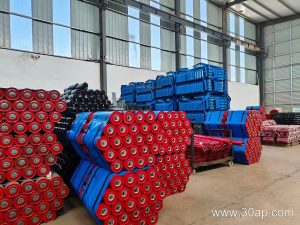
On the conveyor itself, the belt runs over troughing idler rollers, wraps the drive pulley and tail pulley, and is held by conveyor brackets and frame sections. Wear on the belt edge often traces back to misaligned idler roller sets or a skewed tail pulley, so alignment checks belong in every maintenance plan.
Selection and Maintenance Notes for Buyers
When specifying an EP1000 1200mm conveyor belt, confirm the material, lump size, throughput, incline and ambient conditions first. Then check the cover grade and thickness against abrasion, heat or oil exposure, and confirm the ply count against the calculated belt tension with a safety margin. For steep inclines, a chevron conveyor belt or corrugated sidewall conveyor belt may be a better fit than a flat belt, but those are different constructions and should not be treated as substitutes for a standard EP1000 belt.
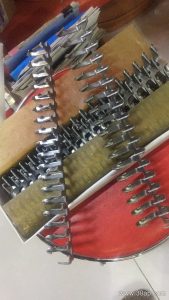
Store belts on a dry, shaded rack, splicing materials matched to the carcass, and retension after the first weeks of running. Inspect splice joints, edges and cover wear at scheduled stops. For more guidance on 1200mm wide conveyor belt selection, belt splicing and matching conveyor pulleys, contact the belt supplier with the conveyor duty data.