What Is an EP1250 Conveyor Belt
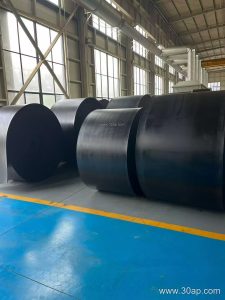
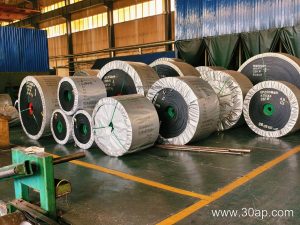
The EP1250 Conveyor Belt is a fabric-core rubber belt built around polyester (E) and nylon (P) warp and weft yarns. The designation EP1250 refers to the belt’s nominal tensile strength of 1250 N/mm per ply, placing it in the upper-mid range of EP Conveyor Belt grades. It is an EP Fabric Core Conveyor Belt that balances high strength with flexibility, making it a practical choice for long overland conveyors and demanding bulk material transport in mining, cement, and power plant operations.
Construction and Layered Design
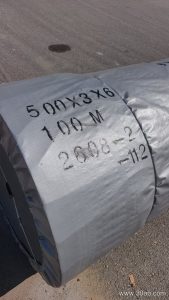
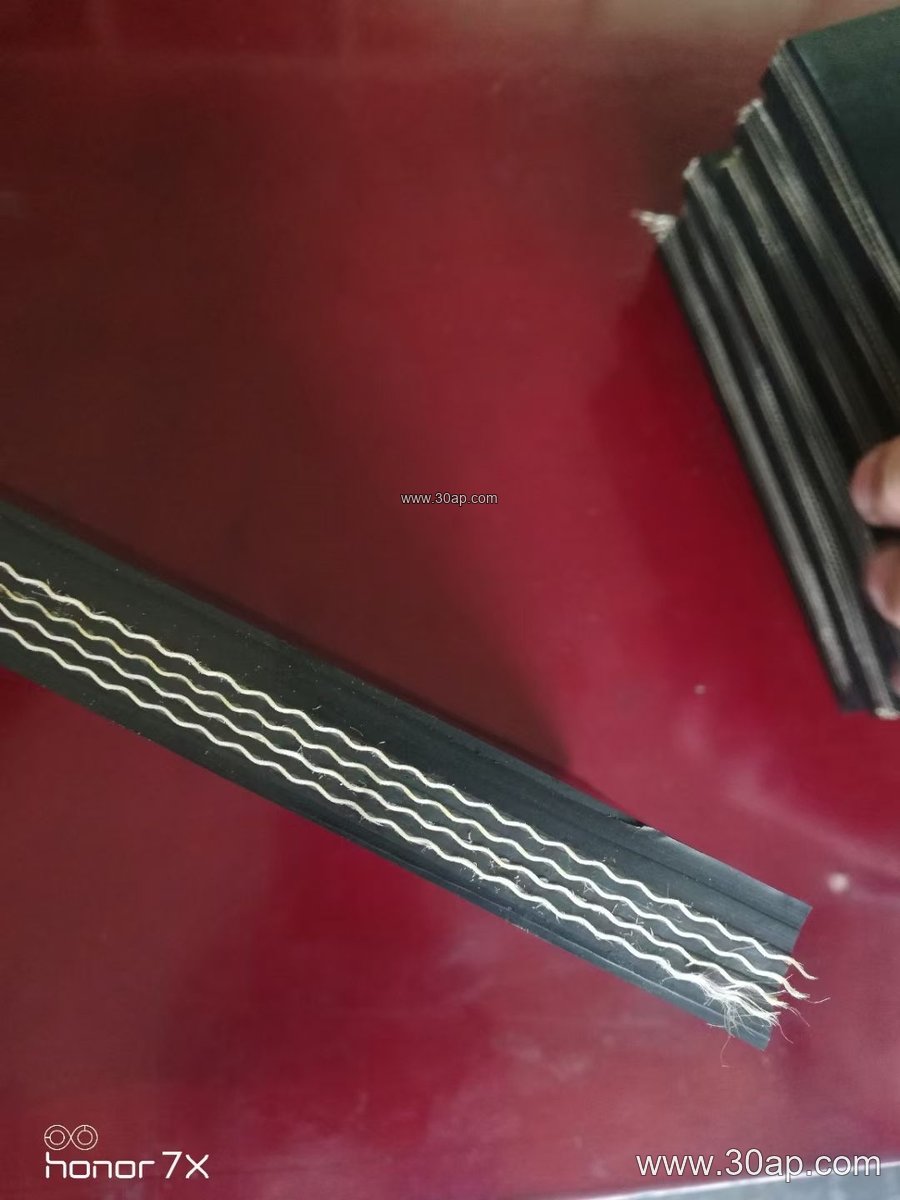
An EP1250 belt typically uses multiple plies of EP fabric—commonly 2 to 6 layers depending on the required strength and troughability. The fabric core is bonded with rubber skim compounds and protected by top and bottom cover rubber. Cover thickness is usually specified in pairs such as 4+2 mm, 5+2 mm, or 6+2 mm, with the first figure indicating the top cover and the second the bottom cover. The rubber covers can be formulated for abrasion resistance, heat resistance, flame retardancy, or oil resistance, allowing the same core construction to serve different industrial environments.
The belt’s splice strength and fatigue resistance depend heavily on the fabric quality and the Vulcanized splice or mechanical fastener method used. For permanent installations, a vulcanized splice is common; for shorter or temporary conveyors, mechanical fasteners may be used. Proper splicing helps the EP1250 conveyors run true and reduces edge damage.
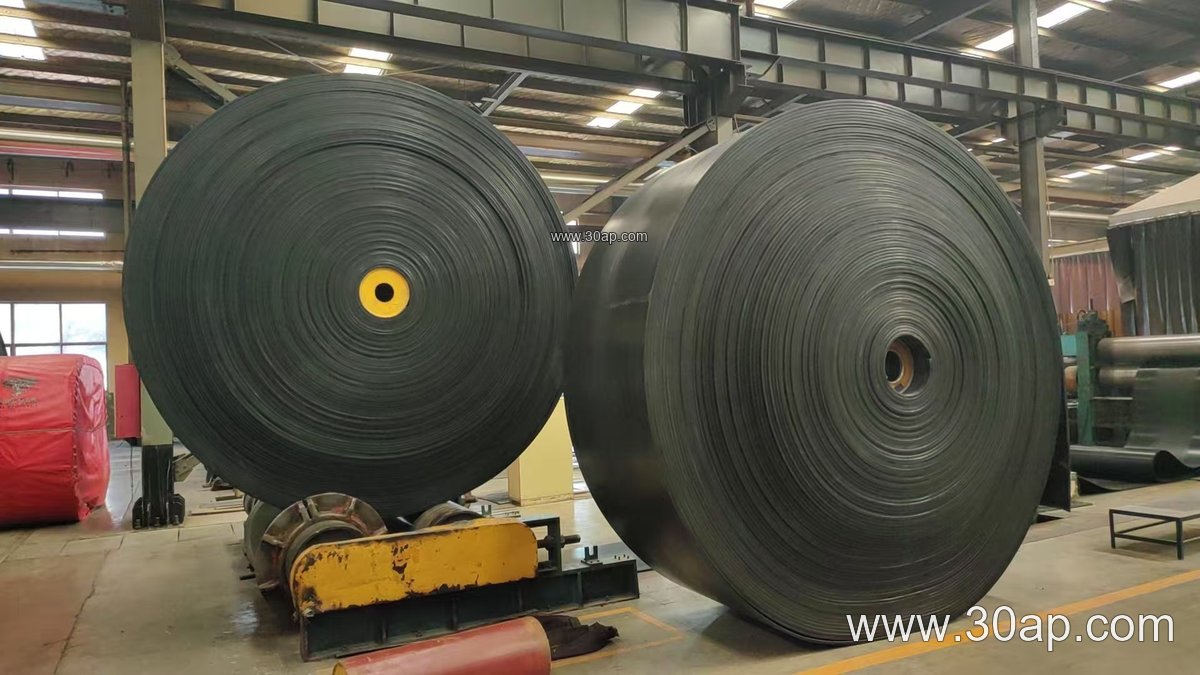
Where EP1250 Belts Are Used
This belt grade is frequently found in primary and secondary crushing circuits, raw material stockpiles, and transport lines where moderate to high tension is required. Typical industries include:
- Mining and quarrying: moving ore, rock, and aggregate from crushers to screening plants.
- Cement plants: conveying clinker, limestone, and raw meal.
- Power plants: coal handling systems where flame retardant grades may be specified.
- Ports and ship loading: bulk material transfer on high-capacity conveyors.
- Sand and gravel operations: linking washing and sizing equipment.
Because the EP1250 Conveyor Belt offers higher strength than lower EP grades such as EP630 or EP800, it suits conveyors with longer centers or higher lift. It can also be compared with NN Conveyor Belt constructions, where nylon fabric provides high elongation and impact resistance; however, EP fabric generally offers lower stretch and better dimensional stability under steady load. For extremely high tensions or very long conveyors, a Steel Cord Conveyor Belt may be more appropriate, but the EP1250 remains a cost-effective solution for many mid-range duties.
Specifications and Available Options
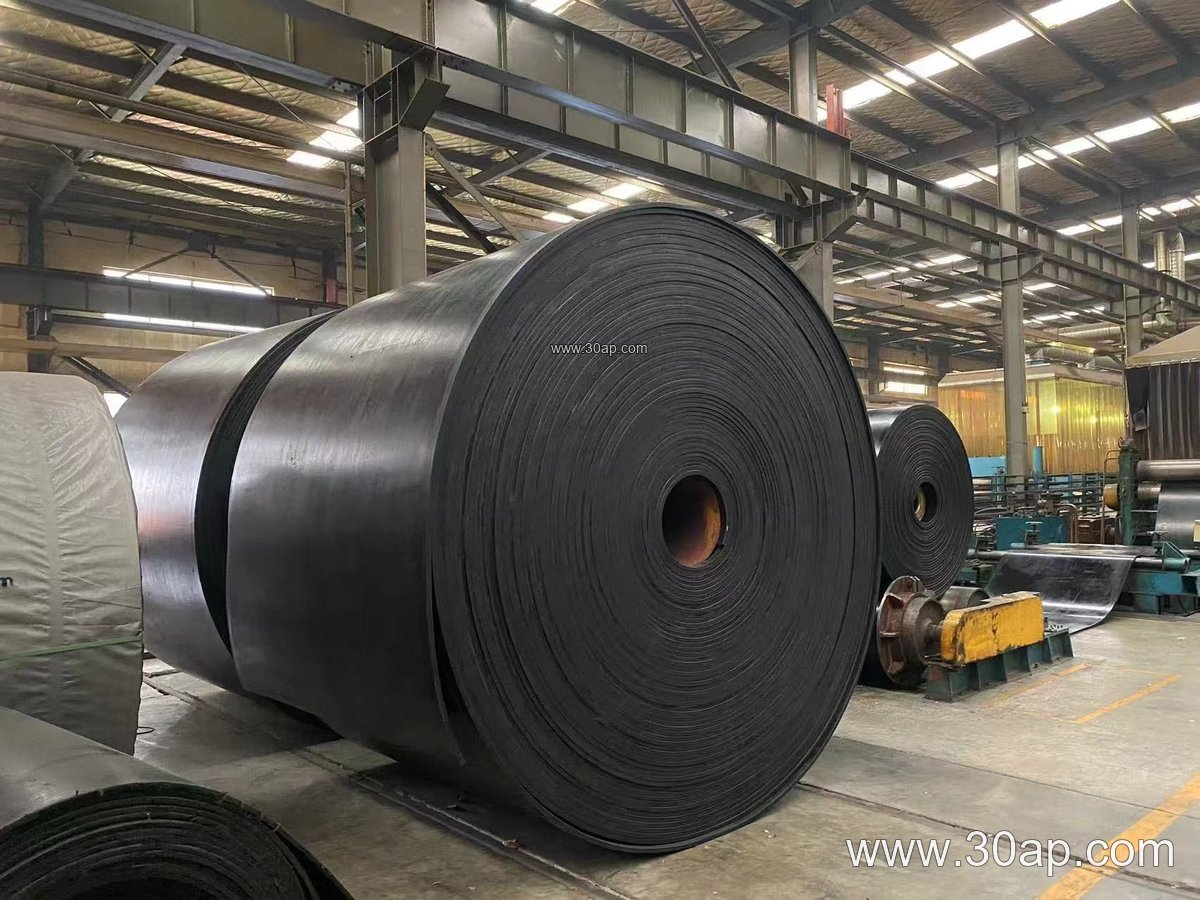
Buyers should confirm the following parameters with the supplier, as values vary by manufacturer and application. The table below shows common reference ranges; they are not universal supply promises.
| Parameter | Common Reference Range |
|---|---|
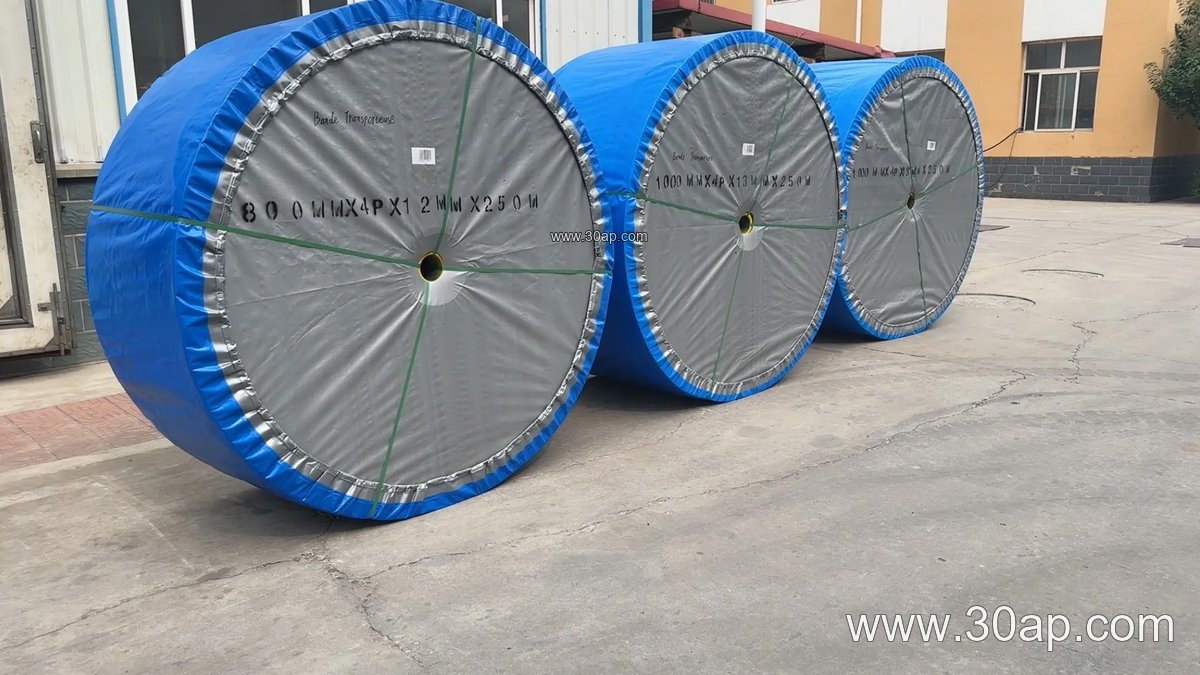
| Belt width | B500, B650, B800, B1000, B1200, B1400, B1600, B1800, B2000 mm |
| Number of plies | 2 to 6 |
| Cover thickness | 3+1.5, 4+2, 5+2, 6+2, 8+3 mm |
| Strength grade | EP1250 (nominal 1250 N/mm per ply) |
| Cover properties | Abrasion resistant, heat resistant, flame retardant, oil resistant, anti-static, cold resistant |
Width and cover thickness are selected based on lump size, capacity, and loading conditions. A wider belt such as 1800 mm may be used where large lumps and high throughput are present, while a 1200 mm width might suit a medium-capacity crushing line. The EP1250 grade can be supplied with different cover compounds, including Abrasion Resistant Conveyor Belt covers for sharp rock and Heat Resistant Conveyor Belt covers for clinker or sinter. In coal mining, a Flame Retardant Conveyor Belt or Anti-Static Conveyor Belt version is often required for underground use.
Buyer Checklist for EP1250 Belts
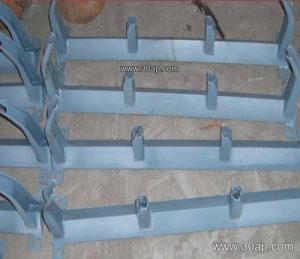
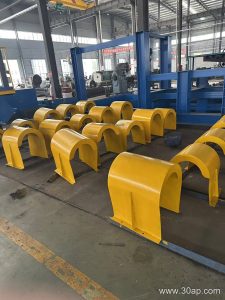
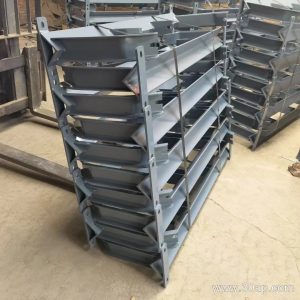
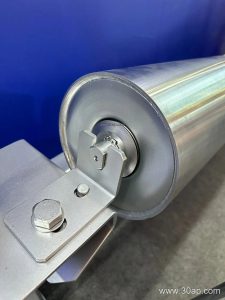
Before ordering, gather the conveyor design details: belt width, center distance, lift, capacity in tons per hour, maximum lump size, and ambient temperature. Confirm the required cover grade and whether the belt must meet flame retardant or anti-static requirements. Check the pulley diameters with the belt manufacturer—drive pulley, tail pulley, and bend pulley each have a minimum recommended diameter for a given belt construction, and these pulleys are not interchangeable in function. The conveyor pulley selection affects belt life and splice fatigue. Also review the idler roller spacing and conveyor bracket condition to avoid belt sag or edge wear.
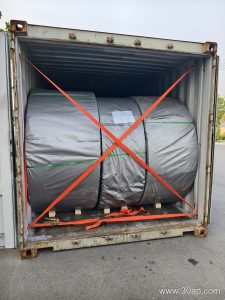
For maintenance, inspect the EP1250 Conveyor Belt regularly for edge fraying, cover gouges, and splice integrity. Keep the belt tracking well by adjusting idlers and pulleys. Store spare belts in a dry, shaded area away from ozone sources. When replacing a belt, verify that the new EP1250 matches the original strength and cover grade; substituting a lower grade may reduce service life, while a higher grade may require larger pulley diameters than the existing conveyor pulley can accommodate.
For more information on fabric core belts, conveyor pulleys, and idler rollers, please visit our website at www.example.com/ep1250-conveyor-belt or www.example.com/conveyor-pulley. Our team can help match the right EP1250 Conveyor Belt to your mining, cement, or power plant application.