What a 1800mm Conveyor Belt Is
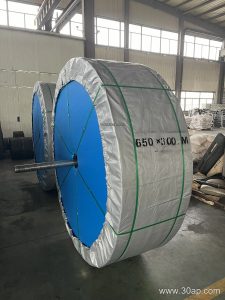
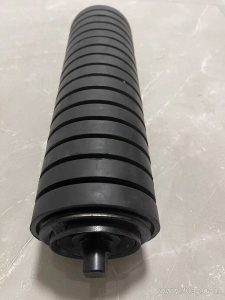
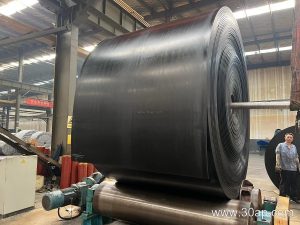
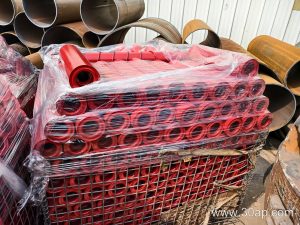
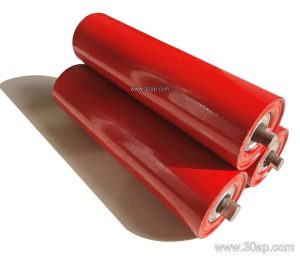
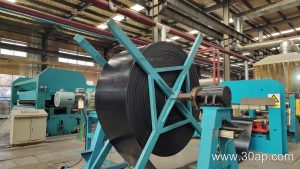
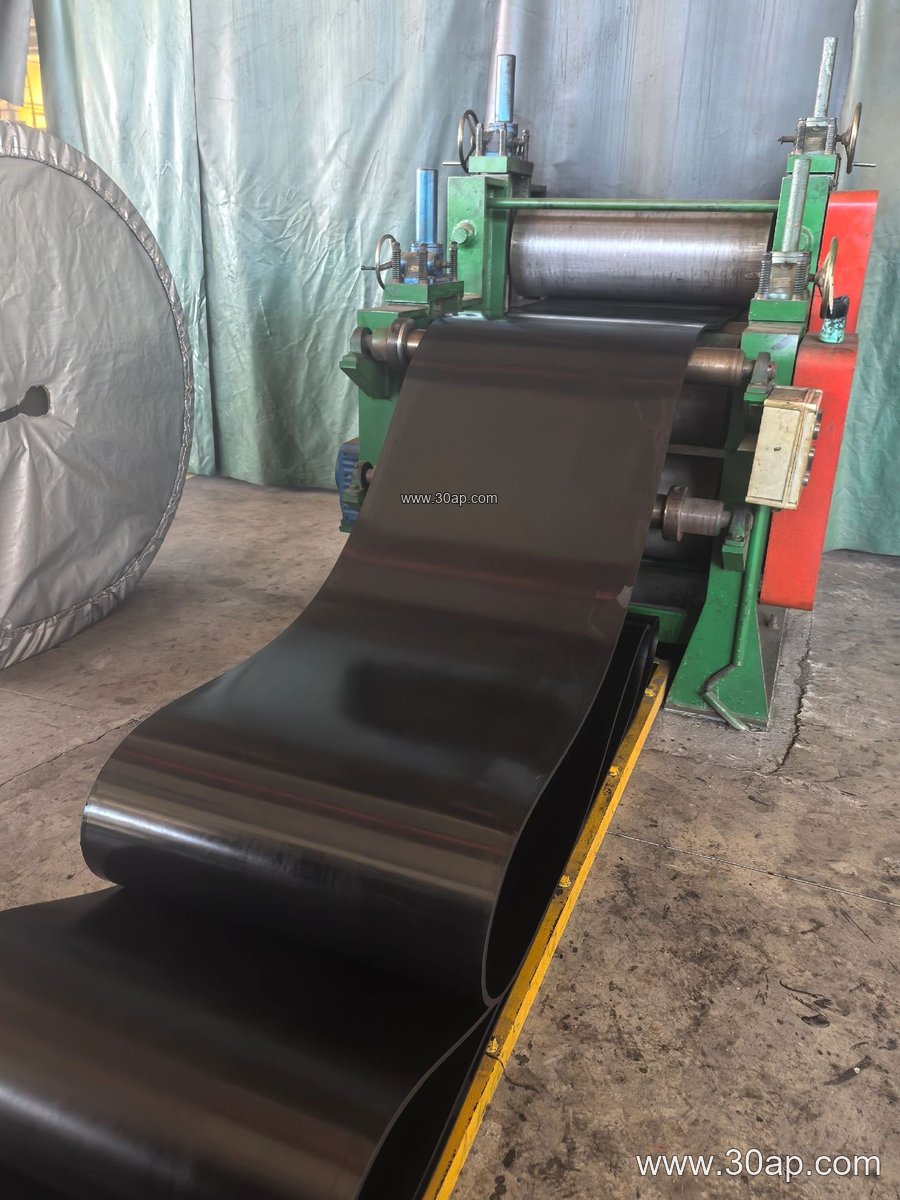
A 1800mm conveyor belt is a wide-profile belt designed for high-volume bulk material transport. The 1800mm width refers to the belt’s overall breadth, making it a common choice in mining, coal preparation, cement plants, power stations, and large quarry or aggregate operations where substantial tonnage must move efficiently. This belt is often part of a heavy-duty conveyor system that includes idler rollers, conveyor pulleys, and sturdy conveyor brackets to support the load.
While the width is the defining dimension, the belt’s construction and compound determine its actual performance. Buyers will encounter this size in several constructions, including EP conveyor belt, steel cord conveyor belt, and multi-ply fabric core conveyor belt. Each type serves different tension and impact requirements.
Construction and Material Options
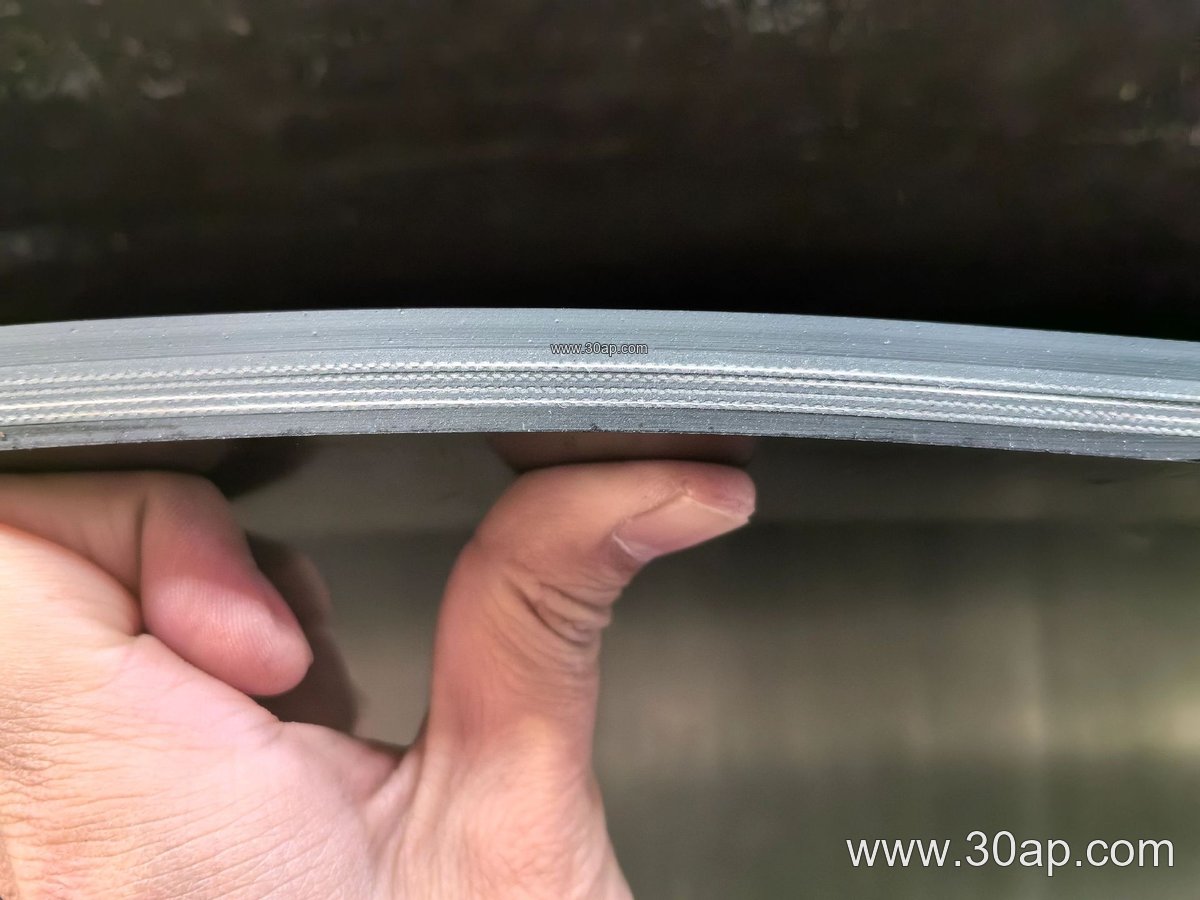
An 1800mm wide conveyor belt is typically built with a fabric or steel cord carcass covered by rubber layers. The carcass provides strength and maintains longitudinal stability, while the cover compounds protect against wear, heat, oil, or flames. Common carcass types for this width include:
- EP conveyor belt – polyester-nylon fabric core, offering a balance of strength and low elongation. Grades like EP400, EP630, or EP1000 are often selected for wide belts handling abrasive ore or coal.
- Steel cord conveyor belt – used for very long haulage or high-tension applications. ST1250 or ST1600 may appear in 1800mm widths for mainline transport in mines and ports.
- NN conveyor belt – nylon-nylon fabric core, known for high elasticity and impact resistance, suitable for crusher discharge points.
Cover rubber thickness and quality are equally important. Common cover combinations for heavy-duty service include 6+2 mm, 8+3 mm, and 10+4 mm, with abrasion resistant, heat resistant, or flame retardant grades. A 1800mm belt in a coal mining conveyor system may require flame retardant and anti-static properties, often specified as PVG conveyor belt or PVC mining conveyor belt for underground use.
Where 1800mm Belts Are Used
The primary applications for an 1800mm conveyor belt are those that demand high capacity and wide load distribution. In the mining industry, these belts are found in primary crushing circuits, overland conveyors, and ship loading systems. Cement plants use them to transport clinker, limestone, and raw meal. Power plants rely on wide belts for coal handling from stockpile to boiler. Quarries and sand making plants use 1800mm belts to move large volumes of crushed stone and aggregate.
Specific industries and typical duties include:
- Coal mining and underground coal mining – flame retardant, anti-static belts with robust covers.
- Iron ore and copper ore handling – high abrasion resistant conveyor belt with thick covers.
- Ports and ship loading – heavy-duty conveyor belt with high strength splices.
- Cement and clinker – heat resistant conveyor belt where material temperature is elevated.
In all these settings, the belt works with conveyor pulleys (drive, tail, and bend pulleys) and idler rollers to maintain proper tracking and support. The 1800mm width requires careful alignment of these components to prevent edge damage and material spillage.
Specifications and Selection Factors
When selecting an 1800mm conveyor belt, engineers consider belt tension, load support, and environmental conditions. The following table lists common reference values for wide belts, but actual specifications should be confirmed with the manufacturer based on the conveyor design.
| Parameter | Common Range or Example | Notes |
|---|---|---|
| Belt width | 1800 mm (B1800) | Nominal width, subject to tolerance |
| Fabric core type | EP, NN | EP1000, EP1250, NN300 common for high tension |
| Steel cord grade | ST1250, ST1600, ST2000 | For long distance or high incline |
| Number of fabric plies | 2 to 6 | Multi-ply fabric core conveyor belt |
| Top cover thickness | 6 mm, 8 mm, 10 mm | Abrasion resistant or heat resistant |
| Bottom cover thickness | 2 mm, 3 mm, 4 mm | Depending on pulley contact |
| Cover grade | Flame retardant, anti-static, oil resistant | Match to material and environment |
| Belt edge type | Cut edge or molded edge | Molded edge preferred for wide belts |
Belt strength class must suit the calculated tension. For a 1800mm belt, EP1000 or EP1250 are frequently adequate for medium-duty service, while ST1600 or ST2000 steel cord belts may be needed for high lift or long center distances. The number of plies and cover thickness affect flexibility and load support; a stiffer belt may require larger diameter pulleys, but there is no fixed rule linking a specific width to a specific pulley diameter.
Buyer Checklist and Maintenance Notes
Before ordering a 1800mm conveyor belt, gather the following information:
- Conveyor center distance, lift, and capacity (t/h).
- Belt speed and material lump size, temperature, and abrasiveness.
- Drive configuration and pulley diameters (drive, tail, bend).
- Environmental conditions: underground, outdoor, wet, oily, or dusty.
Proper maintenance extends belt life. Keep idler rollers turning freely, check pulley lagging, and ensure conveyor brackets are secure. Misalignment at 1800mm width can cause edge wear and reduced capacity. For coal mining or underground applications, verify flame retardant and anti-static properties regularly. For cement or clinker, monitor heat resistant cover condition. A well-selected 1800mm belt, matched with quality idlers and pulleys, will deliver reliable service in the most demanding bulk handling operations.