What a Vertical Idler Bracket Does
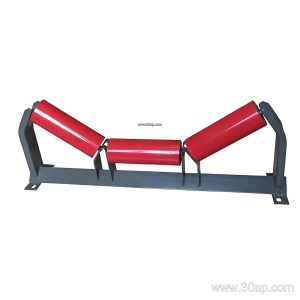
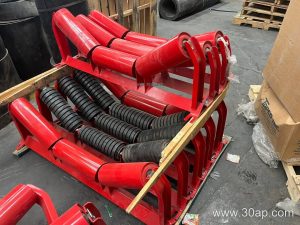
A vertical idler bracket is a support component that holds idler rollers in a near-vertical orientation along a conveyor line. Instead of spreading the rollers into the familiar trough shape, this bracket positions them upright or at a steep angle, which helps guide the belt edge, control belt tracking, and support the load in layouts where a conventional horizontal frame will not fit. In a quarry or a tunnel spoil line, the vertical arrangement can save lateral space and reduce spillage at transfer points. The bracket works together with the conveyor belt, the idler roller set, and the surrounding conveyor bracket structure, so its geometry must match the frame it bolts onto.
The same component is also called an upright idler bracket or a vertical roller support bracket. These are equivalent names for the same product, and buyers may see either on a drawing.
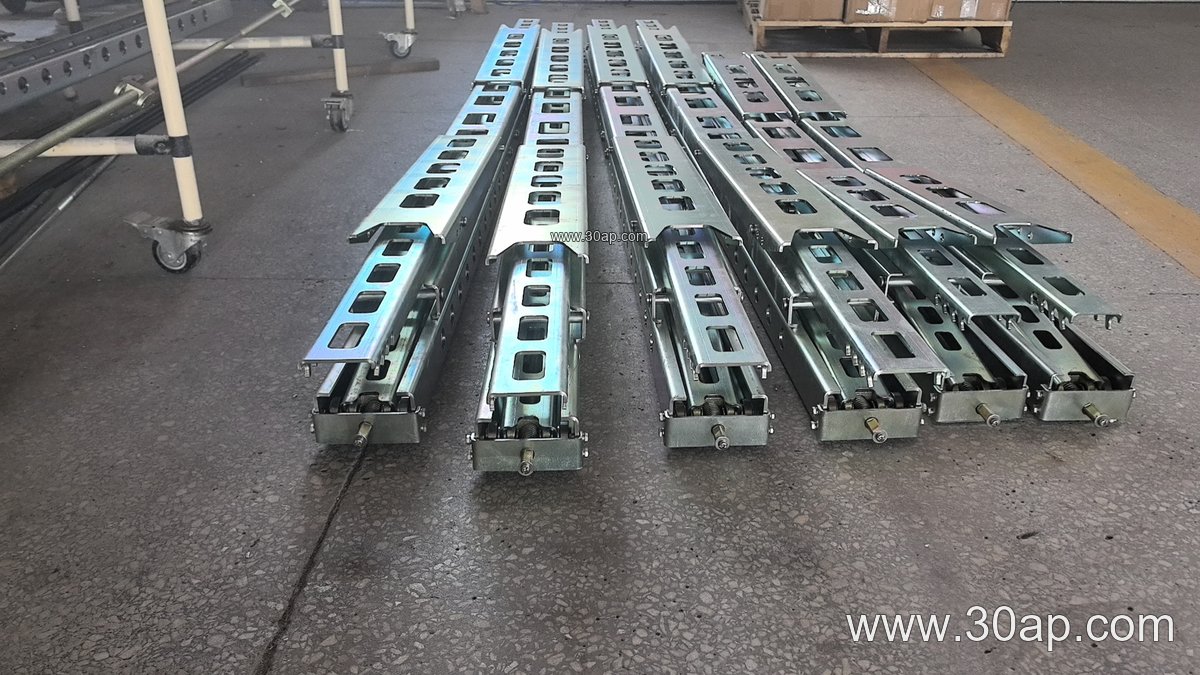
Construction and Mounting Details
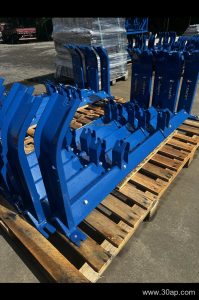
Most vertical idler brackets are fabricated rather than cast. Common materials are angle steel, channel steel, and folded steel plate, with welded gussets where the load path needs stiffening. The bracket usually carries a base plate with slotted or drilled holes, a vertical riser, and a roller seat or pin that accepts the idler shaft. Because the roller sits upright, the bracket must resist bending moments that a flat frame does not see, so plate thickness and weld quality matter more than they do on a simple lower flat bracket.
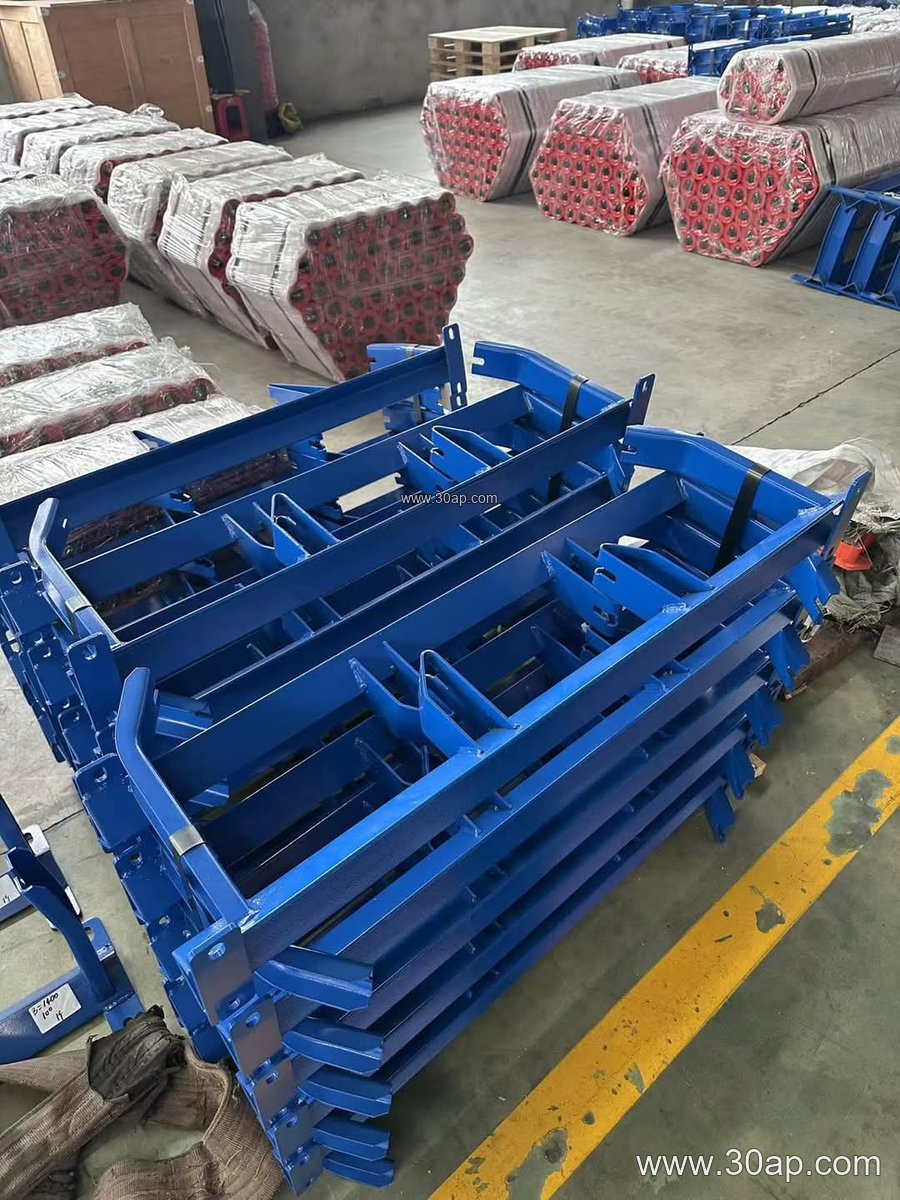
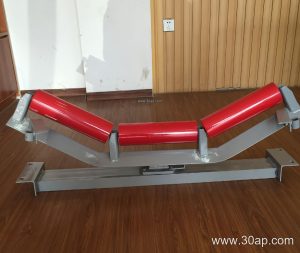
Installation typically places the bracket on the stringer or cross beam, aligned so the roller face is square to the belt path. Slotted holes allow minor adjustment during alignment. A buyer should confirm the mounting hole spacing and the cross beam length, since these change with belt width and the chosen roller angle rather than staying fixed.
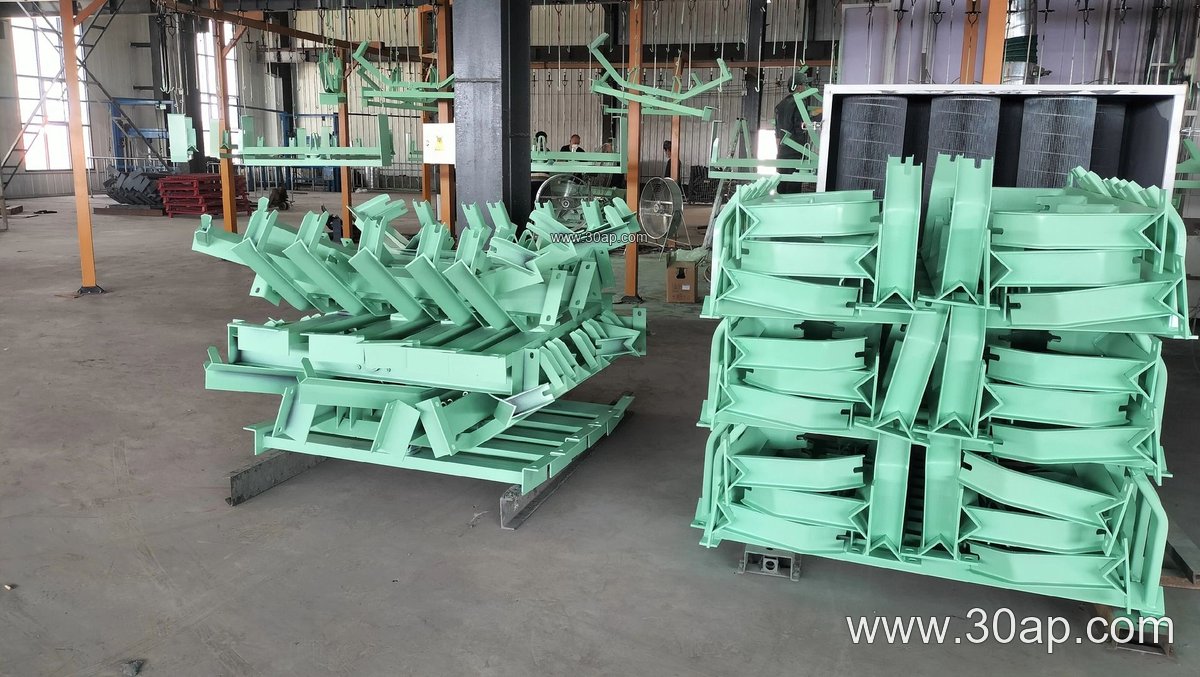
Where It Fits in the Conveyor
Vertical brackets appear most often at belt edges, at transition zones, and in confined structures such as transfer towers, mobile crushing plants, and ship loading booms. In a cement plant or a power plant coal yard, they may be used where the frame narrows and a standard trough set cannot be installed. They also show up on steep sections where the belt needs edge guidance to stay centered, especially when a corrugated sidewall conveyor belt or a chevron conveyor belt is running.
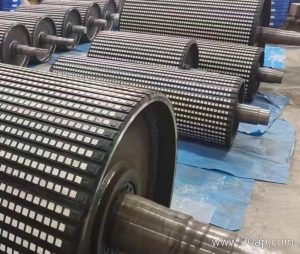
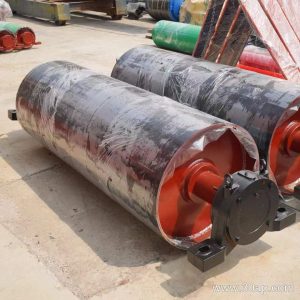
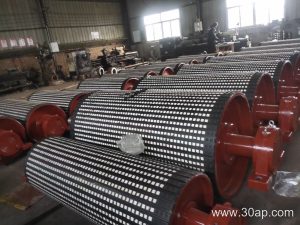
It is worth noting that a vertical bracket is not a substitute for a bend pulley or a tail pulley. Pulleys redirect the belt and transmit tension, while this bracket only supports and positions idlers. The two are different components with different jobs.
Matching Belt Width, Roller Diameter and Angle
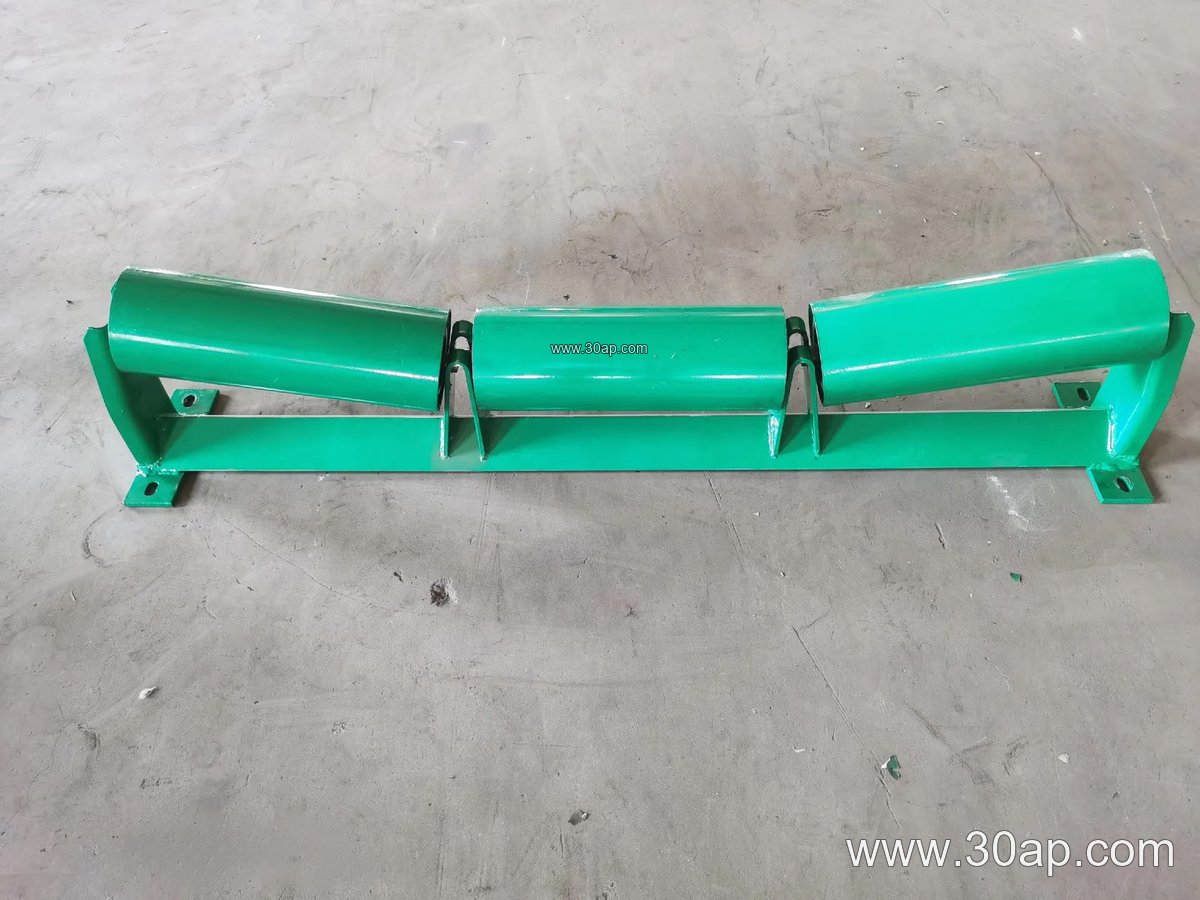
Selection starts with the belt width and the roller diameter already used on the line, so that the vertical bracket keeps the same roller family and spare parts stay common. Typical reference combinations include B800 with a 35 degree trough set and Ø108 rollers, or B1200 with a 45 degree set and Ø133 rollers, but these are examples rather than fixed rules. The angle of the vertical seat is set by design, and adjustable brackets can be shifted between common angles during commissioning.
| Reference Item | Common Range | Notes |
|---|---|---|
| Belt width | B500 to B2200 | Match the existing frame |
| Roller diameter | Ø89, Ø108, Ø133, Ø159, Ø194 | Follow the line standard |
| Trough angle | 20, 30, 35, 45 degrees | Adjustable versions vary |
| Fabrication material | Angle, channel, folded plate | By design and load |
For heavy-duty mining conveyor belt duties, a thicker bracket plate is often specified, and the roller seat may be reinforced. On an abrasion resistant conveyor belt line handling iron ore or copper ore, the bracket should be checked for vibration loosening as well as static load.
Buyer Checklist
- Confirm the mounting hole pattern and beam length against the existing conveyor bracket drawing.
- State the roller diameter and the angle required, not just the belt width.
- Ask whether the bracket is fixed or adjustable, since adjustable units cost more but simplify alignment.
- Check the surface treatment for the site: a wash plant or port terminal needs more corrosion protection than a dry silo.
- Keep bracket, idler roller, and pulley suppliers aligned so spares interchange correctly.
For a fabric core conveyor belt line in a sand and gravel plant, or an EP conveyor belt running in a limestone mine, a correctly sized vertical bracket reduces edge damage and belt misalignment. Buyers comparing quotes should ask for the bracket drawing rather than a photo alone, because the drawing shows the hole spacing, plate thickness, and roller seat that determine whether the part will fit.