What a 6206 Bearing Idler Is
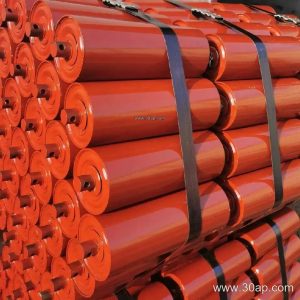
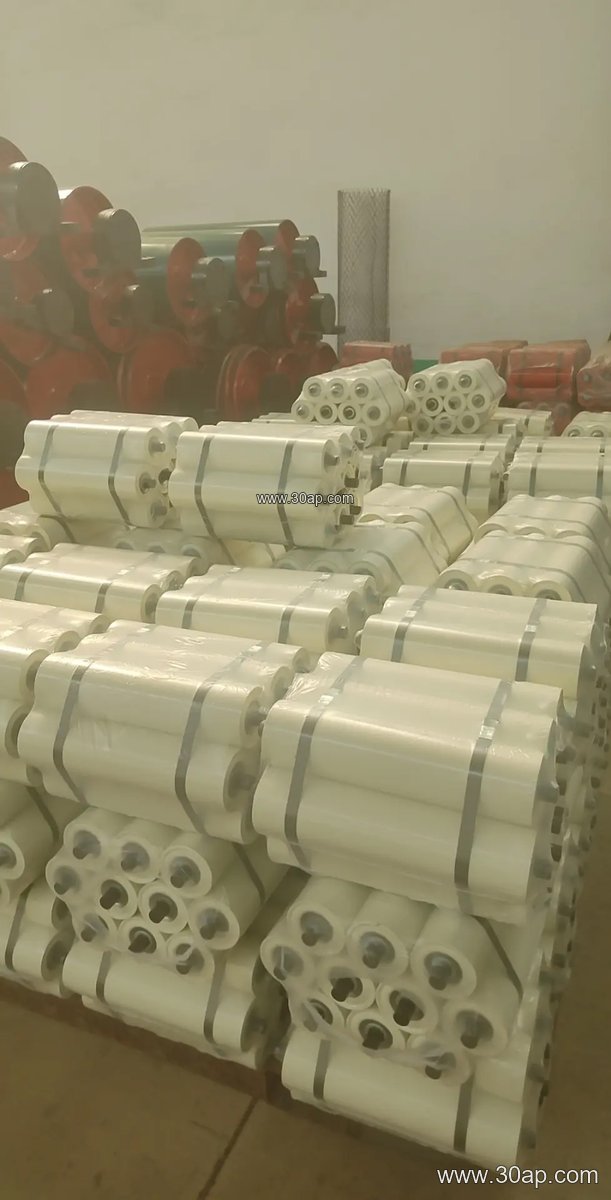
A 6206 bearing idler is a conveyor idler roller built around a 6206 deep groove ball bearing. This bearing size is a common choice for medium-duty idler rollers, and the idler itself is the rotating component that supports the conveyor belt along its carrying and return runs. In a typical conveyor structure, these idlers sit in frames or brackets and keep the belt moving smoothly while carrying bulk materials such as ore, coal, clinker, or aggregate.
The term “6206 bearing idler” describes the bearing fitment rather than a single fixed roller design. The same bearing can be used in idlers with different roll diameters, shell materials, and sealing arrangements, so buyers should treat it as a bearing-based specification rather than a complete idler model.
Construction and Bearing Details
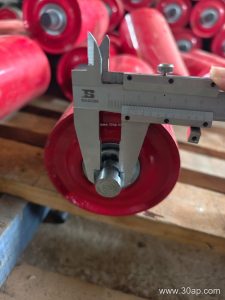
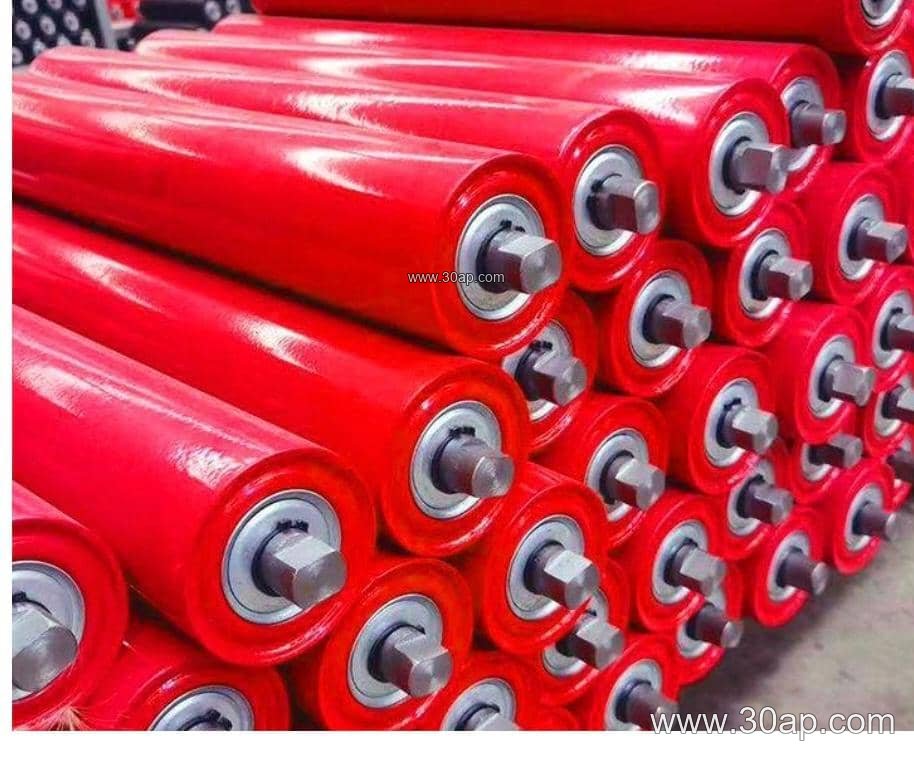
An idler roller with a 6206 bearing usually consists of a steel tube shell, bearing housings at each end, a shaft, and sealing components. The 6206 bearing has a bore of 30 mm, an outer diameter of 62 mm, and a width of 16 mm. These dimensions are standard for the bearing itself, not for the idler. The roller shell diameter, shaft diameter, and overall length are determined by the conveyor design and the idler manufacturer.
Sealing is critical in dusty environments such as a quarry, coal preparation plant, or cement plant. Common sealing approaches include labyrinth seals, contact seals, and grease retention features. The bearing is often pre-lubricated and may be protected by a multi-stage seal to keep out fine particles and moisture. The choice of seal affects maintenance intervals and suitability for wet or abrasive conditions.
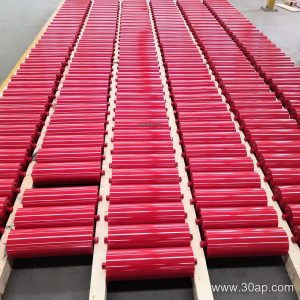
Roll surface options include plain steel, nylon, ceramic, or rubber rings. Rubber rings are sometimes used on impact or buffer idlers to reduce shock loading at transfer points. For a 6206 bearing idler, the shell material and surface treatment should match the material being conveyed and the environmental conditions.
Where It Fits in a Conveyor
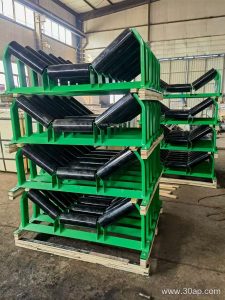
6206 bearing idlers are used in carrying idler sets, return idler sets, and transition sections. In a three-roll troughing set, the center roll and side rolls may use this bearing size depending on the load and belt width. They are also found in flat return idlers and V-return idlers. The idler is mounted in a conveyor bracket or frame, and the belt runs over the rolls.
Typical applications include:
- Aggregate and sand plants handling crushed stone and gravel
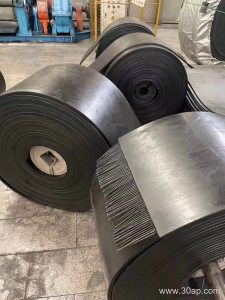
- Coal mining and coal preparation plants using flame retardant conveyor belts
- Cement plants moving clinker and raw meal
- Power plant coal handling systems
- Port bulk terminals loading and unloading bulk materials
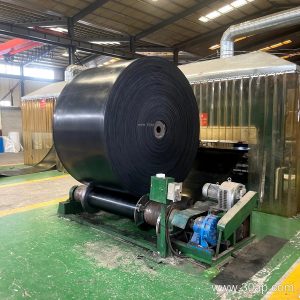
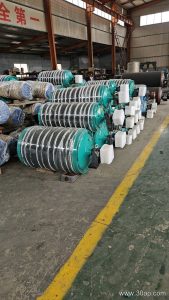
In these settings, the idler works alongside the conveyor belt, conveyor pulley, and conveyor bracket. For example, a heavy-duty mining conveyor belt may require robust idlers with reliable sealing, while a food grade conveyor belt would need idlers with suitable surface materials and cleanability.
Specifications and Selection Notes
When specifying a 6206 bearing idler, consider the following parameters. The table below lists common reference values; actual dimensions should be confirmed with the idler manufacturer and conveyor design.
| Parameter | Common Reference | Notes |
|---|---|---|
| Bearing model | 6206 | Deep groove ball bearing, bore 30 mm |
| Roll diameter | Ø89, Ø102, Ø108, Ø127, Ø133 | Selected by load and belt width |
| Belt width | B500 to B1400 | Idler length varies with trough angle and roll arrangement |
| Trough angle | 20°, 30°, 35°, 45° | Affects material containment and belt training |
| Roll surface | Steel, nylon, ceramic, rubber ring | Rubber rings for impact absorption |
| Sealing | Labyrinth or contact seal | Dust and water resistance |
Roll length is not fixed by belt width alone. For a three-roll troughing set, common roll lengths may be around 200 mm for B500, 250 mm for B650, 315 mm for B800, 380 mm for B1000, and 465 mm for B1200. These are examples only; side rolls and center rolls can differ, and the final length must be confirmed by the conveyor designer.
Do not assume that one belt width matches only one pulley diameter or one idler roll diameter. The 6206 bearing idler can be paired with different roll diameters as long as the bearing housing and shaft are designed accordingly. Similarly, the shaft diameter is not determined by belt width alone.
Buyer Checklist
Before ordering, confirm the bearing model, roll diameter, roll length, shaft diameter, sealing type, and surface material. Check compatibility with the conveyor bracket and the belt width. For abrasive or high-impact service, consider rubber ring idlers or reinforced seals. In coal mining or underground applications, look for idlers that match the flame retardant conveyor belt requirements and local safety practices.
Maintenance includes periodic inspection for bearing noise, seal damage, and roller seizure. Replacing worn idlers early helps protect the conveyor belt from tracking problems and edge damage. Keep spare 6206 bearing idlers on hand for critical conveyors in crushing, screening, and bulk handling operations.