What an Idler Bracket Does on a Conveyor
An idler bracket is the structural part that holds a conveyor idler roller in position along the frame. It sets the height, angle and spacing of the roller so the conveyor belt keeps a stable profile while carrying material. In a quarry, a coal washing plant or a cement kiln feed line, these brackets are often the quiet workhorses that decide whether the belt tracks straight or wanders.
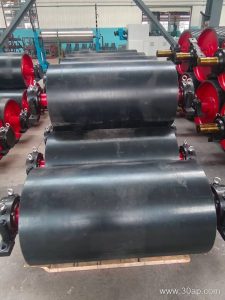
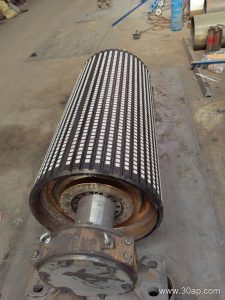
The bracket is not a pulley. Drive pulleys and tail pulleys transmit motion, while the bracket simply supports the idler roller and the belt. Confusing the two leads to the wrong spare part, so buyers should always match the bracket to the frame and idler, not to the pulley.
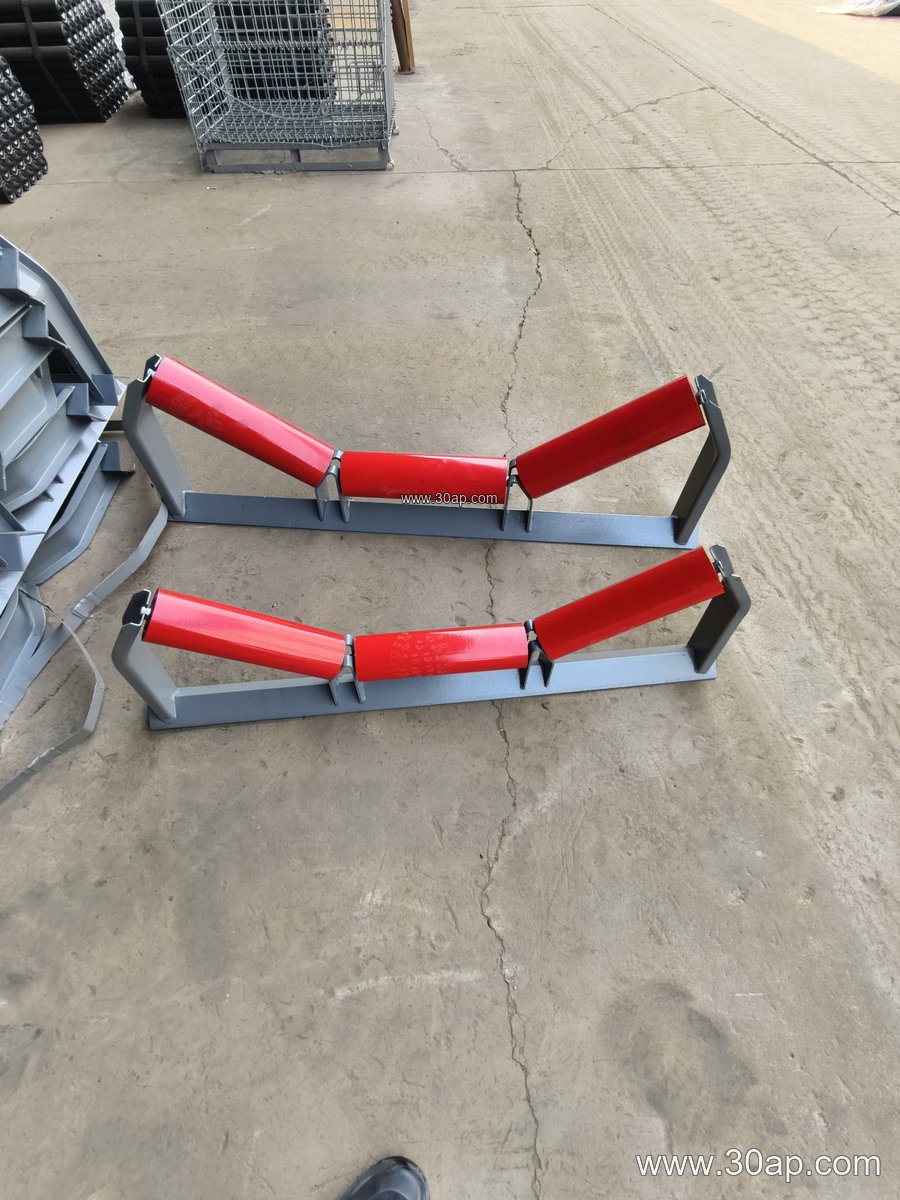
How the Bracket Is Built
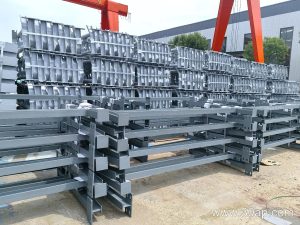
Most units are fabricated from angle steel, channel steel or folded steel plate. A troughing bracket carries three idlers in a trough shape; a return bracket holds the belt on the return run. Installation hole spacing and crossbeam length follow the belt width and trough angle, so they are usually made to order rather than stocked in one universal size.
- Troughing and upper trough brackets for the carrying side
- Transition brackets near pulleys and loading points
- Return and V-return brackets for the lower run
- Impact brackets at transfer chutes
- Self-aligning and forward-leaning brackets for belt training
- Suspended and adjustable brackets for difficult frames
Common trough angles are 20, 30, 35 and 45 degrees. Adjustable designs let maintenance teams change the angle on site. Forward-leaning brackets usually sit at about 1.5 to 2 degrees to help center the belt. Roller diameters such as Ø89, Ø108, Ø133, Ø159 and Ø194 are matched to the belt width and load, not fixed by the bracket alone.
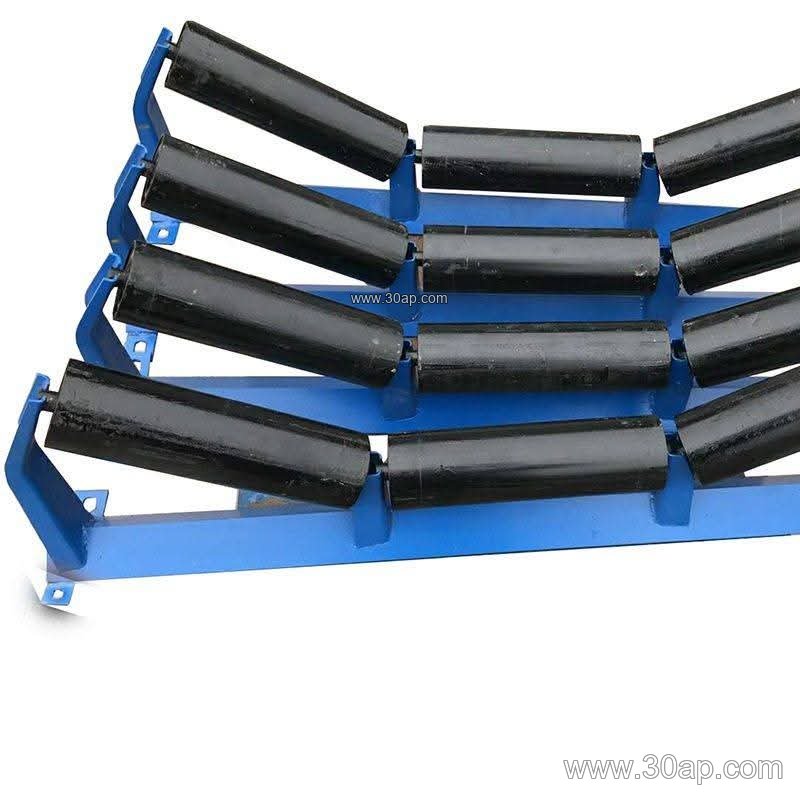
Matching Bracket, Roller and Belt Width
Belt width is the first reference point. A B650 frame with 30-degree troughing and Ø89 rollers behaves very differently from a B1200 frame with 45-degree troughing and Ø133 rollers. Neither is wrong; each is a design choice. Below are typical reference combinations, not mandatory pairings.
| Belt width | Common trough angle | Typical roller diameter |
|---|---|---|
| B500 | 20–30 degrees | Ø89 |
| B650 | 30 degrees | Ø89–Ø108 |
| B800 | 30–35 degrees | Ø108 |
| B1000 | 35 degrees | Ø108–Ø133 |
| B1200 | 35–45 degrees | Ø133 |
| B1400 | 35–45 degrees | Ø133–Ø159 |
| B1600 | 45 degrees | Ø159 |
| B1800–B2000 | 45 degrees | Ø159–Ø194 |
Do not assume that one belt width can only use one trough angle or one roller diameter. The bracket, roller and belt should be selected together, and the frame hole pattern must match. For heavy-duty mining conveyor belt duties, a wider roller and a stiffer bracket reduce vibration at the load zone.
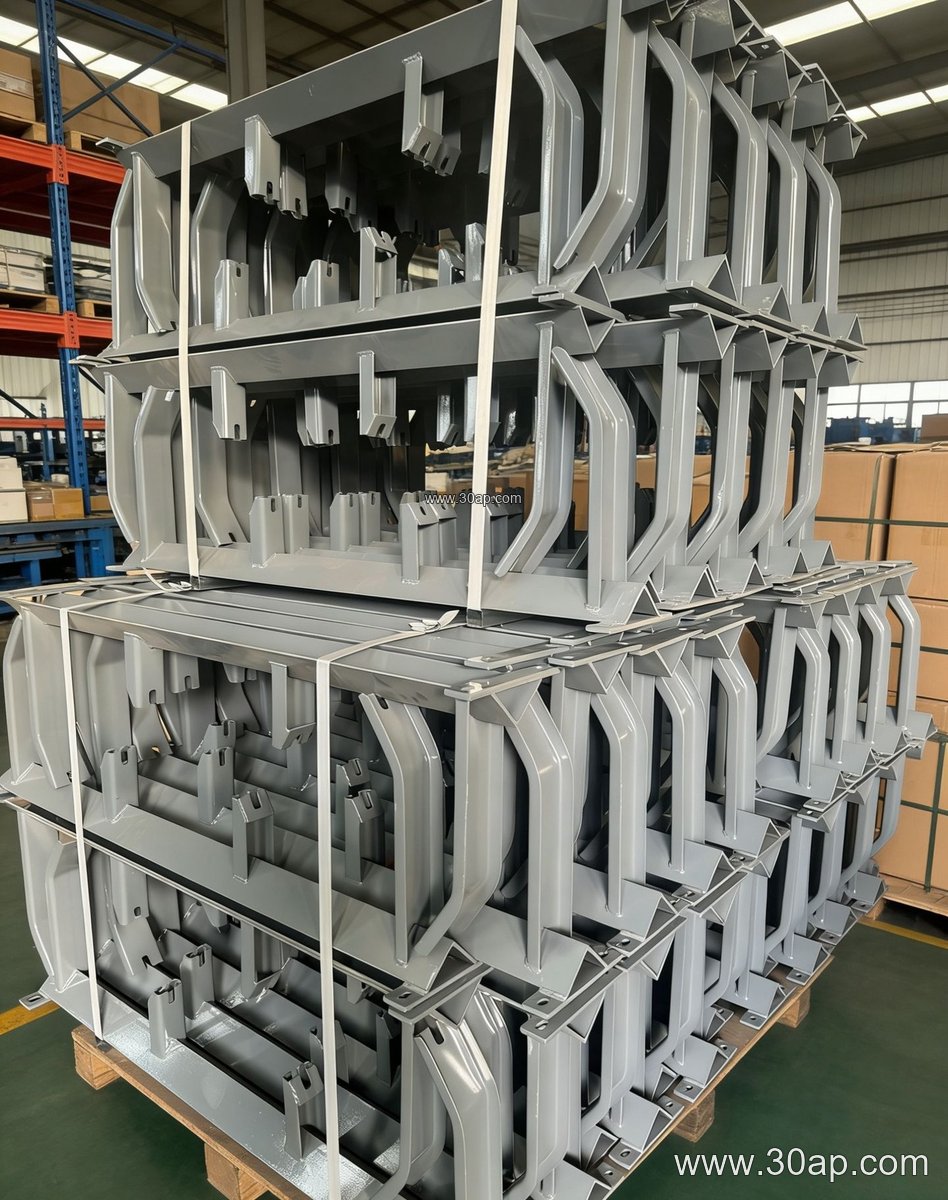
Where These Brackets Are Used
You will find them on belt conveyors in iron ore terminals, limestone quarries, aggregate crushing and screening lines, and power plant coal handling systems. A self-aligning bracket is useful on long overland runs where the belt tends to drift; an impact bracket is common under a crusher discharge chute where a rubber conveyor belt or steel cord conveyor belt takes heavy lumps. In food and chemical plants, stainless or coated brackets may be preferred, and anti-static or oil resistant belt grades often come with matching frame hardware.
On a pipe conveyor belt line or a corrugated sidewall conveyor belt system, the bracket geometry changes, but the principle stays the same: support the idler roller, keep the belt profile, and allow adjustment without cutting the frame.
Buyer Checklist Before Ordering
- Confirm belt width, trough angle and roller diameter as a set.
- Check installation hole spacing and crossbeam length against the existing frame.
- Decide between fixed and adjustable brackets for future maintenance.
- Specify the material and surface treatment for dusty or wet sites.
- Ask whether the bracket suits the belt type, such as an abrasion resistant conveyor belt or a flame retardant conveyor belt.
For more information on conveyor components, visit conveyoridlerhub.com and check our idler bracket range alongside conveyor idler roller and conveyor pulley options. A correct bracket keeps the belt centered, extends roller life and reduces downtime in the toughest material handling environments.