What a Mining Conveyor Bracket Does
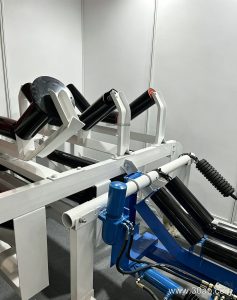
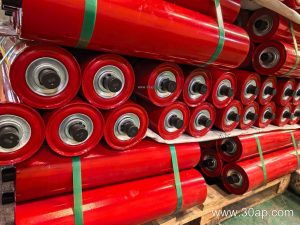
A mining conveyor bracket is the structural support that holds the idlers in the correct position under and over the belt. It carries the weight of the conveyor belt, the material load and the idler roller assembly, and keeps the belt profile stable along the whole run. Also called a conveyor idler bracket or idler frame, this component is small compared with the pulley or drive unit, yet it decides how evenly the belt sits and how long the idlers last.
In a quarry, limestone mine or sand and gravel line, a poorly aligned bracket shows up quickly as belt wander, spilled material and uneven idler wear. That is why the bracket should be treated as an engineered part of the conveyor, not as a simple piece of steel.
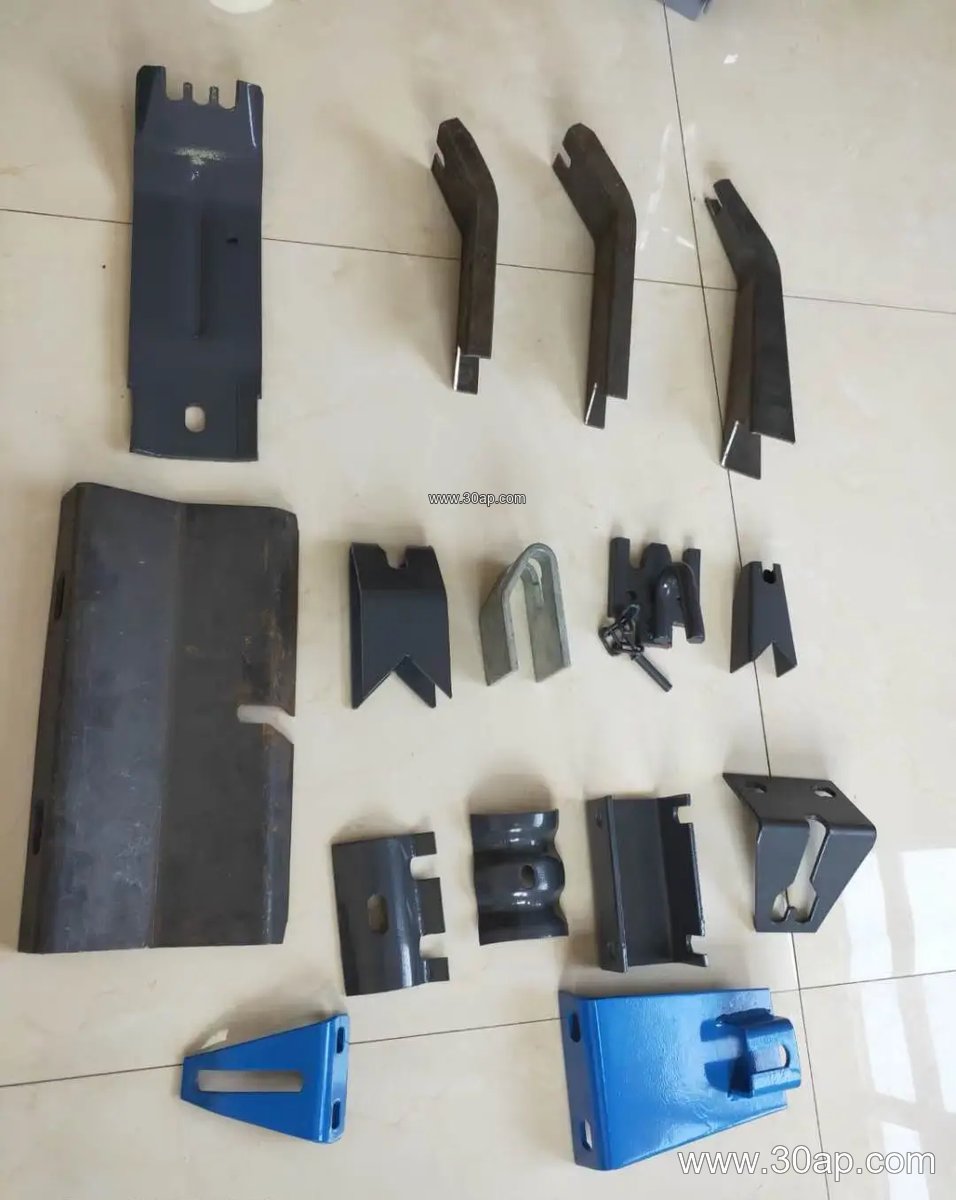
Construction and Common Forms
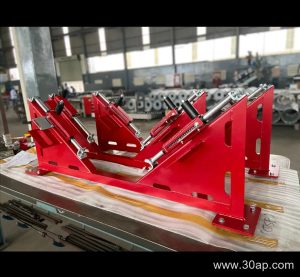
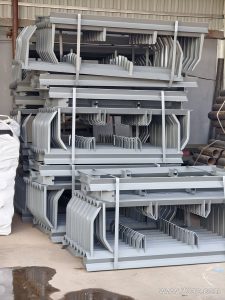
Most brackets are fabricated from angle steel, channel steel or folded steel plate. The material and thickness are usually chosen according to the load, the belt width and the environment. A dusty coal handling plant may call for a heavier frame, while a cement plant with moderate loading can use a lighter folded design.
Common forms include troughing brackets for the carrying side, return brackets and V-return brackets for the lower run, impact brackets under loading points, and self-aligning brackets that help correct belt tracking. Transition brackets ease the belt from the flat pulley into the trough profile, and adjustable brackets let maintenance staff fine-tune the trough angle.
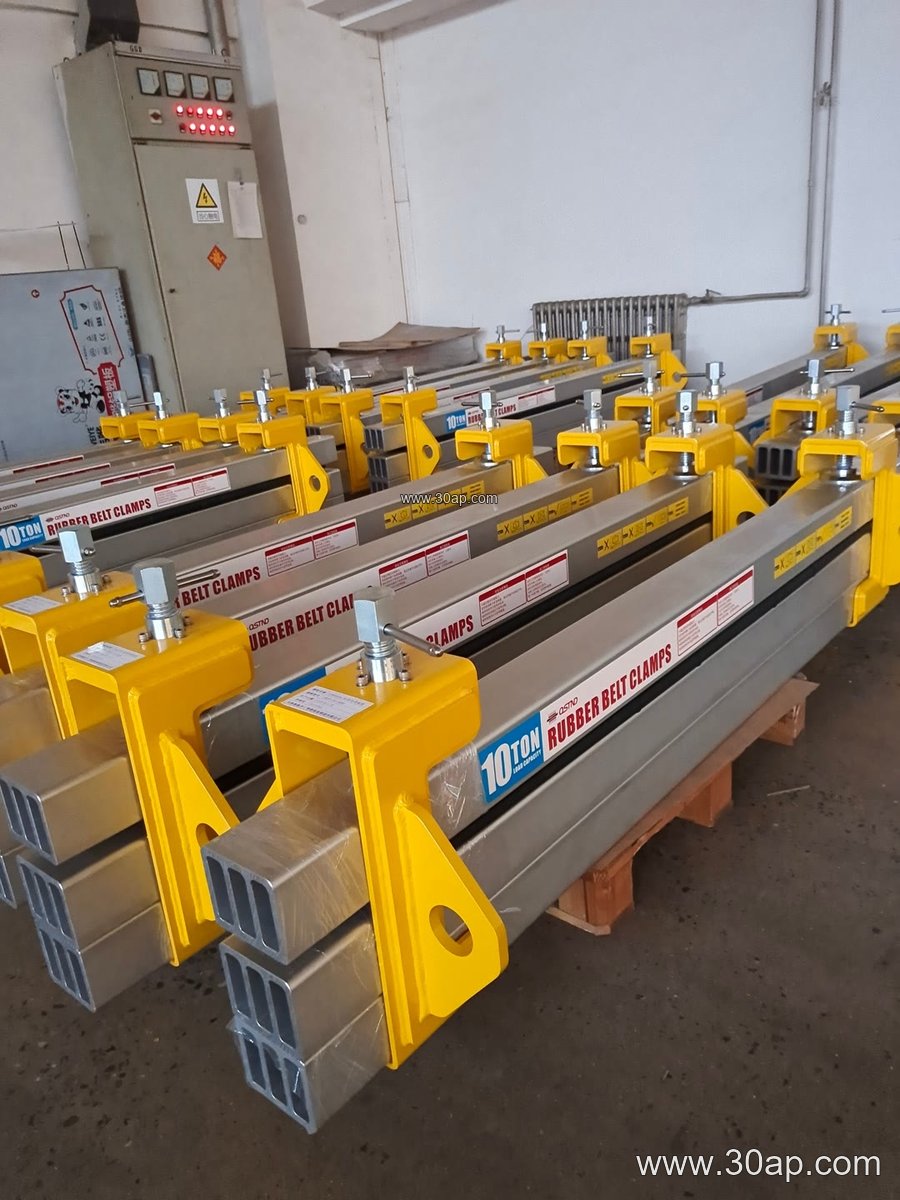
- Troughing bracket for the carrying side
- Return and V-return bracket for the lower run
- Impact bracket at transfer points
- Self-aligning bracket for tracking control
- Transition and adjustable brackets for profile changes
Trough Angle and Belt Width Matching
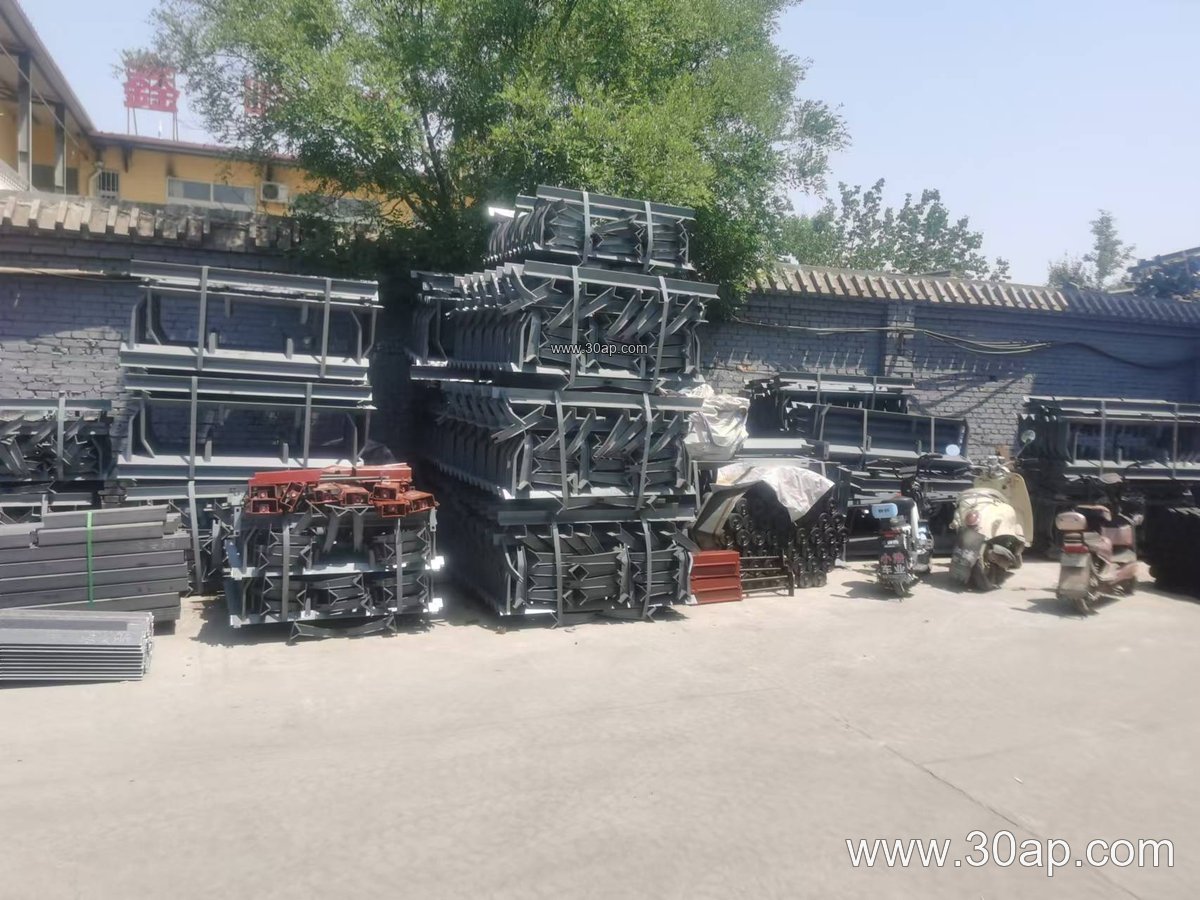
Trough angle is a design decision, not a fixed rule. Common angles are 20, 30, 35 and 45 degrees, and adjustable brackets can be set within this range. A wider belt carrying abrasive ore often benefits from a deeper trough, but the final choice depends on material characteristics, belt stiffness and transition length. Belt width and idler diameter should be matched by design, not by a single fixed rule.
The table below shows typical reference combinations. These are examples for discussion, not universal specifications or supply promises.
| Belt Width | Trough Angle | Idler Diameter | Typical Use |
|---|---|---|---|
| B650 | 30 degrees | Ø89 | Small aggregate lines |
| B800 | 35 degrees | Ø108 | Quarry and cement plant conveyors |
| B1000 | 35 degrees | Ø133 | Ore and coal handling |
| B1200 | 45 degrees | Ø133 | Heavy iron ore or copper ore duty |
| B1400 | 45 degrees | Ø159 | High-capacity bulk material lines |
Installation hole spacing and crossbeam length usually change with belt width and trough angle, so these dimensions should be confirmed against the conveyor drawing rather than assumed.
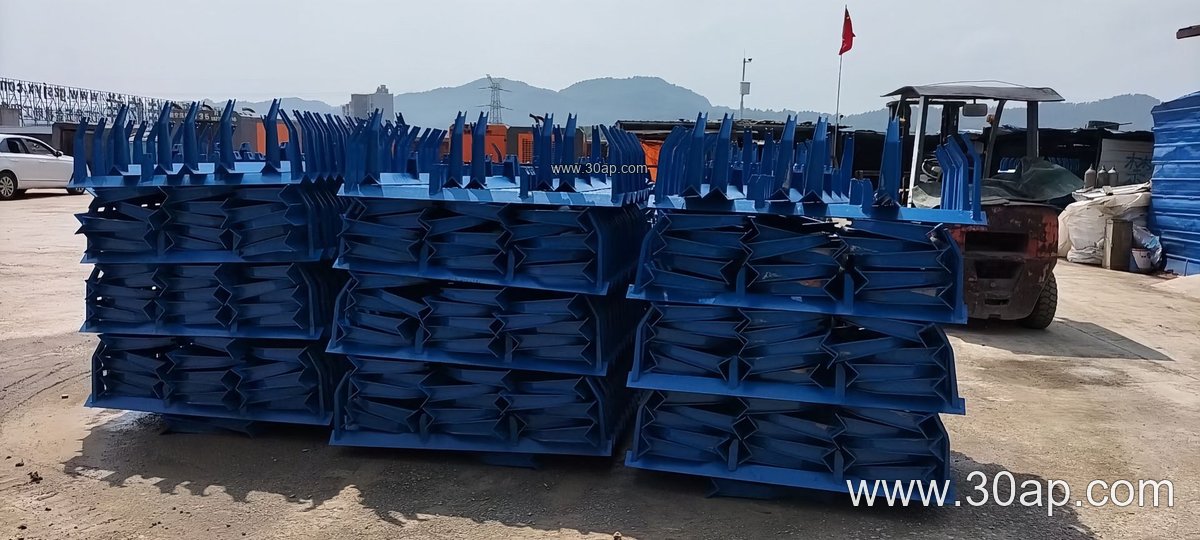
Where It Fits in the Conveyor System
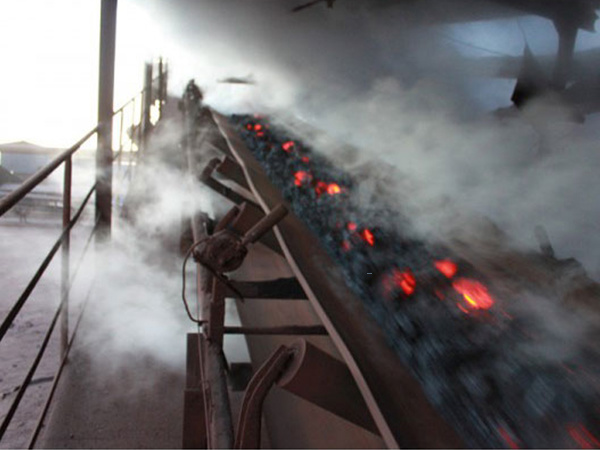
The bracket works together with the conveyor belt, idler roller and conveyor pulley. On a coal mining conveyor belt line, troughing brackets support the loaded belt while return brackets hold the empty run. At a crusher discharge or a ship loading point, impact brackets absorb the shock of falling rock. In a power plant coal yard, self-aligning brackets reduce the chance of belt edge damage.
A well-chosen bracket also protects the belt itself. An abrasion resistant conveyor belt or a flame retardant conveyor belt can only perform well if the idlers beneath it are held at a consistent height and angle. Likewise, a steel cord conveyor belt used on a long overland run needs stable bracket alignment to avoid edge stress. For inquiries about brackets together with rubber conveyor belt or EP conveyor belt, the belt width and idler diameter should be stated clearly.
Buyer Checklist
Before ordering, confirm the belt width, the required trough angle and the idler diameter. Ask for the mounting hole spacing and crossbeam length, and check whether the bracket is fixed or adjustable. For corrosive or wet conditions, confirm the surface treatment. For high-impact transfer points, specify impact brackets rather than standard troughing frames.
- Belt width and trough angle
- Idler diameter and fixing method
- Fixed or adjustable design
- Material thickness and finish
- Installation dimensions from the drawing
Regular inspection of bracket alignment, bolt tightness and corrosion helps prevent belt tracking problems and extends idler life. More conveyor bracket and idler details are available at www.example.com/conveyor-bracket for reference during selection.