What a Conveyor Leg Does
A conveyor leg is the structural support that carries the idler frames and, indirectly, the conveyor belt along the length of a conveyor system. It is the foundation of the whole support structure, keeping the belt at the correct height and alignment. In industries such as mining, coal preparation, cement plants, power station coal handling, and aggregate quarries, conveyor legs are often the unsung heroes that keep material moving reliably.
Sometimes called a conveyor support leg or stand, this component is not just a simple post. It is engineered to handle dynamic loads from the belt, material, and idlers, while allowing for adjustments and maintenance. A well-designed leg system ensures that the belt runs true, reduces spillage, and extends the life of idlers and pulleys.
Construction and Key Features
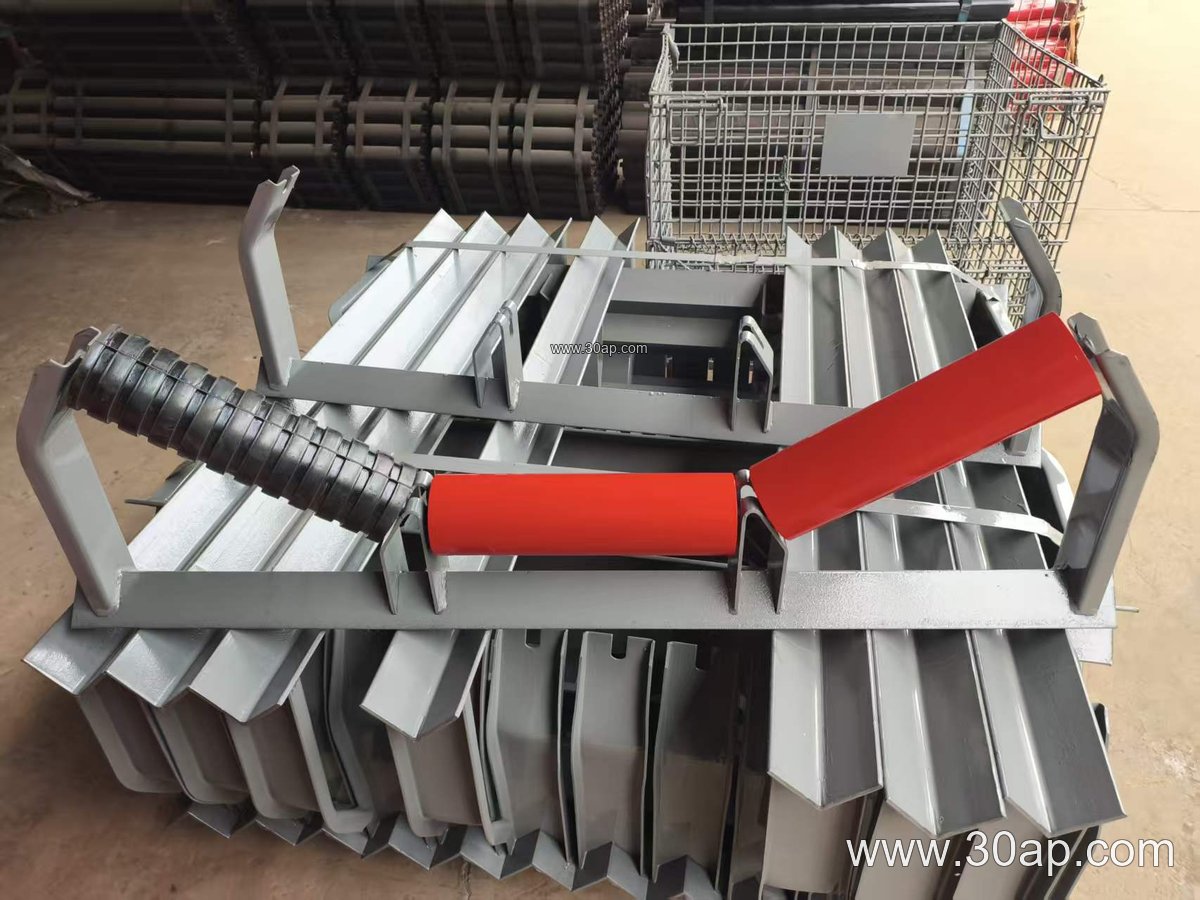
Most conveyor legs are fabricated from angle steel, channel steel, or folded steel plate. The choice of material and profile depends on the load requirements and environmental conditions. Common features include:
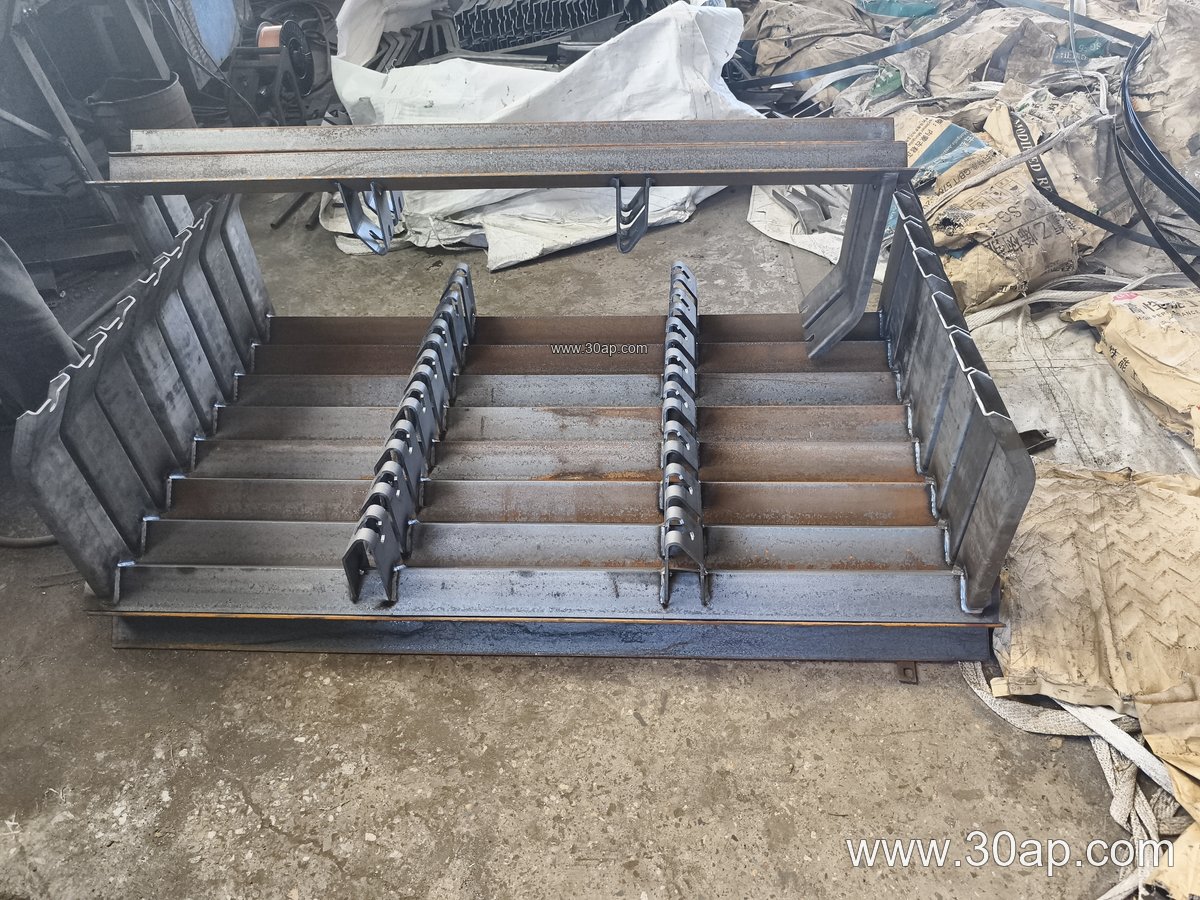
- Bolted or welded connections to the main conveyor structure
- Adjustable height or angle to accommodate different troughing angles and belt widths
- Mounting holes that match idler frame dimensions
- Base plates for floor or foundation mounting
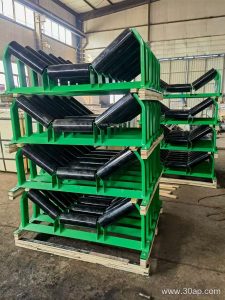
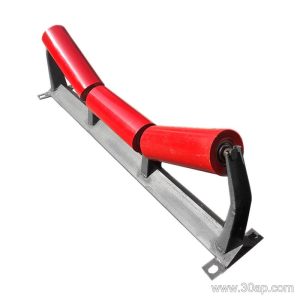
The design of the leg often integrates with conveyor brackets and idler rollers. For example, a fixed troughing leg might be paired with a 35-degree troughing idler frame, while an adjustable leg allows changing the trough angle to suit different materials.
Types and Configurations
Conveyor legs come in several configurations to match the support function:
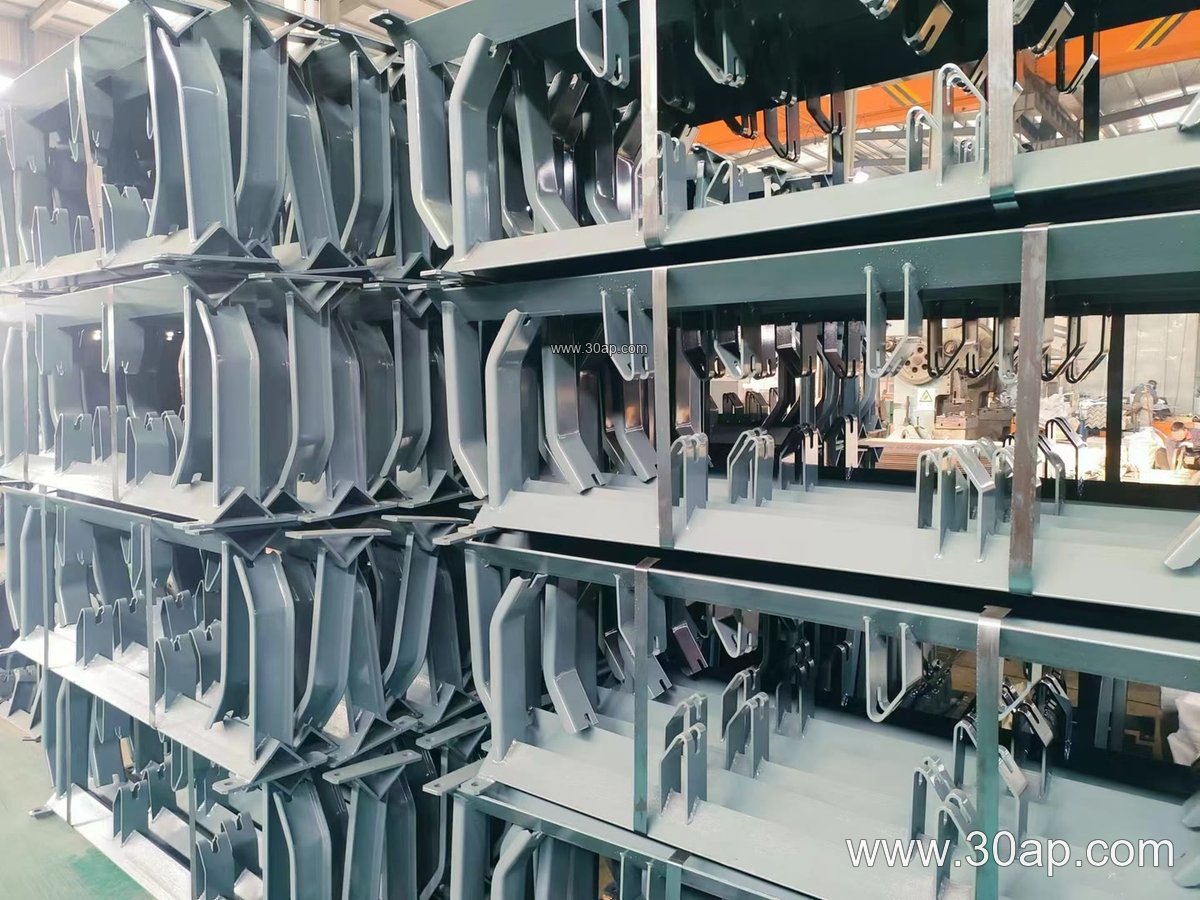
- Troughing leg – supports the carrying side idlers, often with a fixed trough angle.
- Return leg – supports the return side idlers, sometimes with a V-return arrangement.
- Impact leg – reinforced to absorb impact at loading points, often used with impact idler frames.
- Transition leg – used where the belt changes from flat to troughed, providing gradual support.
- Adjustable leg – allows changes in height or trough angle, useful for multi-product conveyors.
Other specialized legs include self-aligning leg designs that work with training idlers to keep the belt centered. Each type is chosen based on the conveyor layout, belt width, and material characteristics.
Where Conveyor Legs Are Used
Conveyor legs are found anywhere a belt conveyor operates. In a quarry or sand and gravel line, they support the conveyor belt through crushing and screening circuits. In a coal washing plant, they hold up the conveyor structure that transports coal through dense medium separation. Power plants rely on them for coal handling conveyors, while cement plants use them for clinker and raw material transport. Ports and ship loading facilities also depend on robust leg systems for high-capacity bulk material handling.
In all these settings, the leg must be compatible with the conveyor belt type, whether it is a heavy-duty mining conveyor belt, an abrasion resistant conveyor belt, or a heat resistant conveyor belt for hot materials. The leg also interacts with conveyor pulleys at head and tail ends, though pulleys are supported by separate structures.
Selection and Sizing Considerations
Choosing the right conveyor leg involves matching it to the belt width, idler diameter, and trough angle. Common belt widths include B500, B650, B800, B1000, B1200, B1400, B1600, B1800, B2000, B2200. Trough angles are typically 20, 30, 35, or 45 degrees, and idler diameters often range from Ø89 to Ø194. A typical combination might be B800 with 35-degree trough and Ø108 idlers, but many other combinations are possible. The mounting hole spacing and beam length vary with belt width and trough angle, so these should be confirmed with the manufacturer.
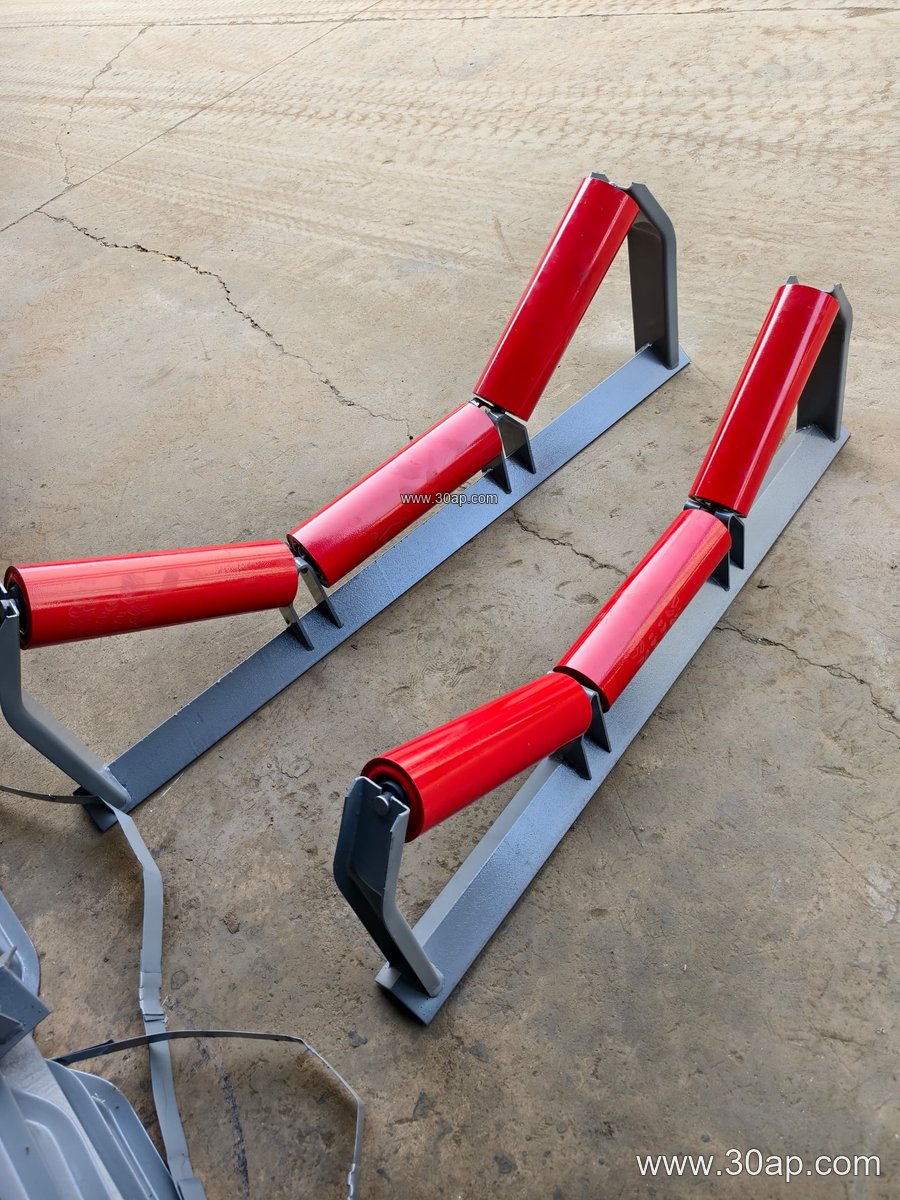
Buyers should also consider the environment: corrosive atmospheres may require galvanized or painted legs, while high-impact zones need reinforced designs. The leg must be compatible with the conveyor bracket system used. It is important not to assume that a given belt width automatically dictates a specific pulley diameter or shaft size; those are separate design decisions.
Maintenance and Longevity
Regular inspection of conveyor legs is straightforward but important. Check for loose bolts, corrosion, and structural deformation. Ensure that adjustable legs remain locked at the correct angle. Legs that support training idlers should be checked for alignment. Keeping the legs in good condition helps maintain proper belt tracking and reduces wear on idlers and the conveyor belt itself.
For operators in mining, cement, or power generation, a sturdy leg system is a small investment that pays off in reduced downtime and safer operation. Whether you are specifying a new conveyor or upgrading an existing one, pay attention to the leg design as part of the complete support package.