What a Skirted Conveyor Belt Is
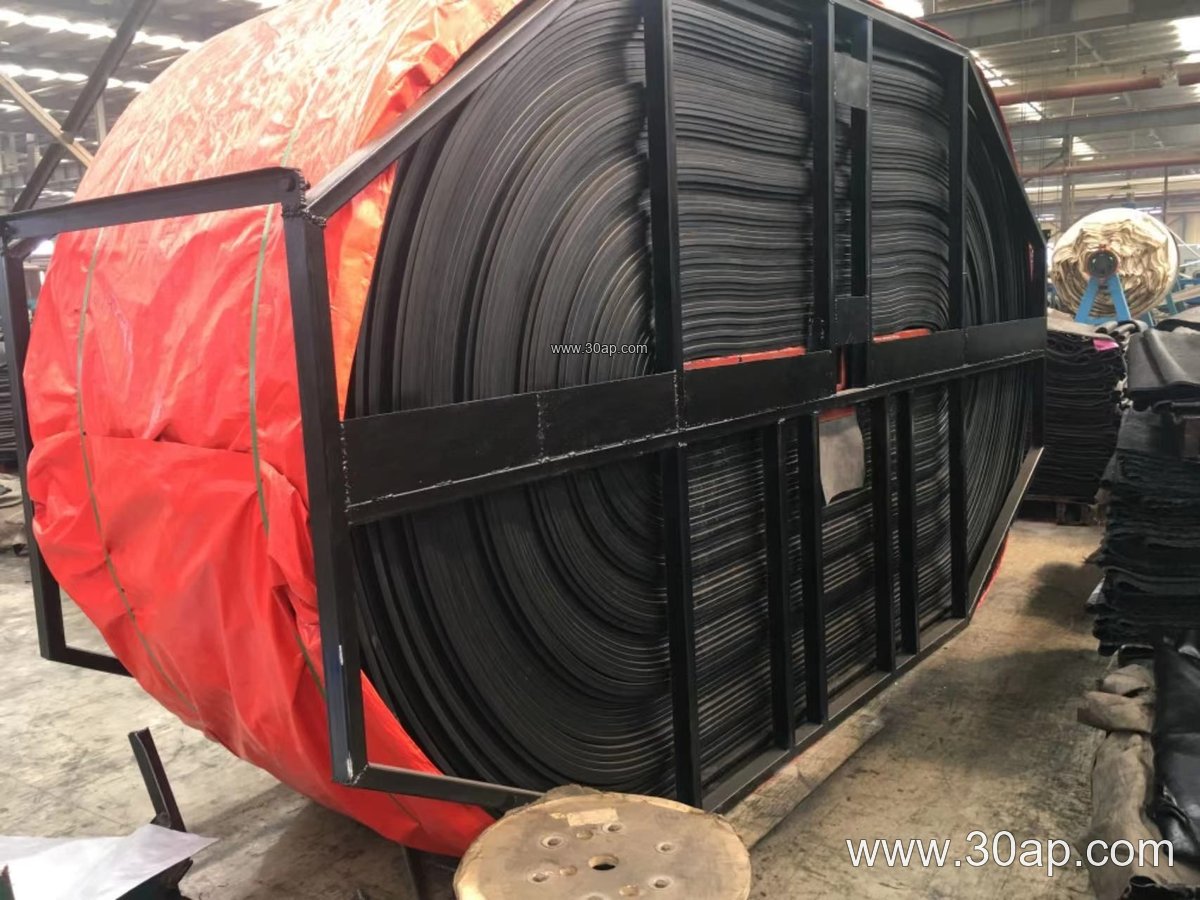
A skirted conveyor belt is a fabric or steel reinforced belt fitted with raised rubber sidewalls, usually called skirts, along both edges. The skirts contain material on the carrying surface so that loose bulk cargo does not spill over the edges. This makes the belt a practical choice where a standard flat belt would lose product on inclines, at transfer points, or on fast-running lines. It is closely related to the corrugated sidewall conveyor belt, which uses taller, pleated walls and often cleats for steep angles; the skirted version keeps a lower profile and suits gentler slopes and contained horizontal runs.
The product is also described as a belt with rubber edge skirts or side-walled belting. Those terms refer to the same item, and buyers will see both in supplier catalogs.
How the Belt Is Built
The carcass follows normal conveyor belt practice. A fabric core conveyor belt may use EP fabric or NN nylon plies, while heavy-duty lines may use a steel cord conveyor belt. The skirt is bonded to the belt edge during vulcanization, so the joint between wall and belt must be strong enough to resist peeling under repeated flexing.
- Base belt: rubber cover over EP or NN plies, or steel cord for long, high-tension routes.
- Skirt: rubber strip, often 50 mm to 150 mm high, with a molded base for a firm bond.
- Cover compound: selected for abrasion, heat, oil, flame resistance, or cold service as needed.
- Joint: vulcanized splice preferred, since mechanical fasteners can interfere with the skirt line.
A typical specification might read EP1000, 1200 mm wide, 5+2 mm covers, 4 plies, with 100 mm skirts. Values like these are common reference points, not fixed rules; the final construction is set by the conveyor designer.
Where Skirted Belts Are Used
Containment is the main reason to specify this belt. In a cement plant, skirted belting carries clinker and raw meal where dust control matters. In a coal mining conveyor belt system, the skirts reduce spillage at load points and along inclined galleries. Quarries and aggregate plants use them under crushers and screens, where a crusher conveyor belt receives uneven feed. Power plants apply them to limestone and biomass handling, and ports use them on ship loading conveyors where wind can blow light material off an open belt.
Other industries include recycling lines, fertilizer plants, and sand making plants. Where the cargo is fine, dry, or prone to rolling, the skirted design keeps the load centered and reduces cleanup along the walkway.
Specification Points That Matter
Width, skirt height, and carcass strength should be matched to the material and the conveyor profile. Wider belts are common on high-capacity lines; a 1200 mm or 1400 mm belt with 120 mm skirts is a typical combination in bulk terminals, but smaller widths work well on mobile and yard conveyors.
| Parameter | Common Range | Note |
|---|---|---|
| Belt width | B500 to B2000 | Selected from capacity and lump size |
| Skirt height | 50 to 150 mm | Higher walls for deeper material beds |
| Carcass | EP200 to EP2000, NN, or ST | Depends on tension and length |
| Cover thickness | 3+1.5 to 8+3 mm | Thicker top cover for abrasive rock |
| Ply count | 2 to 6 | Fabric core belts |
For abrasive ore, an abrasion resistant conveyor belt with a thick top cover extends service life. In underground coal work, a flame retardant conveyor belt and anti-static properties are usually required by site rules. Hot clinker or sinter may call for a heat resistant conveyor belt, while oily scrap favors an oil resistant compound.
Selection and Maintenance Advice
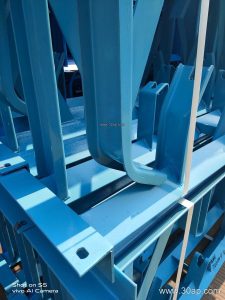
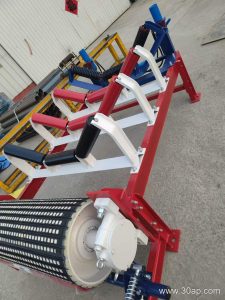
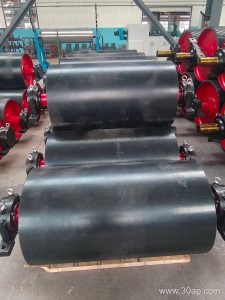
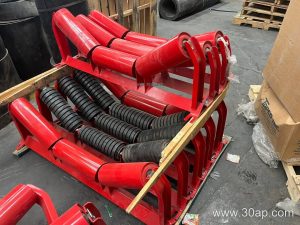
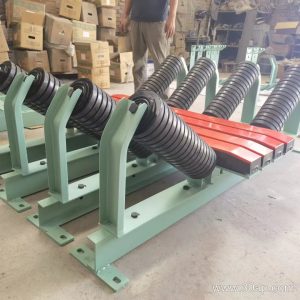
Check that the conveyor pulley faces and the idler roller arrangement support the skirt line without pinching it. The skirt should run clear of the conveyor bracket and frame, and the load zone should be centered so the walls are not pushed sideways. A conveyor pulley with the correct crown and alignment helps keep the belt tracking, which protects the skirt bond from fatigue.
Inspect the skirt-to-belt bond at every splice and at regular intervals. Small separations should be repaired before they grow, since a lifted skirt can catch on a conveyor pulley or frame. Keep the belt cleaner adjusted so material does not pack behind the skirt, and avoid overloading beyond the design bed depth. When replacement is due, confirm the skirt height and cover grade rather than ordering by width alone. A skirted conveyor belt is a system component, and its performance depends as much on the conveyor layout as on the belt itself. More details on matching belts, rollers, and pulleys can be found at conveyorbeltpulley.com and rubberbeltindustry.com.