What an Ore Conveyor Belt Does
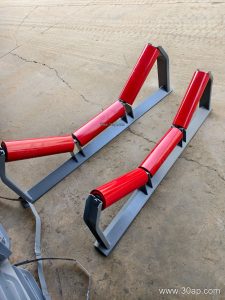
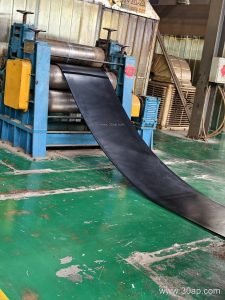
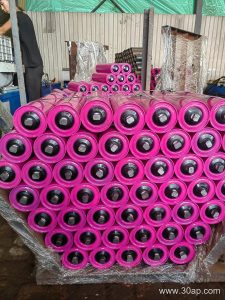
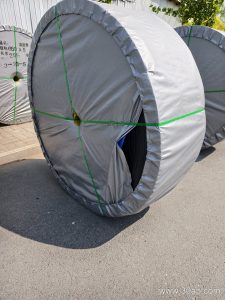
An ore conveyor belt is the load-carrying component of a bulk handling system that moves crushed rock, minerals, and aggregates from one stage of processing to the next. In a mine, quarry, cement plant, or power station, this belt forms the continuous loop that travels over idler rollers and conveyor pulleys, supported by a sturdy conveyor bracket frame. The belt must withstand sharp edges, heavy lumps, abrasive dust, and often wet or oily conditions. Unlike a simple package-handling belt, an ore conveyor belt is typically a heavy-duty rubber conveyor belt built around a strong tension-carrying carcass.
Construction and Common Types
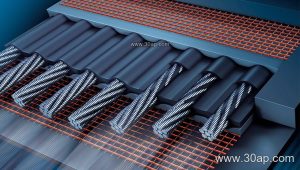
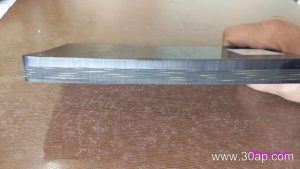
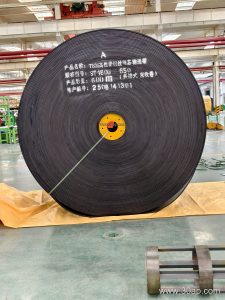
The carcass provides strength and resistance to stretching. Common constructions include multi-ply fabric core belts such as EP conveyor belt (polyester-nylon) and NN conveyor belt (nylon-nylon), as well as steel cord conveyor belt for very long runs and high tension. Rubber covers protect the carcass from wear, impact, and environmental attack. Cover thickness is often specified as top cover plus bottom cover, for example 4+2 mm, 5+2 mm, or 6+2 mm, with 8+3 mm used in severe abrasion conditions. The number of fabric plies usually ranges from two to six, depending on the required strength grade.
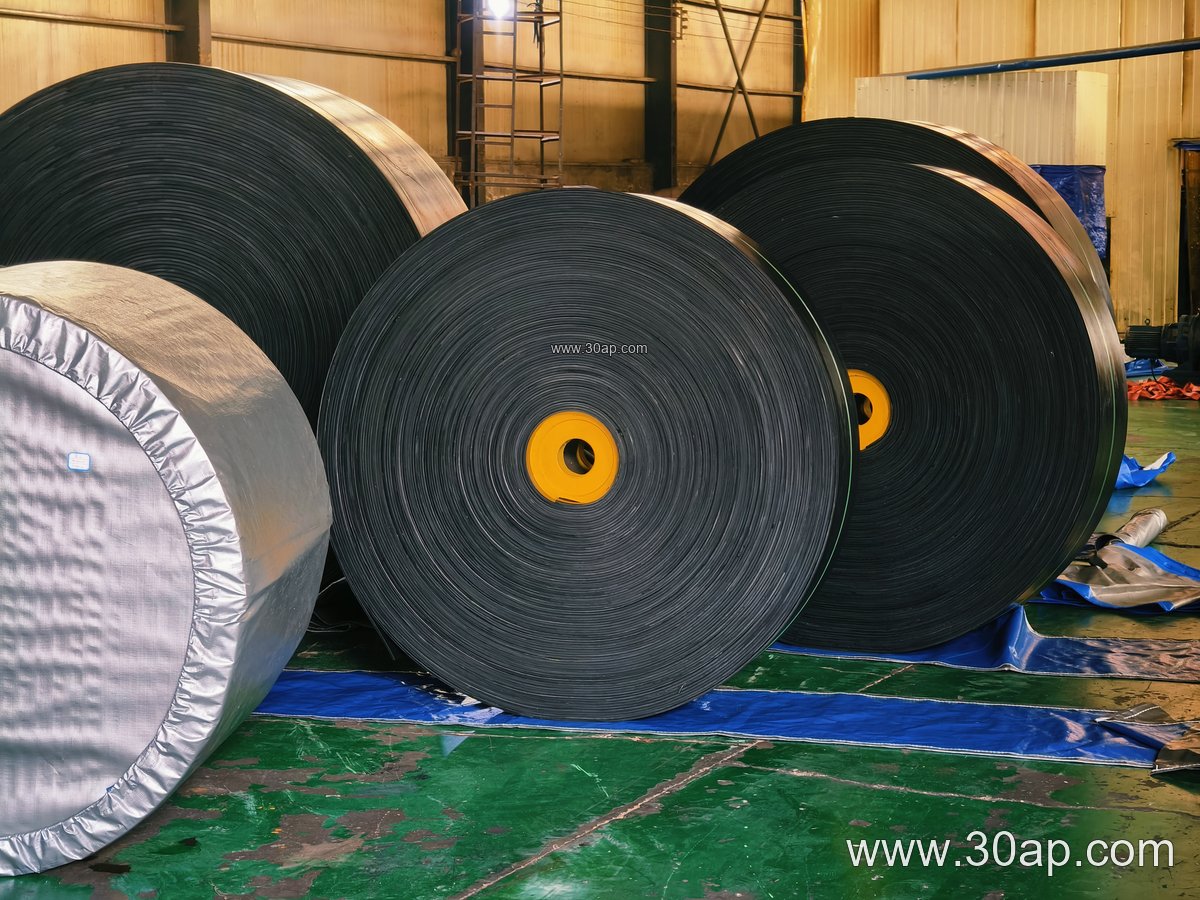
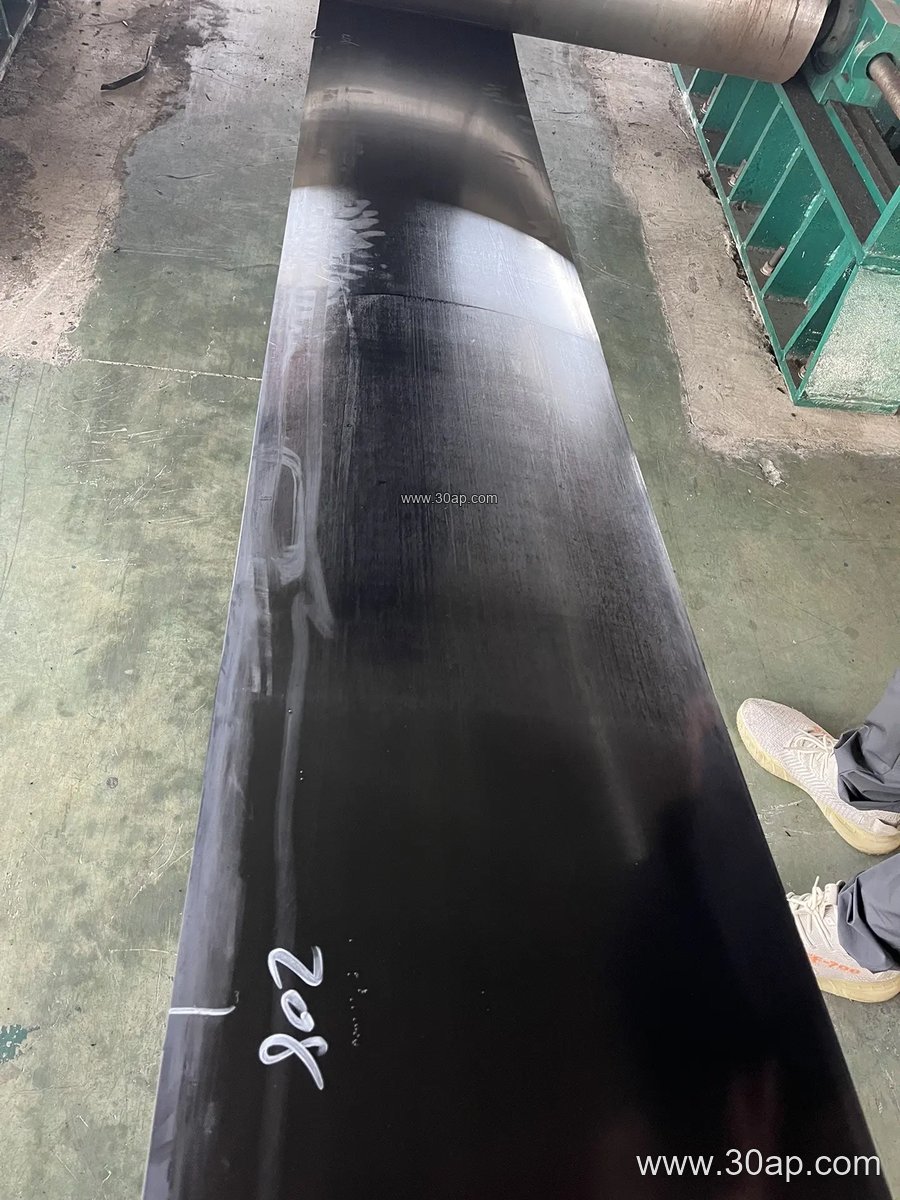
For specific duties, the ore conveyor belt may carry additional properties: abrasion resistant conveyor belt for sharp, hard rock; heat resistant conveyor belt near clinker or sinter; flame retardant conveyor belt and anti-static conveyor belt for underground coal mining; oil resistant conveyor belt where lubricants or oily ores are present; and cold resistant conveyor belt for winter operation or cold climates. Chevron conveyor belt or corrugated sidewall conveyor belt can be used on steep inclines, but these are separate designs from a standard flat ore belt and should be selected only when the conveyor profile requires them.
Typical Service Conditions
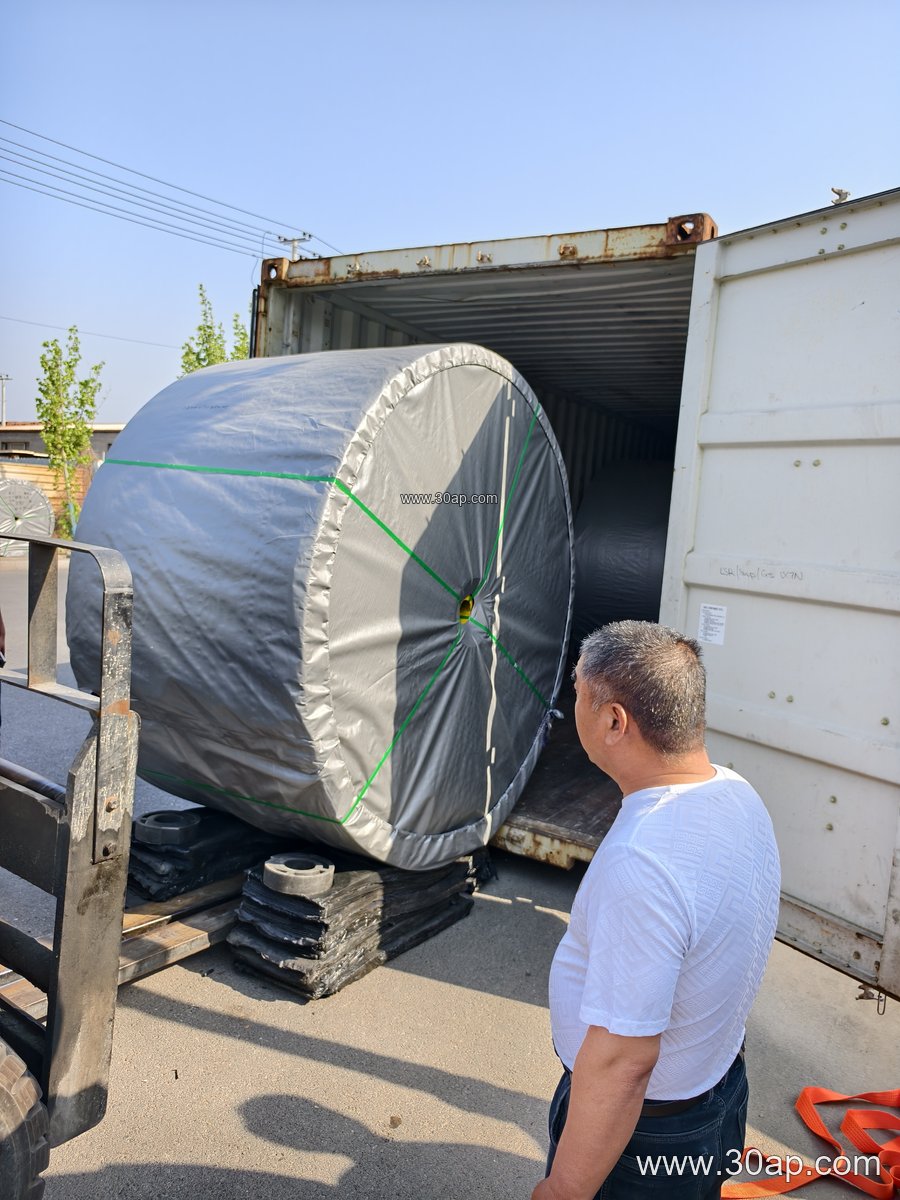
Ore conveyor belts appear across many industries. In mining and mineral processing, they handle iron ore, copper ore, gold ore, and waste rock. Coal mining conveyor belt and underground mining conveyor belt systems often require flame retardant and anti-static covers, sometimes as PVG conveyor belt or PVC conveyor belt for fire-sensitive roadways. Cement plants use heat resistant belts for clinker and abrasive belts for limestone. Power plants, steel plants, ports, and aggregate quarries rely on heavy-duty mining conveyor belt constructions to move bulk material continuously. A quarry conveyor belt or crusher conveyor belt may face high impact at the loading point, so impact resistant conveyor belt covers and proper idler spacing are important. In all these settings, the belt works together with idler rollers, drive pulleys, tail pulleys, and bend pulleys, each with a distinct role; these pulley types are not interchangeable.
Key Specifications and Reference Data
The table below shows common reference values for ore conveyor belts. Actual values are determined by the conveyor design, and different manufacturers may offer variations.
| Parameter | Common Reference Range |
|---|---|
| Belt width | B500, B650, B800, B1000, B1200, B1400, B1600, B1800, B2000 |
| Fabric strength grades (EP) | EP200, EP315, EP400, EP500, EP630, EP800, EP1000, EP1250, EP1600, EP2000 |
| Steel cord strength grades | ST1000, ST1250, ST1600, ST2000, ST2500, ST3150 |
| Cover thickness examples | 3+1.5 mm, 4+2 mm, 5+2 mm, 6+2 mm, 8+3 mm |
| Carcass plies (fabric) | 2 to 6 plies, depending on grade |
These figures are for orientation only. A 1200 mm wide belt, for example, may be paired with different pulley diameters depending on the conveyor layout, and belt width alone does not fix the shaft diameter.
Buyer Checklist
- Define the material: lump size, abrasiveness, moisture, oil content, and temperature. This guides the choice between abrasion resistant, heat resistant, oil resistant, or flame retardant covers.
- Confirm the required tension grade and belt width with the conveyor designer. Strength grade and width together determine the load capacity, not width alone.
- Check the loading and discharge points. Impact beds, skirt rubber, and suitable idler roller spacing reduce belt damage.
- For underground coal or hazardous areas, specify flame retardant and anti-static properties and verify that the belt meets the site’s safety requirements.
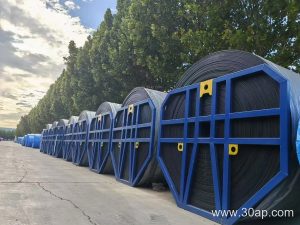
- Consider splice type and availability of endless conveyor belt or on-site splicing services to minimize downtime.
- Coordinate pulley specifications with the belt supplier. Drive, tail, and bend pulleys each have their own design criteria and should not be treated as interchangeable.
Choosing the right ore conveyor belt is a balance of carcass strength, cover compound, and site conditions. When the belt, idler rollers, conveyor pulleys, and bracket system are specified together, the result is a reliable transport link for mining, cement, power, and aggregate operations.