What a Large Conveyor Pulley Does on a Bulk Handling Line
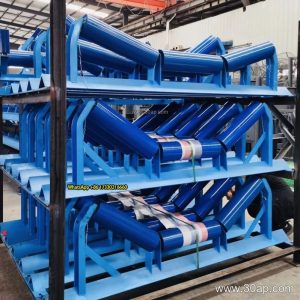
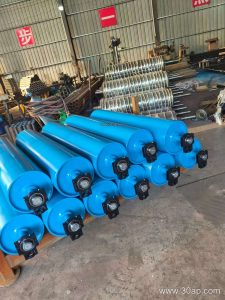
A large conveyor pulley is the drum that transfers motion to the belt and sets its path at the head, tail, or tensioning point of a conveyor. In a quarry, limestone mine, or iron ore plant, these drums handle high belt tensions, abrasive rock, and dust, so their build quality matters as much as the belt itself. A large conveyor pulley is not simply a scaled-up idler roller; it is a torque-transmitting component with a shell, hubs, shaft, and often a lagged surface. For a complete system, a heavy-duty conveyor pulley from conveyorpulleypro.com is often matched with a Rubber Conveyor Belt or a Steel Cord Conveyor Belt to keep the line running smoothly.
How the Drum Is Built
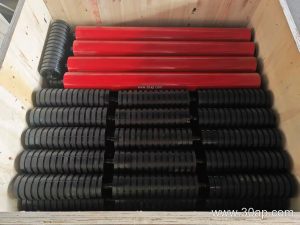
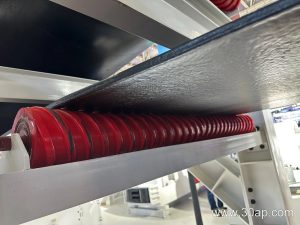
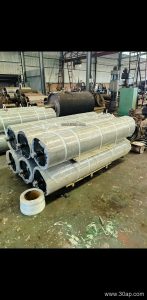
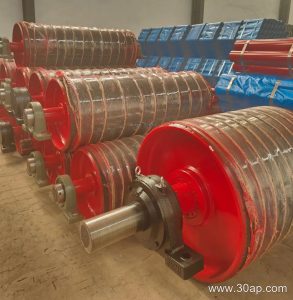
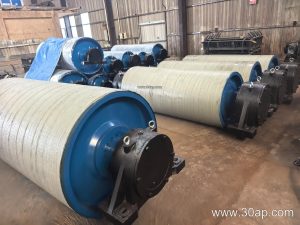
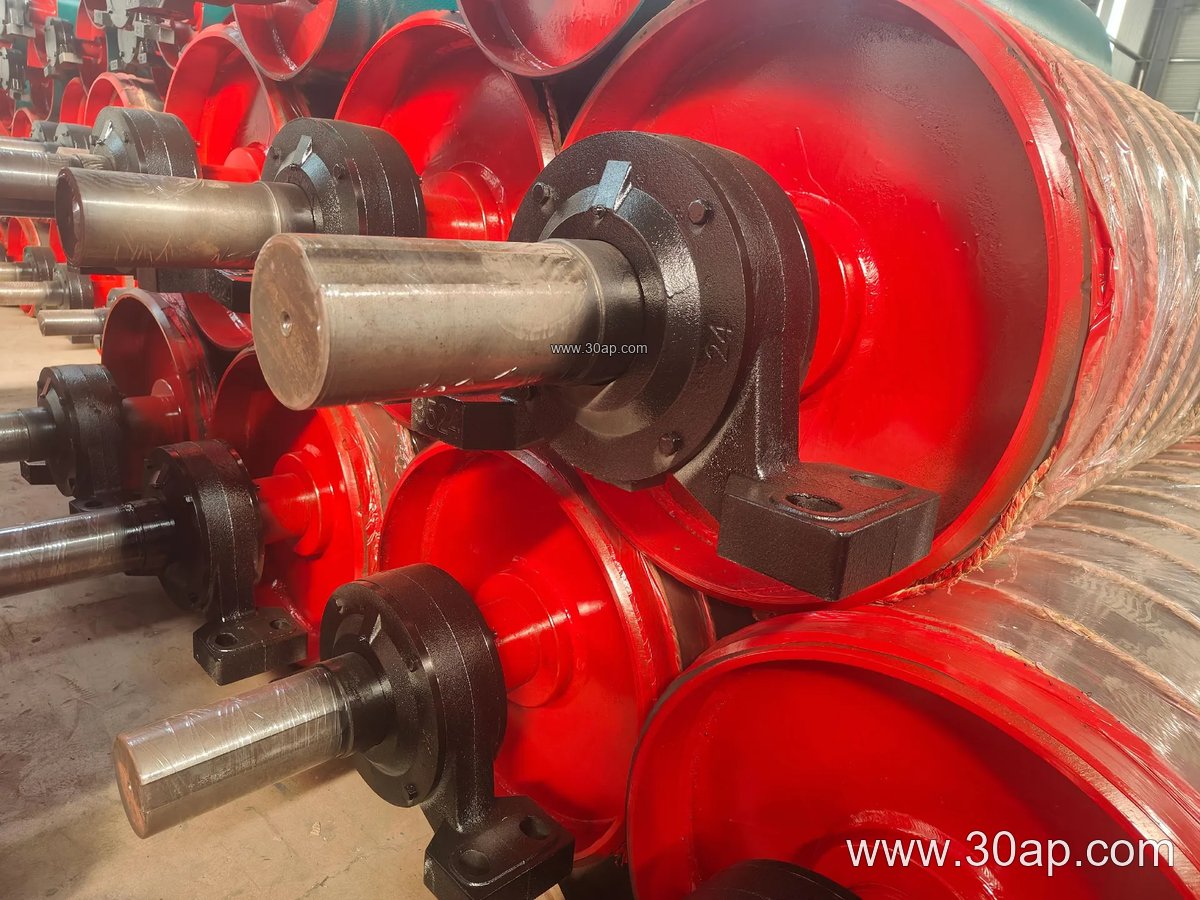
The main body is a rolled steel shell, usually with welded end discs and a through shaft or stub shafts. Larger units may use a fabricated or cast hub, and the shell can be machined for balance. Surface treatment helps grip and protects the belt: plain finish, cast rubber, cold-bonded rubber, hot-vulcanized rubber, diamond lagging, herringbone lagging, or ceramic lagging. Lagging thickness commonly ranges from 8 mm to 20 mm depending on duty. A robust conveyor pulley for mining duties may be supplied with a wear-resistant lagging and a shaft sized for the actual torque, not just for belt width.
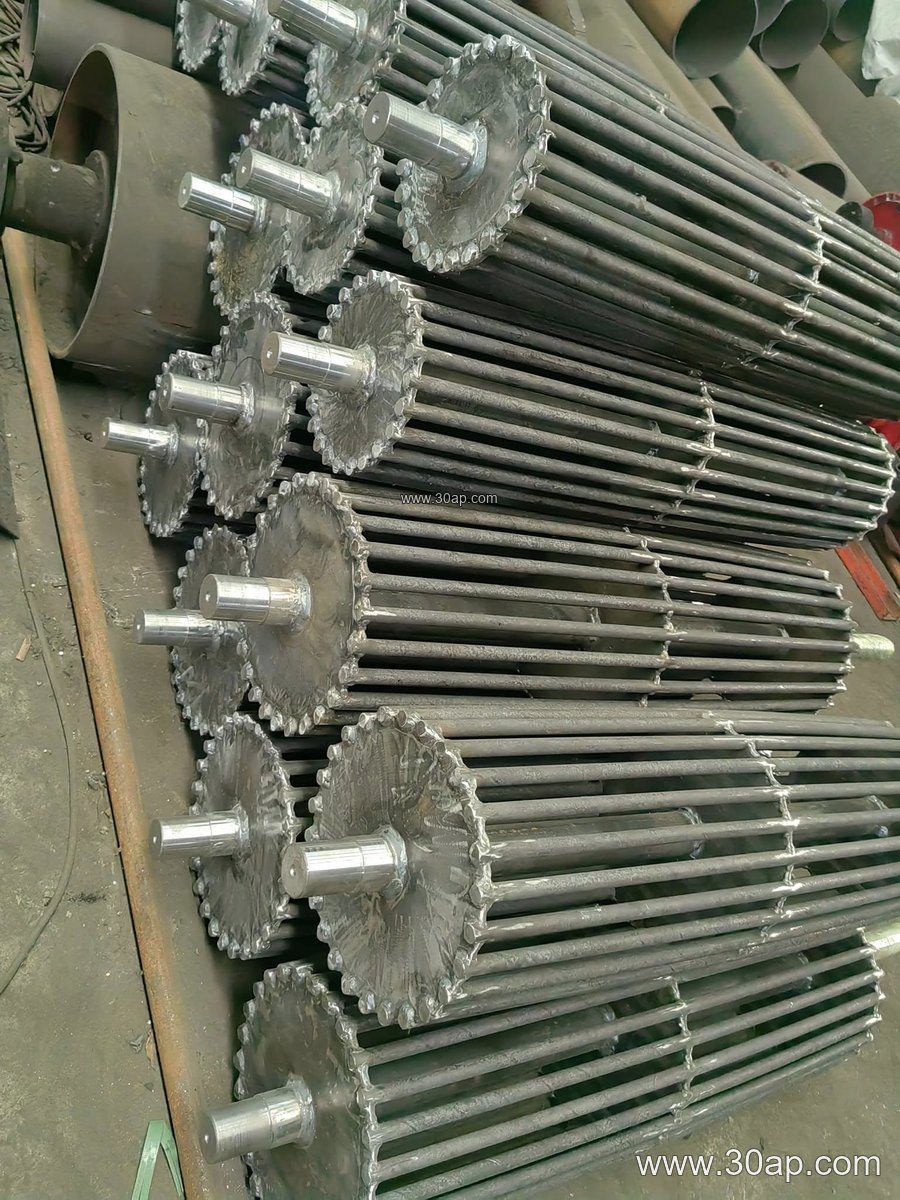
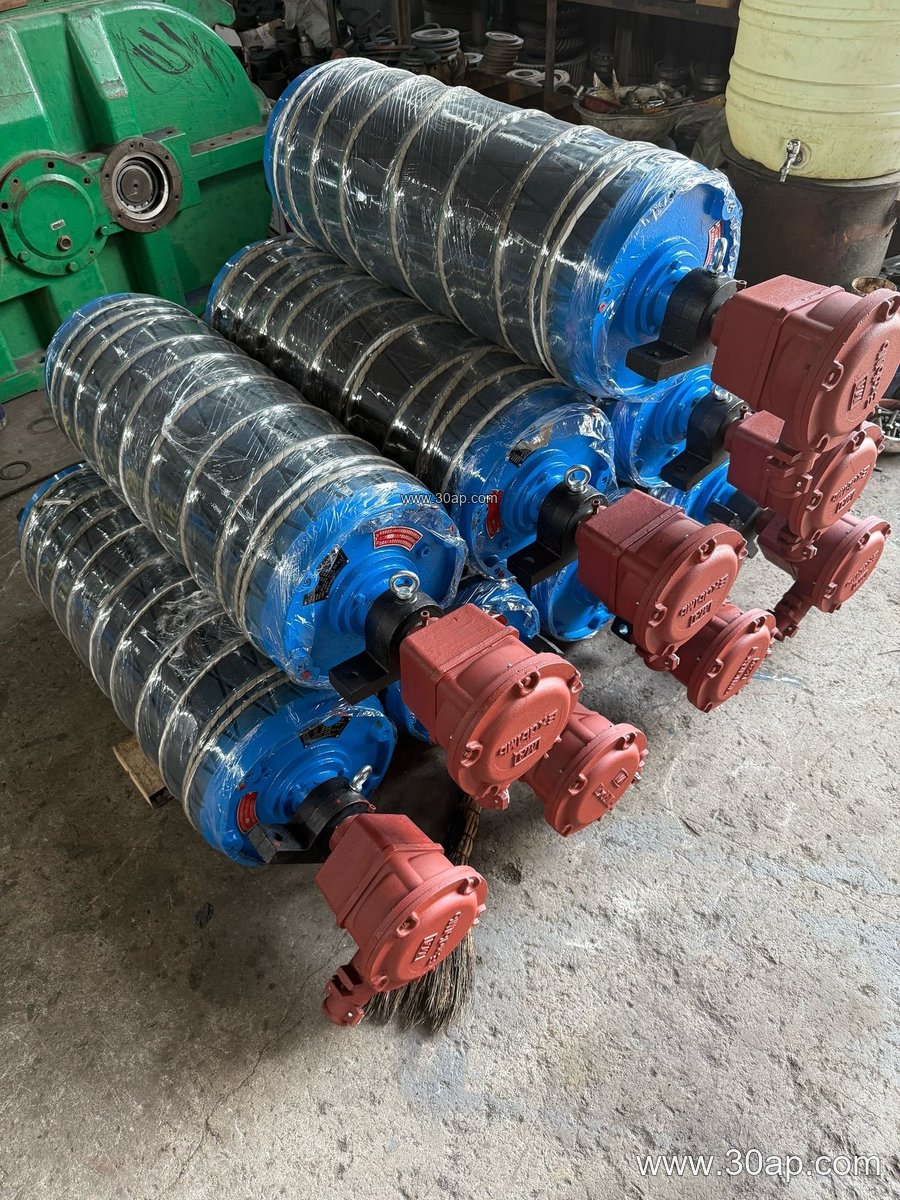
- Shell – rolled and welded steel, sometimes machined.
- Shaft – sized by torque and load; common diameters include Ø50 to Ø200 mm.
- Lagging – rubber or ceramic, selected for grip and wear life.
- Bearings and brackets – mounted in a conveyor bracket or bearing housing.
Where Large Drums Are Used
You will find a large conveyor pulley at the discharge end of a cement plant clinker line, at the head of a power plant coal conveyor, and at the tail of a sand and gravel plant. The drum type must be chosen for its position. A drive pulley (also called a head pulley) transmits power; a tail pulley returns the belt; a bend pulley changes direction; a tension pulley maintains belt slack. These are not interchangeable names, and each has its own load profile. A bend pulley, for example, sees less torque than a drive drum but still needs a sturdy shell and good lagging. If the belt is a Flame Retardant Conveyor Belt in an underground coal mine, the drum lagging should also suit the fire-safety plan of the site.
Matching the Drum to Belt Width and Diameter
Shell width normally exceeds belt width so the belt is fully supported. Common combinations include B800 with a shell around 950 mm, B1200 with about 1400 mm, and B1400 with about 1600 mm. Diameter is chosen from belt tension, wrap angle, and space; a B1200 line might use Ø1000, while a smaller B800 transfer could use Ø500. There is no rule that one belt width must match one diameter. Typical reference sizes are shown below.
| Belt width | Typical shell width | Common diameter range |
|---|---|---|
| B500 | about 600 mm | Ø250–Ø400 |
| B800 | about 950 mm | Ø400–Ø630 |
| B1000 | about 1150 mm | Ø500–Ø800 |
| B1200 | about 1400 mm | Ø630–Ø1000 |
| B1400 | about 1600 mm | Ø800–Ø1250 |
| B1600 | about 1800 mm | Ø1000–Ø1400 |
These figures are reference data, not fixed pairings. Shaft diameter is determined by torque and bearing load, never by belt width alone.
Buyer Checklist
Before ordering, confirm the drum position (drive, tail, bend, or tension), the belt width, the required diameter, lagging type and thickness, and the shaft and bearing details. Ask for the shell width and confirm it clears the conveyor bracket and frame. On a long overland line with a Heat Resistant Conveyor Belt or an Abrasion Resistant Conveyor Belt, check that the lagging compound suits the material temperature and abrasiveness. For a quarry conveyor belt carrying sharp rock, ceramic lagging can extend service life. Keep spare lagging and fasteners on hand, and inspect the drum surface for wear during belt changes. For more on drum options, see conveyorpulleypro.com.