What a Rubber Spiral Idler Does
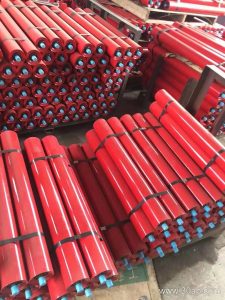
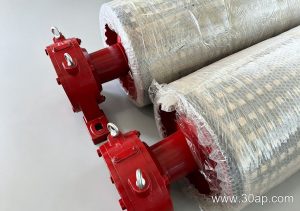
A rubber spiral idler is a carrying or return idler roller whose shell is wrapped with a rubber spiral. The spiral form is not decorative. It helps shed sticky material, guide the belt slightly, and reduce the chance that fines cling to the roller surface. In a belt conveyor, this spiral rubber idler roller sits under or over the conveyor belt and supports it along the run, working alongside the conveyor pulley at the head and tail and the conveyor bracket that holds each idler set in place.
Buyers often meet this product in plants handling damp or sticky bulk material, where a plain steel roller collects buildup and starts to run out of balance. The rubber spiral idler is one practical answer to that problem, but it is not a universal replacement for every carrying idler on the line.
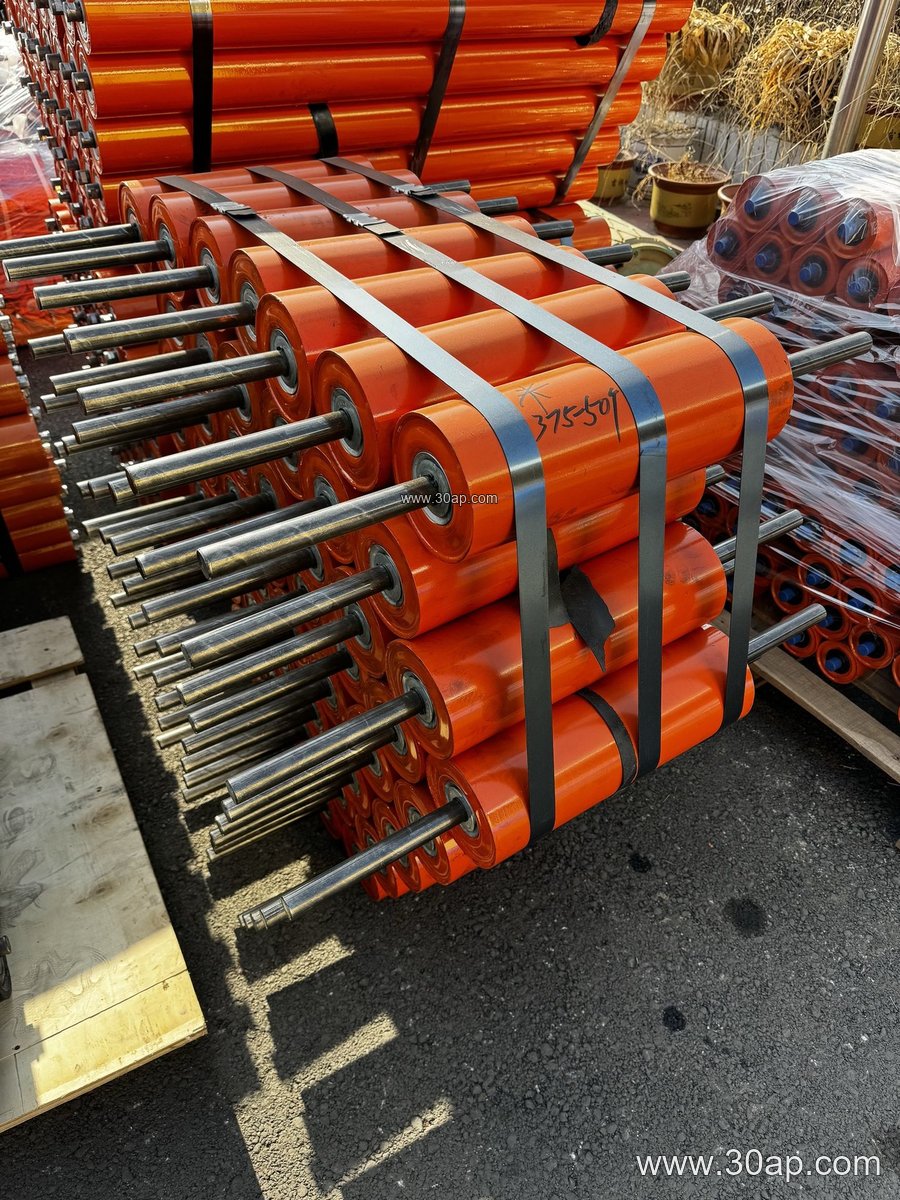
Construction and Surface Form
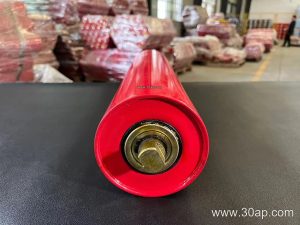
The body usually starts as a steel tube with welded end discs and a through shaft. Bearings are fitted in the ends, typically sealed deep-groove ball bearings, and the whole roller is balanced before delivery. What makes the spiral version different is the rubber covering, which is wound in a continuous spiral around the shell. The rubber can be bonded or otherwise fixed to the tube, and the spiral pitch and rubber hardness are chosen by the maker for the duty.
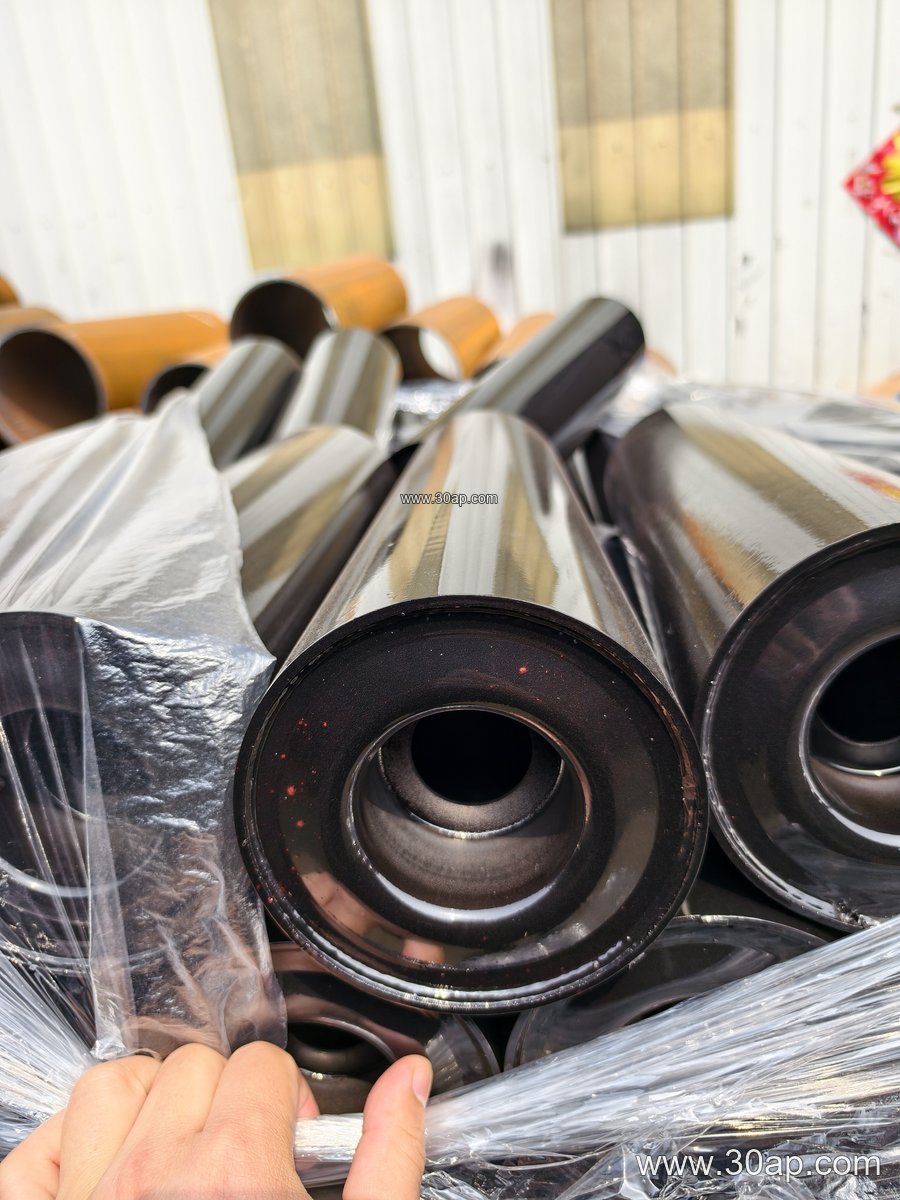
The rubber layer gives several benefits at once. It cushions impact from lumps, it grips the belt a little to discourage mistracking, and it resists the wear that abrasive material causes on a bare steel shell. The spiral gap lets water and fine particles move away instead of packing against the roller face.
Where It Is Used
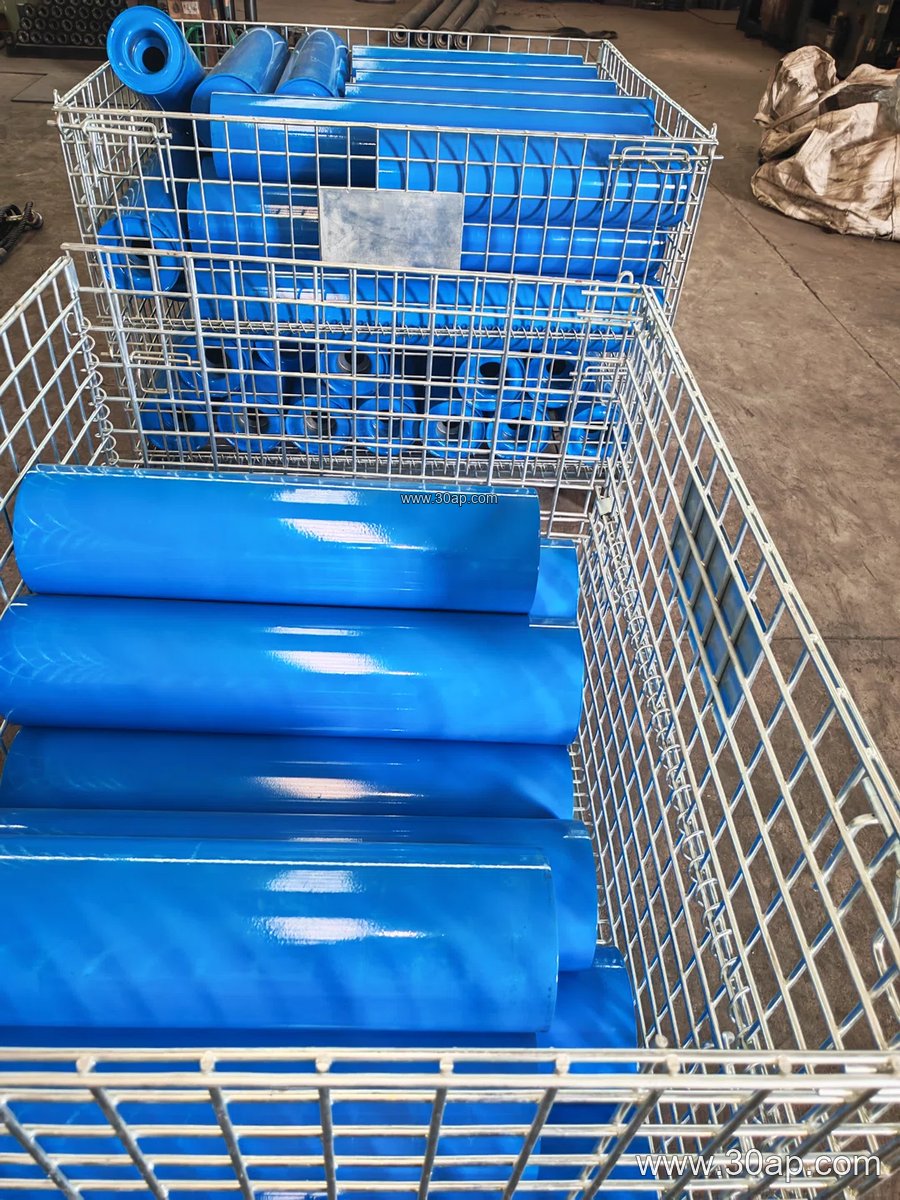
This idler suits plants where the conveyor belt carries wet or tacky material. In a coal washing plant, for example, fine coal and water can turn a smooth roller into a mud-covered drum; the spiral profile helps keep the surface cleaner. In a sand and gravel line or a crushing and screening section, dust and moisture combine in the same way. Cement plants, power plant coal yards, and fertilizer handling areas also see this kind of buildup.
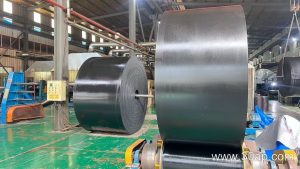
On the return side, a rubber spiral idler can reduce material carryback that would otherwise wrap around a plain return roller. It is often used together with a suitable abrasion resistant conveyor belt, and in mines also with a flame retardant conveyor belt where fire safety rules apply. The choice of belt and idler should be made together, because a heavy-duty mining conveyor belt and a light aggregate belt place different loads on the roller.
Common Sizes and Reference Data
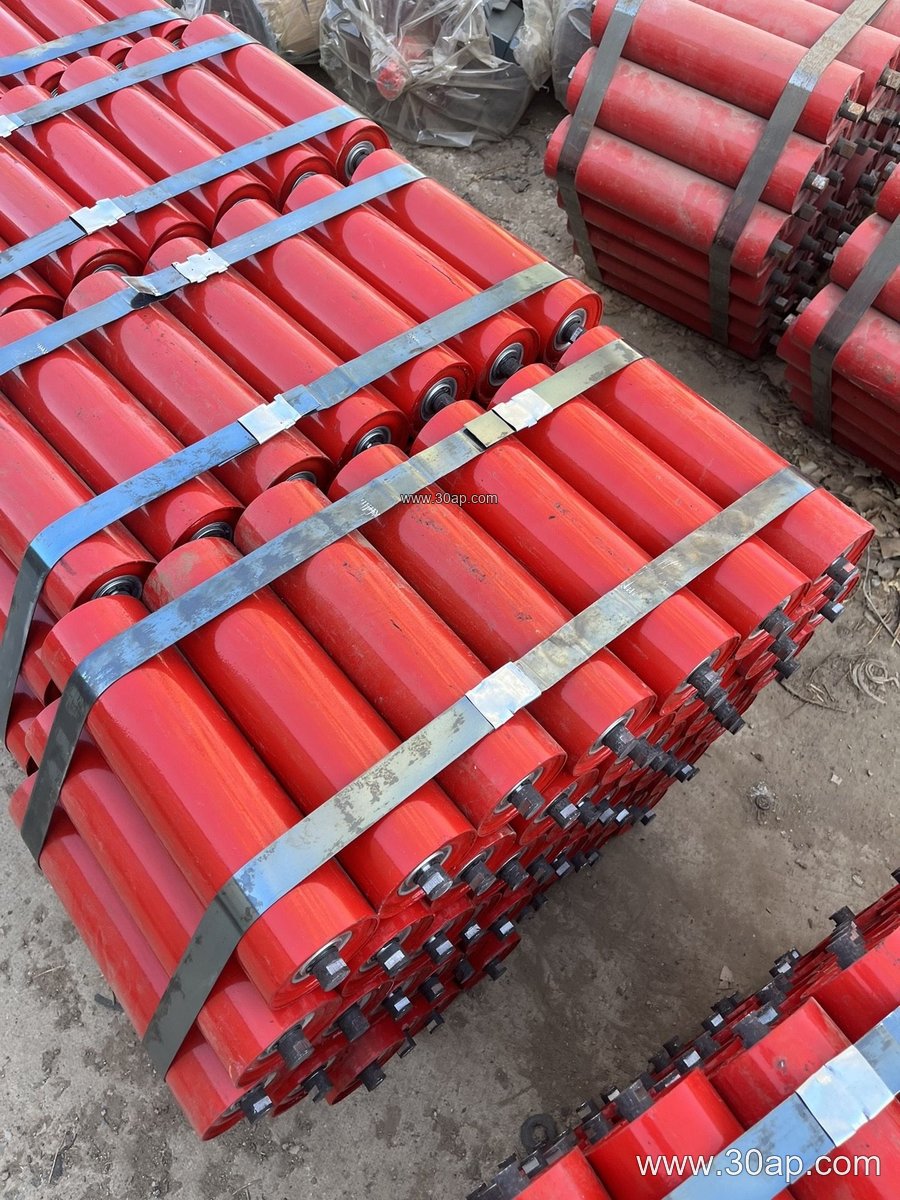
Roller diameter and belt width are selected from the conveyor design, not from a single fixed rule. The table below gives common reference values that help in early planning. They are typical ranges, not verified specifications for any particular supplier.
| Item | Common reference values |
|---|---|
| Roller diameter | Ø63, Ø76, Ø89, Ø102, Ø108, Ø127, Ø133, Ø159, Ø178 mm |
| Belt width | B500, B650, B800, B1000, B1200, B1400, B1600, B1800 mm |
| Bearing | 6204, 6205, 6305, 6306, 6308, 6310 |
| Trough angle | 20, 30, 35, 45 degrees |
| Roller length (three-roll trough, example) | about 250 mm at B650, 315 mm at B800, 380 mm at B1000, 465 mm at B1200, 530 mm at B1400, 600 mm at B1600 |
These figures are examples only. Side rollers and centre rollers can differ, and a given belt width does not lock the design to one pulley diameter or one shaft size. The conveyor pulley, the idler roller spacing, and the belt tension all influence the final selection.
Buyer Checklist
- Confirm whether the idler is for the carrying side or the return side, and whether it is a single roller or part of a trough set.
- Match the rubber hardness and spiral pitch to the material: sticky fines need a different approach from sharp, hot, or oily cargo.
- Check bearing sealing, since dust and water ingress is the usual cause of early failure.
- Confirm shaft diameter, roller length, and bracket mounting with the conveyor maker rather than assuming them from belt width.
- For mining or coal service, confirm that the belt and idler meet the site’s fire and anti-static requirements.
Maintenance Notes
Inspect the spiral rubber idler for worn or torn rubber, loose end discs, and noisy bearings. A roller that no longer turns freely should be replaced before it damages the belt. Keep the belt aligned and the skirt rubber in good order, because a badly loaded belt wears idlers faster than a well-centred one. Where the conveyor uses a chevron conveyor belt or a corrugated sidewall conveyor belt, check that the idler profile clears the belt surface. In dusty plants, a planned inspection route for every idler roller and conveyor pulley pays for itself in reduced downtime.