What the Sand Making Plant Conveyor Belt Does
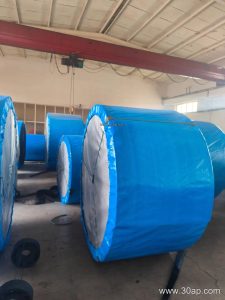
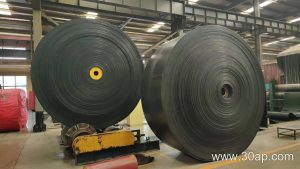
In a sand making plant, crushed stone and manufactured sand move through several stages: feeding, primary and secondary crushing, screening, washing and stockpiling. The Sand Making Plant Conveyor Belt links these stages, carrying abrasive rock, damp sand and fine aggregate at a steady rate. Because the material is sharp, heavy and often dusty, the belt is usually a heavy-duty rubber conveyor belt rather than a light general-purpose belt.
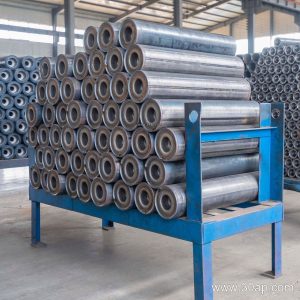
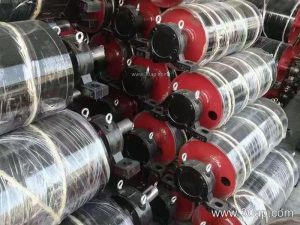
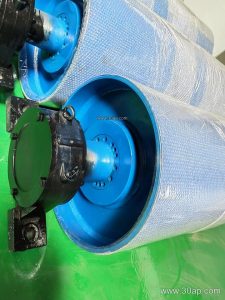
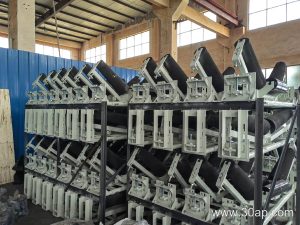
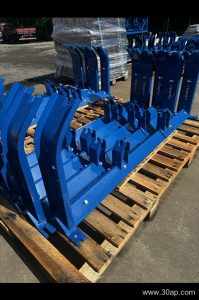
The belt itself is only one part of the line. A conveyor pulley at the head drives the belt, a tail pulley returns it, and bend pulleys guide it through the take-up section. Idler rollers support the loaded strand, while the conveyor bracket and frame keep everything aligned. Belt, rollers and pulleys must be selected as a system.
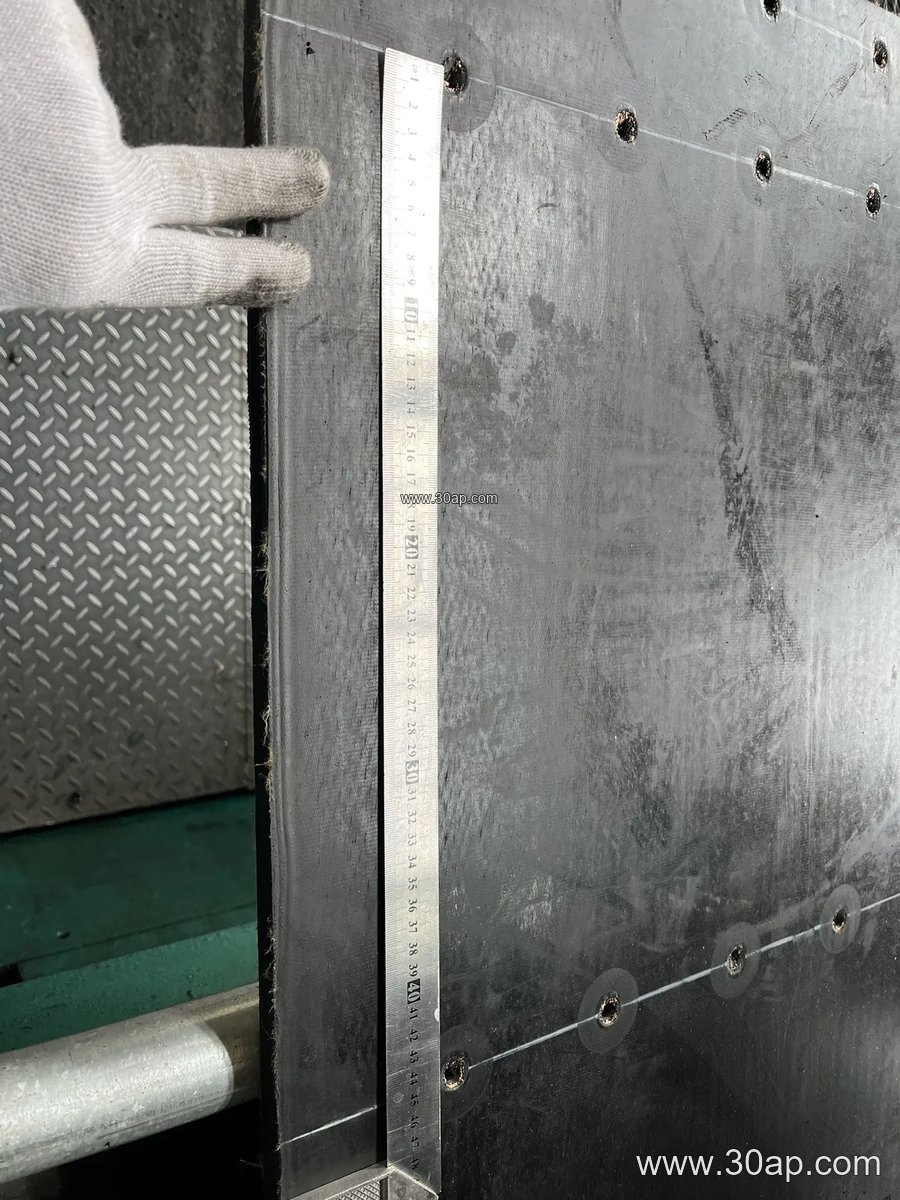
Construction of the Belt
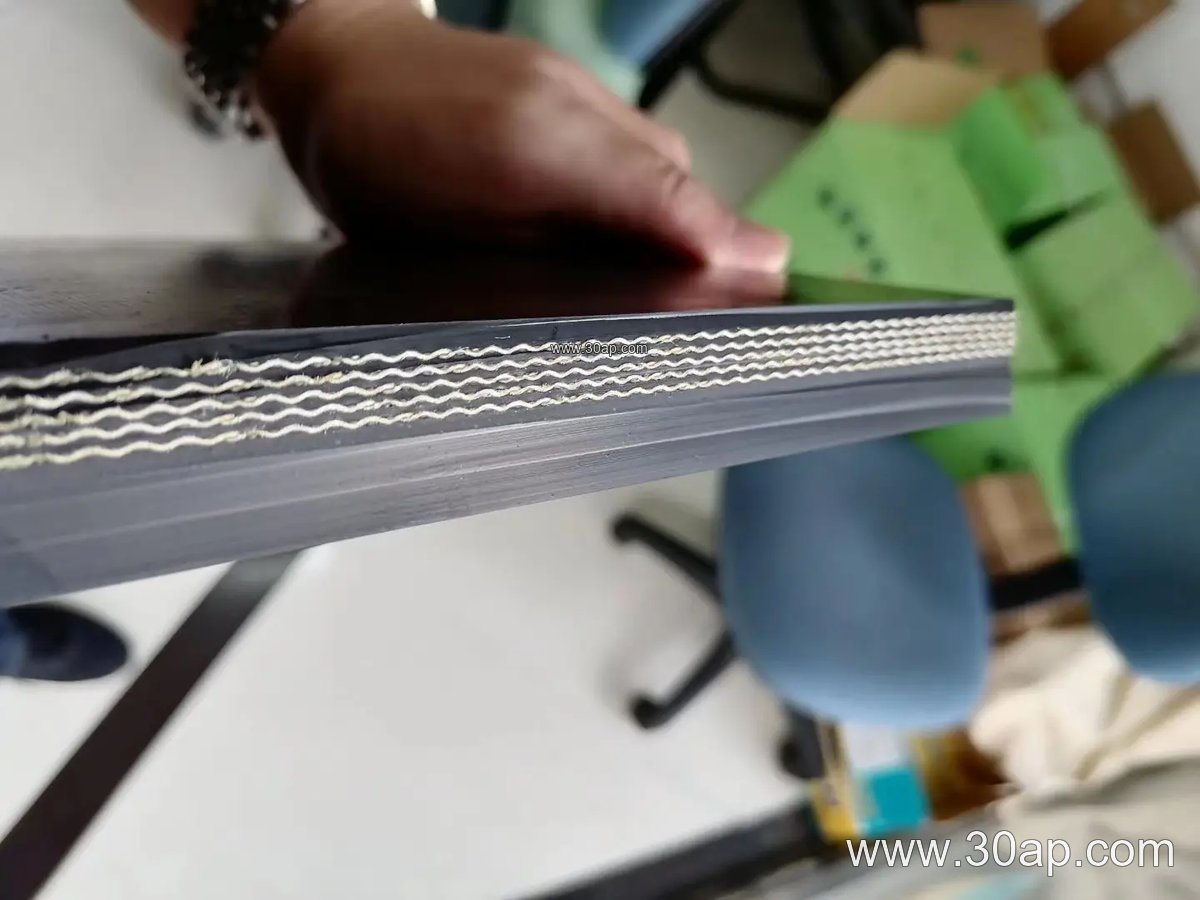
Most belts used in sand and aggregate lines are fabric core or steel cord constructions. The carcass carries the tension, and the rubber covers protect it from abrasion, impact and moisture. Common options include:
- EP conveyor belt with polyester-nylon fabric, widely used for crusher and screening discharge lines.
- NN conveyor belt with nylon fabric, offering good flexibility and impact absorption.
- Multi-ply fabric core conveyor belt for heavier loads and longer conveyors.
- Steel cord conveyor belt for high tension and long-distance transport.
- Abrasion resistant conveyor belt with thicker covers for sharp crushed rock.
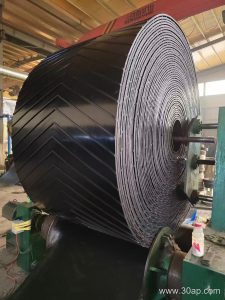
- Chevron or corrugated sidewall belts on inclined sections where material would otherwise slide back.
Cover thickness is usually given as top plus bottom, for example 4+2 mm, 5+2 mm or 6+2 mm. Carcass plies commonly range from two to six layers depending on the duty. These are reference values; the final specification is set by the conveyor design.
Typical Specifications
The table below shows common reference data for belts used in sand and stone operations. Values vary between manufacturers and should be confirmed against the actual conveyor calculation.
| Item | Common Reference Range |
|---|---|
| Belt width | B500, B650, B800, B1000, B1200, B1400, B1600 |
| EP strength grades | EP200, EP315, EP400, EP500, EP630, EP800, EP1000 |
| NN strength grades | NN100, NN200, NN300, NN400 |
| Steel cord grades | ST1000, ST1250, ST1600, ST2000 |
| Cover thickness | 3+1.5 mm, 4+2 mm, 5+2 mm, 6+2 mm, 8+3 mm |
| Fabric plies | 2 to 6 layers |
A 800mm or 1000mm belt is common on plant transfer conveyors, while wider belts such as 1200mm or 1400mm may appear on main stockpile lines. Width and pulley diameter are matched by the conveyor designer, not by a fixed rule, so a given belt width can work with more than one pulley size.
Where It Is Used
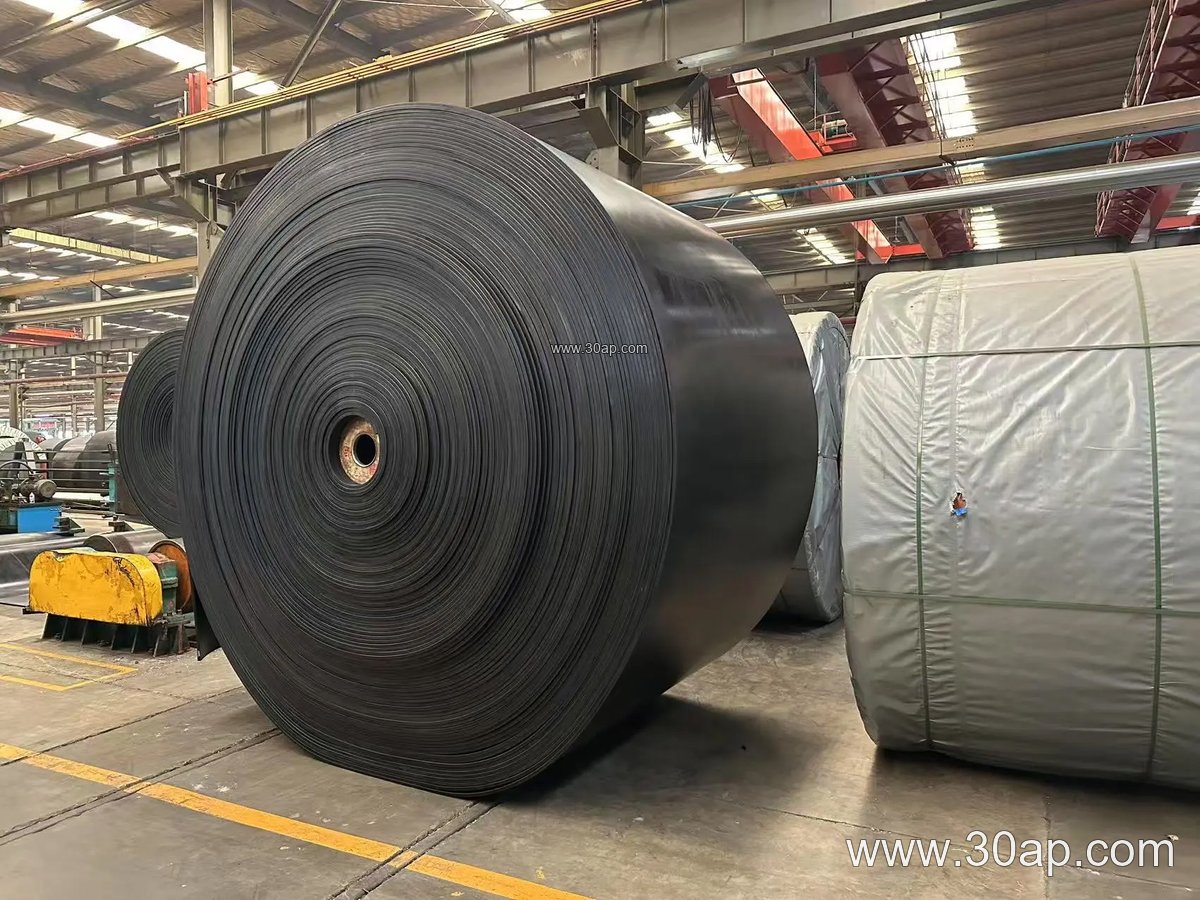
Sand making plants sit close to quarries, cement plants and construction aggregate yards. The same belt types appear in mining, coal preparation, power plants and port loading. In a crushing circuit, a crusher conveyor belt handles the discharge from jaw or cone crushers, where impact resistance matters. Screening decks pass oversize back to the sand maker, and the return belt often carries a mixed, damp load.
For dusty or wet conditions, a skirted conveyor belt or a pipe conveyor belt can reduce spillage. Where the plant operates in cold regions, a cold resistant conveyor belt helps prevent cover cracking. Where coal or combustible dust is present, a flame retardant conveyor belt is normally specified.
Buyer Checklist
- Confirm the material: crushed stone, manufactured sand, wet aggregate or mixed feed.
- Check the duty: hours per day, tonnage per hour and whether the belt starts loaded.
- Review the conveyor layout: incline angle, transition distance and pulley diameters.
- Match the cover to the wear: abrasion resistant for sharp rock, oil resistant near gearboxes, heat resistant near dryers.
- Ask for the splice method and whether an endless conveyor belt is required.
- Plan spare idler rollers and at least one spare pulley, since downtime stops the whole plant.
For more information on belt, roller and pulley options, visit www.example.com/conveyor-belt and www.example.com/conveyor-pulley. A well-matched Sand Making Plant Conveyor Belt, together with correctly sized pulleys and well-maintained rollers, keeps a sand line running with fewer stoppages and less spillage.