What a Side Roller Does on a Conveyor
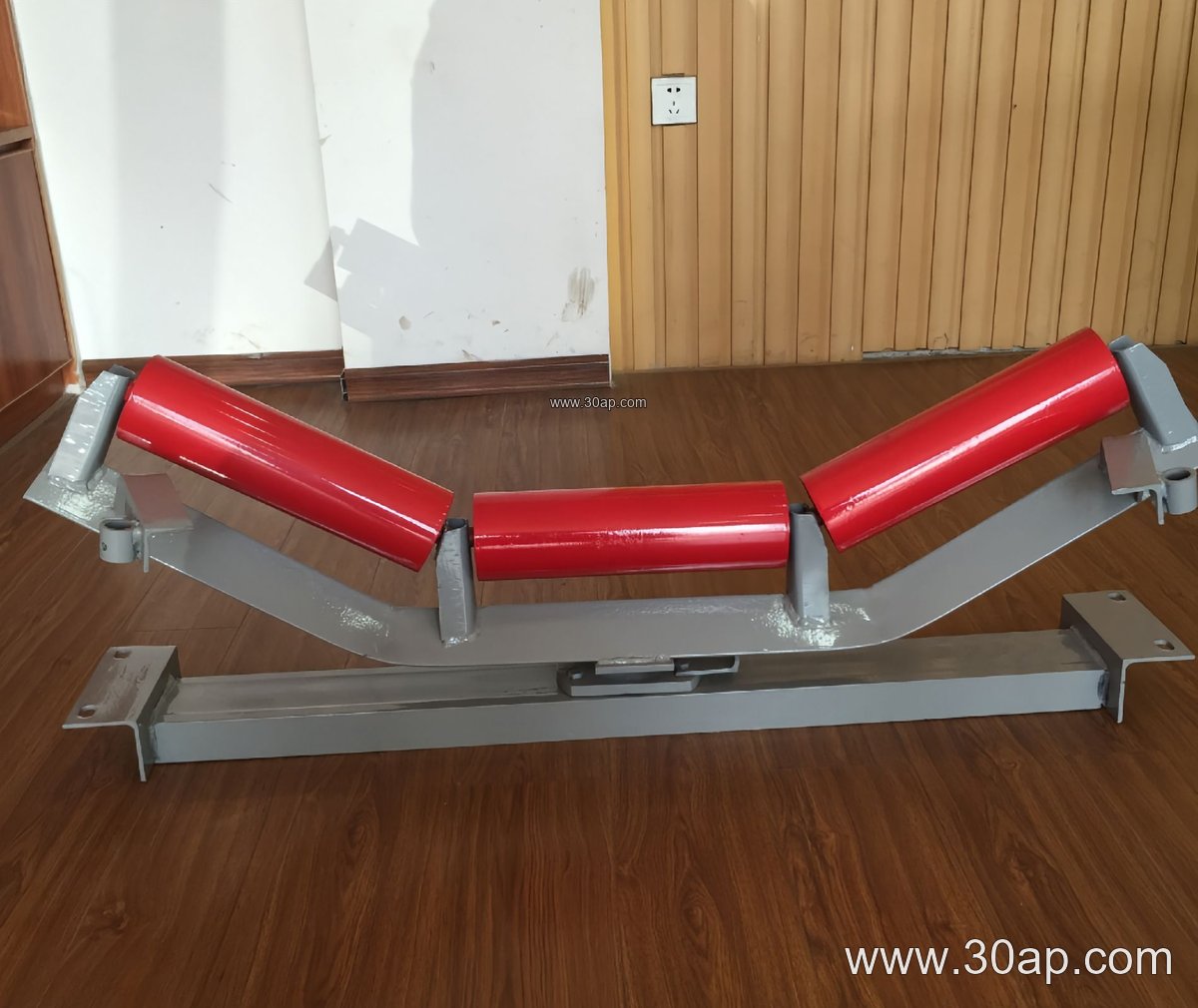
A side roller is the angled roller at each end of a troughing idler set. Together with the center roller, it shapes the conveyor belt into a trough so bulk material stays centered on the carrying run. In a three-roll set, the two side rollers carry the outer edges of the belt while the middle roller supports the load. This arrangement is common on conveyors handling coal, ore, aggregate, cement clinker, and other bulk materials. When specified and maintained correctly, the side roller helps reduce spillage and belt edge damage.
Where It Fits in the Idler Assembly
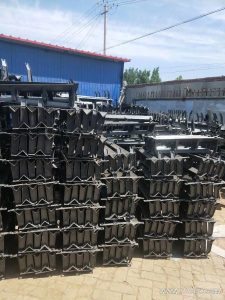
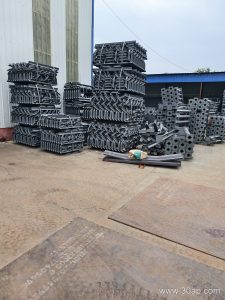
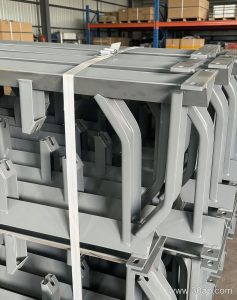
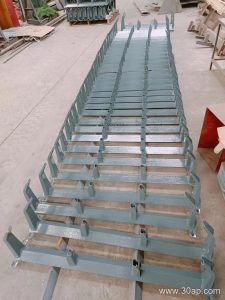
The side roller sits in the troughing idler frame, often called a conveyor bracket, at a fixed trough angle. The center roller and the two side rollers are not interchangeable: each has its own length and mounting position. On the return run, flat or V-return idlers are used instead, and those are different components. Drive pulleys, tail pulleys, and bend pulleys are also separate from side rollers and should not be confused with them.
Construction and Common Surface Options
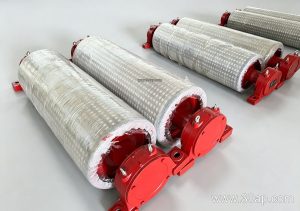
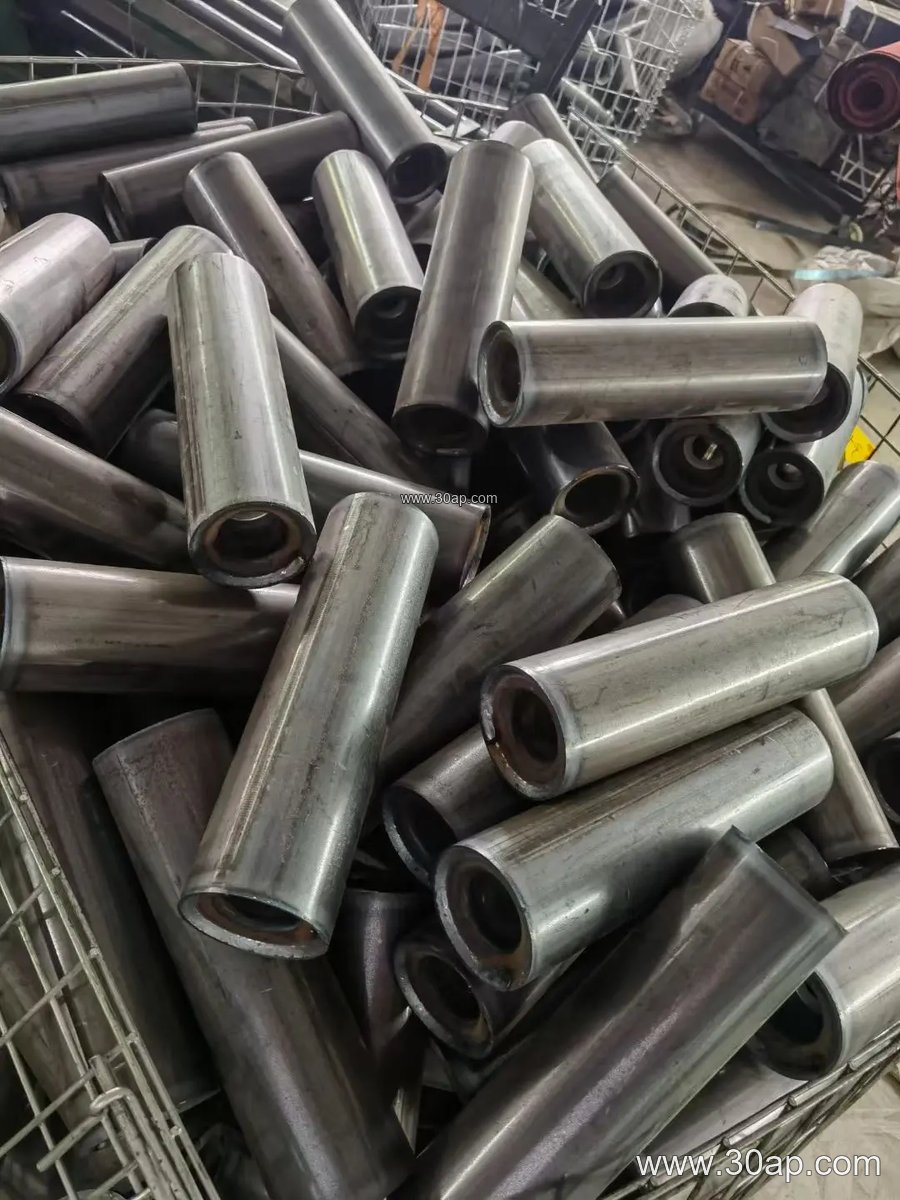
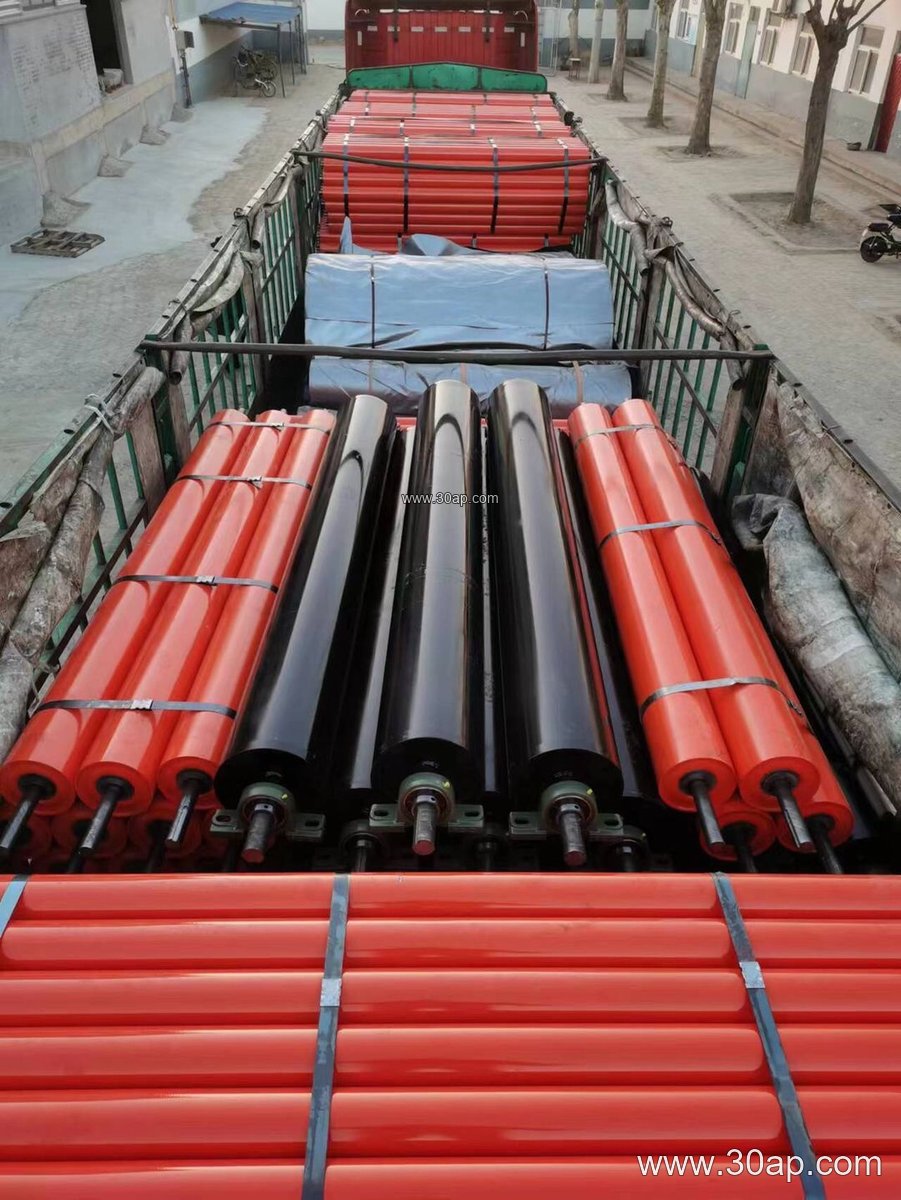
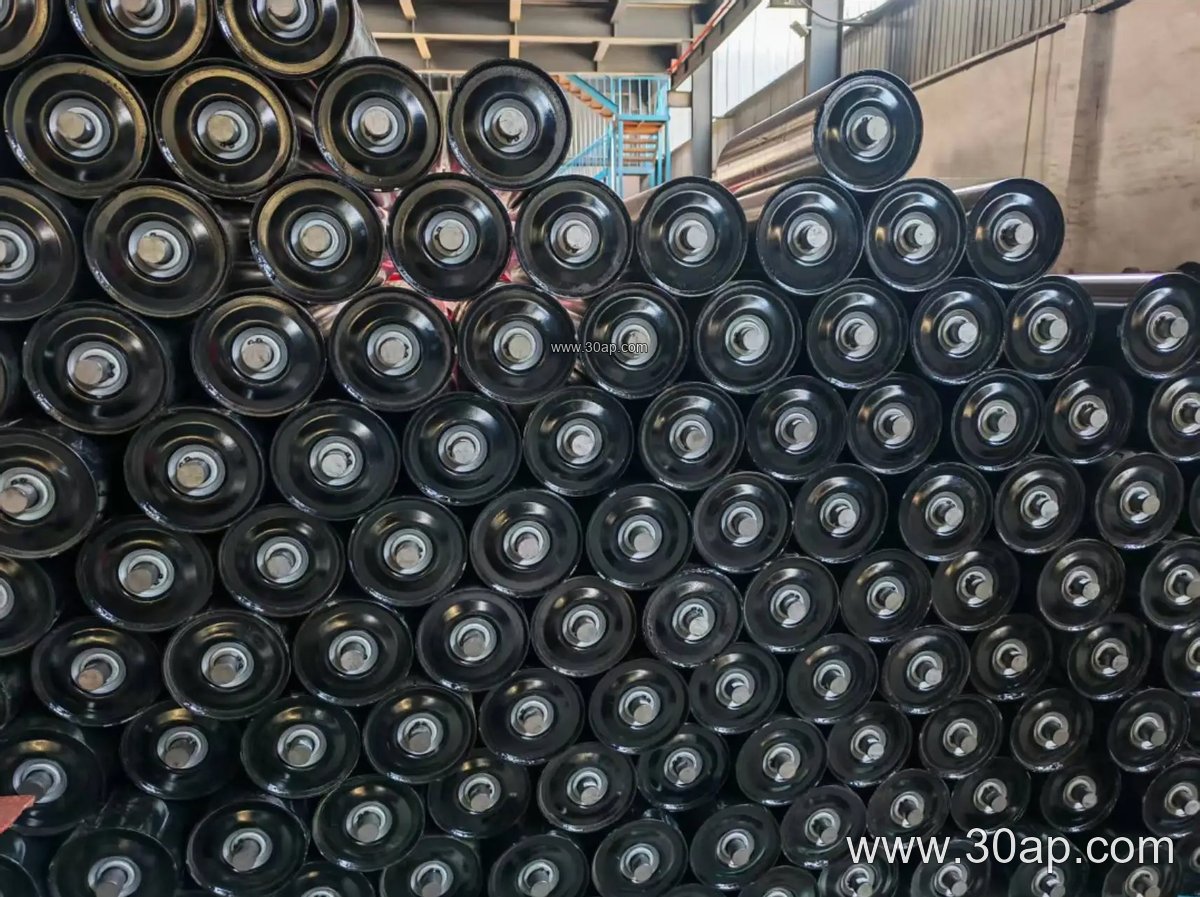
A typical side roller has a steel tube shell, bearing housings at both ends, a shaft, and a sealing arrangement to keep dust and water out. The roller surface may be plain steel, nylon, ceramic, or rubber-covered depending on the application. Rubber rings are sometimes used on impact or buffer idlers, but the side roller itself is usually a standard troughing component. Bearing sizes such as 6204, 6205, 6305, 6306, 6308, and 6310 are common across different roller diameters; a given bearing is not tied to one roller diameter.
Reference Dimensions
The table below shows common reference values, not fixed rules. Roller length changes with belt width, trough angle, and idler configuration.
| Belt width | Common side roller length (reference) | Typical roller diameter range |
|---|---|---|
| B500 | about 200 mm | Ø63 to Ø89 |
| B650 | about 250 mm | Ø76 to Ø108 |
| B800 | about 315 mm | Ø89 to Ø133 |
| B1000 | about 380 mm | Ø108 to Ø159 |
| B1200 | about 465 mm | Ø108 to Ø178 |
| B1400 | about 530 mm | Ø127 to Ø194 |
| B1600 | about 600 mm | Ø133 to Ø194 |
| B1800 | about 670 mm | Ø159 to Ø219 |
| B2000 | about 750 mm | Ø178 to Ø219 |
Trough angles are commonly 20, 30, 35, or 45 degrees. A small forward tilt of about 1.5 to 2 degrees is sometimes used on training idlers, but this is a separate design detail. Always confirm the actual mounting dimensions with the idler frame drawing.
Applications Across Industries
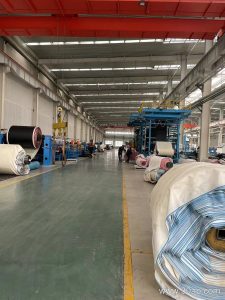
Side rollers appear in many bulk handling systems. In a coal washing plant or power station coal yard, they support the belt on the carrying side and help keep coal centered. In a limestone quarry or sand and gravel line, they work alongside impact idlers at the loading point and standard troughing idlers along the run. The conveyor belt itself may be an EP conveyor belt, a steel cord conveyor belt, or a flame retardant conveyor belt depending on the environment. A side roller does not replace the belt, the drive pulley, or the tail pulley; it is one part of the idler set.
What Buyers Should Check Before Ordering
- Confirm the belt width and the trough angle of the existing idler frame.
- Check the required side roller length, shaft diameter, and bearing size against the frame drawing.
- Match the roller surface to the duty: rubber rings for impact areas, ceramic or nylon where buildup or wear is a concern.
- Verify sealing and lubrication requirements for dusty or wet conditions.
- Consider the conveyor belt type and load so the roller diameter is adequate for the belt speed and material weight.
Abrasion resistant conveyor belts and heavy-duty mining conveyor belts often run on robust idler sets, but the side roller specification still depends on the actual frame and load. For replacement orders, measuring an existing side roller is usually faster and safer than assuming a size from belt width alone.
Maintenance Notes
Inspect side rollers for seized bearings, worn shells, and loose mounts. A worn side roller can cause belt edge wear and material spillage. Keep the idler frame and conveyor bracket clean so the roller can rotate freely. When replacing a side roller, check the center roller and the return idlers at the same time, because uneven wear across the set affects belt training. For systems using a pipe conveyor belt or a corrugated sidewall conveyor belt, follow the manufacturer’s idler layout rather than substituting standard troughing rollers.