What a Mining Equipment Idler Does on the Line
A Mining Equipment Idler is the rotating roller assembly that supports the conveyor belt along its carrying and return runs. In a quarry, limestone mine, or iron ore operation, these rollers carry the weight of the belt and the material while keeping friction low. The idler roller is not a single part but a small system: a shell, a shaft, bearing housings, seals, and often a bracket that fixes it to the conveyor frame. Choosing the right idler roller for a mine site depends on belt width, load, environment, and the position of the roller in the conveyor structure.
Because a mine conveyor may run hundreds of meters, even a small increase in rolling resistance across many idlers adds up in motor load and energy use. That is why idler quality, alignment, and sealing matter as much as the belt itself. A well-matched Mining Equipment Idler keeps the conveyor belt tracking steadily, reduces spillage, and extends the service life of bearings and frames.
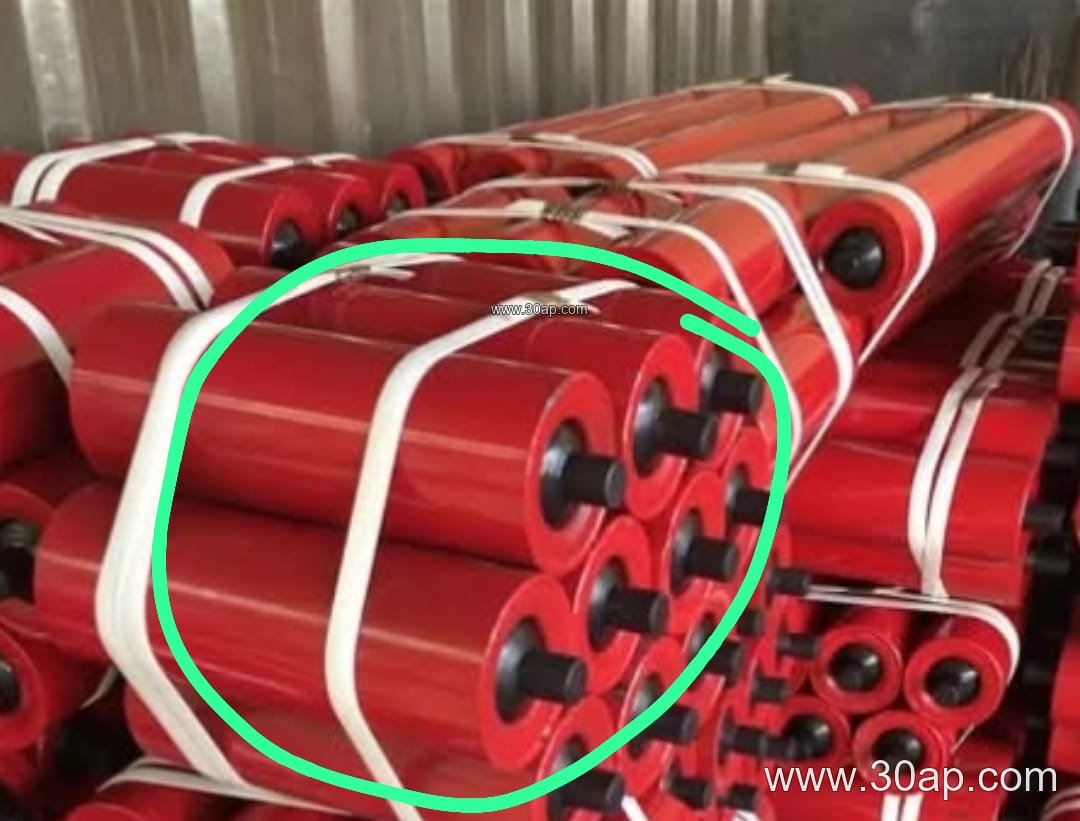
Construction Details That Affect Service Life
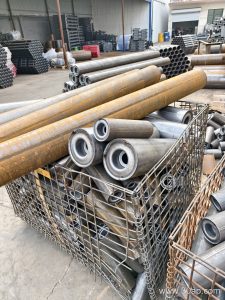
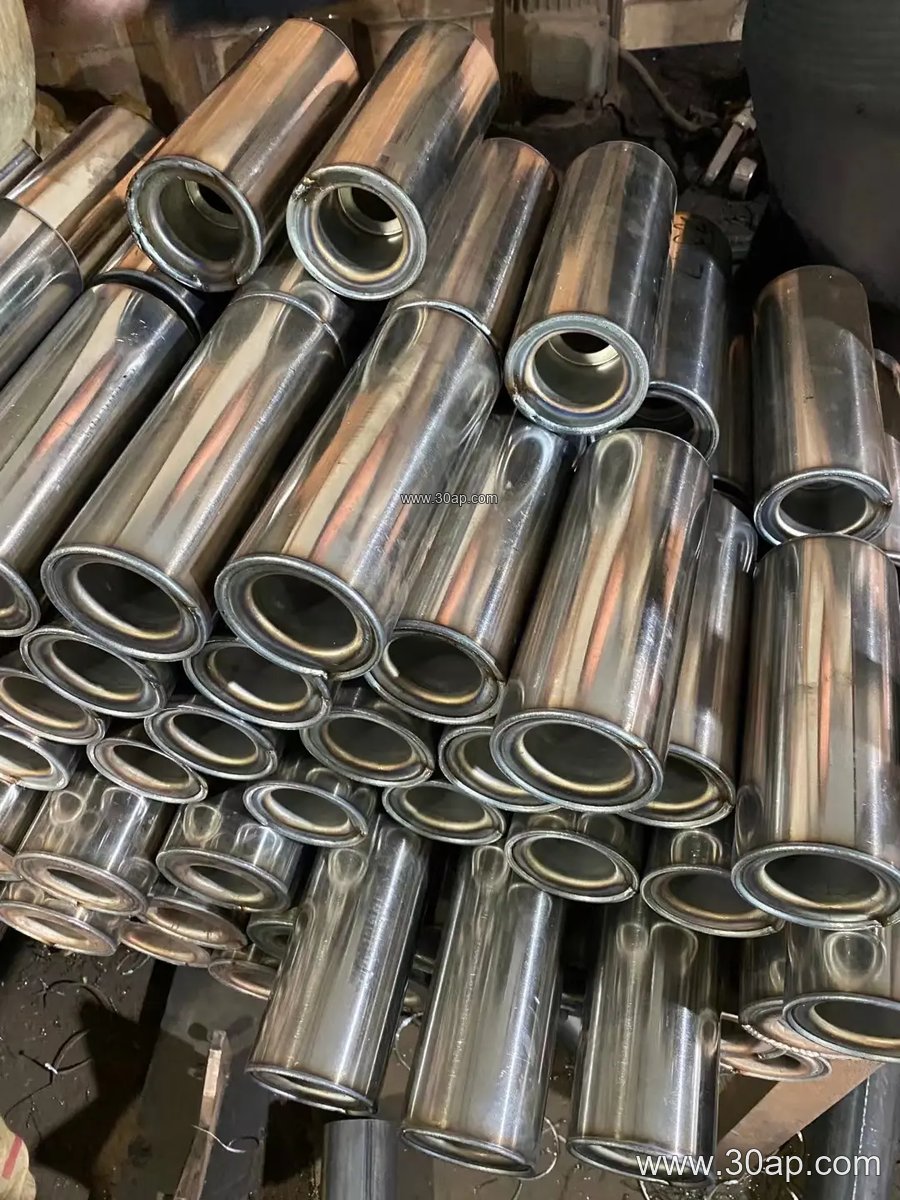
Most idlers use a steel tube shell with machined ends, a through shaft, and deep-groove ball bearings in sealed housings. Roller diameter is usually selected with belt width and load in mind. Common diameters include Ø89, Ø108, Ø127, Ø133, Ø159, and Ø178, while larger sizes such as Ø194 and Ø219 appear in heavy-duty positions. Bearing sizes are often 6204, 6205, 6305, 6306, 6308, or 6310, but no single bearing is tied to one roller diameter. The bearing choice should follow the load calculation and the shaft design.
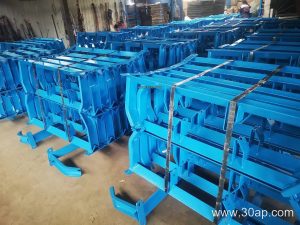
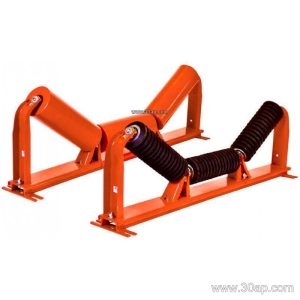
Seals are a decisive detail in dusty or wet conditions. A labyrinth seal with grease retention keeps fine rock dust away from the bearing race. Shell surface options include plain steel, nylon, ceramic, and rubber rings. Rubber rings are common on impact idlers at transfer points, while ceramic or nylon covers may be used where sticky material builds up on plain steel. A conveyor bracket connects the idler to the frame, and its dimensions must match the frame slot and the chosen roller end type.
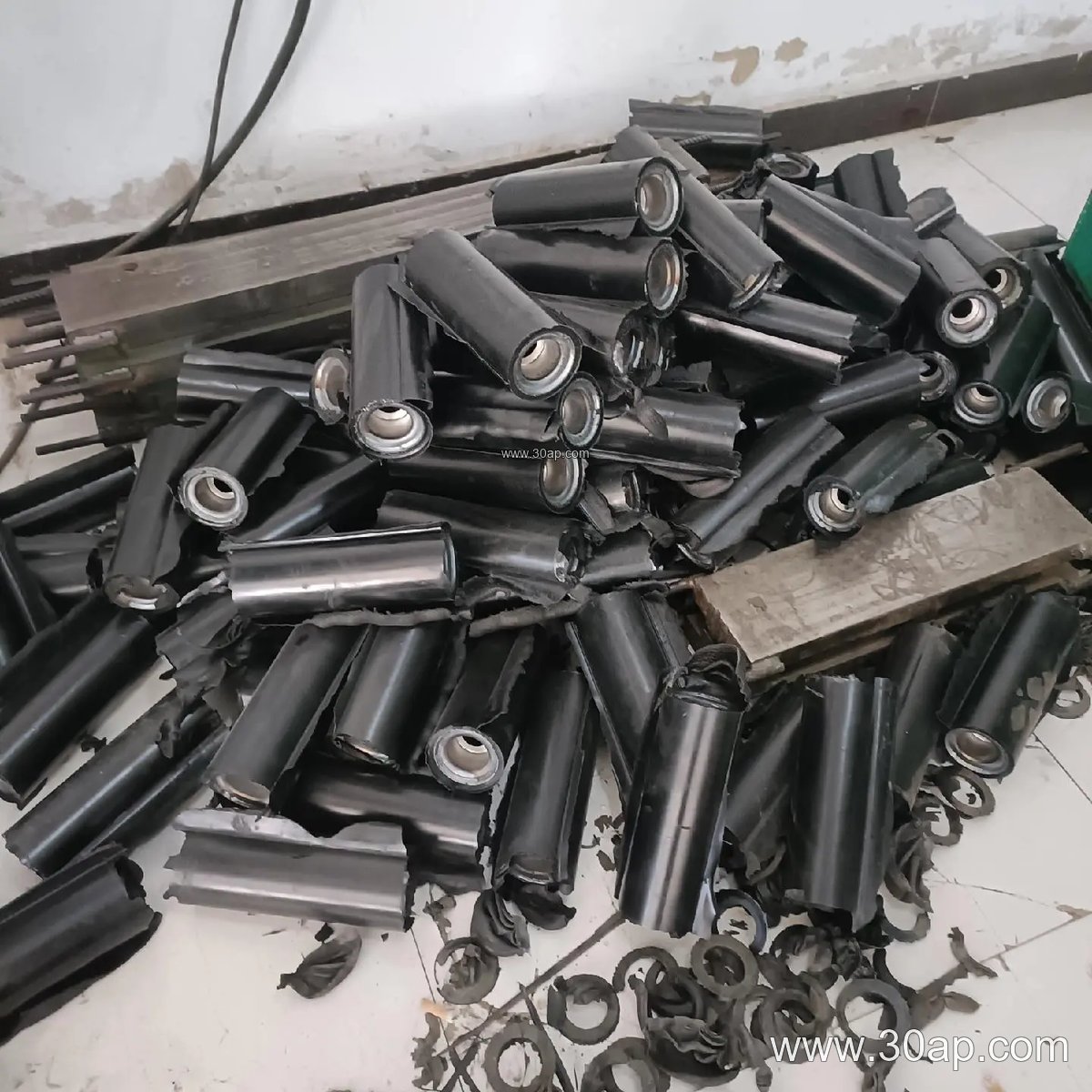
Carrying, Return, and Transition Positions
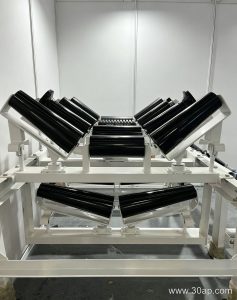
The carrying run usually uses three-roll troughing sets with trough angles of 20, 30, 35, or 45 degrees. A deeper trough helps contain a wider load on a bulk material conveyor belt, while a shallower trough suits materials that must not be compressed. Return positions often use a single flat roller or a V-return set that helps center the belt. Transition idlers sit between the tail pulley and the first full trough set, gradually shaping the belt without over-stressing the edges.
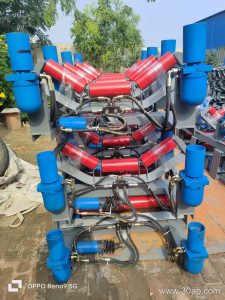
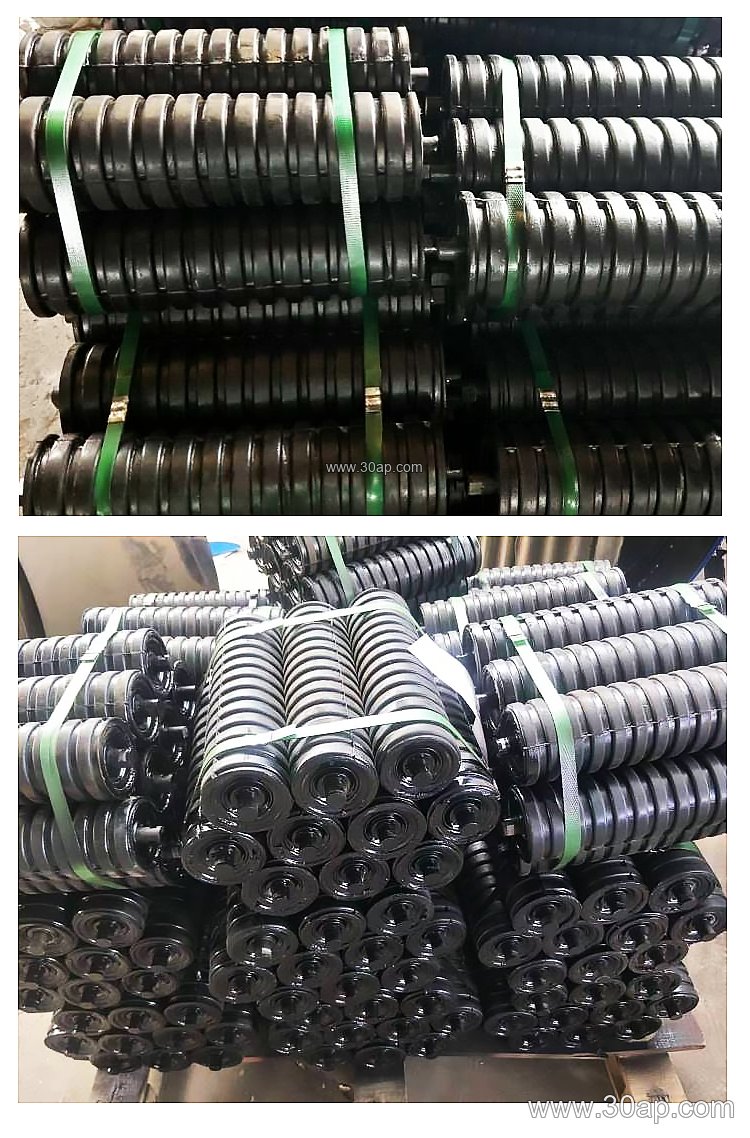
Self-aligning idlers, including friction and tapered types, correct minor belt drift on long runs. Impact idlers with rubber rings absorb the drop energy below a crusher or transfer chute. Spiral idlers can reduce material buildup on the return side in wet or sticky service. Each of these is still an idler roller, but the position and duty determine the design.
Common Sizes and Reference Data
The table below gives typical reference values for troughing idler rollers. Actual roller length and shaft size should be confirmed against the conveyor design, because side rollers and center rollers can differ.
| Belt Width | Typical Roller Length (Three-Roll Trough) | Common Roller Diameter Range |
|---|---|---|
| B500 | about 200 mm | Ø63 to Ø89 |
| B650 | about 250 mm | Ø76 to Ø108 |
| B800 | about 315 mm | Ø89 to Ø127 |
| B1000 | about 380 mm | Ø108 to Ø133 |
| B1200 | about 465 mm | Ø108 to Ø159 |
| B1400 | about 530 mm | Ø127 to Ø159 |
| B1600 | about 600 mm | Ø133 to Ø178 |
| B1800 | about 670 mm | Ø159 to Ø194 |
| B2000 | about 750 mm | Ø159 to Ø219 |
These values are examples for orientation, not a fixed pairing rule. The belt width does not dictate one pulley diameter or one shaft diameter. The conveyor speed, material density, and load per idler station must be calculated separately.
Where Mining Equipment Idlers Are Used
In an underground coal mine, flame retardant and anti-static properties matter for the belt, and the idler frame must fit restricted gallery space. In a copper ore or gold mining concentrator, abrasion resistant rollers and heavy-duty frames handle sharp, dense material. A cement plant uses idlers on clinker and raw meal lines, while a power plant coal yard relies on them across long stockyard conveyors. Aggregate and sand making plants often place impact idlers below crusher discharge points.
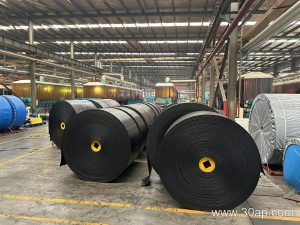
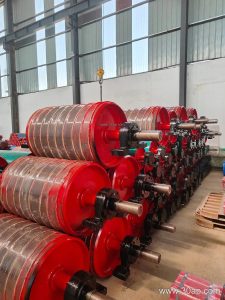
The idler works with the conveyor belt, the conveyor pulley at drive and tail ends, and the conveyor bracket system. It does not replace those parts; it supports the belt between them. Matching the idler to the belt type, whether an EP conveyor belt, a steel cord conveyor belt, or a heat resistant conveyor belt, helps avoid edge damage and mistracking.
Buyer Checklist Before Ordering
- Confirm belt width, trough angle, and whether the station is carrying, return, transition, or impact duty.
- State the roller diameter and the required roller length for each position, not just the belt width.
- Specify the shaft end type and the bracket interface so the idler fits the existing frame.
- Describe the environment: dust, water, temperature, and material stickiness.
- Choose the shell surface and seal design for that environment rather than defaulting to plain steel.
- Ask for the bearing size and grease arrangement, and keep spare rollers consistent with the installed set.
A practical spare parts plan should include a small stock of the most wearing positions, such as impact and return idlers, plus the seals and brackets needed for replacement. Regular inspection of roller rotation, shell wear, and frame alignment prevents a single seized idler from damaging the belt and disrupting the whole line.