What a Power Plant Conveyor Idler Does
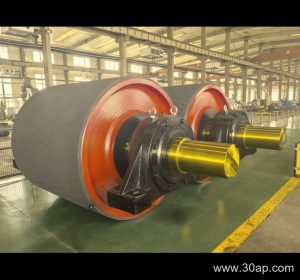
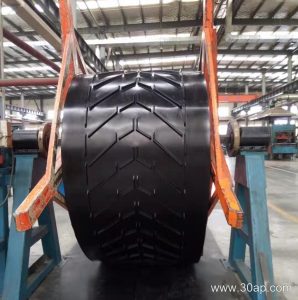
A power plant conveyor idler is the rotating support that carries the belt and its load along the coal handling or ash removal line. In a typical coal-fired station, these idlers sit under a fabric core conveyor belt or steel cord conveyor belt that moves fuel from the stockyard to the bunkers. The idler roller turns with the belt, keeping friction low and preventing sag between the pulleys. Without reliable idlers, the belt would drag, wear quickly, and misalign. The conveyor pulley at the drive or tail end provides the motion, but the idlers do the continuous support work.
Construction and Common Types
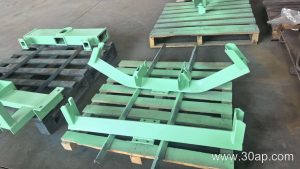
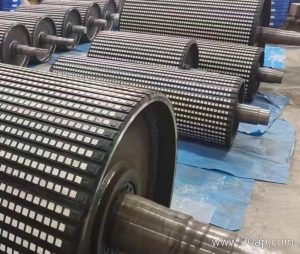
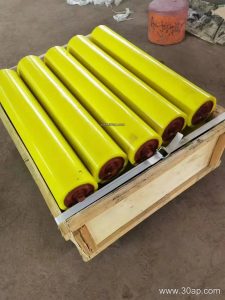
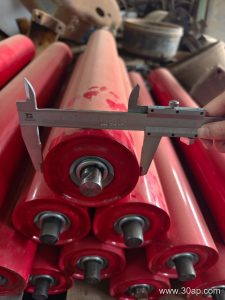
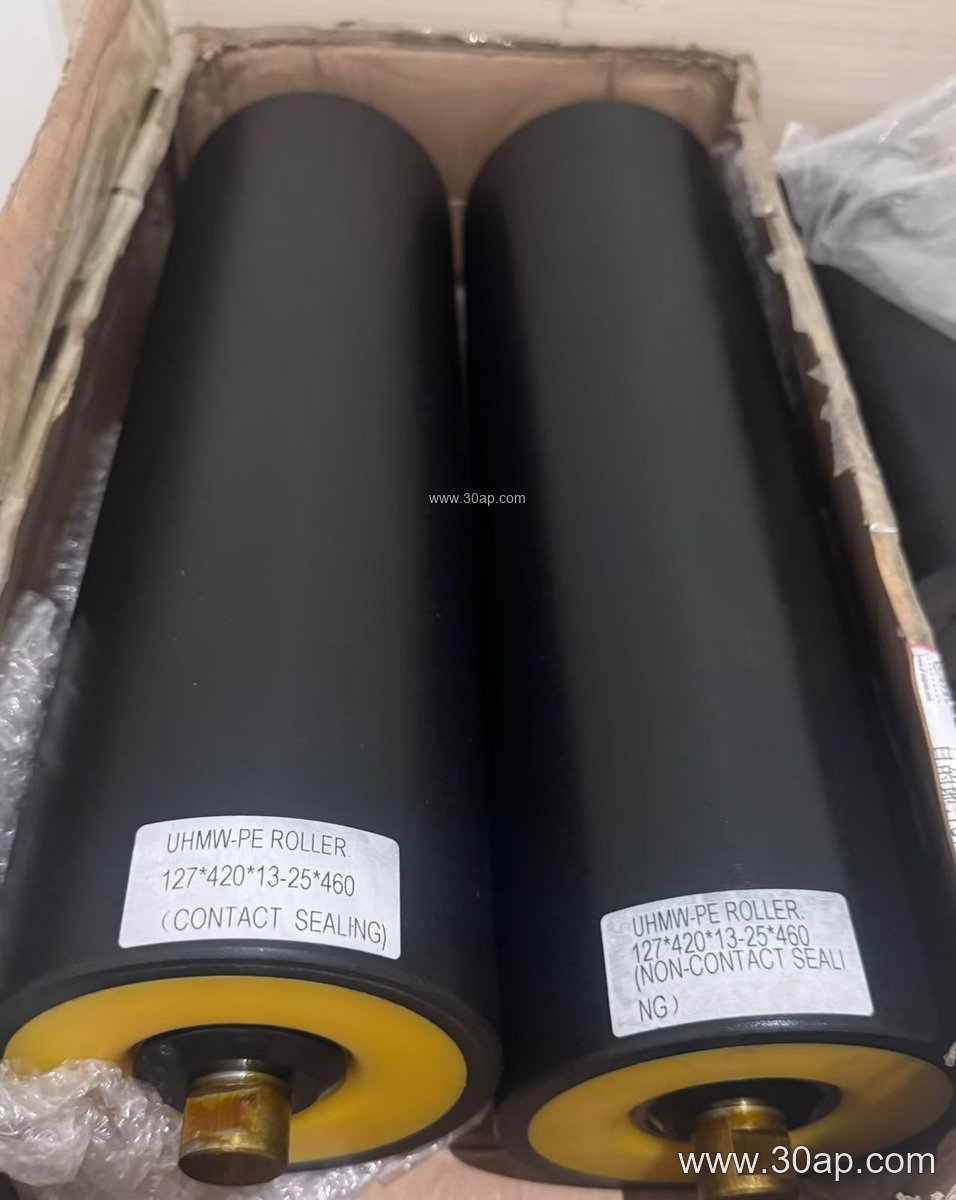
A standard power plant conveyor idler consists of a steel tube shell, a shaft, bearing housings, and seals. The shell may be plain steel, nylon-coated, ceramic-lined, or fitted with rubber rings for impact zones. Bearings such as 6204, 6205, 6305, 6306, 6308, or 6310 are common, matched to the load and speed rather than to one fixed roller diameter. Roller diameters often range from Ø63 to Ø219 mm, and belt widths from B400 to B2400 mm appear in plant designs.
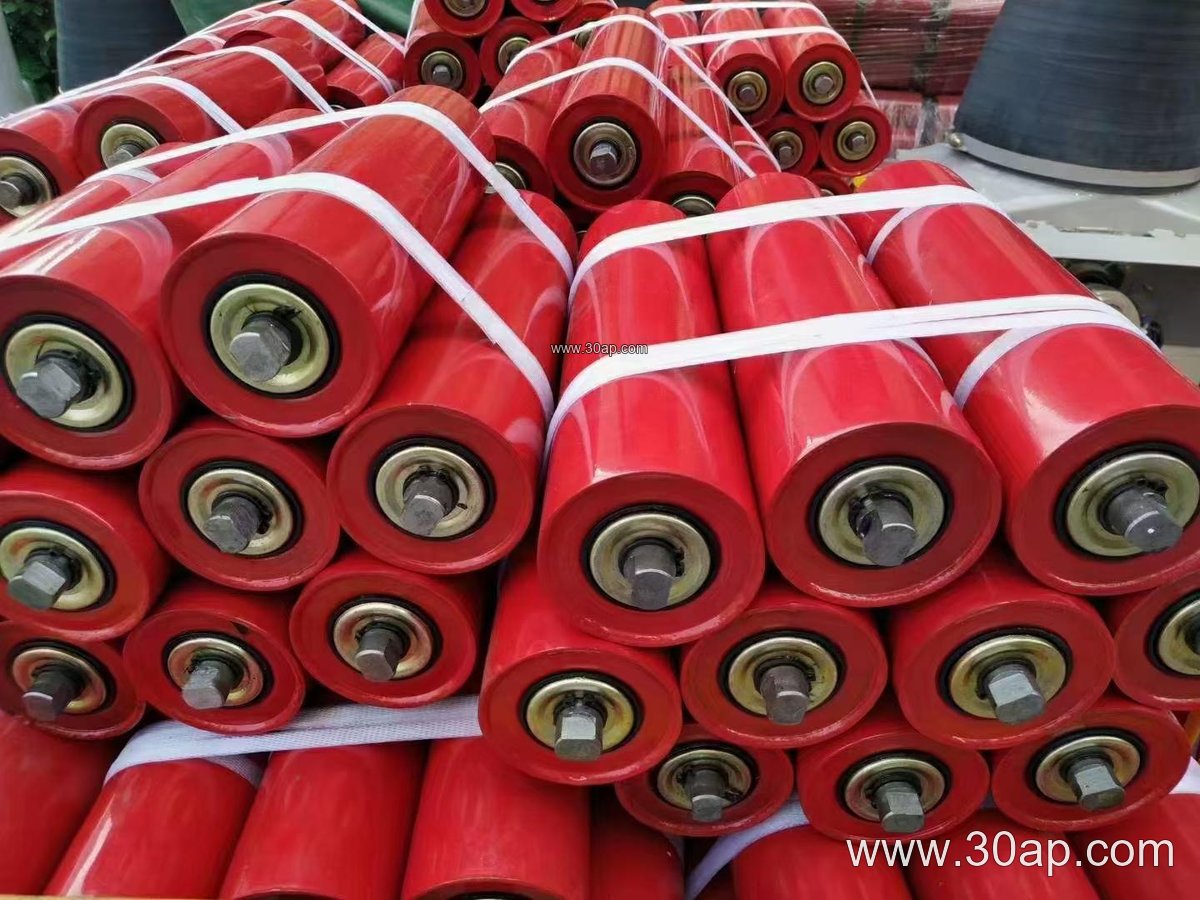
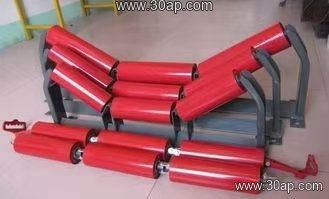
Typical idler arrangements
- Troughing idlers: single, two-roll, or three-roll sets with trough angles of 20, 30, 35, or 45 degrees.
- Return idlers: flat or V-shaped, supporting the empty belt.
- Impact idlers: rubber-ring or cushion type under loading points.
- Self-aligning idlers: friction or conical design to correct belt drift.
- Spiral idlers: for sticky material that tends to build up on the roller.
For a three-roll troughing set, common roll lengths are roughly 200 mm for B500, 250 mm for B650, 315 mm for B800, 380 mm for B1000, 465 mm for B1200, 530 mm for B1400, 600 mm for B1600, 670 mm for B1800, and 750 mm for B2000. These are examples only; side rolls and center rolls can differ, and the final length follows belt width, trough angle, and frame design.
Where They Are Used in Power Plants
In a coal-fired power plant, idlers appear on the coal conveyor belt from the unloading area to the crusher house and then to the boiler bunkers. A flame retardant conveyor belt or anti-static conveyor belt is often specified for this route. In the ash handling section, abrasion resistant conveyor belt and heat resistant conveyor belt may be used, and the idlers must tolerate fine, abrasive dust. The same idler roller designs also appear in limestone preparation, gypsum handling, and biomass feed lines. In cement plants, quarry conveyor belt and aggregate conveyor belt lines use similar troughing and return idlers. In mining, underground coal mining conveyor belt systems rely on sealed idlers to keep dust out.
Matching Idlers to the Belt and the Load
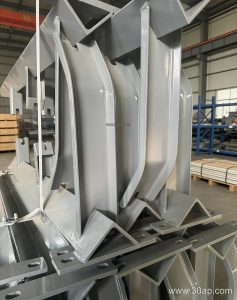
Buyers should look at the belt width, the trough angle, and the material load before choosing a roller diameter. A wider belt does not automatically require one specific shaft size, and a given belt width can work with more than one pulley diameter. The idler frame, conveyor bracket, and bearing selection together determine the safe load. For a heavy-duty mining conveyor belt or a high abrasion resistant conveyor belt carrying coarse ore, larger roller diameters and thicker shells usually last longer. For a pipe conveyor belt or a corrugated sidewall conveyor belt, the idler layout follows the special belt profile rather than a standard troughing set.
Reference data for common idler sizes
| Belt width | Typical three-roll idler length | Common trough angles |
|---|---|---|
| B500 | about 200 mm | 20°, 30°, 35° |
| B650 | about 250 mm | 20°, 30°, 35° |
| B800 | about 315 mm | 30°, 35°, 45° |
| B1000 | about 380 mm | 30°, 35°, 45° |
| B1200 | about 465 mm | 30°, 35°, 45° |
| B1400 | about 530 mm | 30°, 35°, 45° |
| B1600 | about 600 mm | 30°, 35°, 45° |
These values are common references, not fixed combinations. The actual roller length, shaft size, and bearing are set by the conveyor design.
What a Buyer Should Check
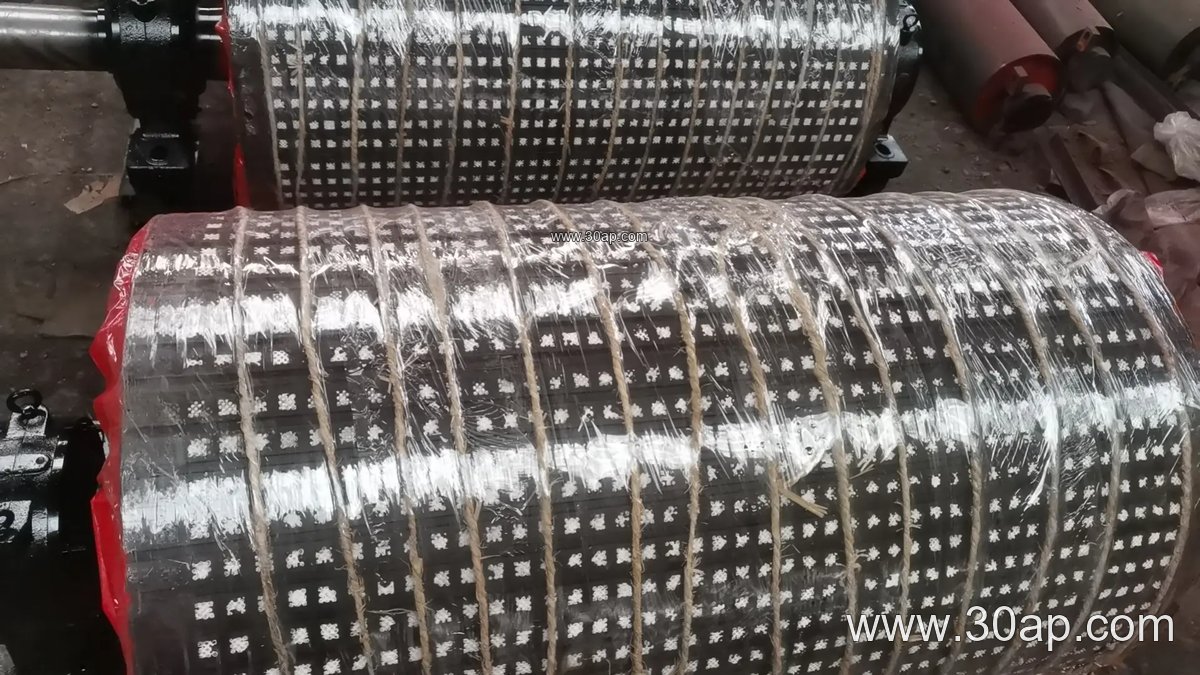
Ask about the sealing arrangement, because dust and water ingress shorten bearing life. Confirm the roller surface: a rubber disc return roller helps shed sticky coal, while a ceramic lagging can resist wear in ash service. Check that the idler frame matches the existing conveyor bracket spacing. For a power plant conveyor idler used under a heat resistant conveyor belt, verify the temperature rating of the bearing grease and seals. For a coal mining conveyor belt that must be fire resistant, the idler itself should not create sparks or hold heat. Spare parts should be interchangeable with the original idler roller, and the supplier should state the bearing number and shaft diameter clearly rather than implying one belt width fits one shaft.
Maintenance Notes
Inspect idlers for seized bearings, worn shells, and buildup. A seized roller can wear through a rubber conveyor belt or an EP conveyor belt quickly. Replace idlers in sets when possible, and keep the belt tracking straight to reduce edge damage. In power plant coal handling, a small number of failed idlers can cause belt misalignment and spillage, so routine walk-by checks are worthwhile. Keep a small stock of common roller diameters and bearing sizes for the plant’s main conveyor lines.