What a Corrugated Sidewall Conveyor Belt Is
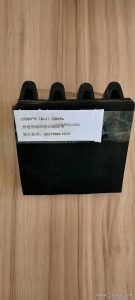
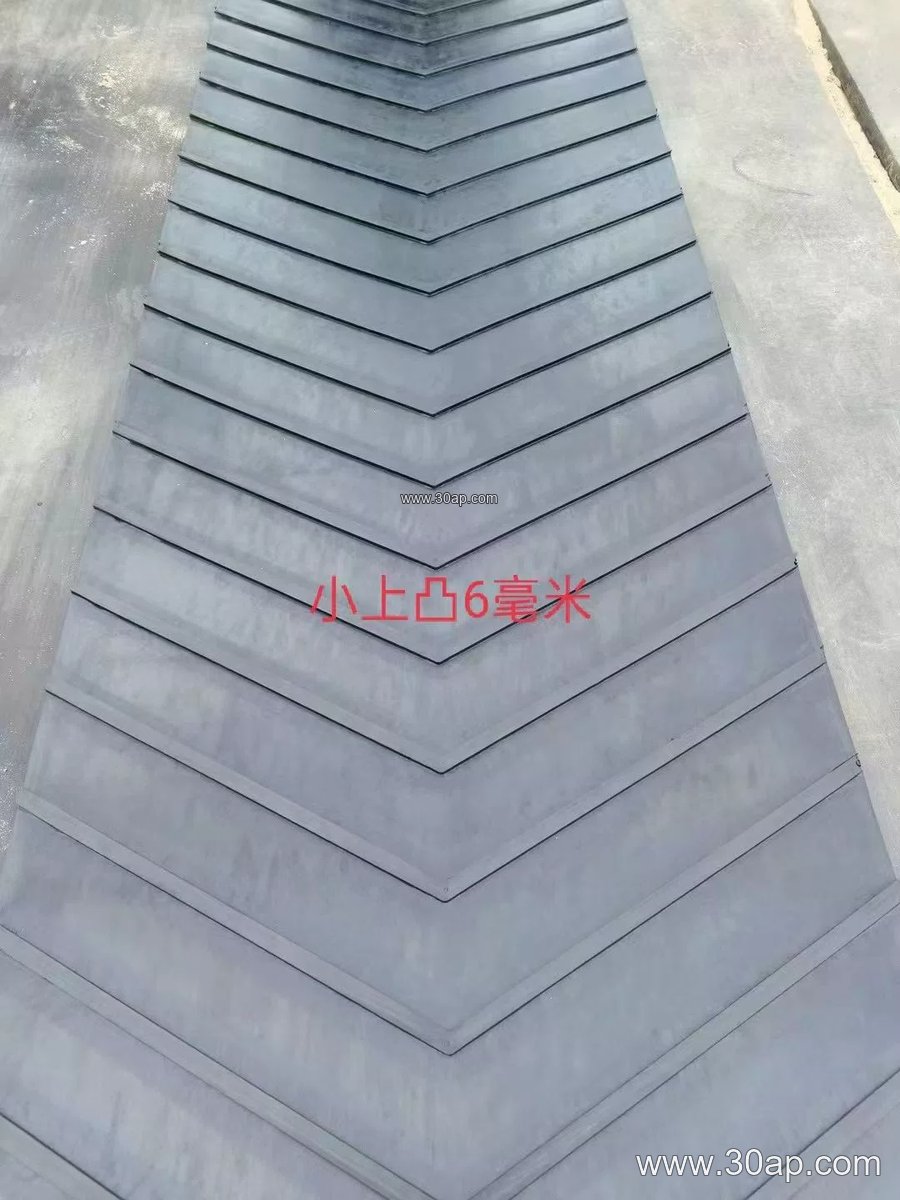
A corrugated sidewall conveyor belt is a fabric-reinforced rubber belt with raised, wave-shaped walls molded along both edges and, in most designs, horizontal cleats bridging those walls. The combination turns a flat belt into a shallow pocket that carries material up steep inclines without the material sliding back. In industrial writing the product also appears as a skirted conveyor belt with corrugated sidewalls, and both names describe the same construction: a base belt, two sidewall profiles, and transverse cleats.
Plants handling bulk material often choose this design where a conventional flat belt would need an impractically long run to gain height. It is common in mining, coal preparation, cement plants, power stations, sand and gravel yards, ports, and fertilizer or chemical handling lines.
How the Belt Is Built
The base belt is usually a multi-ply fabric core, for example an EP conveyor belt or an NN conveyor belt carcass, with rubber covers selected for the duty. Sidewalls are vulcanized to the edges, and cleats are bonded between them at a pitch chosen to suit the material and the incline. Because the walls and cleats flex around the pulleys, the base belt is normally more flexible than a heavy steel cord belt of similar width.
- Base belt: 2 to 6 fabric plies, commonly EP or NN
- Sidewall height: selected from the required pocket depth, typically 40 mm to 300 mm
- Cleat types: T-shaped, C-shaped, or single-block patterns
- Cover grade: abrasion resistant, heat resistant, oil resistant, flame retardant, or anti-static as the site demands
Cover thickness is often quoted as a top and bottom pair, such as 4+2 mm or 6+2 mm, and thicker covers suit sharp, heavy rock. The corrugated profile lets the wall fold slightly as the belt passes over the bend pulley, which is why the pulley diameter must be matched to the wall height rather than chosen from belt width alone.
Where It Fits on the Conveyor
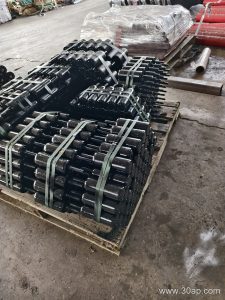
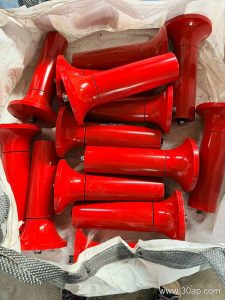
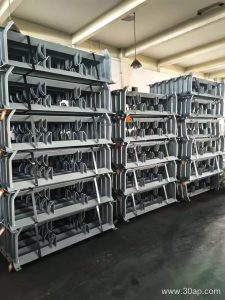
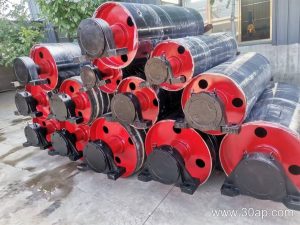
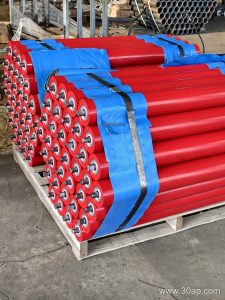
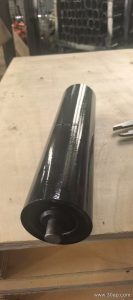
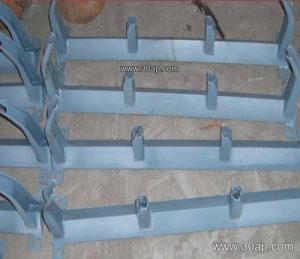
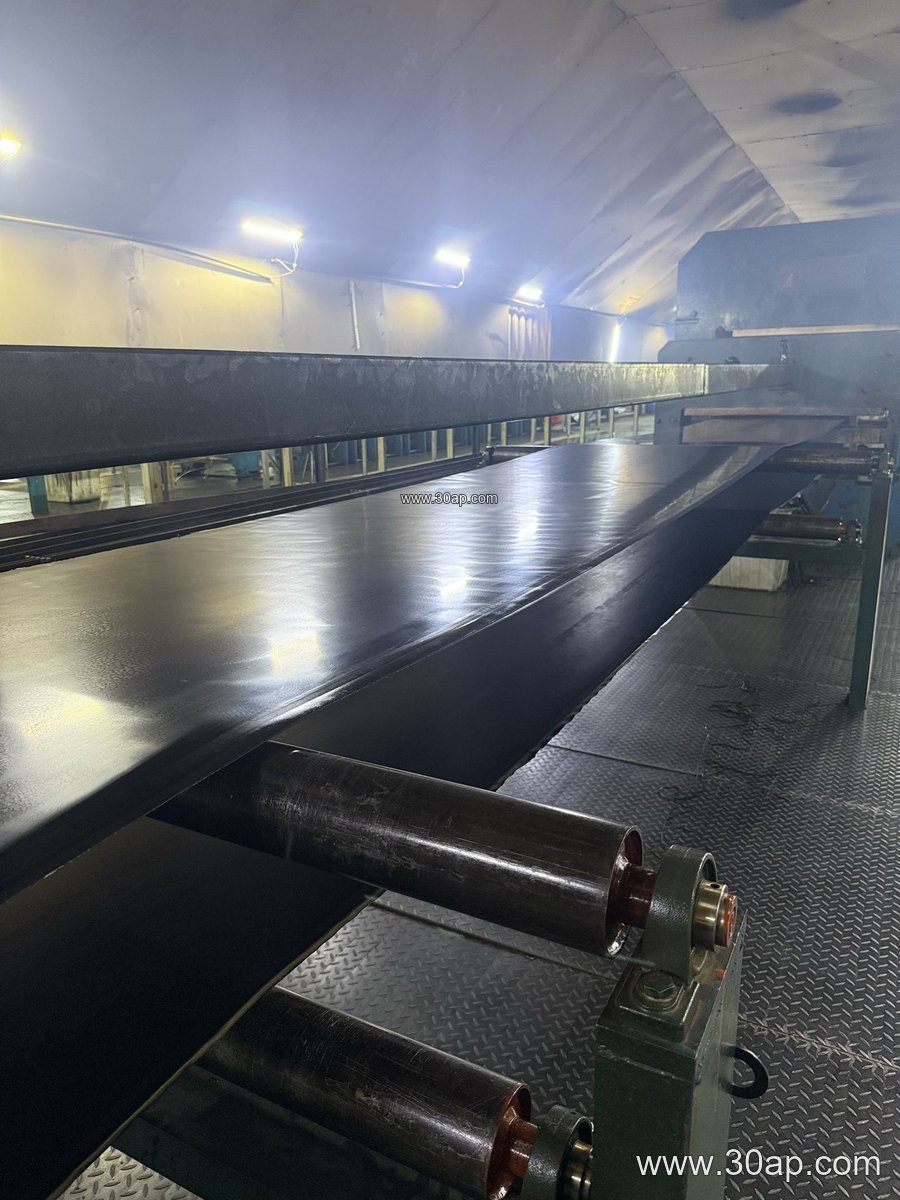
The belt runs on a conventional frame with a drive pulley, a tail pulley, and bend pulleys that guide the return strand. Carrying idler rollers support the loaded run, while return rollers and a conveyor bracket arrangement hold the return side in line. Because the sidewalls stand above the belt surface, the carrying idlers are usually flat rather than troughed, and the load is contained by the walls and cleats instead of by belt curvature.
Typical duties include:
- Steep incline transport of coal, clinker, limestone, or ore
- Vertical or near-vertical lifts in compact plant layouts
- Ship loading and port stockpile feeding
- Hopper discharge where space below the belt is limited
For very long horizontal runs, a standard EP conveyor belt or a steel cord conveyor belt may be the more economical choice, and a pipe conveyor belt is preferred where dust control and route curvature matter. The corrugated design earns its place specifically on the incline.
Specifications a Buyer Should Confirm
No single size fits every conveyor. The table below shows common reference ranges only; final values depend on the duty, the material, and the conveyor design.
| Parameter | Common reference range |
|---|---|
| Belt width | B500, B650, B800, B1000, B1200, B1400, B1600, B1800 |
| Carcass strength | EP200 to EP2000, or NN100 to NN400 |
| Sidewall height | 40 mm, 60 mm, 80 mm, 100 mm, 120 mm, 160 mm, 200 mm, 300 mm |
| Cleat pitch | Usually 100 mm to 500 mm, set by material and incline |
| Cover thickness | 3+1.5 mm, 4+2 mm, 5+2 mm, 6+2 mm, 8+3 mm |
When specifying, state the material, lump size, bulk density, incline angle, capacity in tonnes per hour, and the pulley diameters on the existing conveyor. Wall height and cleat height must clear the bend pulleys, and the belt edges must be guided so the walls do not rub the frame. A skirted conveyor belt with tall walls on a small pulley will fatigue quickly, so pulley size and belt construction belong in the same conversation.
Selection and Maintenance Notes
Choose the cover grade to match the environment: abrasion resistant rubber for crushed stone and sand, heat resistant compound for clinker and sinter, oil resistant grade for oily scrap or coke, and flame retardant or anti-static grades for coal mining conveyor belt duties underground. Cold resistant covers help in winter yards, and food grade covers apply where contact with food is possible.
During operation, watch the sidewall bond line and cleat roots for cracking or separation. Keep the belt tracking straight, inspect idler rollers for seized bearings, and check that the bend pulleys are free of built-up material. A well-matched corrugated sidewall conveyor belt, run on correctly sized pulleys and maintained rollers, will deliver steep lifts with less spillage than an open flat belt.