What a Bulk Material Conveyor Belt Is
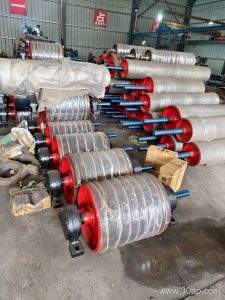
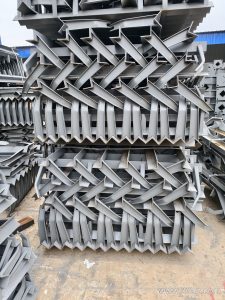
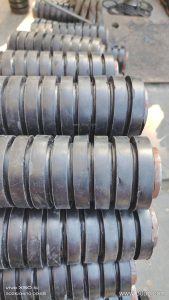
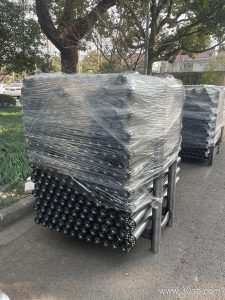
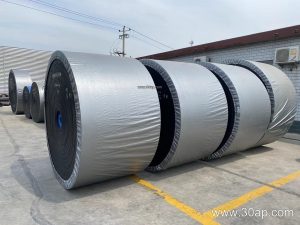
A Bulk Material Conveyor Belt is the endless moving surface that carries loose loads—crushed rock, ore, cement clinker, coal, sand, gravel, and similar materials—along a conveyor system. In practice, the same product is often ordered as a bulk handling conveyor belt or a heavy-duty bulk conveyor belt, but the function stays the same: to move high volumes of fragmented material reliably between transfer points. The belt works with a conveyor pulley at the drive and tail ends, idler rollers that support the carrying run, and a conveyor bracket that keeps the frame aligned. Together these parts form the backbone of bulk handling in mines, quarries, cement plants, power stations, ports, and sand and gravel yards.
Construction and Common Belt Types
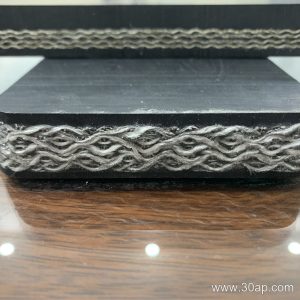
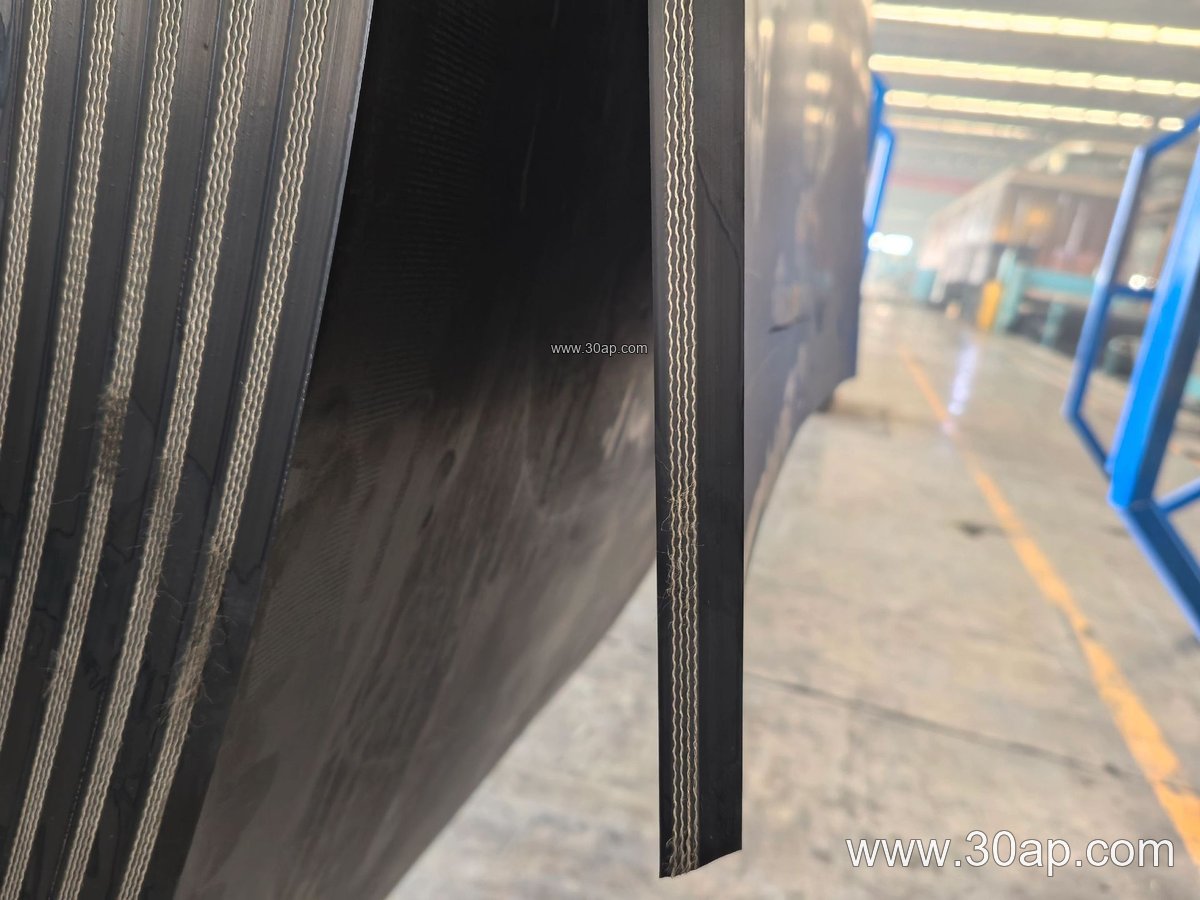
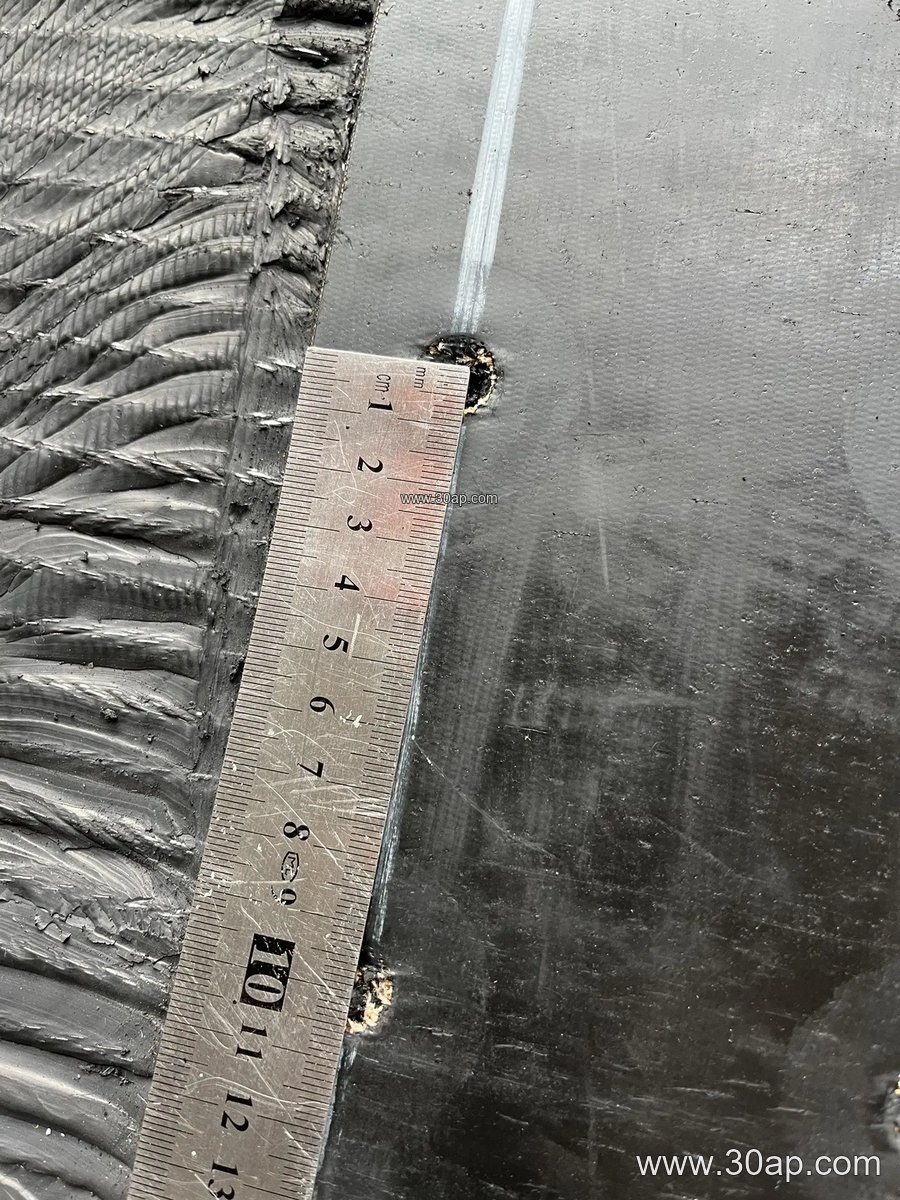
The carcass provides strength and resistance to elongation, while the rubber covers protect it from abrasion, impact, and the environment. Fabric-core belts use EP (polyester-cotton) or NN (nylon) plies; steel cord belts use brass-plated wires for very long runs and high tension. A typical bulk material conveyor belt may be built as an EP Conveyor Belt, an NN Conveyor Belt, or a Steel Cord Conveyor Belt, depending on the duty. For underground coal work, PVG Conveyor Belt and PVC Conveyor Belt grades are common because they combine flame resistance with a solid-woven or fabric core. Surface conditions also shape the choice: a Heat Resistant Conveyor Belt for clinker or sinter, an Oil Resistant Conveyor Belt for recycled or oily feedstock, and an Abrasion Resistant Conveyor Belt for sharp rock. Chevron Conveyor Belt and Corrugated Sidewall Conveyor Belt profiles help on inclines where material would otherwise slide back.
Where These Belts Work
In mining and quarrying, a Mining Conveyor Belt or Quarry Conveyor Belt moves run-of-mine rock from the crusher to the stockpile. A Coal Mining Conveyor Belt and Underground Coal Mining Conveyor Belt are usually specified with flame-retardant covers; a Fire Resistant Conveyor Belt or Anti-Static Conveyor Belt may be needed where dust and gas are present. Cement plants rely on a Cement Conveyor Belt to handle clinker and limestone, while a Power Plant Conveyor Belt carries coal and ash. In aggregate operations, an Aggregate Conveyor Belt and Crusher Conveyor Belt link screening and crushing stages. Port and ship loading systems use wide belts to load bulk carriers. A Pipe Conveyor Belt is sometimes chosen for dusty or curved routes, and an Endless Conveyor Belt is common on shuttle and tripper systems.
Specifications Buyers Should Review
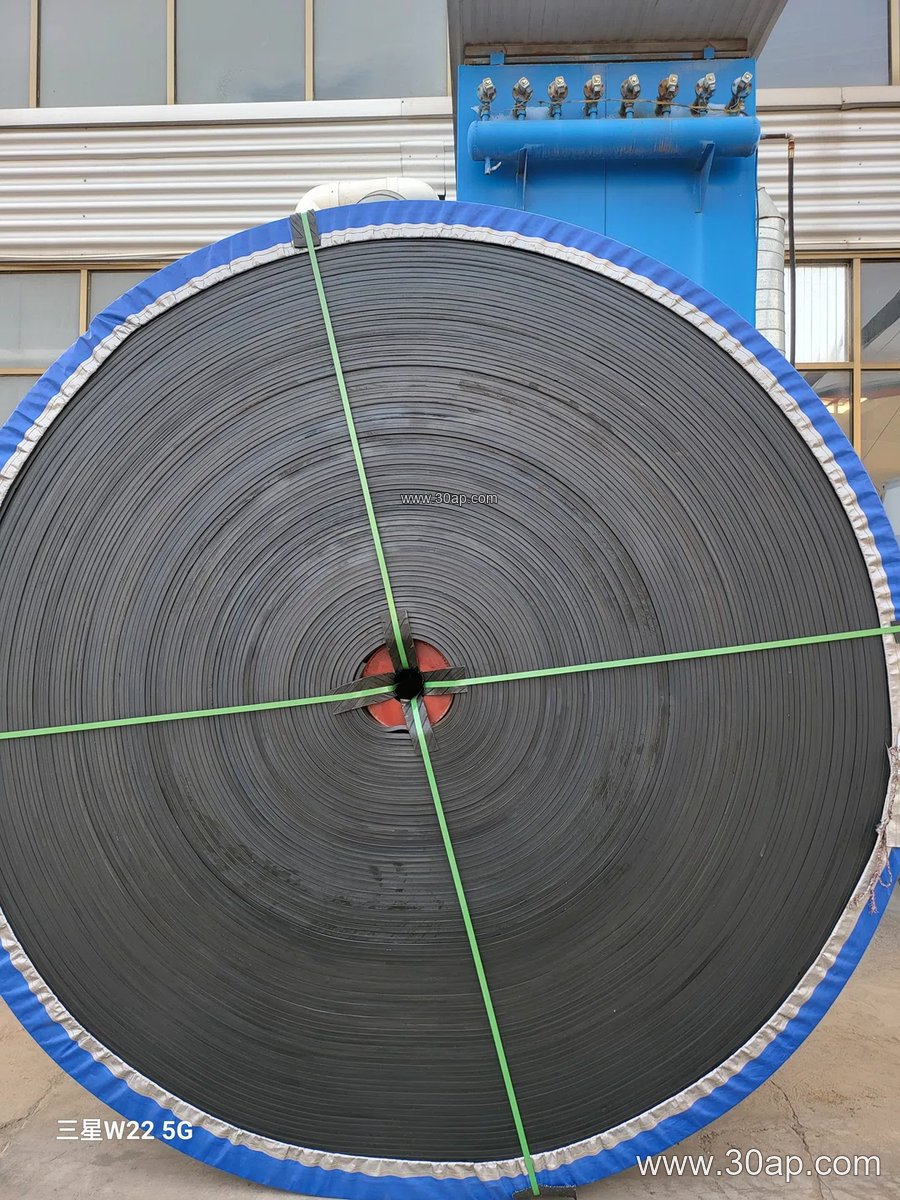
Belt width and strength class are the first data points. Common widths include B500, B650, B800, B1000, B1200, B1400, B1600, B1800, and B2000. Strength is often given as an EP or ST class, for example EP200, EP315, EP400, EP500, EP630, EP800, EP1000, EP1250, EP1600, or EP2000, and ST1000, ST1250, ST1600, ST2000, ST2500, or ST3150 for steel cord. Cover thickness is usually written as top plus bottom, such as 3+1.5, 4+2, 5+2, 6+2, or 8+3 mm, and the carcass may have 2 to 6 plies. These are reference values, not fixed pairings: a given belt width can work with different pulley diameters, and shaft size is set by the conveyor design, not by belt width alone.
| Parameter | Typical range |
|---|---|
| Belt width | B500 to B2000 (500–2000 mm) |
| Fabric strength class | EP200 to EP2000 |
| Steel cord class | ST1000 to ST3150 |
| Cover thickness | 3+1.5 to 8+3 mm |
| Number of plies | 2 to 6 (fabric core) |
Selection and Maintenance Notes
Match the belt to the material: lump size and drop height call for impact-resistant covers; wet or sticky loads may need a chevron or sidewall profile; cold climates may require a Cold Resistant Conveyor Belt. Check that the conveyor pulley, idler roller, and conveyor bracket are rated for the same duty as the belt. Keep training idlers aligned and inspect the belt surface for cuts and edge wear. On long overland routes, a steel cord belt reduces the number of splices, while fabric belts remain easier to repair in the field. For more details on bulk material conveyor belt options and compatible components, visit www.example.com/bulk-material-conveyor-belt and review the conveyor belt, idler roller, and conveyor pulley pages together.