What a Belt Conveyor Guide Idler Does
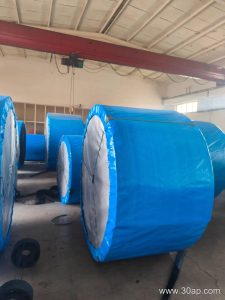
On a belt conveyor, the belt has a natural tendency to wander. A Belt Conveyor Guide Idler — also called a self-aligning idler or training idler — corrects that drift before it becomes a problem. It is a roller assembly that senses a belt moving off-center and pivots slightly to steer the belt back to the middle of the conveyor frame. Without it, a misaligned belt can rub the structure, spill material, or edge-damage a costly rubber conveyor belt.
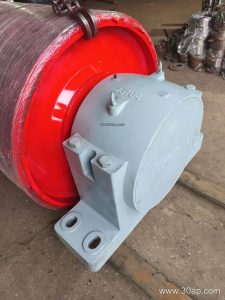
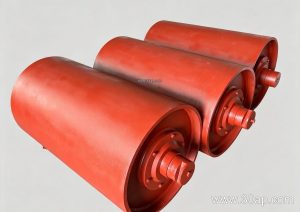
Guide idlers are not the same as drive pulleys or tail pulleys. Those are the large drums that transmit power or change belt direction. The guide idler is a smaller, free-rolling component mounted on the carrying or return side, and its job is tracking, not traction.
How the Guide Idler Is Built
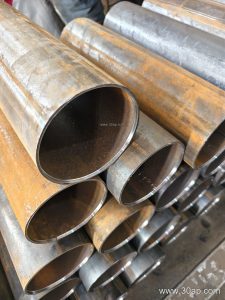
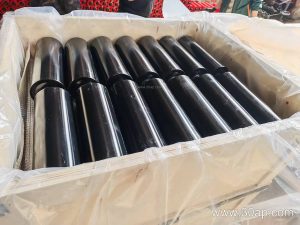
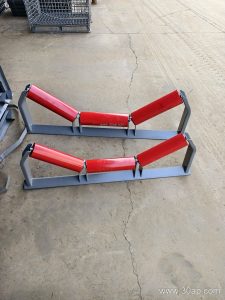
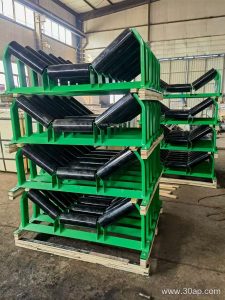
A typical unit combines a steel tube shell, bearing housings, a shaft, and a mounting bracket that allows the roller frame to pivot. The roller surface may be plain steel, nylon-coated, or fitted with rubber rings for grip. Seals keep dust and water out of the bearings — important in a quarry or coal handling plant where grit is constant.
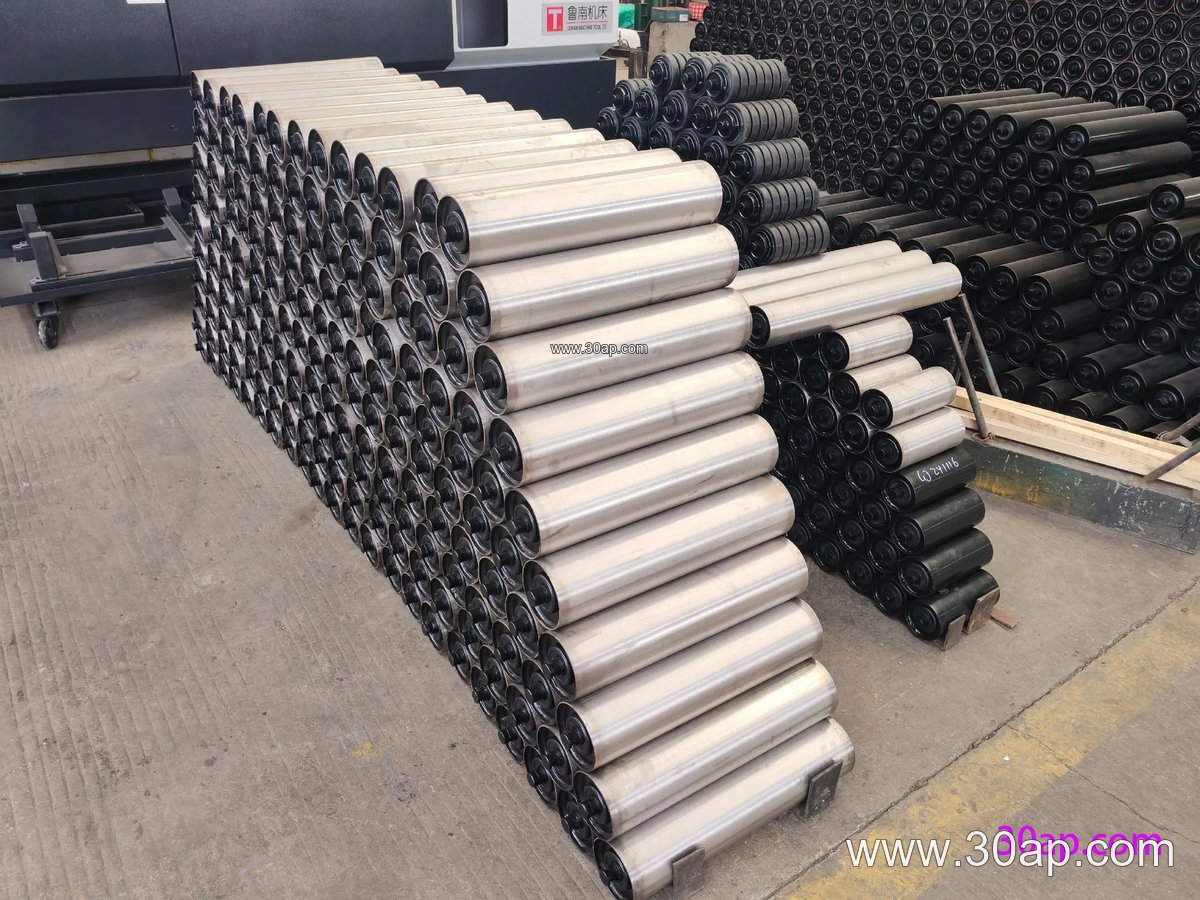
Common roller diameters for guide idlers follow general idler practice: Ø89, Ø108, Ø127, Ø133, and Ø159 mm are frequently seen. Bearing sizes such as 6204, 6205, 6305, and 6308 are used depending on load and shaft design, but no single bearing is tied to one roller diameter. The idler length is matched to belt width and trough configuration, not chosen in isolation.
Typical reference dimensions (examples, not fixed rules)
| Belt width | Common idler length (three-roll trough) | Typical roller diameter range |
|---|---|---|
| B500 | about 200 mm | Ø63–Ø89 |
| B650 | about 250 mm | Ø76–Ø108 |
| B800 | about 315 mm | Ø89–Ø127 |
| B1000 | about 380 mm | Ø108–Ø133 |
| B1200 | about 465 mm | Ø108–Ø159 |
| B1400 | about 530 mm | Ø127–Ø159 |
| B1600 | about 600 mm | Ø133–Ø178 |
These values are reference points only. Side rollers and center rollers can differ, and the final length is set by the conveyor design.
Where Guide Idlers Earn Their Place
Any conveyor with a long span, a curve, or uneven loading benefits from belt training. In a coal mining conveyor belt system, a slight drift can cause the belt edge to catch on a bracket or transfer point. In a cement plant, dust build-up on a roller can push a belt sideways. A guide idler responds to that offset and brings the belt back.
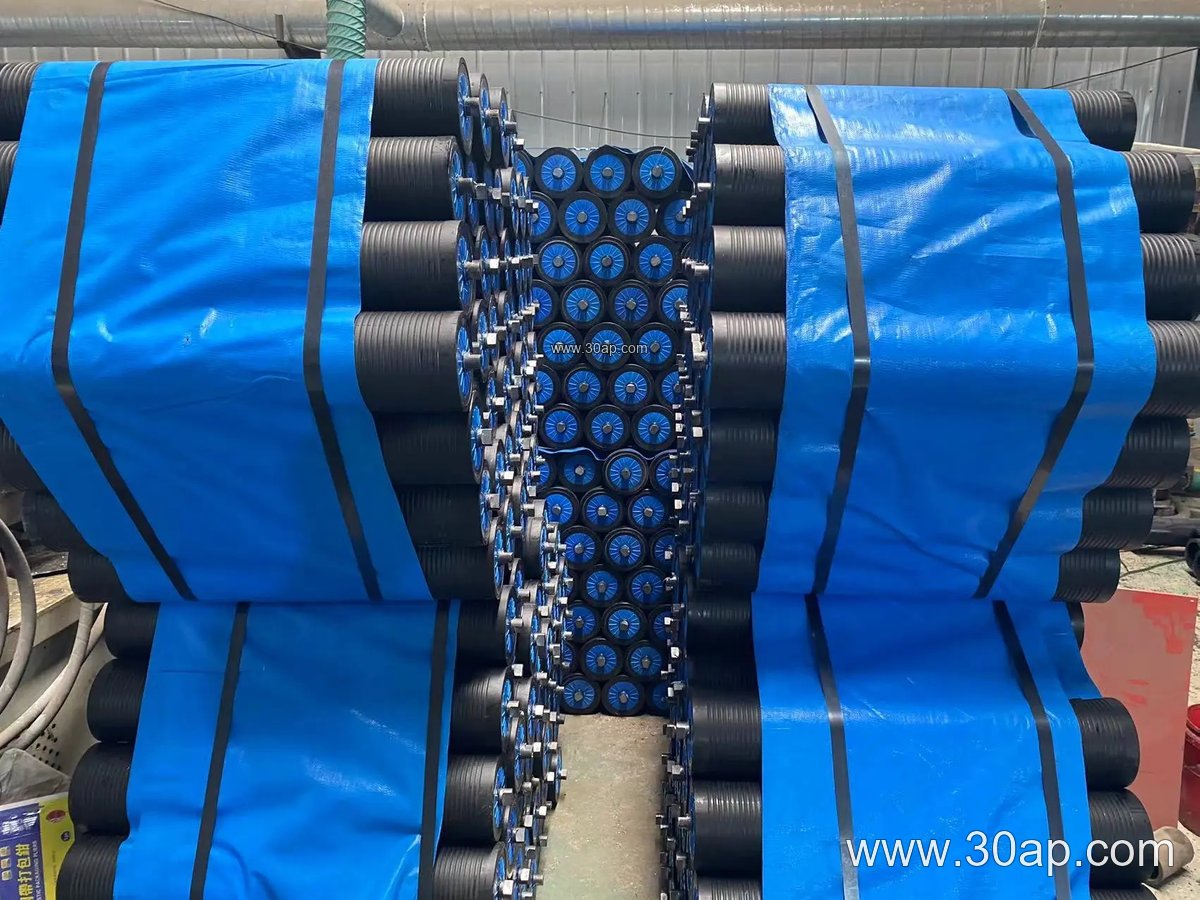
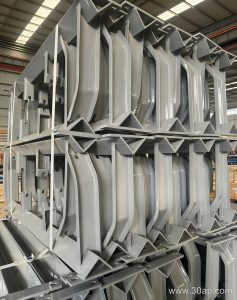
You will find them on heavy-duty mining conveyor belts, on aggregate conveyor belts in a stone crushing line, and on power plant coal conveyors. They are also used on pipe conveyor belts and corrugated sidewall belts where edge alignment is critical. The idler does not replace a pulley; it works alongside the conveyor pulley and conveyor bracket to keep the whole run stable.
Selection and Maintenance Notes for Buyers
When specifying a belt conveyor guide idler, match the roller diameter to the belt speed and load, and match the mounting style to the existing frame. Consider the environment: a rubber-covered roller gives better grip on a wet belt, while a nylon surface reduces build-up in sticky material. Bearing seals matter in dusty service, and the shaft should be sized for the actual load, not guessed from belt width alone.
- Check that the pivot mechanism moves freely before installation.
- Inspect seals and bearing play at each scheduled shutdown.
- Replace a guide idler when the roller shell is worn through or the bearing roughness is audible.
- Do not mix guide idlers with standard carrying idlers in the same position without checking the frame geometry.
For a reliable run, pair quality guide idlers with a suitable conveyor belt — whether an abrasion resistant conveyor belt for ore, a flame retardant conveyor belt for underground coal, or a heat resistant conveyor belt near a kiln. The idler is a small part, but it protects the belt, the structure, and the material flow.