What a PVC Conveyor Belt Is
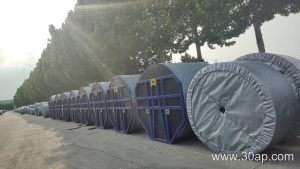
A PVC conveyor belt is a light-to-medium duty belt with a polyvinyl chloride top cover, usually built on a fabric core. In many plants it works alongside heavier rubber belts: a Rubber Conveyor Belt or EP Conveyor Belt may run the main ore or clinker line, while the PVC belt handles packaged goods, food items, small parts, or wet and oily materials on a separate circuit. The product is not a substitute for a Steel Cord Conveyor Belt in high-tension duty; each belt type fits its own place in the plant.
Construction and Surface Options
The carcass is typically one or more plies of polyester or nylon fabric, saturated and coated with PVC. The cover can be smooth, matte, or lightly textured. Surface forms are chosen for the job rather than as a fixed rule. A cleated or Chevron Conveyor Belt pattern helps hold material on an incline, and a Corrugated Sidewall Conveyor Belt is used where the belt must carry bulk material vertically without spillage. Food Grade Conveyor Belt versions use covers and splices intended for contact with food, while Anti-Static Conveyor Belt grades help dissipate static in electronics, packaging, and dust-sensitive areas.
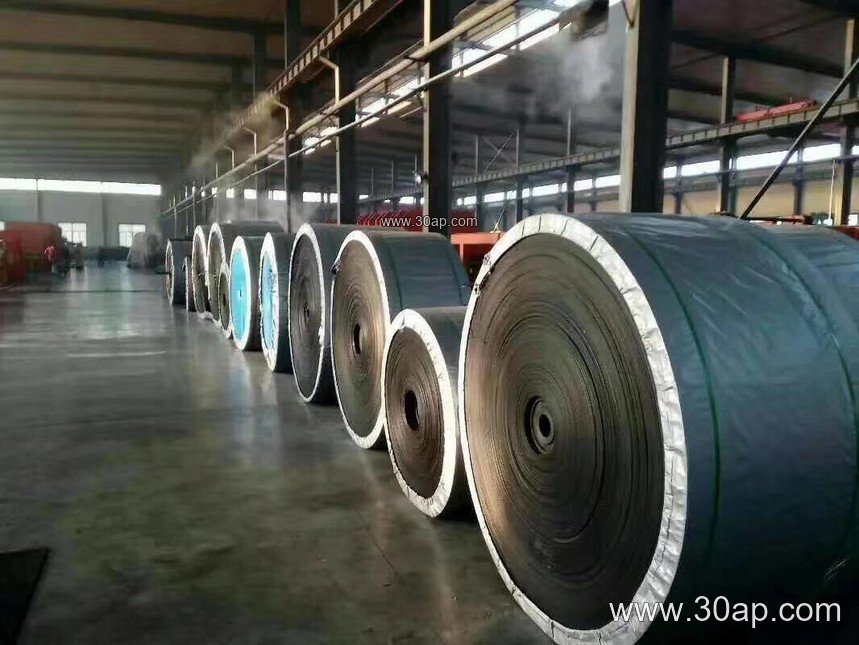
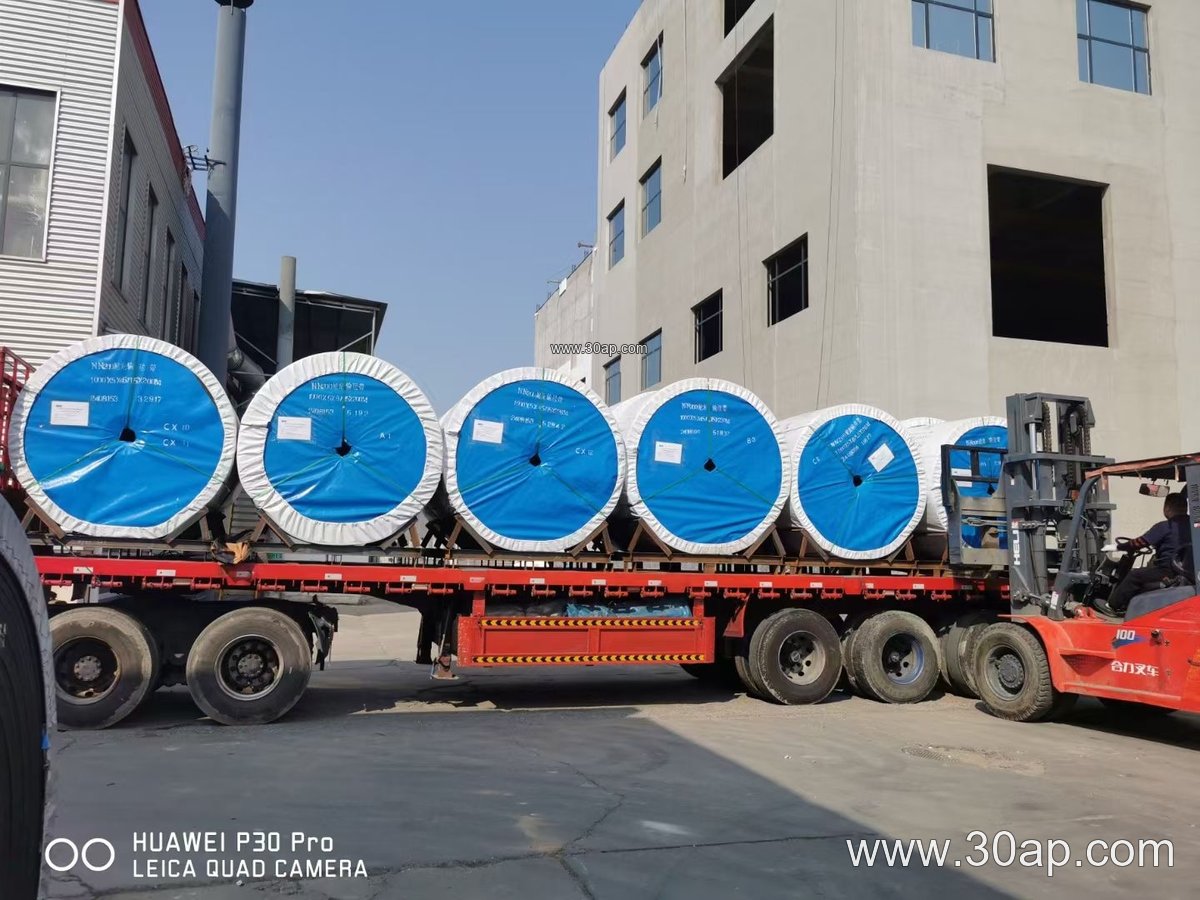
Typical Reference Data
The values below are common reference ranges, not a supply promise. Actual figures depend on the manufacturer’s design.
| Item | Common reference |
|---|---|
| Belt width | B500, B650, B800, B1000, B1200, B1400 |
| Cover thickness | 2+1 mm, 3+1.5 mm, 4+2 mm |
| Fabric plies | 2 to 4 layers for typical PVC grades |
| Surface form | smooth, matte, cleated, sidewall |
| Joint | endless spliced or open-ended with lacing |
Where It Fits in the Plant
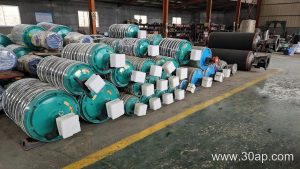
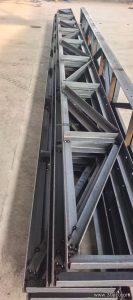
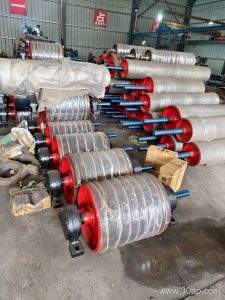
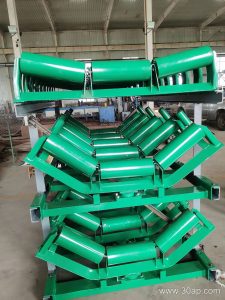
PVC belts appear in recycling sorting lines, food processing, packaging, woodworking, ceramics, and light assembly. In cement plants and power plants they often feed additives, filter cakes, or bagged material. In quarries and sand making plants, a PVC Mining Conveyor Belt can carry small aggregate where abrasion is moderate, while a heavy Abrasion Resistant Conveyor Belt or a Multi-Ply Fabric Core Conveyor Belt takes the primary crusher discharge. A quarry operator may also pair the belt with an idler roller train, a conveyor pulley at the drive and tail, and a conveyor bracket set sized to the frame. Around a coal yard, a Flame Retardant Conveyor Belt and an Anti-Static Conveyor Belt grade are often specified for safety reasons, though PVC is not the usual choice for high-tension mainlines.
Choosing the Right Grade
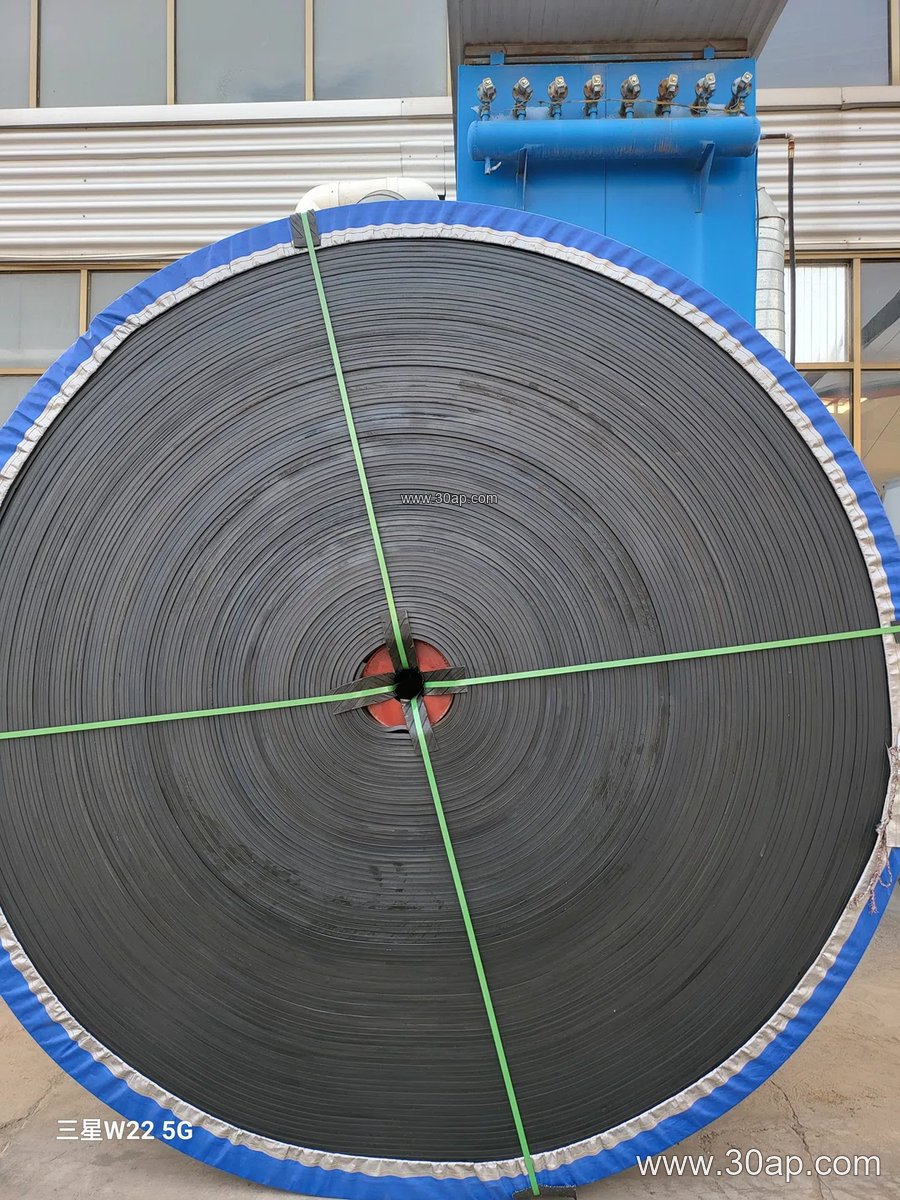
Start with the material: is it oily, wet, hot, or abrasive? An Oil Resistant Conveyor Belt cover helps where lubricant or vegetable oil drips onto the surface, and a Cold Resistant Conveyor Belt grade suits chilled or frozen rooms. For hot clinker or sinter, a Heat Resistant Conveyor Belt in rubber is the normal route, not PVC. Check the pulley diameters and the take-up travel so the belt can flex without cracking. Confirm the splice method with the belt supplier and make sure the drive pulley, tail pulley, and bend pulleys are described separately in the layout, since they are not interchangeable. The conveyor belt width should be matched to the load and the frame, not copied from another line.
Installation and Maintenance Notes
- Keep the belt tracking straight by aligning the idler roller frames and checking the conveyor pulley lagging.
- Clean the return side; PVC covers can glaze if oil and dust build up.
- Inspect the splice regularly, especially on an Endless Conveyor Belt that runs at higher speed.
- Store spare rolls flat, away from direct sunlight and sharp edges.
- Match cleaning chemicals to the cover; some solvents soften PVC.
For a buyer, the practical question is not which belt is strongest, but which belt suits the load, the frame, and the environment. A PVC belt sized to the conveyor, with the right surface and splice, will run quietly and last well in the applications it was designed for.