What a Coal Mining Conveyor Belt Does Underground and on the Surface
A coal mining conveyor belt is the load-carrying element in a continuous haulage system. It moves run-of-mine coal from the face, transfer points, and stockpiles toward preparation plants, silos, loading stations, or power plant bunkers. Because coal is heavy, abrasive, and often wet or dusty, the belt has to combine tensile strength with covers that resist cutting, wear, and, in underground roadways, flame propagation. The same product family appears in cement plants, quarries, steel works, and port terminals where bulk material moves on a similar duty cycle.
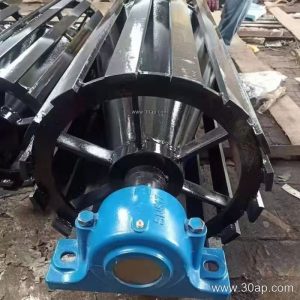
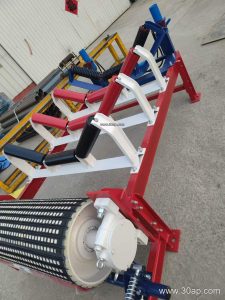
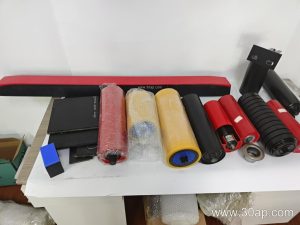
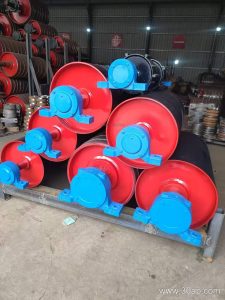
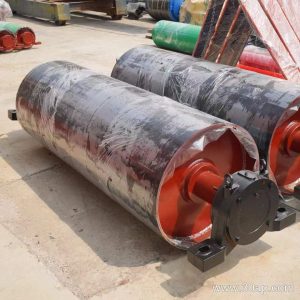
In practice, the belt works with a drive pulley, tail pulley, bend pulleys, idler rollers, and conveyor brackets. Each of these parts has a distinct job, and none is a substitute for another. The belt itself is selected around tonnage, incline, lump size, and the environment in the gallery or yard.
Construction of the Belt
Tensile members carry the pull. Fabric-cored belting uses woven plies, usually described by nominal strength such as EP200, EP400, EP630, EP1000, or EP1250 when polyester and nylon yarns are used. NN conveyor belt constructions use nylon warp and weft. Steel cord conveyor belt designs replace fabric with brass-plated wire ropes, and grades such as ST1000, ST1600, ST2000, or ST2500 are common reference points for long, high-tension runs.
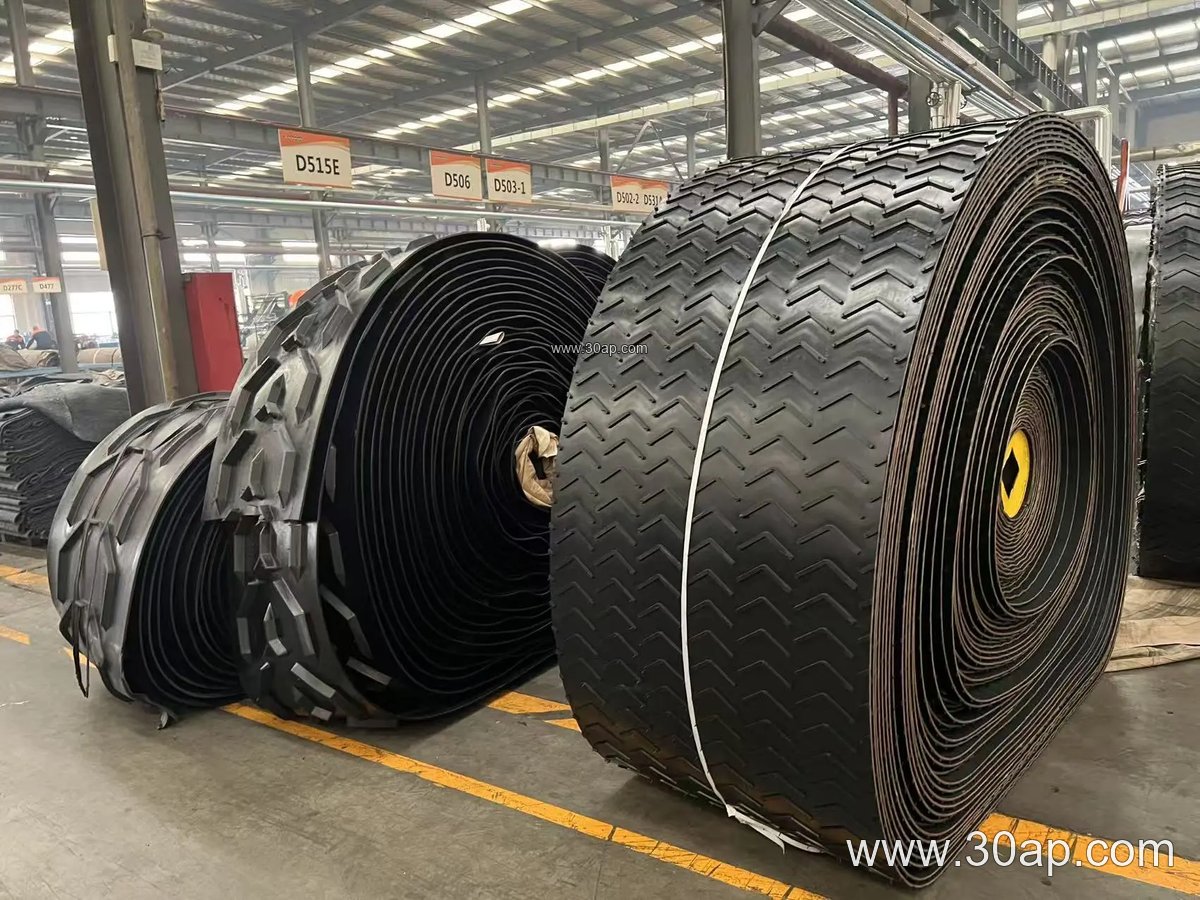
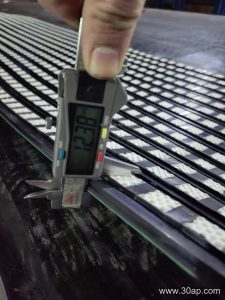
Covers protect the carcass. Typical gauge combinations include 3+1.5 mm, 4+2 mm, 5+2 mm, and 6+2 mm, where the first figure is the top cover and the second is the bottom cover. The carcass may contain two to six plies depending on the duty. An abrasion resistant conveyor belt cover suits coal with sharp stone inclusions, while a flame retardant conveyor belt or fire resistant conveyor belt grade is normally requested for underground coal mining conveyor belt service. Anti-static properties are often discussed alongside flame resistance, but the exact requirement should come from the site risk assessment and the project specification.
| Reference item | Common examples | Notes |
|---|---|---|
| Fabric core grades | EP200, EP400, EP630, EP1000, EP1250 | Selected by calculated tension, not by habit |
| Steel cord grades | ST1000, ST1600, ST2000, ST2500 | Often used on long overland or main trunk routes |
| Belt width | B650, B800, B1000, B1200, B1400, B1600, B1800 | Matched to lump size, capacity, and pulley face width |
| Cover gauges | 4+2 mm, 5+2 mm, 6+2 mm, 8+3 mm | Top cover follows impact and abrasion severity |
Where It Fits in the Coal Chain
Underground coal mining conveyor belt systems usually run in gate roads and trunk drifts where space is tight and ventilation matters. Surface installations handle yard transfer, washing plant feed, and loadout. A quarry conveyor belt or aggregate conveyor belt may look similar, but coal duty often adds flame resistance and stricter housekeeping around spillage.
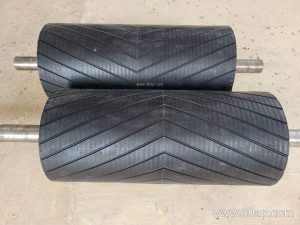
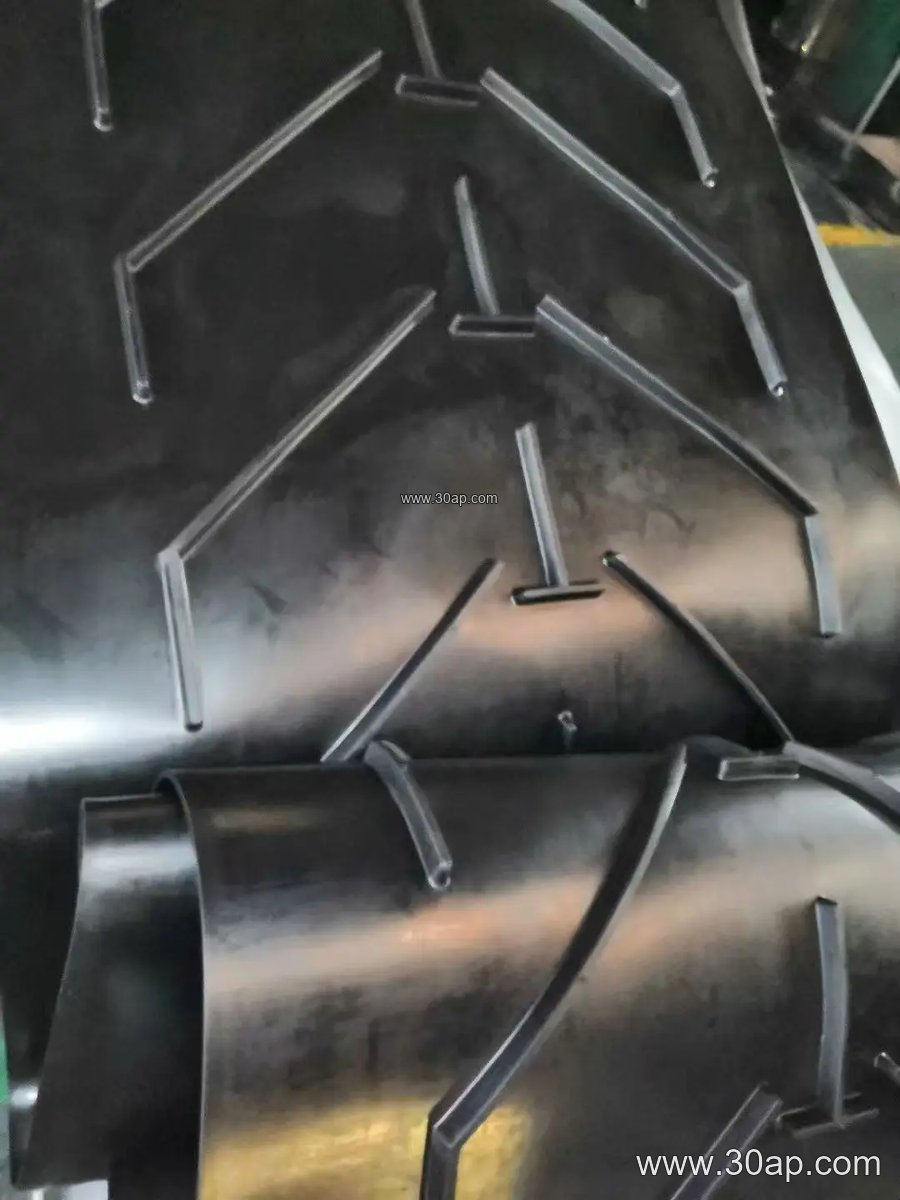
Special shapes solve layout problems. A chevron conveyor belt or pattern belt helps on inclines where material would otherwise slide back. A corrugated sidewall conveyor belt with cleats allows steep lifts in a compact footprint. A pipe conveyor belt encloses the load for dusty or curved routes. Skirted belts, heat resistant conveyor belt grades, oil resistant conveyor belt covers, and cold resistant conveyor belt compounds cover other conditions found in power plants, cement kilns, and northern mines.
Specification Points a Buyer Should Confirm
- Design tension and safety factor, translated into a fabric or steel cord grade.
- Belt width against maximum lump size and required throughput.
- Top and bottom cover thickness, plus cover rubber class for abrasion, heat, oil, or flame resistance.
- Pulley diameters and idler roller spacing, since belt stiffness and troughability affect training.
- Joint method: vulcanized splice, mechanical fastener, or an endless conveyor belt supplied to length.
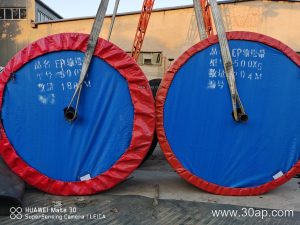
- Storage and handling limits, especially for thick conveyor belt rolls and heavy-duty mining conveyor belt splices.
No single width dictates one pulley diameter, and shaft sizing must come from the conveyor designer rather than from a belt catalogue. Treat published grades and dimensions as reference data and confirm the final datasheet with the manufacturer. For coal handling projects, matching the coal mining conveyor belt to the pulley, idler, and bracket arrangement is what keeps the haulage stream steady.