What a Cement Plant Conveyor Pulley Does
A cement plant conveyor pulley is the rotating drum that turns a conveyor belt, sets its tension, and keeps it tracking through kiln feed, clinker transport, additive handling and packing lines. It is not a passive part. The drum carries the belt load, transmits drive torque, and absorbs the shock of material falling from crushers and chutes. In a cement plant, dust, heat and abrasive clinker make the pulley a wear item that deserves the same attention as the belt itself.
Buyers often search by function rather than by name: drive pulley, tail pulley and bend pulley are different positions on the same conveyor and are not interchangeable. The drive or head pulley transmits power, the tail pulley returns the belt, and a bend pulley changes belt direction around a tension or take-up station. Each has its own shell, shaft, bearing housing and surface treatment.
How the Drum Is Built
A typical unit uses a welded steel shell, a shaft sized by torque and load, bearing housings, and a lagging surface. Common diameters include Ø500, Ø630, Ø800 and Ø1000, with larger sizes such as Ø1250 or Ø1400 used where belt tension is high. Shell width usually exceeds belt width; for example, a B800 belt commonly runs on a shell around 950 mm wide, while a B1200 belt may use roughly 1400 mm. These are reference relationships, not fixed pairings, and the final combination is set by conveyor design.
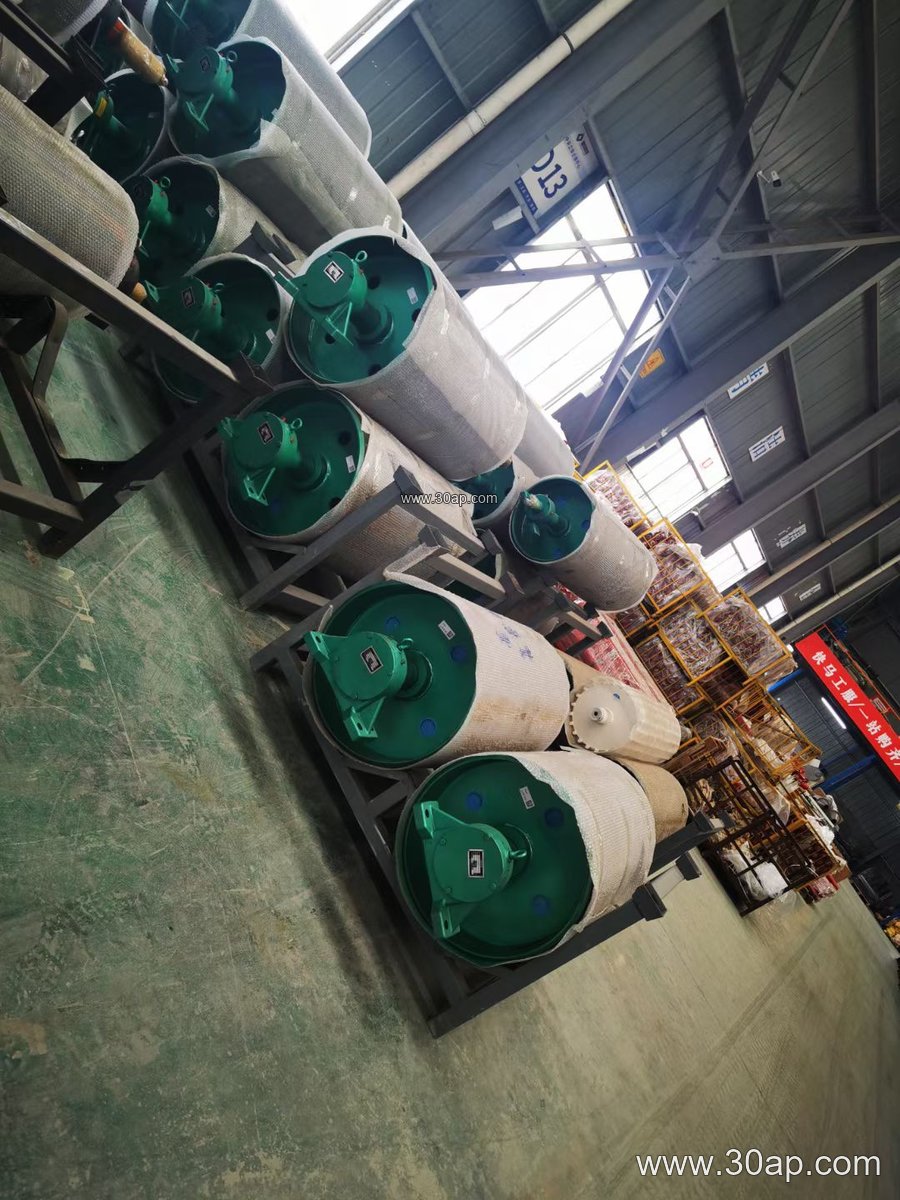
Shaft diameter is determined by torque and bearing load, not by belt width alone. Common shaft sizes range from Ø80 to Ø200, and each project should confirm the shaft, keyway and bearing type together. Lagging choices include plain, cast rubber, cold-bonded rubber, hot-vulcanized rubber, diamond grooved, herringbone grooved and ceramic lagging, with thickness often 8, 10, 12, 15 or 20 mm. In clinker and limestone duty, abrasion-resistant lagging helps grip and reduces belt slip.
Where It Fits in the Cement Line
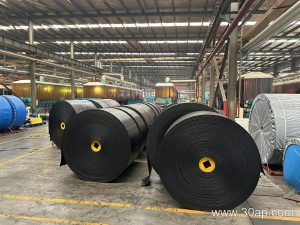
In the quarry and crushing stage, a head pulley on a heavy belt handles run-of-mine limestone. In the raw mill feed area, a bend pulley may route the belt around a transfer tower. Clinker conveyors often combine a drive pulley with a tension pulley at the take-up. Additive and gypsum lines may use smaller drums with a rubber lagging surface to protect a thin fabric belt. The same plant may also run a heavy-duty mining conveyor belt on the primary line and a heat resistant conveyor belt near hot clinker, so pulley lagging and belt cover grade should be reviewed together.
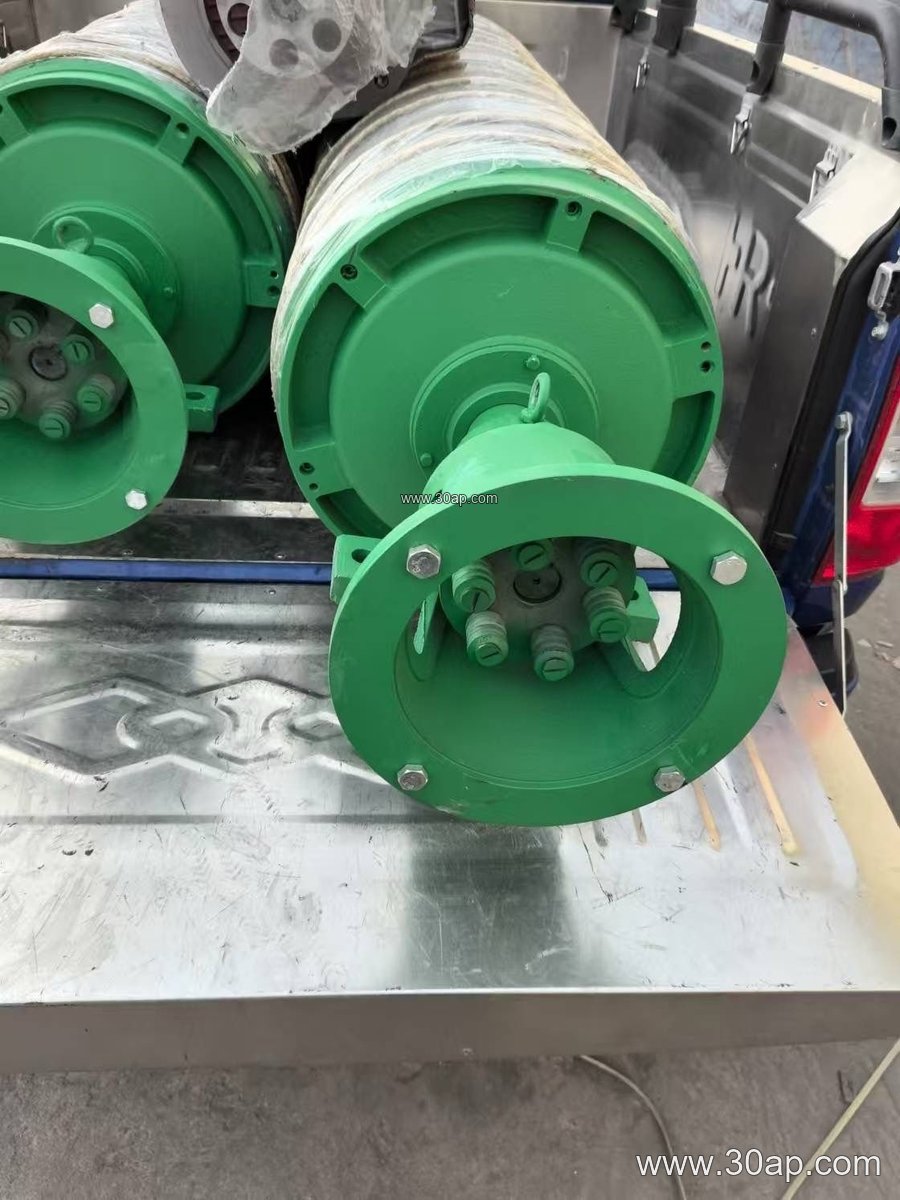
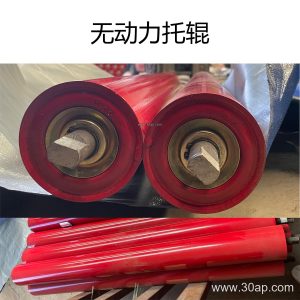
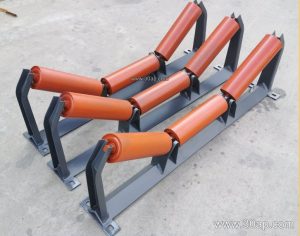
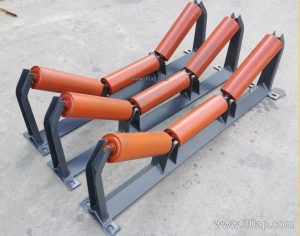
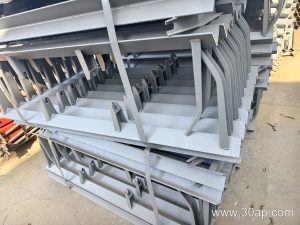
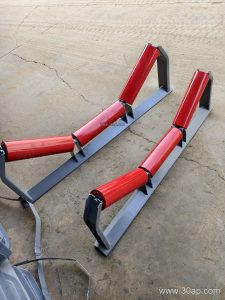
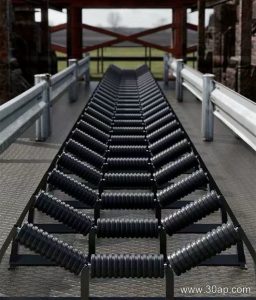
Related components such as the conveyor belt, idler roller and conveyor bracket all influence pulley life. A misaligned idler set or a worn bracket can load the drum edge and shorten bearing life.
Selection and Maintenance Points
Start with the belt width, belt type and maximum tension. A steel cord conveyor belt or a high-strength EP conveyor belt may require a larger drum diameter than a light fabric core belt to limit bending stress. Confirm the lagging pattern for the application: diamond lagging for general grip, ceramic lagging for abrasive clinker, and plain surface where belt cleaning is critical. Check that the pulley face width, shaft, bearing and keyway match the conveyor frame and take-up travel.
- Check lagging wear at each shutdown and re-lag before the belt slips.
- Inspect bearing seals against cement dust and clinker grit.
- Verify pulley alignment with the belt and idler roller line.
- Confirm shaft and bearing fit after any overload event.
For cement plant operators, the practical question is not only which drum to buy but how it works with the belt, the idlers and the brackets around it. A well-matched cement plant conveyor pulley keeps the line running, protects the belt edge and reduces unplanned stops in the quarry, the clinker hall and the packing plant.