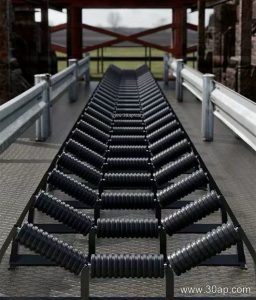
What a Guide Idler Bracket Does on a Conveyor
A guide idler bracket is the mounting component that holds a guide idler in position and keeps the conveyor belt tracking correctly along the carrying or return run. In practice, this bracket works as a self-aligning support: when the belt drifts sideways, the guide idler pivots or reacts through the bracket, nudging the belt back toward the center line. Maintenance teams in a coal preparation plant, a cement plant, or a quarry crushing line often treat this small bracket as a low-cost part until misalignment causes edge damage and spillage.
Unlike a standard troughing idler bracket that simply fixes the roller at a set angle, the guide idler bracket is built around alignment correction. It is usually paired with a vertical or angled guide roller that contacts the belt edge. The bracket itself does not carry the main material load; it steers. This distinction matters when specifying spare parts, because a guide idler bracket cannot be replaced by a troughing frame or a return bracket without changing how the belt is controlled.
Structure and Common Build Details
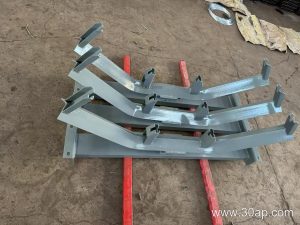
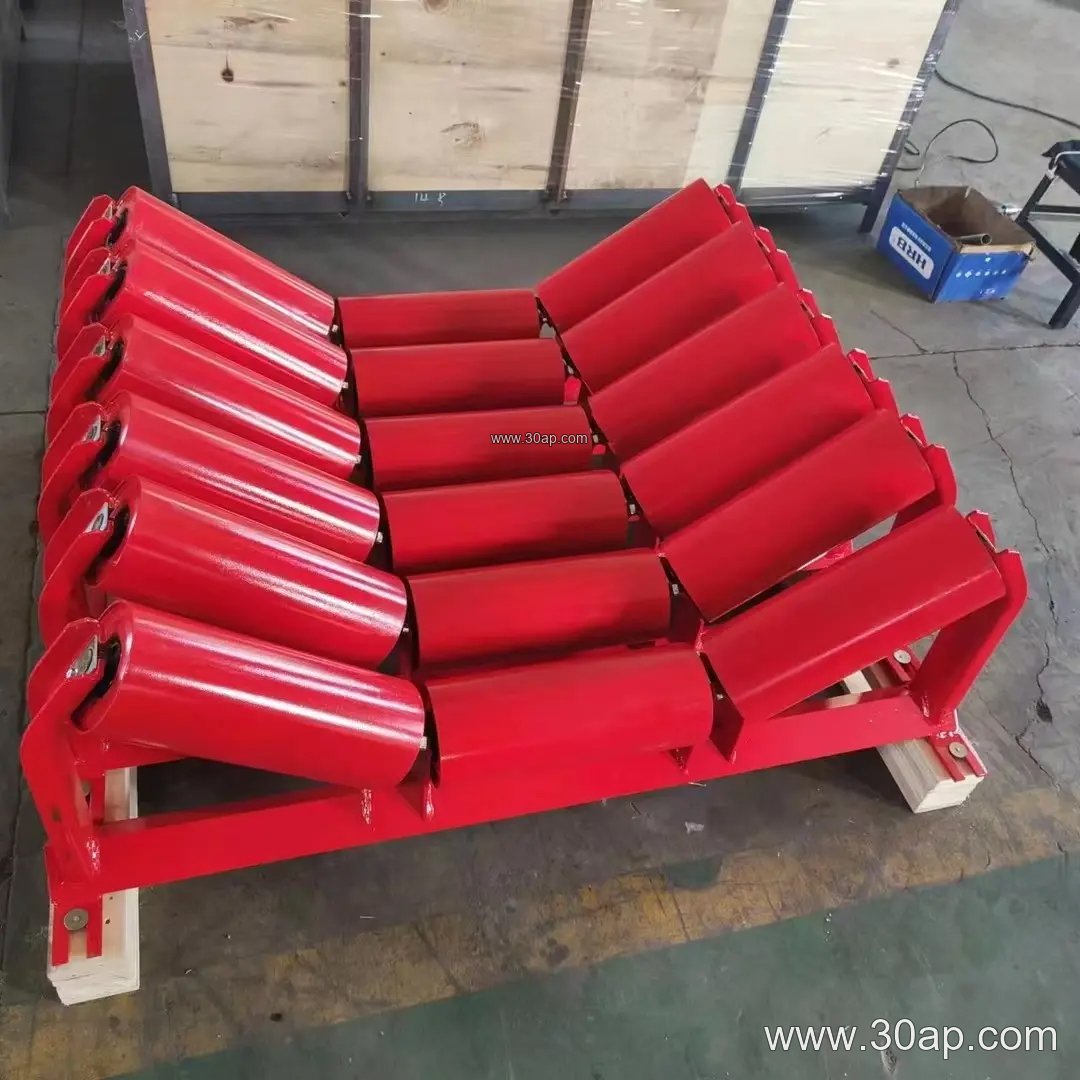
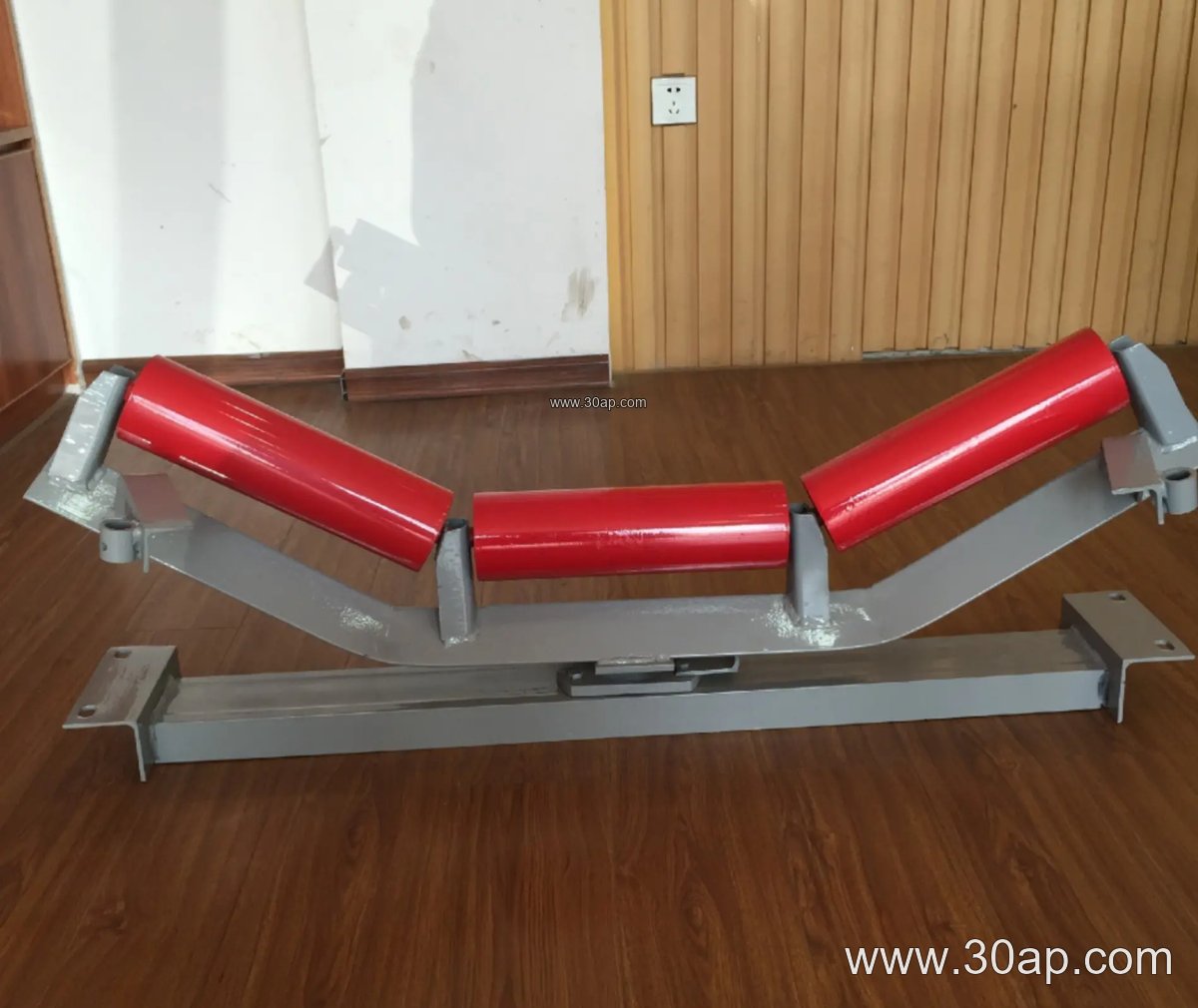
Most guide idler brackets are fabricated from angle steel, channel steel, or folded steel plate, then drilled for mounting bolts and roller shafts. A typical assembly includes a base plate, a pivot or swivel point, a roller support arm, and an adjustment slot that allows the roller position to be fine-tuned after installation.
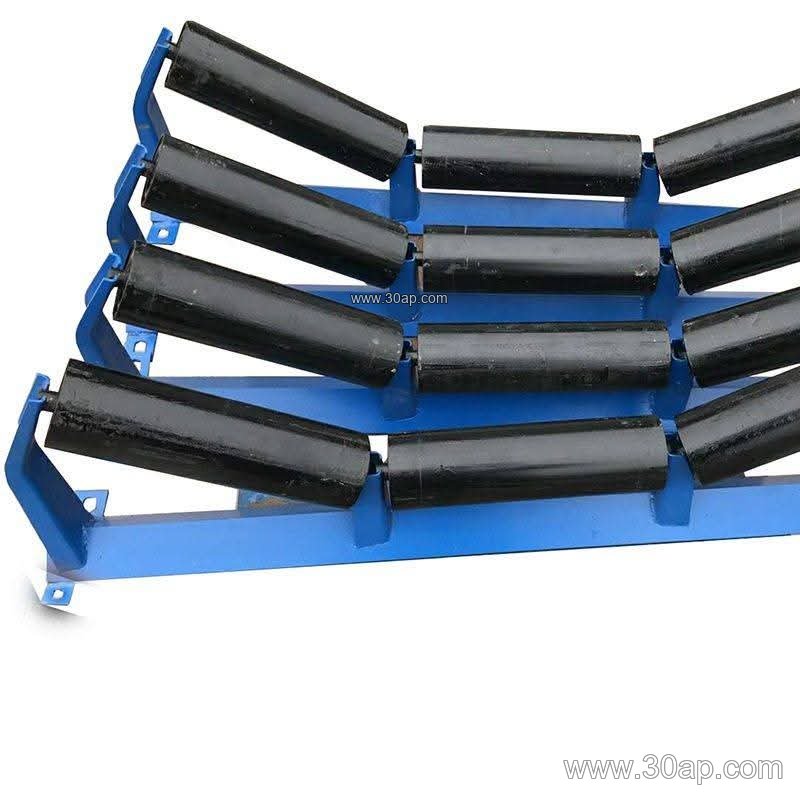
- Base plate bolted to the conveyor stringer or frame
- Pivot pin or swivel joint for self-aligning movement
- Roller shaft holder with locking bolt
- Adjustment slot for lateral positioning
- Welded or bolted arm sized to the belt edge clearance
Because the bracket sits close to the moving belt, edge clearance and roller free rotation are critical. A binding guide roller will wear the belt edge quickly, especially on an abrasion resistant conveyor belt hauling sharp aggregate or on a heavy-duty mining conveyor belt moving ore. Fabricators usually keep the bracket rigid enough to resist vibration but light enough to respond to belt drift.
Where Guide Idler Brackets Are Used
These brackets appear wherever belt misalignment is a recurring risk. In a limestone quarry or sand and gravel line, they are often installed just after the loading point and before the head pulley, where off-center material feed pushes the belt sideways. In a power plant coal handling system, guide idler brackets help keep the belt centered on long inclined runs exposed to wind and uneven loading.
They are also common in tunnel spoil removal, fertilizer and grain silo conveyors, and steel plant sinter lines. The bracket is not limited to one belt type, and it can be used with a rubber conveyor belt, an EP conveyor belt, an NN conveyor belt, or a steel cord conveyor belt, provided the roller and bracket geometry suit the belt width and speed. On a pipe conveyor belt or a corrugated sidewall conveyor belt, the guiding arrangement is normally different and should follow the conveyor designer’s layout rather than a generic bracket.
Matching Bracket, Belt Width, and Roller Diameter
Buyers should treat belt width, trough angle, and roller diameter as related but not fixed combinations. A B800 belt may run with a Ø108 guide roller in one plant and a different roller size in another, depending on belt speed, load, and frame design. The table below shows common reference ranges only; final values are determined by the conveyor design.
| Belt width (B) | Typical guide roller diameter | Common bracket material |
|---|---|---|
| B500 to B650 | Ø89 to Ø108 | Angle steel |
| B800 to B1000 | Ø108 to Ø133 | Channel steel |
| B1200 to B1400 | Ø133 to Ø159 | Folded steel plate |
| B1600 to B2000 | Ø159 to Ø194 | Heavy channel or folded plate |
| B2200 and above | Ø194 or larger by design | Fabricated steel frame |
Mounting hole spacing and crossbeam length change with belt width and frame type, so these should be confirmed against the actual conveyor bracket drawing. Do not assume that one belt width locks in a single roller diameter or a single bracket size.
Selection and Maintenance Notes
When ordering a guide idler bracket, confirm the mounting hole pattern, the roller shaft diameter, the belt edge clearance, and whether the frame is fixed or adjustable. An adjustable bracket lets maintenance staff correct the guide roller position without cutting or re-drilling the frame, which is useful in a crusher conveyor belt line where feed conditions change.
Inspect the bracket during routine idler roller checks. Look for loose bolts, cracked welds, seized pivot points, and roller flat spots. A guide idler bracket that no longer swivels freely stops correcting belt drift, and the resulting edge contact can shorten the life of an expensive heat resistant conveyor belt or flame retardant conveyor belt. Keep the pivot clean and confirm that the guide roller turns by hand. Replacing a worn bracket early is usually simpler than repairing a damaged belt edge later.