What a Fire Resistant Conveyor Belt Is
A Fire Resistant Conveyor Belt is a rubber conveyor belt engineered to resist ignition and to limit flame spread when it is exposed to sparks, hot material, or an open flame. In mines, coal preparation plants, cement works, power stations, and port bulk terminals, the belt is often the longest combustible item in the conveying line, so choosing a belt with flame retardant properties is a basic safety decision rather than an optional upgrade. The same product is also described as a flame retardant conveyor belt, and the two terms are used interchangeably in most procurement documents.
It is important to separate fire resistance from heat resistance. A Fire Resistant Conveyor Belt is formulated to resist burning; a Heat Resistant Conveyor Belt is formulated to tolerate hot loads such as clinker or sinter without rapid cover degradation. A belt may be designed for both, but the properties are tested and specified separately.
How the Belt Is Built
The construction follows standard fabric or steel reinforced belting practice, with the rubber compounds adjusted for flame retardancy.
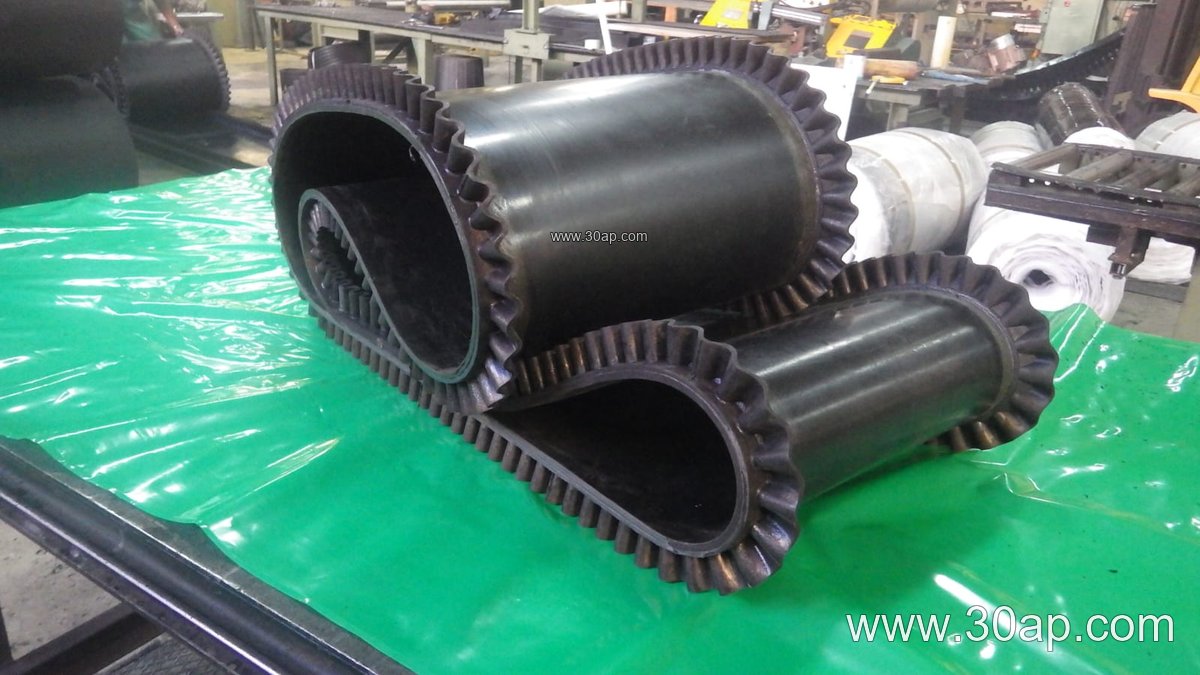
- Carcass: EP Conveyor Belt fabric, NN Conveyor Belt fabric, multi-ply Fabric Core Conveyor Belt, or Steel Cord Conveyor Belt, depending on tension and impact duty.
- Cover compounds: flame retardant rubber on the top and bottom covers, usually combined with anti-static additives for underground service.
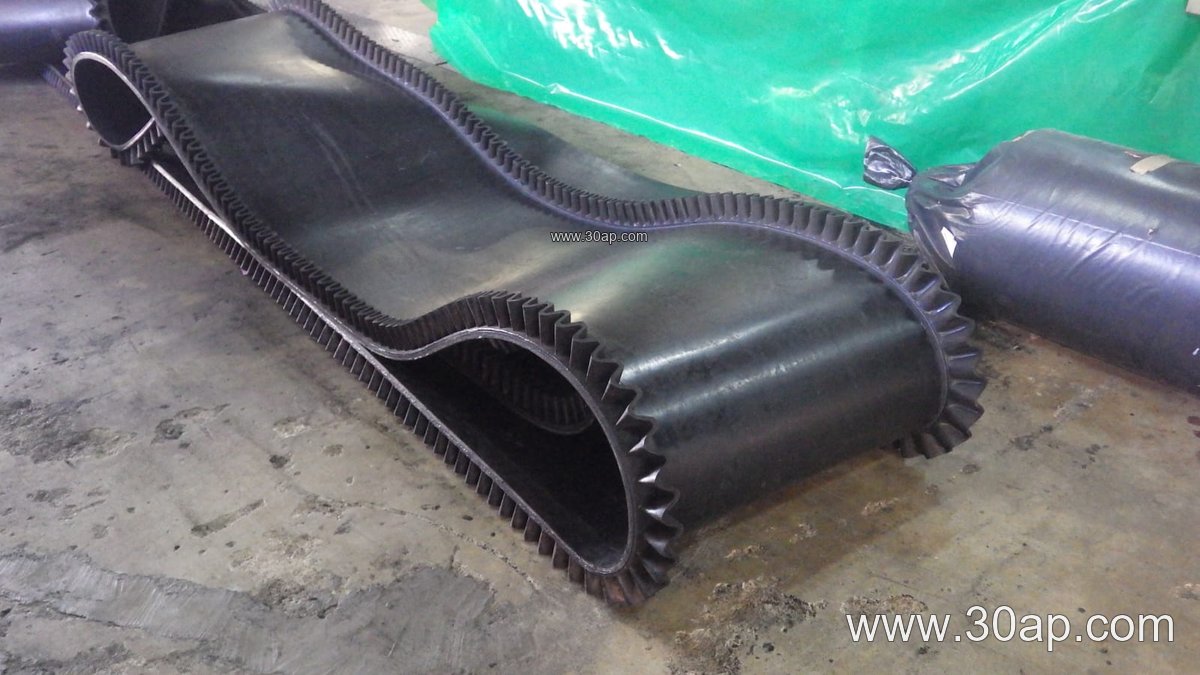
- Edges: cut edges or moulded edges, sealed to reduce water and dust ingress.
Cover thickness is commonly expressed as a top plus bottom pair, for example 4+2 mm, 5+2 mm, or 6+2 mm, while the carcass may run from two to six plies in fabric constructions. These figures are typical references; final values are set by the conveyor design.
Typical Specifications
The table below shows reference values often seen in enquiries. They are not universal supply promises, and different manufacturers offer different ranges.
| Property | Common reference values |
|---|---|
| Belt width | B650, B800, B1000, B1200, B1400, B1600 mm |
| Fabric strength grades | EP200, EP400, EP630, EP800, EP1000, EP1250 |
| Steel cord grades | ST1000, ST1250, ST1600, ST2000 |
| Cover thickness | 3+1.5, 4+2, 5+2, 6+2 mm |
| Ply count | 2 to 6 plies |
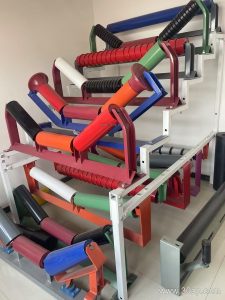
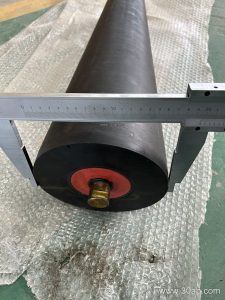
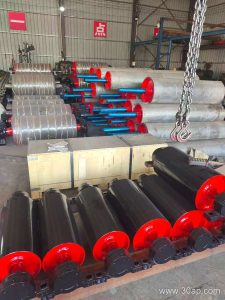
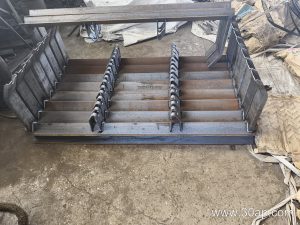
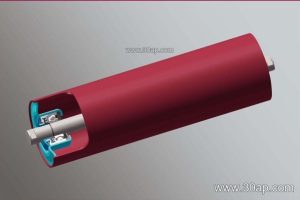
Where the belt runs in a trough, the conveyor pulley, idler roller, and conveyor bracket arrangement should be checked against the belt’s transverse rigidity. A very stiff carcass on a tight trough angle can lead to edge stress and poor tracking, so belt grade and idler configuration are usually reviewed together.
Where It Is Used
The most demanding applications sit in underground coal mining, where a Mining Fire Resistant Conveyor Belt is expected to combine flame retardancy with anti-static behaviour. PVG Conveyor Belt and PVC Conveyor Belt constructions are widely chosen for underground coal mining conveyor systems because the whole belt, not only the cover, is formulated for fire resistance.
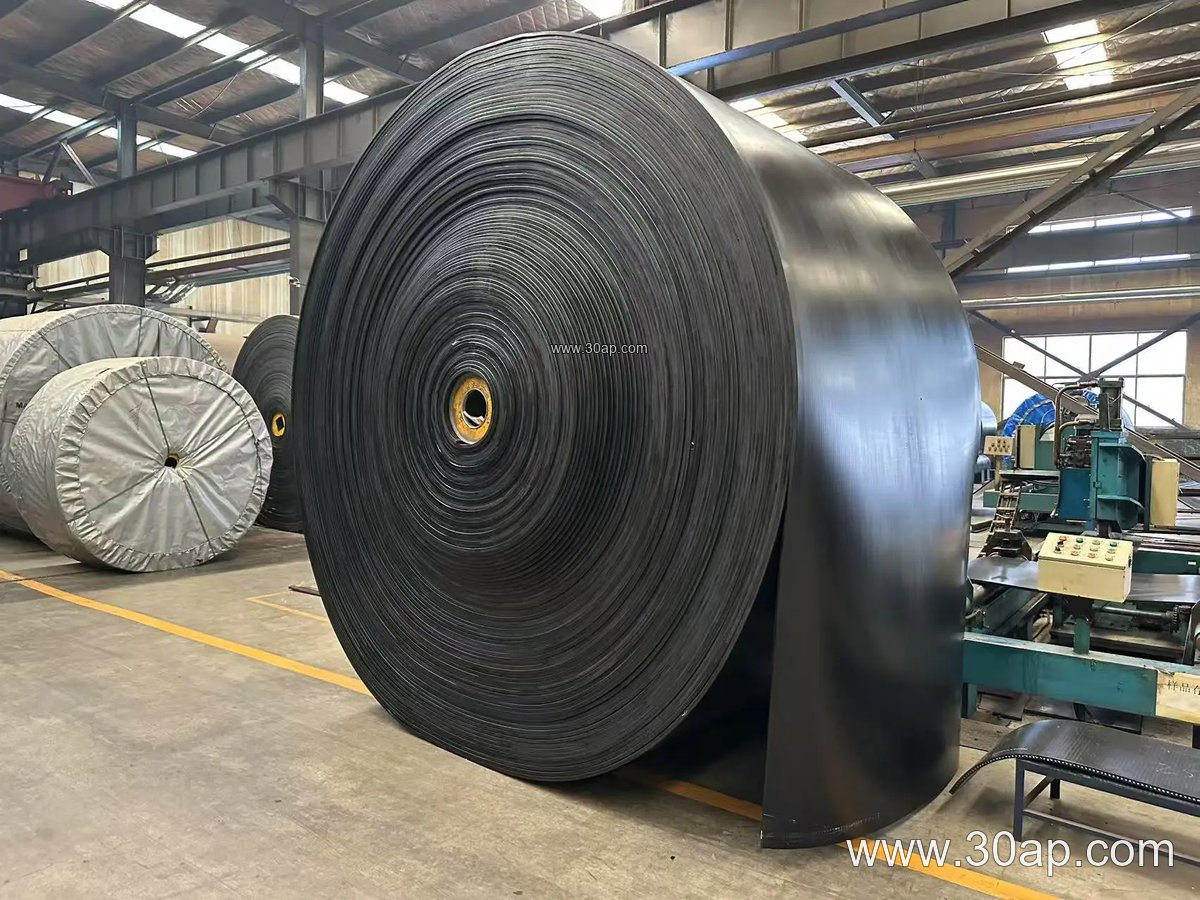
Above ground, the belt appears in coal handling plants at power stations, cement plant kiln feed and clinker lines, coke and ore handling at steel plants, and quarry or aggregate operations that handle dusty, spark-generating material. In these settings the belt often sits alongside an Abrasion Resistant Conveyor Belt specification, since flame resistance alone does not address wear from sharp stone.
Selection Points for Buyers
- Define the hazard: state whether the risk is open flame, glowing particles, or hot material, and specify the required flame retardant class in the enquiry.
- Match strength to tension: choose a fabric grade such as EP800 or EP1000 for moderate runs, and consider Steel Cord Conveyor Belt where high tension and long centre distances make fabric plies impractical.
- Check the full belt, not just the cover: ask how the carcass and skim compounds perform, especially for Underground Coal Mining Conveyor Belt service.
- Combine properties carefully: a belt can be flame retardant and oil resistant, or flame retardant and cold resistant, but each addition affects compound cost and flexibility.
- Review the whole conveyor: pulley lagging, idler roller selection, and skirt rubber all influence heat build-up and the risk of frictional ignition.
For hazardous duties, buyers typically request test reports for the flame retardant and anti-static properties together with the mechanical data, and they confirm that the delivered belt matches the approved sample.
Installation and Maintenance Notes
Correct splicing matters as much as the belt itself. A poorly made splice can create a local hot spot or an exposed fabric edge that defeats the flame retardant design. Keep the belt clear of spilled material around the tail pulley and return idlers, since trapped lumps generate friction heat. Inspect for cover gouges, exposed carcass, and edge damage at each shutdown, and repair promptly. Where the line handles dusty coal or cement, regular cleaning of the conveyor bracket and idler roller surfaces reduces the chance of material build-up that can rub against the belt.
Whether the requirement is a single replacement length or a full specification for a new coal mining conveyor belt line, the practical approach is to state the duty, the belt width, the strength grade, and the required fire performance, then let the belt supplier confirm the construction that fits.