What a 1200mm Conveyor Belt Is
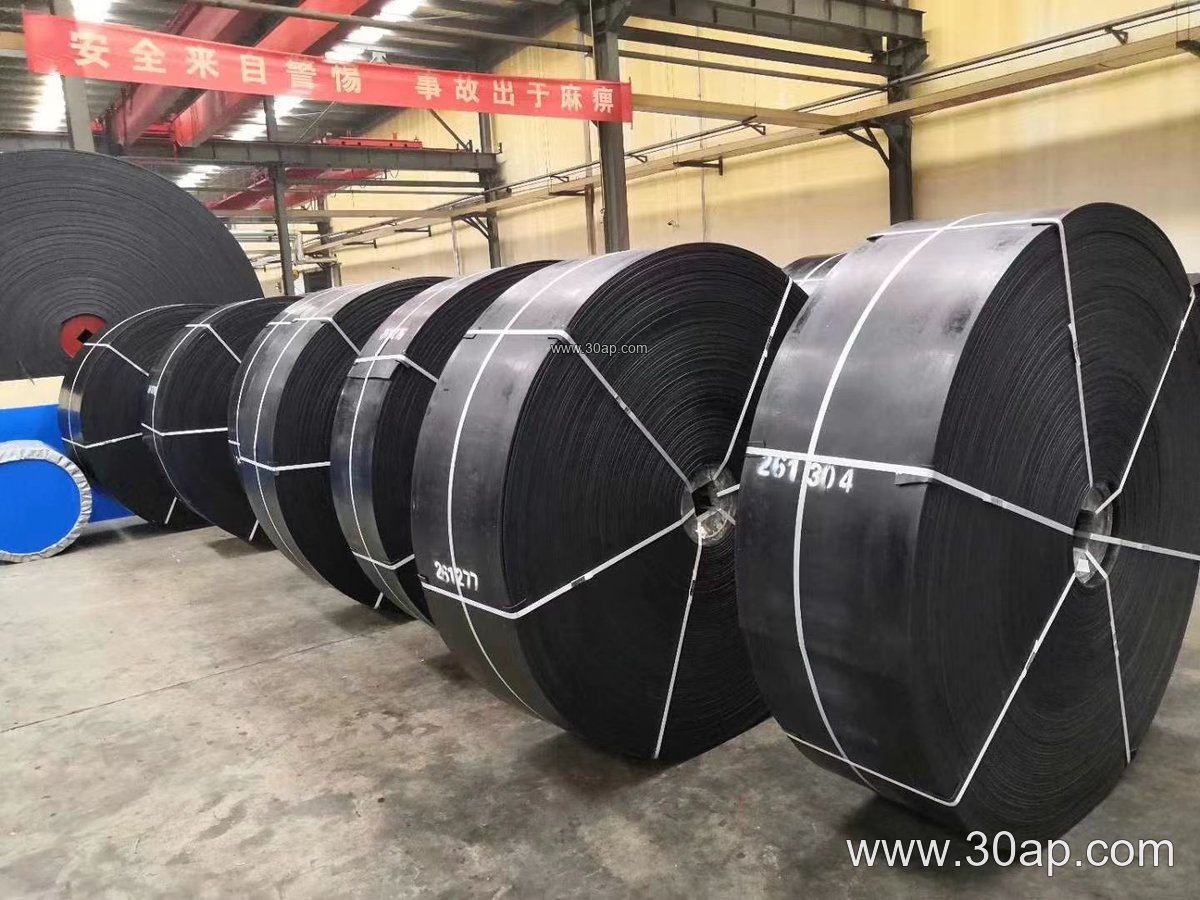
A 1200mm conveyor belt is a belt with a nominal width of 1200 millimeters, often written as B1200. It sits in the mid-to-wide range of standard belt widths and is a common choice for main haulage lines in mines, quarries, cement plants, power stations, and port bulk terminals. At this width, the belt can carry a substantial tonnage per hour while still matching widely available conveyor pulleys, idler rollers, and conveyor brackets.
Width alone does not define a belt. The same 1200mm figure can appear on an EP conveyor belt, an NN conveyor belt, a steel cord conveyor belt, or a PVC/PVG belt for underground service. Each construction behaves differently under load, so buyers should treat the width as one dimension among several.
How the Belt Is Built
A fabric-core belt usually combines multiple plies of EP or nylon fabric with top and bottom rubber covers. A steel cord belt replaces the fabric with parallel steel cords for very long runs and high tension. Cover thickness is stated as top plus bottom, for example 5+2 mm or 6+2 mm, and the compound is selected for the duty: abrasion resistant, heat resistant, oil resistant, flame retardant, anti-static, or cold resistant.
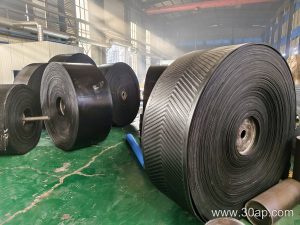
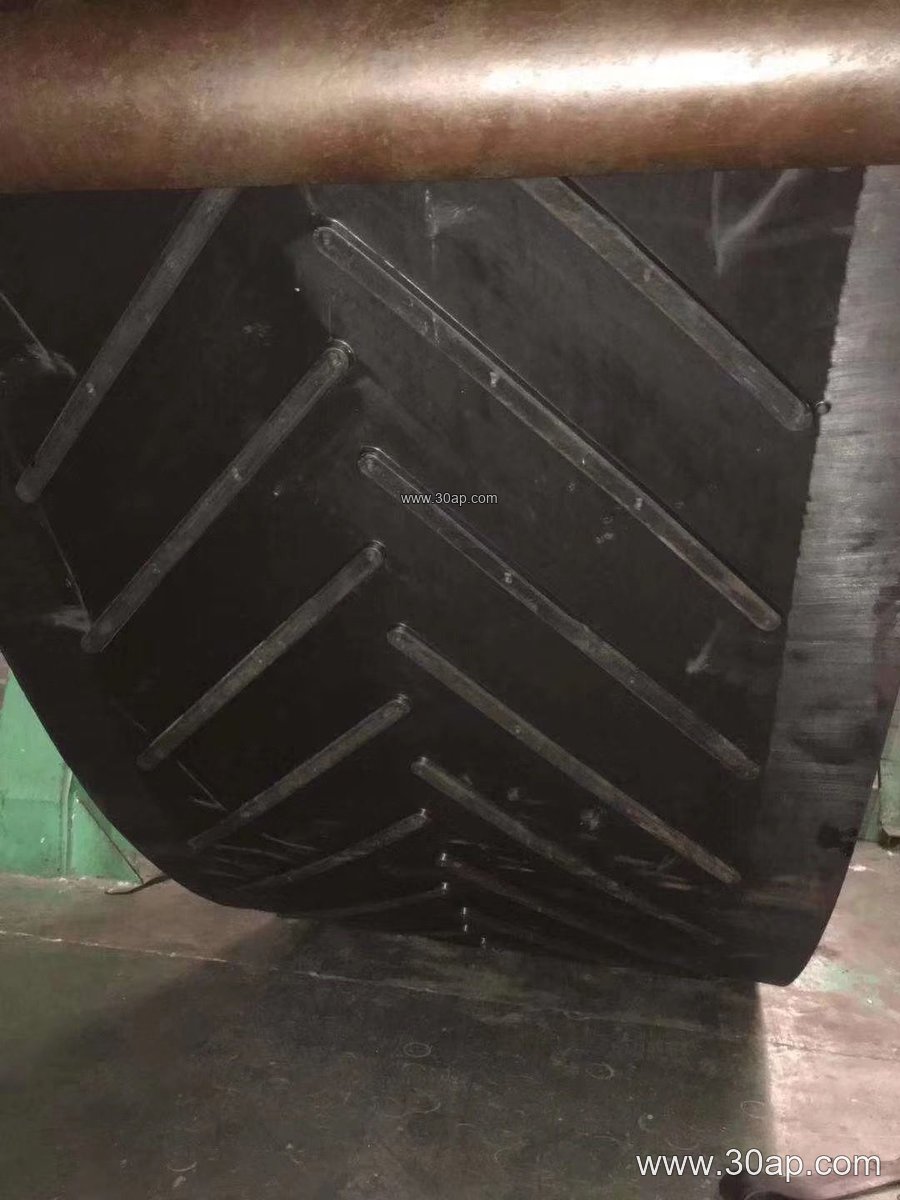
Special constructions add features rather than changing the base width. A chevron conveyor belt uses raised profiles to hold material on an incline. A corrugated sidewall belt with cleats handles steep angles, and a pipe conveyor belt folds into a tube to contain dust. These are options on a 1200mm belt, not replacements for it.
Typical Specifications
The table below shows common reference values. Actual figures are set by the conveyor design and confirmed by the manufacturer.
| Parameter | Common reference values |
|---|---|
| Belt width | 1200 mm (B1200) |
| Fabric core types | EP200, EP315, EP400, EP500, EP630, EP800, EP1000, EP1250 |
| Nylon core types | NN100, NN200, NN300, NN400 |
| Steel cord types | ST1000, ST1250, ST1600, ST2000 |
| Cover thickness | 4+2, 5+2, 6+2, 8+3 mm |
| Ply count | 2 to 6 plies, depending on tension |
An EP1000 1200mm conveyor belt is a frequent combination for primary crushing and main plant conveyors. Heavier duties may call for EP1250 or a steel cord design, while lighter service can use a lower grade.
Where It Fits in the Plant
In a sand and gravel operation, a 1200mm belt often runs from the primary crusher to the screening tower. In coal mining, a flame retardant and anti-static belt is typical for underground mining conveyor lines. Cement plants use heat resistant belts near kilns and abrasion resistant belts on clinker and limestone routes. Power plants, iron ore and copper ore terminals, and ship loading systems also rely on this width for high-volume bulk material conveyor duty.
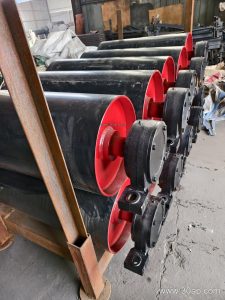
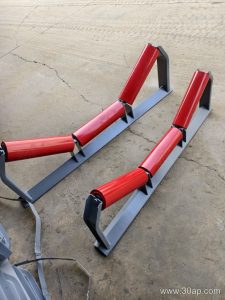
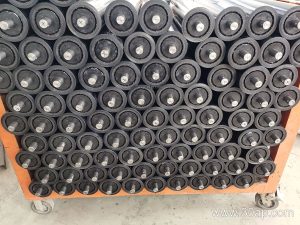
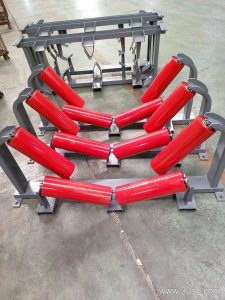
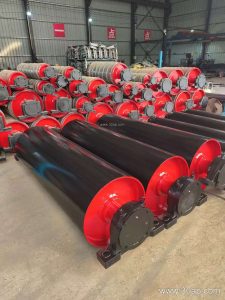
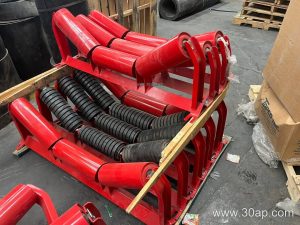
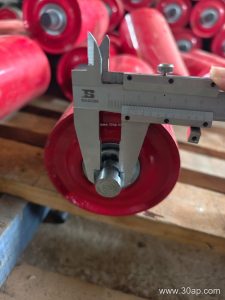
The belt works with a conveyor pulley at the drive and tail, idler rollers along the carry and return sides, and conveyor brackets that hold the structure together. Belt width and pulley face width must be matched by the conveyor designer; a 1200mm belt is not tied to one fixed pulley diameter or shaft size.
Selection and Maintenance Notes
- Confirm the required tension rating from the conveyor calculation, not from width alone.
- Match the cover compound to the material: hot clinker, oily scrap, sharp rock, or fine dust each needs a different cover.
- Check pulley and idler alignment during installation to reduce edge damage on a wide belt.
- Inspect splices, edges, and cover wear at regular intervals, especially on high-abrasion routes.
- For underground coal service, specify flame retardant and anti-static properties together.
Buyers comparing a 1200mm wide conveyor belt with a 1000mm or 1400mm option should weigh tonnage, incline, and available structure space. A wider belt may reduce belt speed, while a narrower one can lower capital cost. The right answer comes from the duty point, not from a default size.
For more on belt, idler roller, and conveyor pulley selection, visit beltconveyorparts.com and review the conveyor belt and conveyor pulley pages before finalizing a specification.