What a Conveyor Bracket Really Does on a Belt Line
In a quarry, a coal preparation plant, or a cement kiln feed line, the conveyor bracket is the quiet component that decides whether the belt runs true or wanders. This steel frame holds the idler roller at the correct angle and elevation, transferring the weight of the loaded belt into the conveyor stringer. Conveyor bracket procurement is therefore less about buying a piece of bent steel and more about matching the frame geometry to the belt width, the trough angle, and the roller diameter already in use on the line.
Buyers often group the bracket with the roller and the pulley under one purchase order, but each item has its own drawing. A troughing bracket for a B1000 line is not the same fabrication as a return bracket for a B650 tail section, and the two should never be ordered from a single generic description.
How the Frame Is Built
Most brackets are fabricated from angle steel, channel steel, or folded steel plate. The common construction is a crossbeam with two or three inclined arms welded or bolted in place, drilled to accept the idler shaft. Surface treatment is usually painted or galvanized, depending on the plant environment.
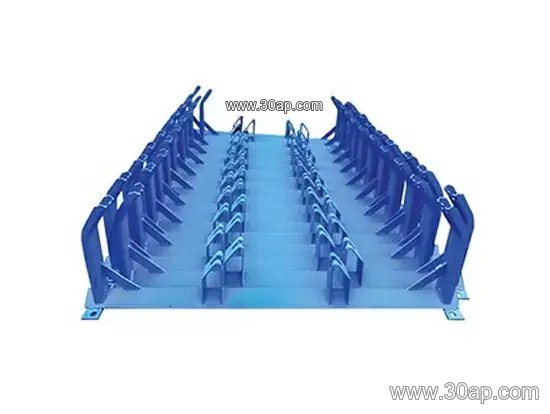
Key build details a buyer should confirm on the drawing include:
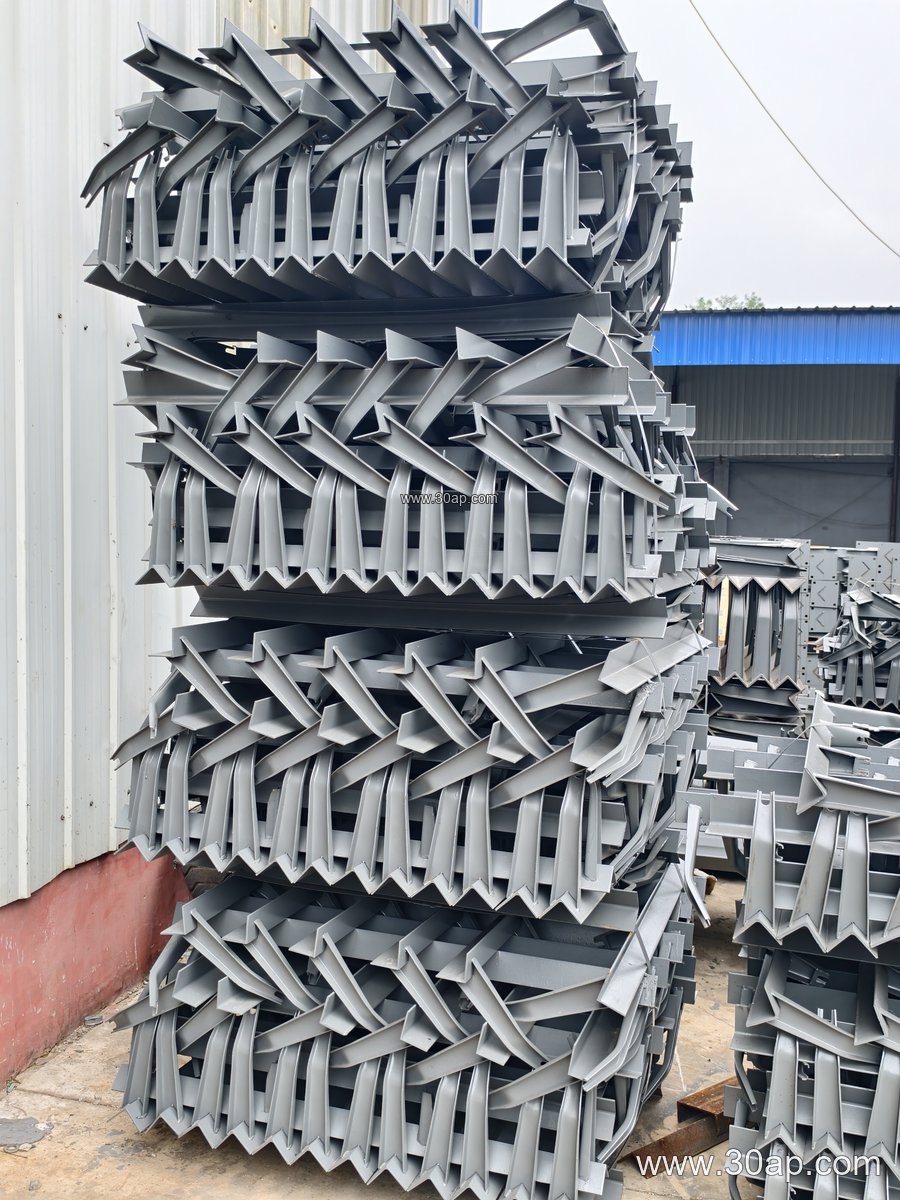
- Mounting hole spacing and crossbeam length, which change with belt width and trough angle
- Weld quality at the arm-to-beam joint, since this is the load path
- Whether the frame is fixed or adjustable, because an adjustable bracket lets maintenance staff tune the trough angle on site
- Corrosion protection for washdown, coastal, or underground conditions
Common Bracket Types and Where They Sit
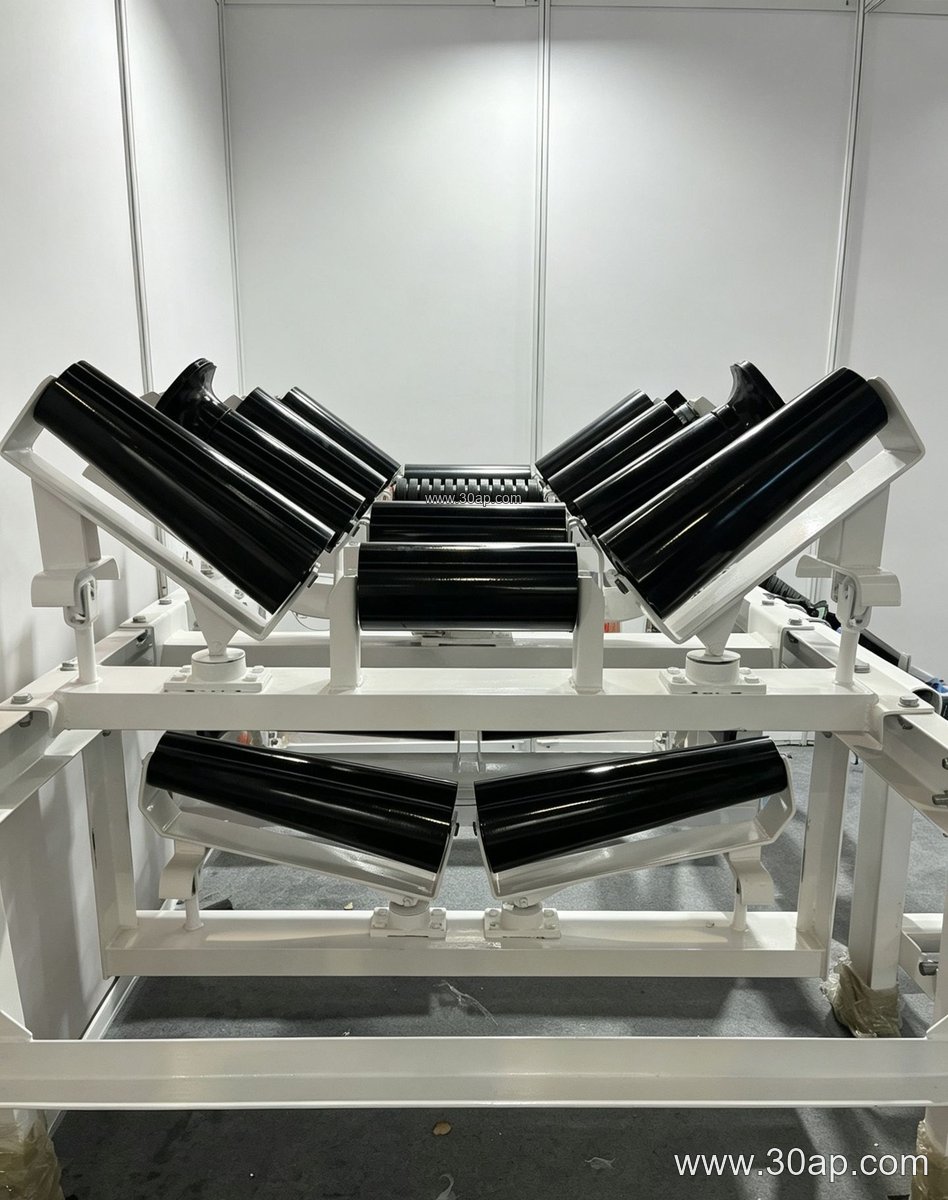
The carrying side of a conveyor usually uses a troughing bracket, sometimes called an upper troughing frame, with two or three rollers set at 20, 30, 35, or 45 degrees. The return side uses a return bracket or a V-return bracket that supports the empty belt. Transition brackets sit near the head and tail to ease the belt from flat to troughed. Impact brackets with cushion rollers are placed under the loading point, and self-aligning brackets are used where belt tracking is a recurring problem.
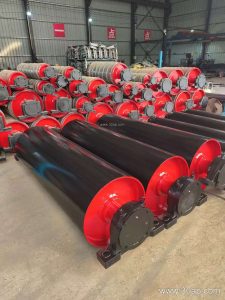
A relevant comparison: a bend pulley changes belt direction, while a troughing bracket only supports the belt and does not redirect it. The two are not interchangeable, and procurement documents should keep them in separate line items.
Matching Bracket to Belt and Roller
There is no single mandatory combination of belt width, trough angle, and roller diameter. A B800 line may run at 30 degrees with Ø108 rollers, while a B1200 line in an iron ore plant may use 45 degrees and Ø133 rollers. The table below shows reference combinations only; final values are set by the conveyor designer.
| Belt width | Typical trough angle | Common roller diameter | Typical bracket style |
|---|---|---|---|
| B500 | 20–30 degrees | Ø89 | Troughing, return |
| B650 | 30 degrees | Ø89–Ø108 | Troughing, transition |
| B800 | 30–35 degrees | Ø108 | Troughing, impact |
| B1000 | 35 degrees | Ø108–Ø133 | Troughing, V-return |
| B1200 | 35–45 degrees | Ø133 | Troughing, self-aligning |
| B1400 | 35–45 degrees | Ø133–Ø159 | Troughing, transition |
| B1600 | 45 degrees | Ø159 | Heavy troughing |
| B1800–B2000 | 45 degrees | Ø159–Ø194 | Heavy troughing, impact |
Forward-leaning brackets are commonly set at about 1.5 to 2 degrees to help center the belt. Adjustable brackets allow the trough angle to be changed within the range above, which is useful when a plant handles both a heavy-duty mining conveyor belt and a lighter product on the same structure.
Procurement Points That Prevent Rework
Before releasing a purchase order, confirm the belt width, the roller diameter, the trough angle, and the mounting hole pattern against the existing stringer. Ask for a dimensioned drawing rather than a photo. Specify the material grade and finish, and state whether the bracket must accept a standard idler roller or a cushion type at the load zone.
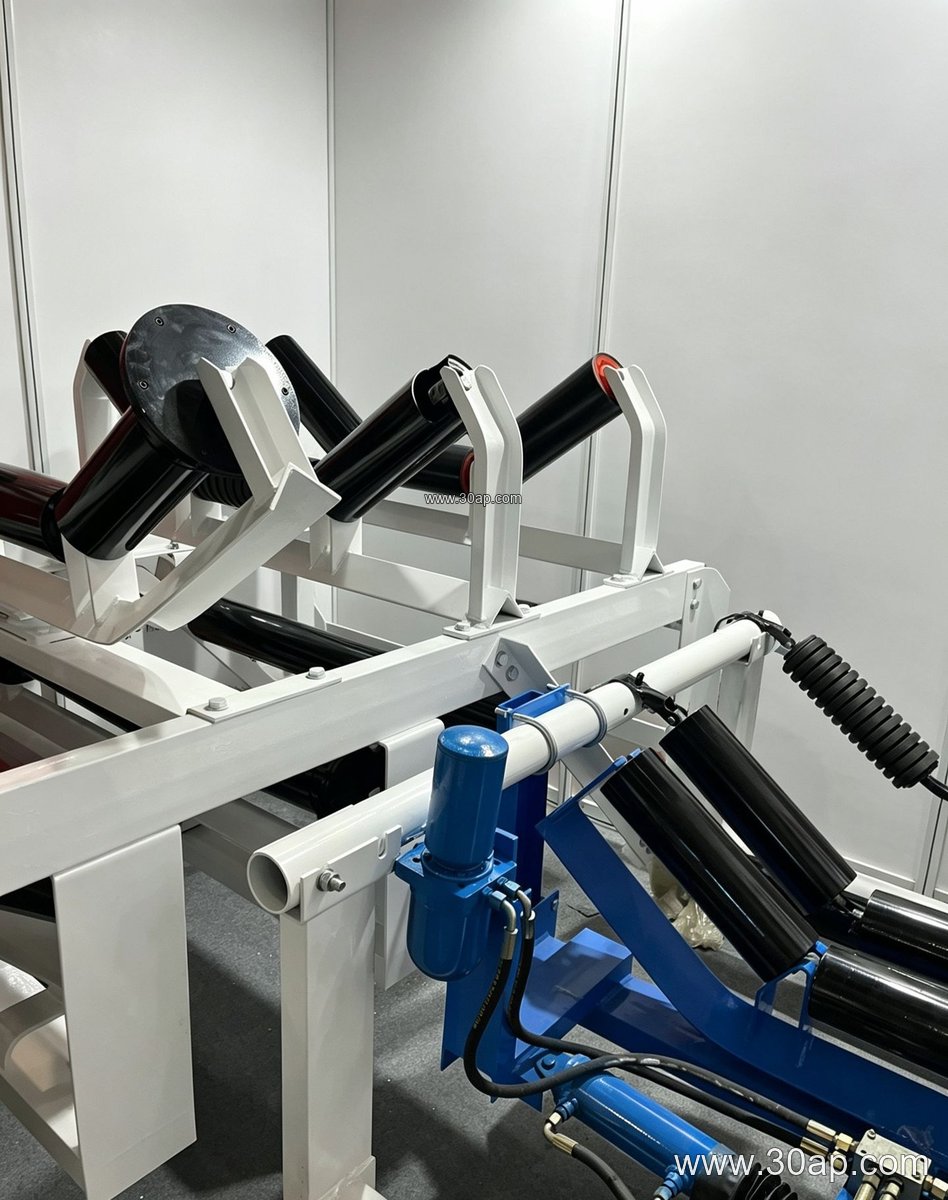
On a coal mining conveyor belt or an underground coal mining conveyor belt, flame retardant and anti-static properties matter for the belt, but the bracket still needs to be robust and easy to replace in a confined space. In a power plant coal yard or a port ship loading line, salt and dust make galvanizing or a heavier coating worth discussing. For a crusher conveyor belt or an aggregate conveyor belt handling sharp rock, impact brackets under the chute reduce roller damage.
Buyers working through a conveyor bracket procurement checklist should also verify spare-part compatibility with the existing conveyor pulley and idler roller inventory, so that a new frame does not force a change in shaft size or bearing type. For reference drawings and bracket dimensions, see conveyor bracket and conveyor pulley pages, and cross-check roller data on the idler roller page.
Installation and Maintenance Notes
Align the bracket to the stringer before tightening, and check that all rollers sit at the same elevation along the run. A bracket that is square but set a few millimeters high will cause the belt to lift and mistrack. During routine inspection, look for loose bolts, bent arms, and worn mounting holes; replacing a single bracket is far cheaper than replacing a damaged conveyor belt.
Keep a small stock of the most common frames for each belt width on site. In a busy sand and gravel line or a steel plant sinter line, a one-day delay waiting for a bracket can stop the whole transfer section.