What a Conveyor Rubber Lagged Pulley Does
A conveyor rubber lagged pulley is a conveyor pulley whose shell is covered with a rubber layer to improve grip between the pulley face and the conveyor belt. In most belt conveyors, this lagging is applied to the drive pulley so that torque is transmitted with less slip, especially when the belt is wet, dusty, or carrying a heavy load. The same rubber-covered design can also appear on tail, bend, and tension pulleys, but each position serves a different purpose and should not be treated as interchangeable.
In simple terms, the lagging is a sacrificial and functional surface. It protects the pulley shell from wear, raises friction at the drive point, and helps shed water and fines. For plants handling abrasive bulk materials, the difference between a plain shell and a properly lagged surface can be seen in belt tracking, belt life, and the amount of maintenance required around the drive station.
Construction and Surface Options
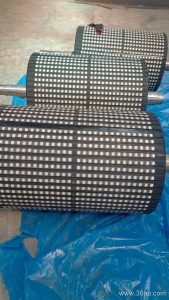
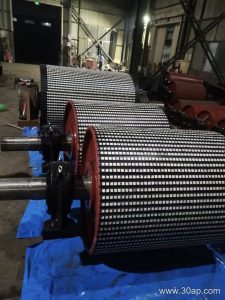
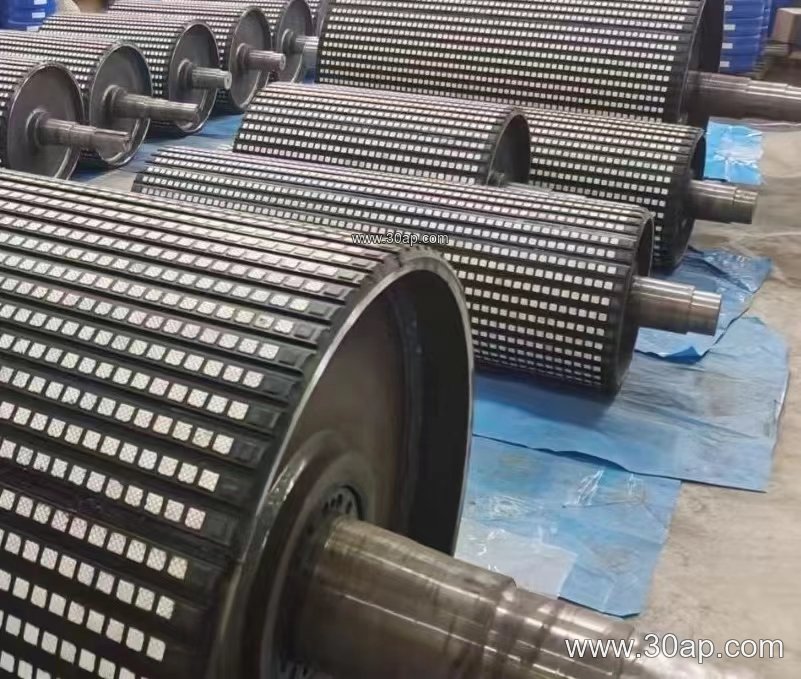
A typical rubber lagged pulley combines a steel shell, end discs, a shaft, bearing housings, and a rubber cover. The rubber may be bonded by hot vulcanization, attached with cold adhesive, or supplied as cast rubber. Common surface forms include plain lagging, diamond groove lagging, herringbone lagging, and ceramic lagging for extreme slip or wear conditions. Lagging thickness is often selected from 8 mm, 10 mm, 12 mm, 15 mm, or 20 mm, depending on duty and pulley diameter.
The pulley face width is usually wider than the belt. For example, a B800 belt may run on a pulley face of about 950 mm, while a B1200 belt may use a face around 1400 mm. Diameter and shaft size are not fixed by belt width alone; they are determined by torque, radial load, belt tension, and the conveyor layout. A B800 × Ø500 drive pulley and a B1200 × Ø1000 drive pulley may both be reasonable, but the final combination must come from the conveyor design.
Common Reference Combinations
| Belt width | Typical pulley face width | Example diameter range |
|---|---|---|
| B500 | About 600 mm | Ø250 to Ø400 |
| B650 | About 750 mm | Ø315 to Ø500 |
| B800 | About 950 mm | Ø400 to Ø630 |
| B1000 | About 1150 mm | Ø500 to Ø800 |
| B1200 | About 1400 mm | Ø630 to Ø1000 |
| B1400 | About 1600 mm | Ø800 to Ø1250 |
These figures are reference data for early planning, not a universal selection rule. Shaft diameters commonly range from Ø50 to Ø200, but the correct size depends on calculated torque and bearing load.
Where It Fits in a Conveyor
The most common location is the head drive, where the conveyor rubber lagged pulley pulls the belt and discharges material. In a coal handling system, a cement plant clinker line, or a power plant coal yard, the drive pulley must keep traction even when dust and moisture are present. A rubber lagged surface helps maintain friction without excessive belt tension.
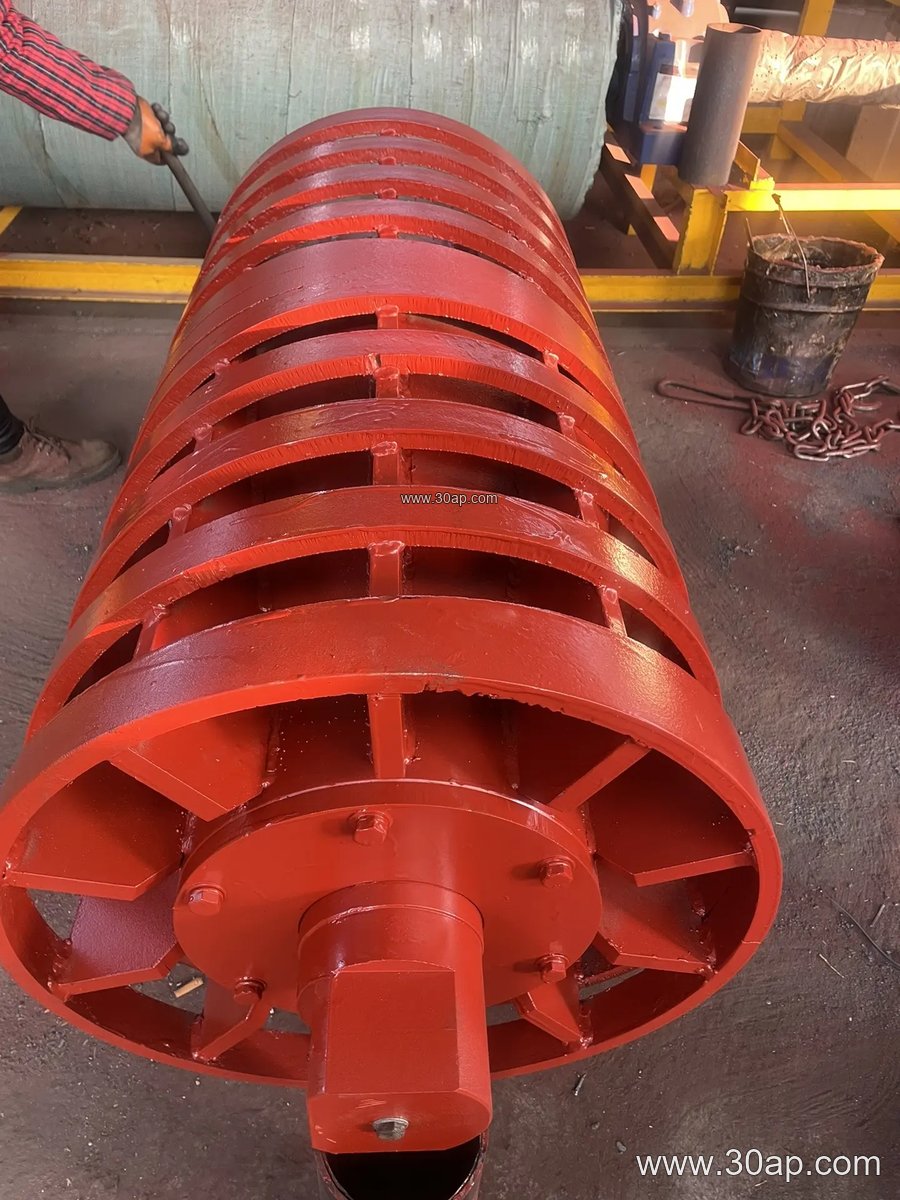
At the tail end, a lagged tail pulley can reduce material build-up and protect the shell, though a plain or grooved surface may be preferred in some designs. Bend and tension pulleys may also be rubber covered when belt wrap and slip control matter. The important point is that drive, tail, and bend pulleys are different positions with different loads, so a spare pulley should be specified by position, not by name alone.
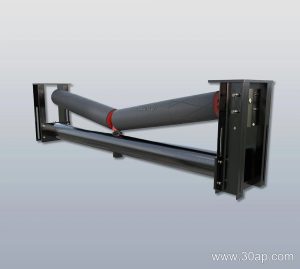
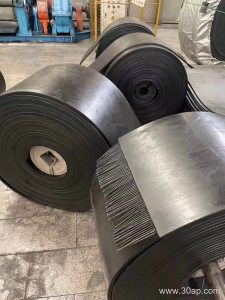
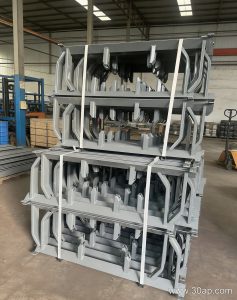
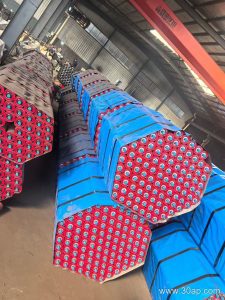
Related equipment around the pulley includes the conveyor belt, idler roller, conveyor bracket, and take-up frame. A heavy-duty mining conveyor belt or a steel cord conveyor belt may require a larger pulley diameter to control bending stress, while a fabric core conveyor belt such as an EP conveyor belt or NN conveyor belt may use a more compact drive arrangement. In abrasive quarry or iron ore service, an abrasion resistant conveyor belt and a wear-resistant lagging work together to reduce downtime. Flame retardant conveyor belt and fire resistant conveyor belt grades are often specified in underground coal mining conveyor systems, where the pulley surface and belt must be compatible with the safety plan.
Selection and Maintenance Notes
Buyers should confirm the belt width, pulley position, required diameter, shaft size, bearing type, lagging thickness, and surface pattern. For a conveyor rubber lagged pulley, the groove pattern matters: plain lagging is simple and cleanable, diamond lagging improves water drainage, and herringbone lagging can help with directional grip. Ceramic lagging may be considered for high-slip drives, but it is a different surface choice and should be matched to the belt cover.
- Check that the pulley face width suits the belt and that the lagging does not interfere with the conveyor bracket or chute.
- Confirm the shaft and bearing assembly against the actual torque and load, not only the belt width.
- Inspect lagging wear, grooves, and bond lines during planned shutdowns.
- Keep the belt cleaner and idler roller alignment in good condition to avoid uneven lagging wear.
For aggregate, ore, or cement duty, the conveyor rubber lagged pulley is a small component with a large effect on traction and belt life. Matching it correctly to the conveyor belt, the load, and the pulley position is more useful than choosing by size alone.