What a Heavy-Duty Conveyor Belt Is Built to Do
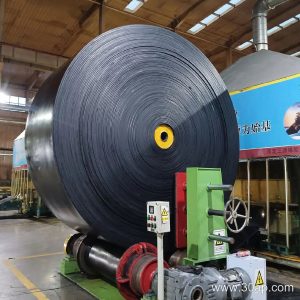
A heavy-duty conveyor belt is the load-bearing element of a bulk handling line where tonnage, lump size and continuous running hours are high. In mines, coal preparation plants, cement works, power stations, quarries and sand and gravel yards, this belt carries crushed rock, ore, clinker, coal and aggregate from a crusher or stockpile to the next stage without stopping for small interruptions. The belt is not simply a thicker version of a general-purpose product: its carcass, cover compound and splice design are chosen together so that the whole system tolerates impact, abrasion and tension at the same time.
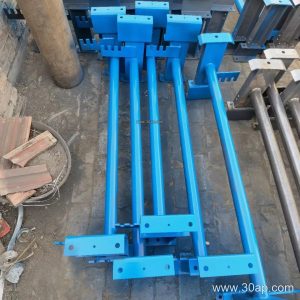
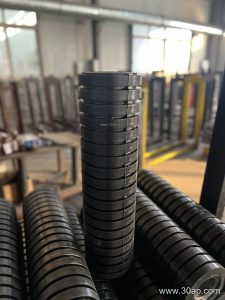
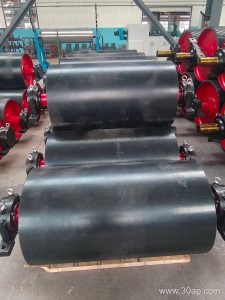
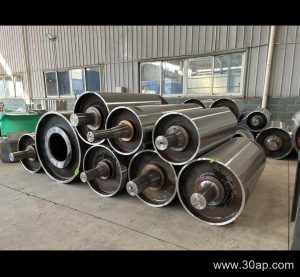
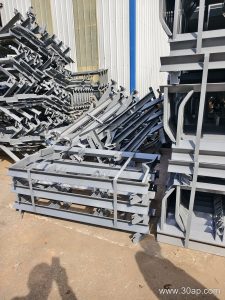
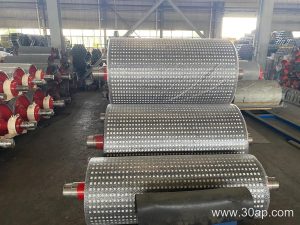
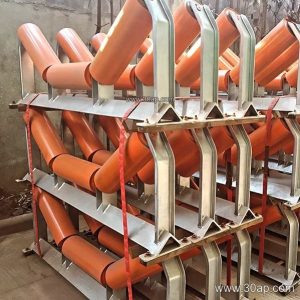
The equipment around it matters too. A conveyor pulley at the head drives the belt, a tail pulley returns it, and bend pulleys guide it through take-up zones. Idler rollers support the loaded strand, while the conveyor bracket holds the idlers and pulleys in alignment. Each of these parts is selected on its own terms; a drive pulley, tail pulley and bend pulley are different components and cannot be swapped by name.
Carcass and Cover Construction
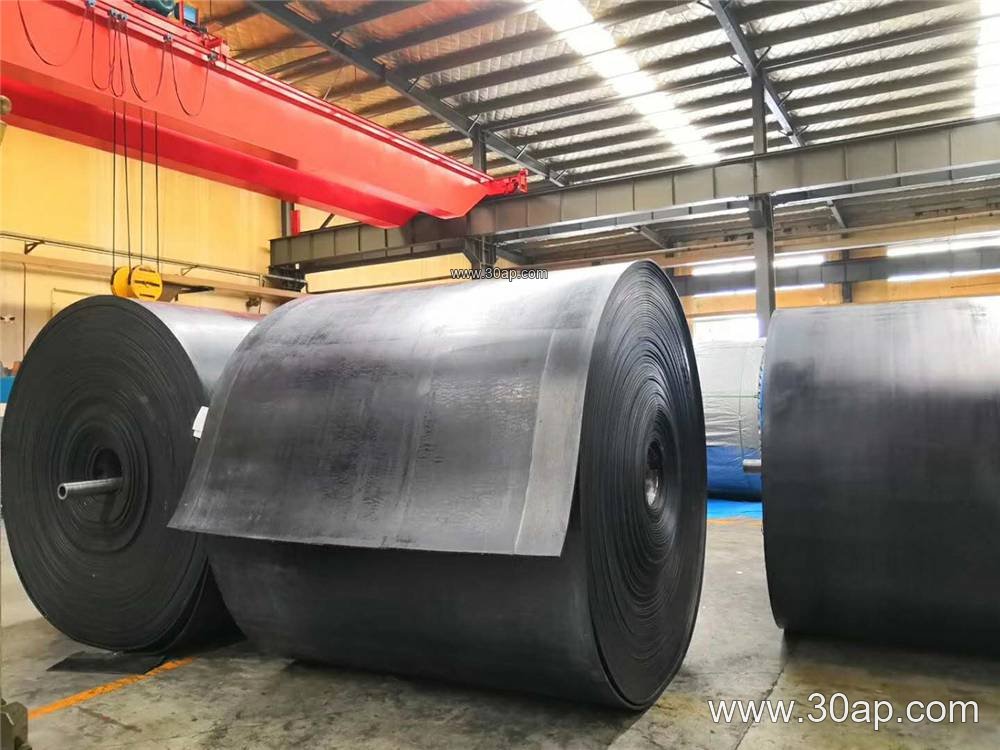
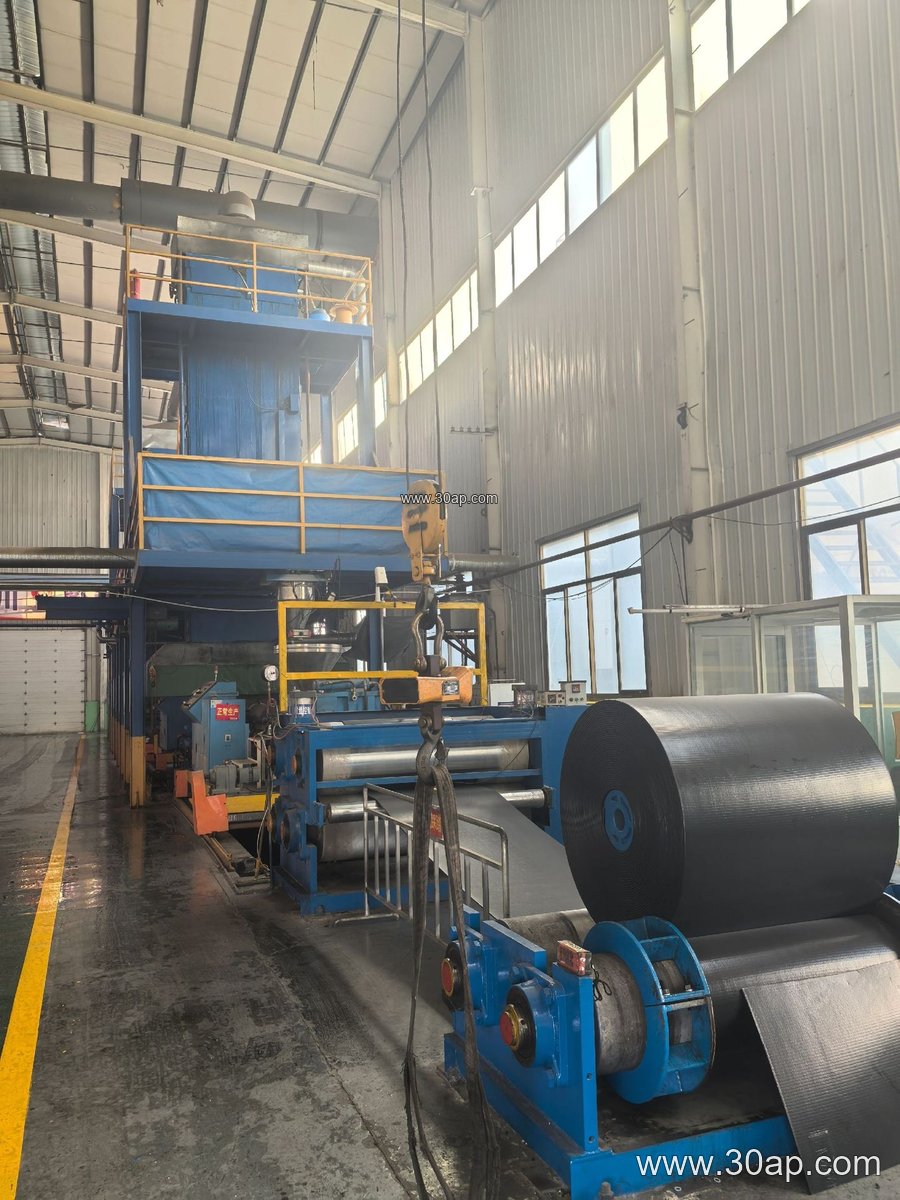
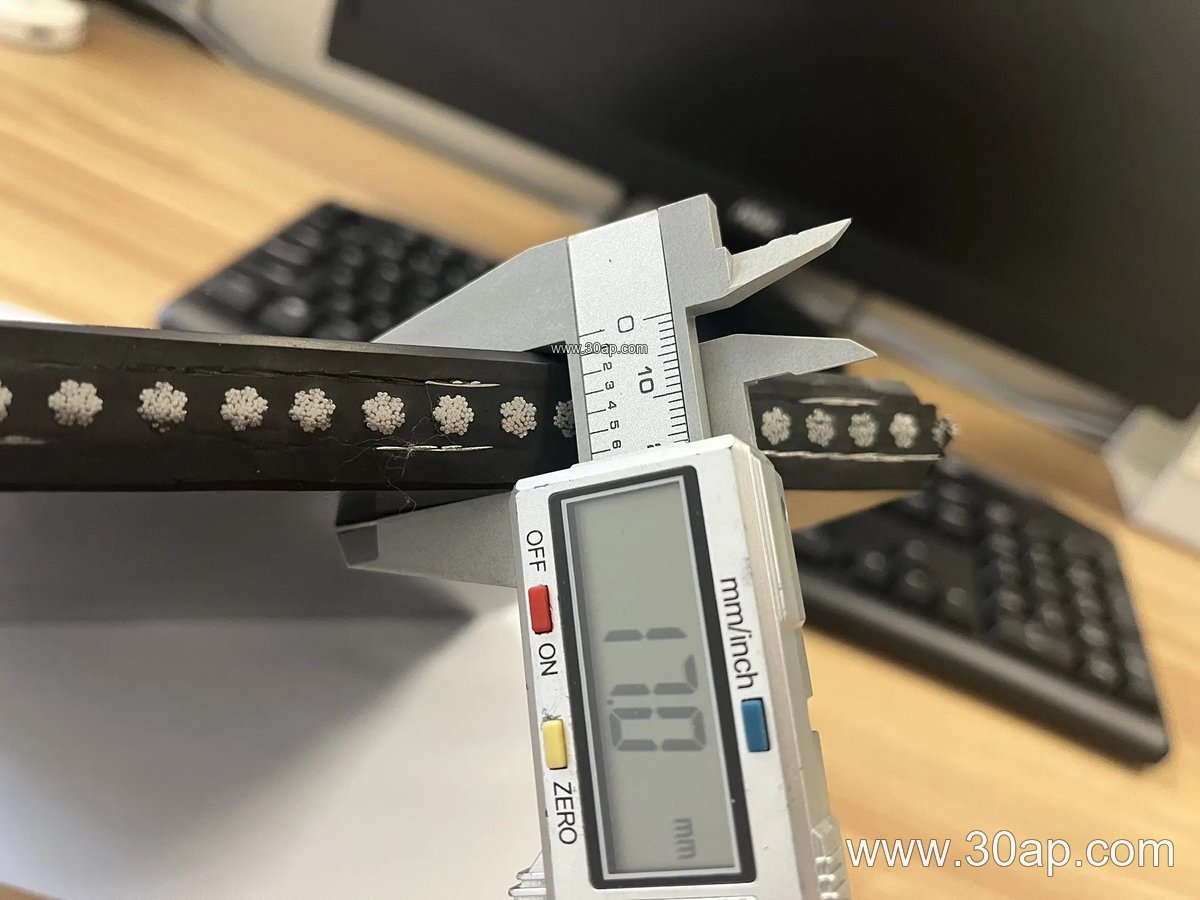
Most heavy-duty belts use a fabric core or a steel cord core. Multi-ply fabric constructions with EP (polyester-cotton) or NN (nylon) plies are common in aggregate, cement and general bulk duty, while steel cord belts suit long centers and very high tension. Cover rubber is where wear resistance is decided, and buyers often specify abrasion resistant, heat resistant, oil resistant, flame retardant or anti-static grades depending on the material and the environment.
- Fabric core options: EP conveyor belt and NN conveyor belt, usually 2 to 6 plies.
- High-tension option: steel cord conveyor belt for long overland and underground routes.
- Special covers: heat resistant for clinker and sinter, oil resistant for recycled material, flame retardant for coal mining conveyors.
- Edge and surface forms: chevron or cleated patterns for inclined sections, corrugated sidewall belts for steep lifts, skirted belts to contain material at transfer points.
Common Strength and Width References
The figures below are reference points used in enquiries and should be confirmed against the actual conveyor design. They are not fixed pairings, and a given belt width can work with more than one pulley diameter.
| Parameter | Typical reference values |
|---|---|
| EP strength grades | EP200, EP315, EP400, EP500, EP630, EP800, EP1000, EP1250, EP1600, EP2000 |
| Belt width | B500, B650, B800, B1000, B1200, B1400, B1600, B1800, B2000 |
| Cover thickness | 3+1.5, 4+2, 5+2, 6+2, 8+3 mm |
| Carcass plies | 2 to 6 layers for fabric cores |
For example, an EP1000 belt at 1200 mm width may suit a primary crushed-stone line, while an EP1250 or steel cord construction at 1800 mm is more typical of a large port or mine transfer. These are examples of how grade and width are discussed together, not mandatory combinations.
Where These Belts Work
In an underground coal mine, flame retardant and anti-static properties are usually requested alongside mechanical strength, and PVG or PVC constructions may appear in the same plant for different duties. At a cement plant, heat resistant belting handles clinker while abrasion resistant covers move limestone and gypsum. Power plants rely on heavy-duty belts for coal receiving and ash handling, and a quarry or sand making plant uses them behind the crusher, where impact resistant covers reduce gouging from sharp rock. Port and ship loading conveyors often need wide belts and high strength to move bulk material at rate.
What Buyers Should Check Before Ordering
Start with the duty: material type, lump size, fall height at the transfer point, belt speed, incline and daily running hours. Then confirm the required tensile grade, cover thickness and any special property such as fire resistance or oil resistance. Ask how the belt will be joined, because an endless splice made on site behaves differently from a mechanically fastened joint. Check that the drive pulley, tail pulley and bend pulleys are sized for the belt and load, and that idler roller spacing and the conveyor bracket layout support the belt without excessive sag.
Finally, request the manufacturer’s data sheet for the exact construction, including ply count, cover grade and tolerances. Store belts flat and dry, and inspect covers and splices regularly in service. A well-matched heavy-duty conveyor belt, supported by correctly chosen pulleys, idlers and brackets, keeps a bulk handling line running through long shifts in demanding industries.