What an Anti-Sticking Idler Is and Why It Matters
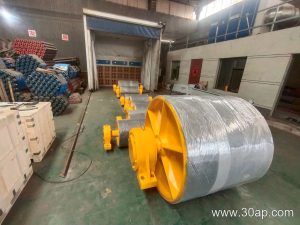
An anti-sticking idler is a specialized conveyor roller designed to prevent material buildup on its surface, a common problem in handling wet, sticky, or cohesive bulk materials. Unlike standard idlers that may accumulate mud, clay, or fine wet product, this roller incorporates design features that shed material and maintain a consistent belt path. In industries such as coal mining, cement plants, and aggregate quarries, carryback and spillage can quickly foul ordinary rollers, leading to belt misalignment, increased power draw, and premature wear. The anti-sticking idler addresses this by combining a self-cleaning profile with robust sealing to keep the conveyor belt running smoothly.
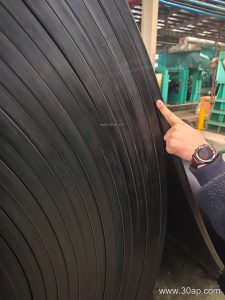
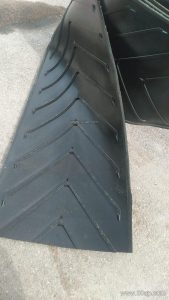
Also known as a self-cleaning idler or non-stick roller, this component is particularly valuable in operations where moisture content fluctuates or where sticky fines are unavoidable. Whether you are running a heavy-duty mining conveyor belt or a fabric core conveyor belt in a sand and gravel line, the right idler can reduce maintenance downtime and extend the service life of the entire conveyor system.
Construction and Design Features
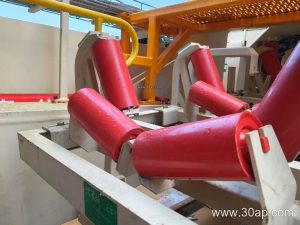
Anti-sticking idlers are built with several key elements that differentiate them from conventional troughing or return idlers. The roller shell often features a spiral or helical profile, or is fitted with rubber discs or rings that flex and shed material as the belt moves. The end caps and bearing housings are engineered with labyrinth seals or multiple lip seals to block fine particles and moisture from entering the bearing cavity. Common bearing sizes include 6204, 6205, 6305, 6306, 6308, and 6310, selected according to load and speed requirements rather than a fixed pairing with any particular roller diameter.
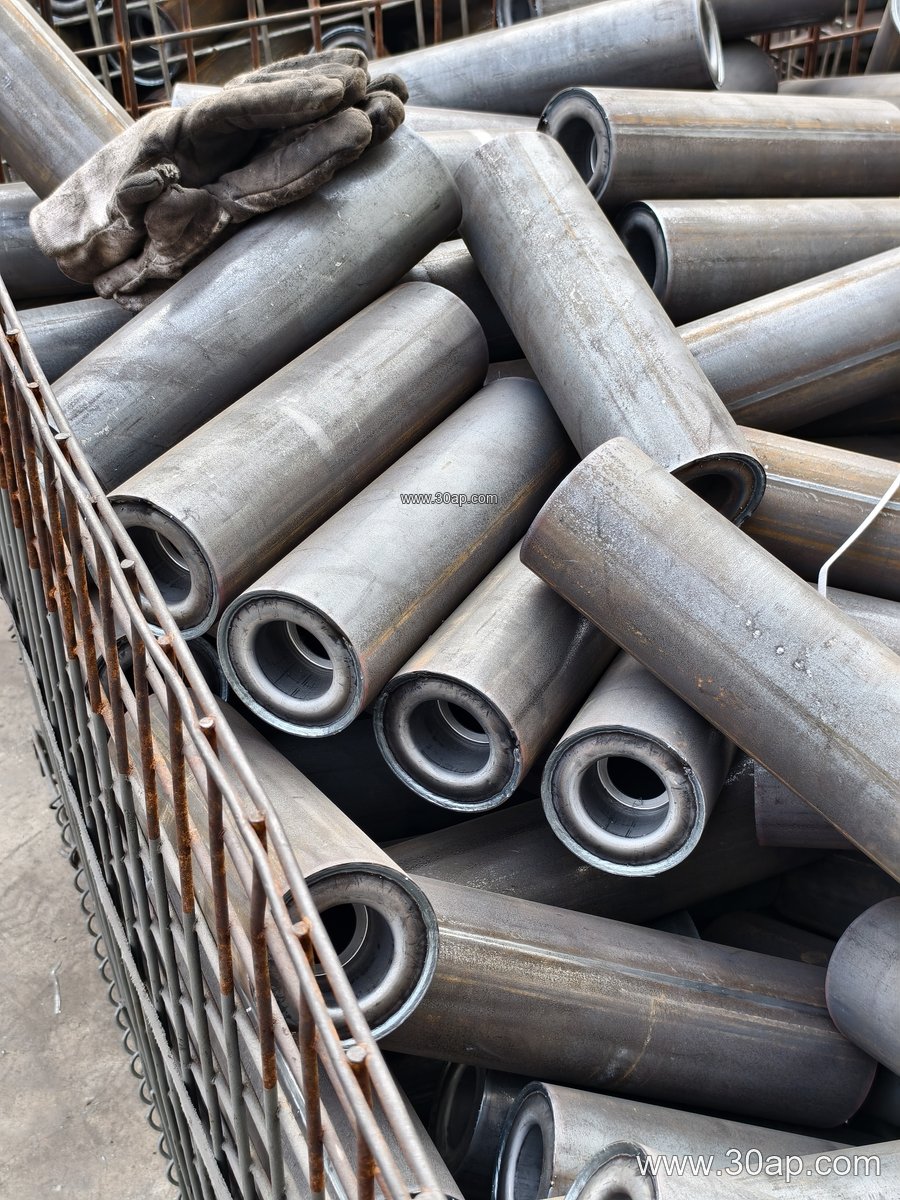
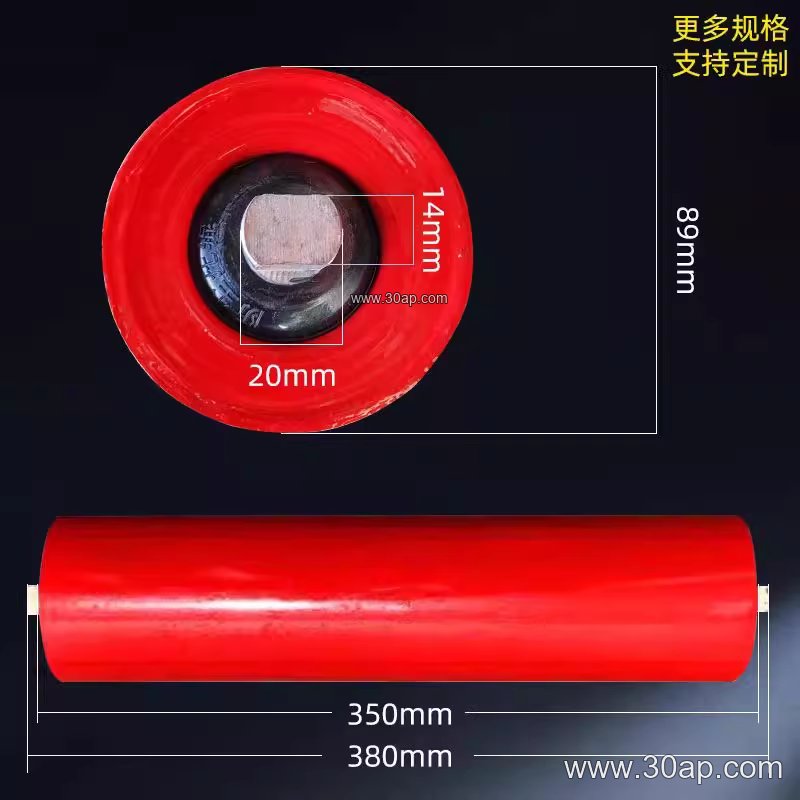
Roller diameters typically range from Ø63 mm to Ø219 mm, with Ø89, Ø108, Ø133, and Ø159 being frequent choices for bulk handling conveyors. The shell material may be steel, nylon, or ceramic-coated, depending on the abrasiveness of the material. For sticky applications, rubber disc returns are popular because the flexible discs break the bond between the material and the roller surface. Shaft lengths and roller lengths are determined by belt width, trough angle, and idler configuration; for example, a three-roll troughing set on a B800 belt often uses side rollers around 315 mm long, but this is a typical reference, not a fixed rule.
Where Anti-Sticking Idlers Are Used
These idlers are most beneficial in applications where the conveyed material tends to adhere to metal surfaces. In a coal preparation plant or underground coal mining conveyor belt system, wet coal fines can quickly build up on return rollers. Similarly, in cement plants handling moist limestone or clay, and in aggregate operations processing washed sand, anti-sticking idlers help maintain belt tracking and reduce spillage. They are also used in power plant coal handling, port ship loaders, and fertilizer plants where hygroscopic materials are moved.
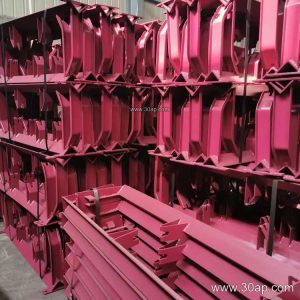
While anti-sticking idlers are often employed on the carrying side as impact or troughing idlers, they are equally effective on the return side, especially as V-type return idlers or flat return rollers. In comparison to a standard troughing idler, the anti-sticking version requires less frequent cleaning and can operate efficiently in environments where wash-down or high humidity is present. It is not a replacement for a bend pulley or drive pulley, but rather a complementary component that keeps the belt properly supported.
Selection and Maintenance Tips for Buyers
When specifying an anti-sticking idler, consider the material characteristics first: stickiness, moisture content, particle size, and abrasiveness. The belt width (e.g., B500, B800, B1200, B1600) and conveyor capacity will dictate the idler diameter and roll length. Trough angles of 20, 30, 35, or 45 degrees affect the belt profile and should be matched to the idler set. For sticky materials, a spiral roller or rubber-disc return idler is often a good starting point. Bearing selection should follow the load calculation, not a fixed rule; for instance, a 6305 bearing may suit a Ø108 mm roller in one application but a different size in another.
Regular inspection of the idler surface and seals is recommended. If buildup occurs, check for worn seals or damaged roller shells. Proper belt cleaning equipment, such as primary and secondary cleaners, works hand-in-hand with anti-sticking idlers to minimize carryback. When replacing idlers, ensure the new units match the existing bracket dimensions and shaft end types. For operators using EP conveyor belts or steel cord conveyor belts, maintaining free-rolling idlers is essential to avoid belt edge damage and reduce energy consumption.
In summary, choosing the right anti-sticking idler involves a balance of material properties, conveyor design, and environmental conditions. By understanding how these rollers work and where they fit, buyers can improve conveyor reliability in even the most challenging bulk handling operations.