What the ST1000 Conveyor Belt Is
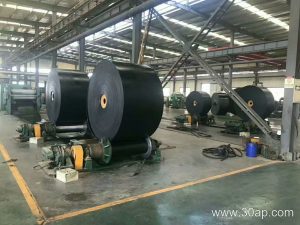
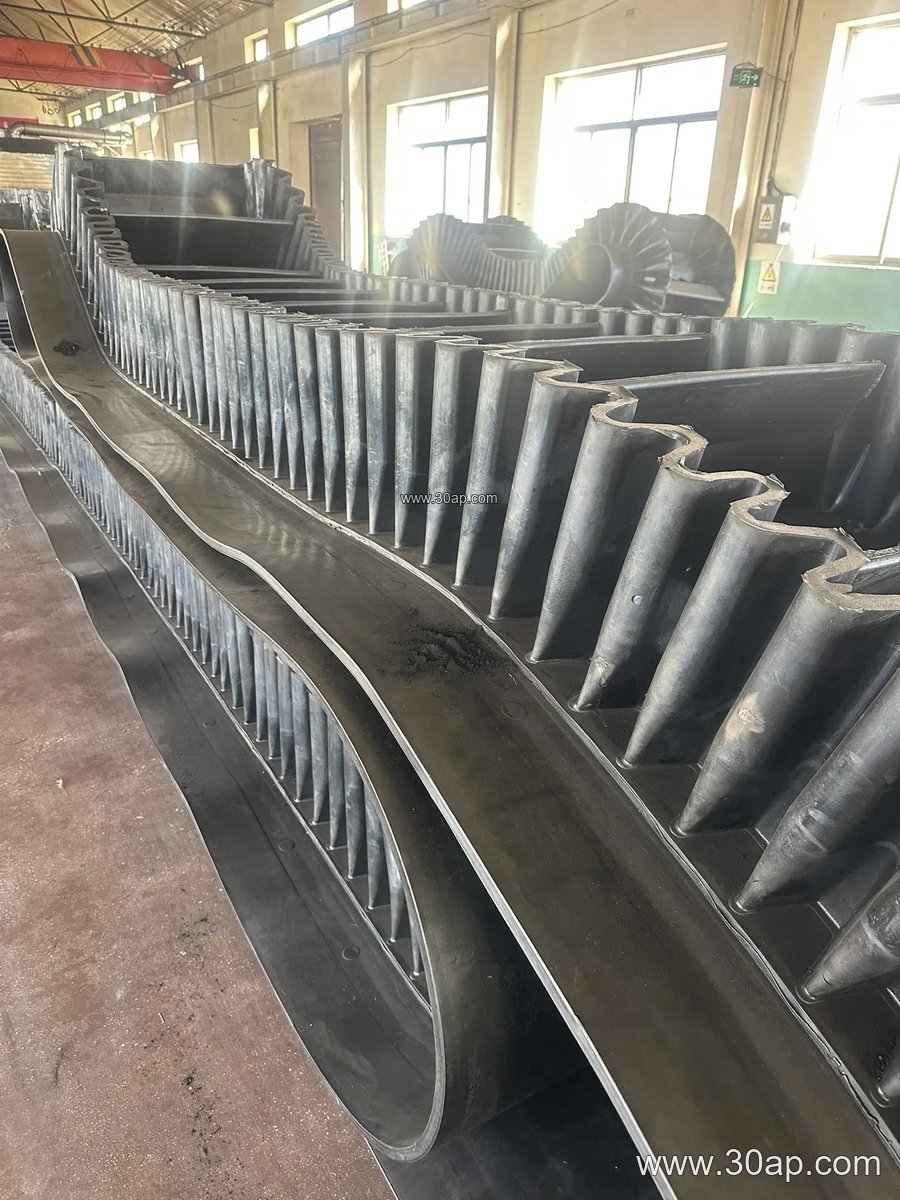
The ST1000 Conveyor Belt is a steel cord conveyor belt with a nominal tensile strength of 1000 N/mm per unit width. It belongs to the steel cord family, where the load-bearing skeleton is made of parallel steel wires instead of woven fabric plies. In the ST series, ST1000 sits at the lower end of a range that also includes ST1250, ST1600, ST2000, ST2500 and ST3150, so it is often chosen for long overland lines, main haulage drifts and plant transfer conveyors where fabric belts would need too many plies or would stretch too much.
Because the cords carry the tension, the belt combines high strength with modest elongation. That characteristic matters in mining, coal preparation, cement plants, power stations and large quarry or aggregate operations, where a conveyor may run several hundred meters between a drive pulley and a tail pulley.
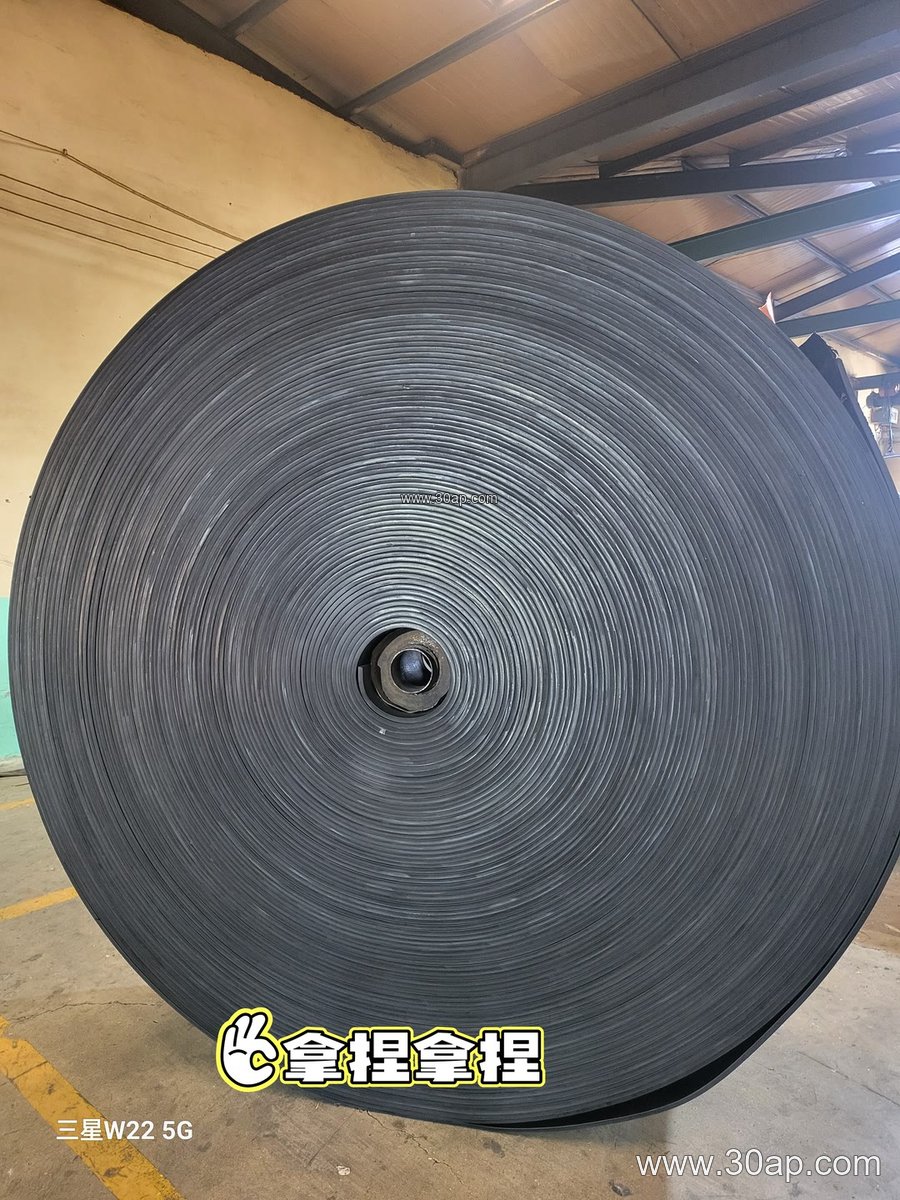
Construction and Typical Build
The core is a single layer of high-carbon steel cords, evenly spaced and embedded in a bonding rubber compound. Top and bottom cover rubber protect the cords from abrasion, impact, moisture and, where required, heat or oil. Edge rubber seals the cut sides, and the belt is usually supplied in a cut-edge or moulded-edge form depending on the manufacturer and the application.
Common reference data for this class of belt are listed below. Values vary between suppliers and should be confirmed against the design requirement of each conveyor.
- Nominal strength grade: ST1000, expressed as 1000 N/mm
- Common belt widths: B800, B1000, B1200, B1400, B1600
- Cover thickness examples: 4+2 mm, 5+2 mm, 6+2 mm, 8+3 mm
- Typical cord pitch and cord diameter: set by the manufacturer for each strength grade
| Parameter | Reference example | Remark |
|---|---|---|
| Strength grade | ST1000 | Nominal, per unit width |
| Belt width | B1000, B1200, B1400 | Selected from capacity and lump size |
| Top cover | 6 mm, 8 mm | Abrasion and impact duty |
| Bottom cover | 2 mm, 3 mm | Pulley side protection |
| Belt mass | Approx. 20 to 30 kg/m2 | Depends on cover and cord build |
Where It Fits in a Conveyor System
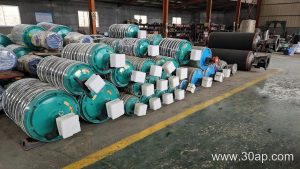
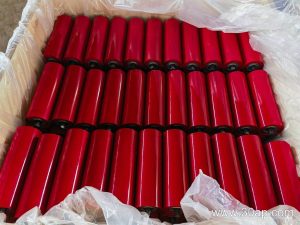
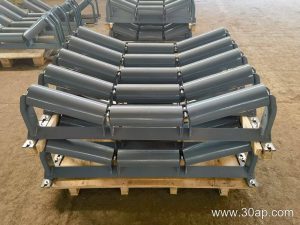
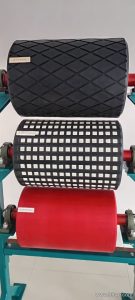
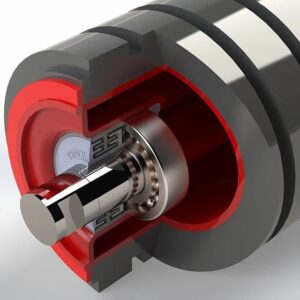
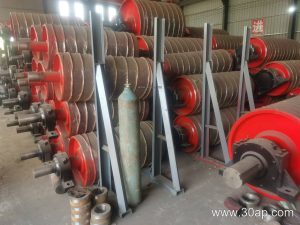
An ST1000 belt normally runs on a troughing idler roller set, wraps the drive pulley and tail pulley, and returns over lower idlers. Conveyor pulley diameters and shaft sizes are matched to the cord diameter, the belt tension and the allowable surface pressure, not to belt width alone. A wider belt does not automatically mean a larger pulley, and a given width can be paired with different pulley diameters across different conveyor designs.
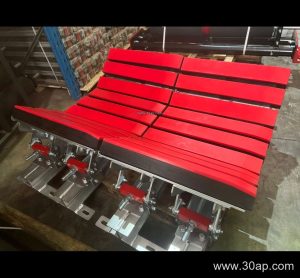
Bend pulleys and take-up pulleys also need checking, especially on long lines with high starting tension. Conveyor brackets, frames and transition distances should be laid out so the belt is not over-stressed at the tail loading point. In hard-rock mines, iron ore and copper ore terminals, and large sand and gravel plants, the belt is often combined with impact idlers and skirt rubber at the transfer chute.
Cover Grades and Application Notes
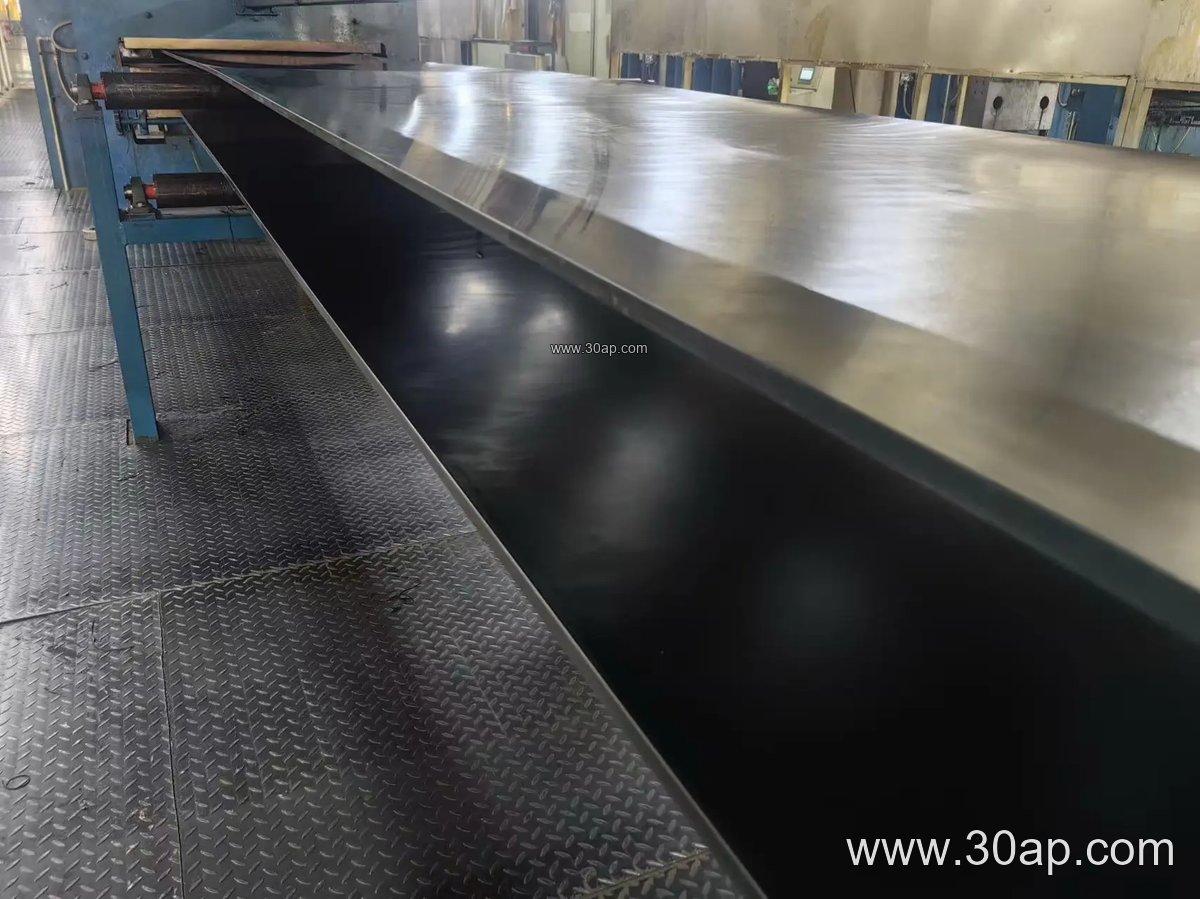
The base ST1000 construction is a steel cord belt, but the cover compound is chosen for the duty. Common options include abrasion resistant, heat resistant, oil resistant, flame retardant, anti-static and cold resistant grades. Underground coal mining conveyors usually call for flame retardant and anti-static properties, while cement kiln feed lines and clinker conveyors may need heat resistant covers. Port and ship loading conveyors handling bulk material often select a high abrasion resistant cover for long service life.
For comparison, fabric core belts such as EP conveyor belt and NN conveyor belt grades are lighter and easier to splice in shorter runs, while the ST1000 belt is preferred when tension, elongation and belt length make fabric plies less practical. This is a design comparison, not a replacement recommendation.
Buyer Checklist
- Confirm the required strength grade, belt width and cover thickness against the conveyor design, not against a catalogue alone.
- State the material, lump size, temperature and any oil, chemical or fire risk so the cover compound is correct.
- Ask for the cord diameter and pitch, since these affect pulley size and splice method.
- Check whether the belt will be spliced on site and whether a hot or cold splice is planned.
- Review storage, handling and roll weight before delivery, particularly for wide belts.
- Plan inspection of idlers, pulleys and brackets together with belt tracking and cover wear.
Used with correctly sized conveyor pulleys, well-aligned idler roller sets and sturdy conveyor brackets, the ST1000 Conveyor Belt offers a practical strength class for demanding bulk material duty in mining, coal, cement, power and aggregate industries.