What a High-Friction Lagged Pulley Does
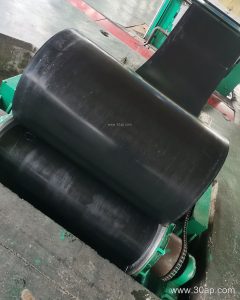
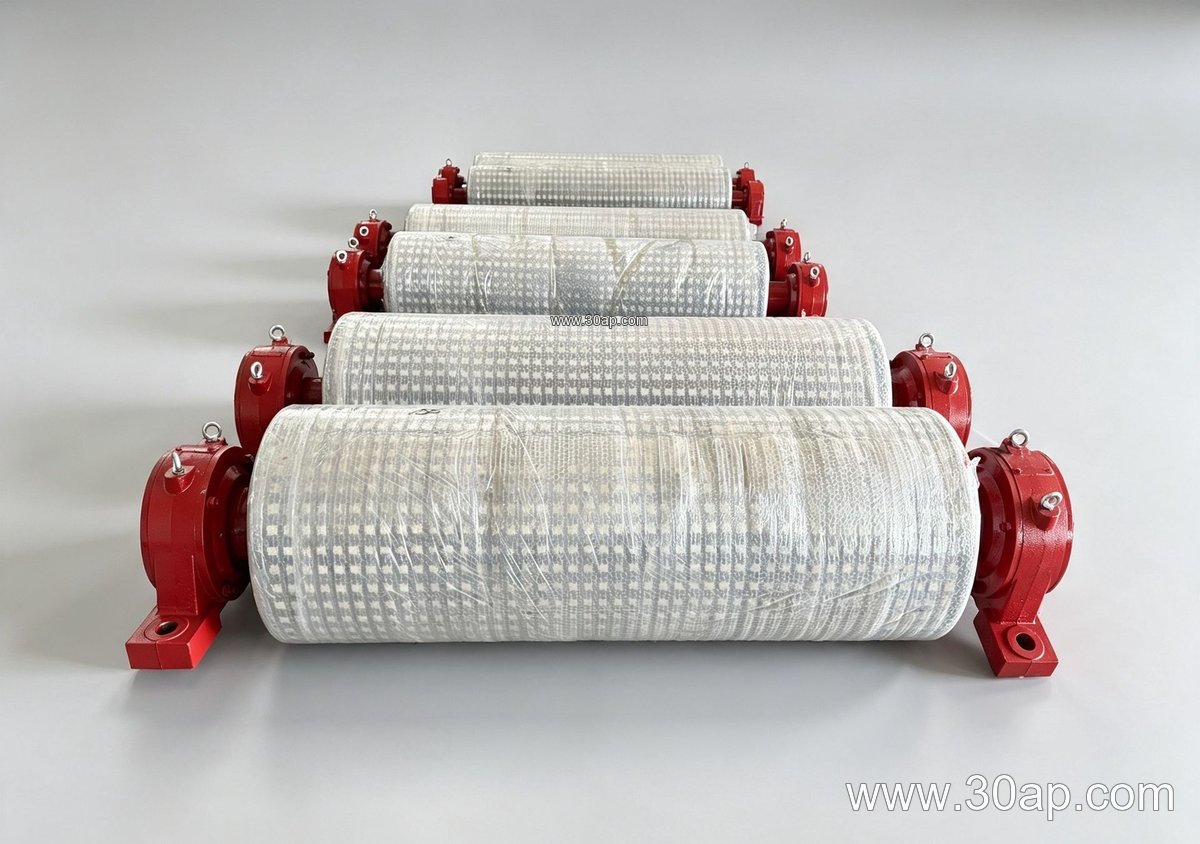
A high-friction lagged pulley is a conveyor pulley whose shell is covered with a rubber or ceramic lagging designed to increase grip between the pulley face and the conveyor belt. This added friction reduces belt slip, improves power transmission, and helps maintain belt tracking under load. In bulk material handling—whether in a quarry, a coal washing plant, or a cement clinker line—this pulley is often the difference between smooth operation and constant belt wander or stall.
Unlike a standard smooth-face pulley, the lagged version uses a textured or high-friction surface to bite into the belt cover. This is especially valuable where the belt carries heavy, abrasive material or where the drive must transmit high torque without excessive tension.
Construction and Surface Options
The core is typically a welded steel shell with machined end discs and a through shaft. The lagging is applied in several ways: hot-spliced rubber, cold-bonded rubber, cast polyurethane, or ceramic tiles embedded in rubber. Common surface patterns include diamond (菱形) and herringbone (人字形), both of which channel water and fines away while maintaining contact. Ceramic lagging offers the highest friction coefficient and is often chosen for high-torque drives in iron ore or copper ore handling.
Lagging thickness commonly ranges from 8 mm to 20 mm, with 10 mm and 12 mm being frequent choices for general duty. The pulley face width usually exceeds the belt width to allow for belt wander; for example, a B800 belt might run on a pulley with roughly 950 mm face width, and a B1200 belt on about 1400 mm. These are reference relationships, not fixed rules—final dimensions are set by the conveyor designer.
Where It Fits in the Conveyor
High-friction lagging is most often specified for the drive pulley, where torque transmission is critical. It can also be used on a tail pulley or a bend pulley when extra grip helps prevent slippage under wet or dusty conditions. However, drive, tail, and bend pulleys are not interchangeable; each has a distinct role in belt tension and path control. A high-friction lagged pulley on the drive side might be paired with a plain bend pulley elsewhere to keep costs balanced.
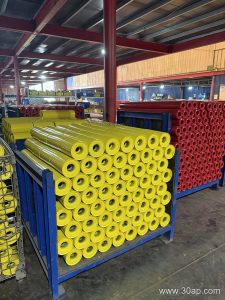
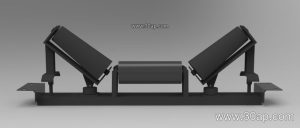
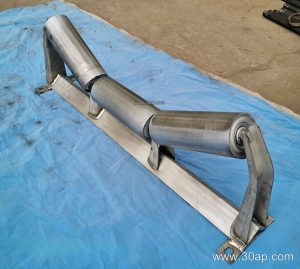
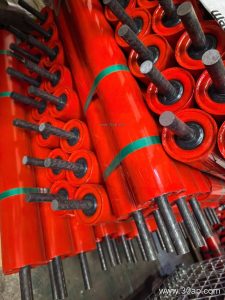
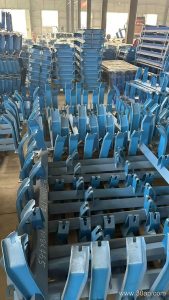
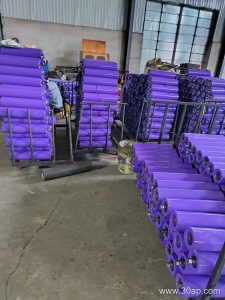
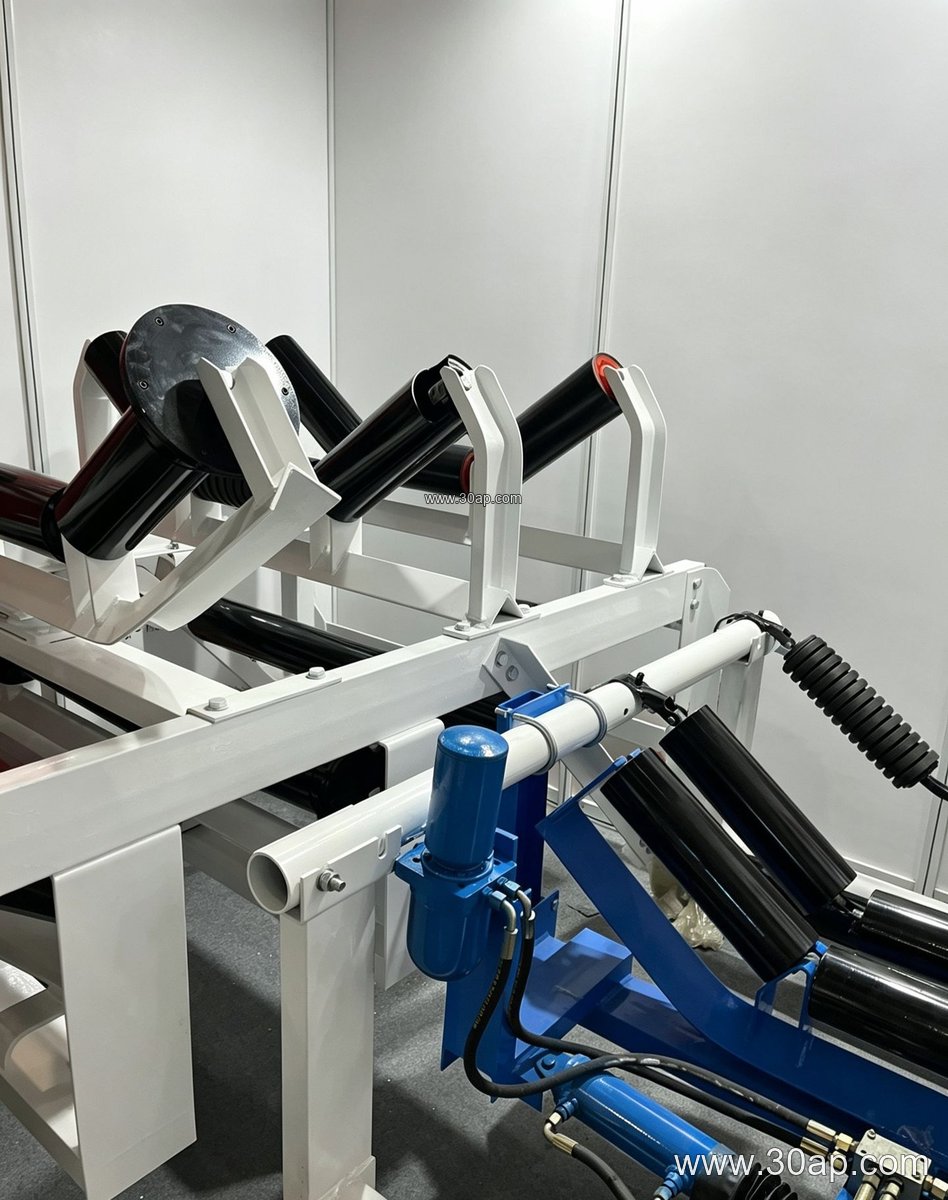
In a typical aggregate plant, a lagged drive pulley works with an idler roller set and conveyor bracket assemblies to keep the belt aligned. The same principle applies in a power plant coal yard or a port ship-loading system, where reliable grip reduces downtime.
Common Applications
You will find high-friction lagged pulleys in:
- Quarries and sand-and-gravel lines handling abrasive rock
- Coal washing plants and underground coal mining conveyors
- Cement plants moving clinker and limestone
- Iron ore and copper ore concentrators
- Power plant coal handling and biomass feed
- Port bulk terminals and ship loaders
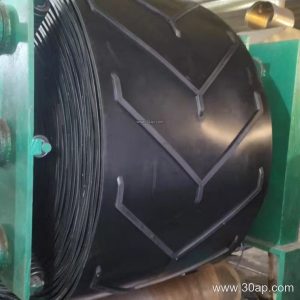
In these settings, the pulley often runs with a heavy-duty mining conveyor belt, such as an abrasion resistant conveyor belt or a flame retardant conveyor belt for underground use. The lagging must resist not only wear but also the oily or wet conditions sometimes present.
Specification and Selection Notes
When specifying a high-friction lagged pulley, buyers should consider belt width, pulley diameter, shaft diameter, lagging type and thickness, and the operating environment. Common belt widths for this product range from B400 to B2400, but not every width requires the same diameter—a B800 belt might use a Ø500 pulley in one conveyor and a Ø630 in another, depending on tension and space. Shaft diameter is determined by torque and load, not by belt width alone.
Below are typical reference combinations; actual sizes are confirmed by the conveyor design:
| Belt Width (B) | Approx. Pulley Face Width | Example Diameter Range | Common Lagging Thickness |
|---|---|---|---|
| B500 | ≈600 mm | Ø250 – Ø400 | 8–10 mm |
| B800 | ≈950 mm | Ø400 – Ø630 | 10–12 mm |
| B1200 | ≈1400 mm | Ø630 – Ø1000 | 12–15 mm |
| B1600 | ≈1800 mm | Ø800 – Ø1250 | 15–20 mm |
Surface pattern choice matters: diamond lagging sheds water well, herringbone gives good lateral grip, and ceramic provides maximum friction for high-torque drives. Plain rubber is suitable for lighter duty. The pulley should be balanced with the conveyor belt tension and the idler roller spacing to avoid excessive vibration.
Buyer Checklist
- Confirm the pulley’s role: drive, tail, or bend—each has different friction needs.
- Match lagging type to the material: abrasive rock favors thick rubber or ceramic; oily conditions favor oil resistant rubber.
- Check shaft diameter against calculated torque, not just belt width.
- Ensure face width allows for belt wander without overhang.
- Consider the conveyor bracket and bearing housing compatibility.
For more information on compatible conveyor components, visit our site at www.example.com/conveyor-pulley or www.example.com/high-friction-pulley. A well-chosen high-friction lagged pulley helps keep your conveyor belt tracking true and your operation running.