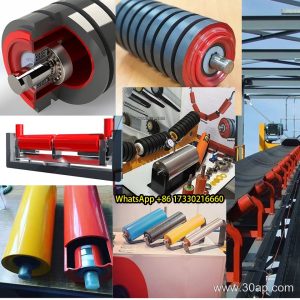
What a Side Guide Idler Does
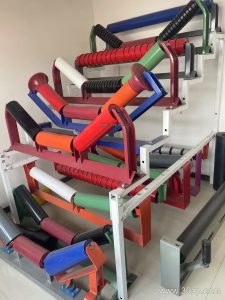
A side guide idler is a specialized conveyor idler roller mounted along the edges of the conveyor belt, usually in the loading zone or on the carrying side, to keep the belt centered and prevent material spillage. Unlike a standard carrying idler that supports the belt from below, this idler works at the belt edge, often with a vertical or angled roller face that contacts the belt side. In quarry and aggregate lines, a side guide idler helps contain coarse rock on the belt, while in a cement plant it can reduce dust escape at transfer points. The same product is also called a belt guide idler or edge guide roller, and these names refer to the same component.
Construction and Key Parts
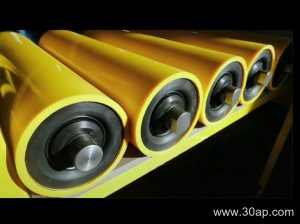
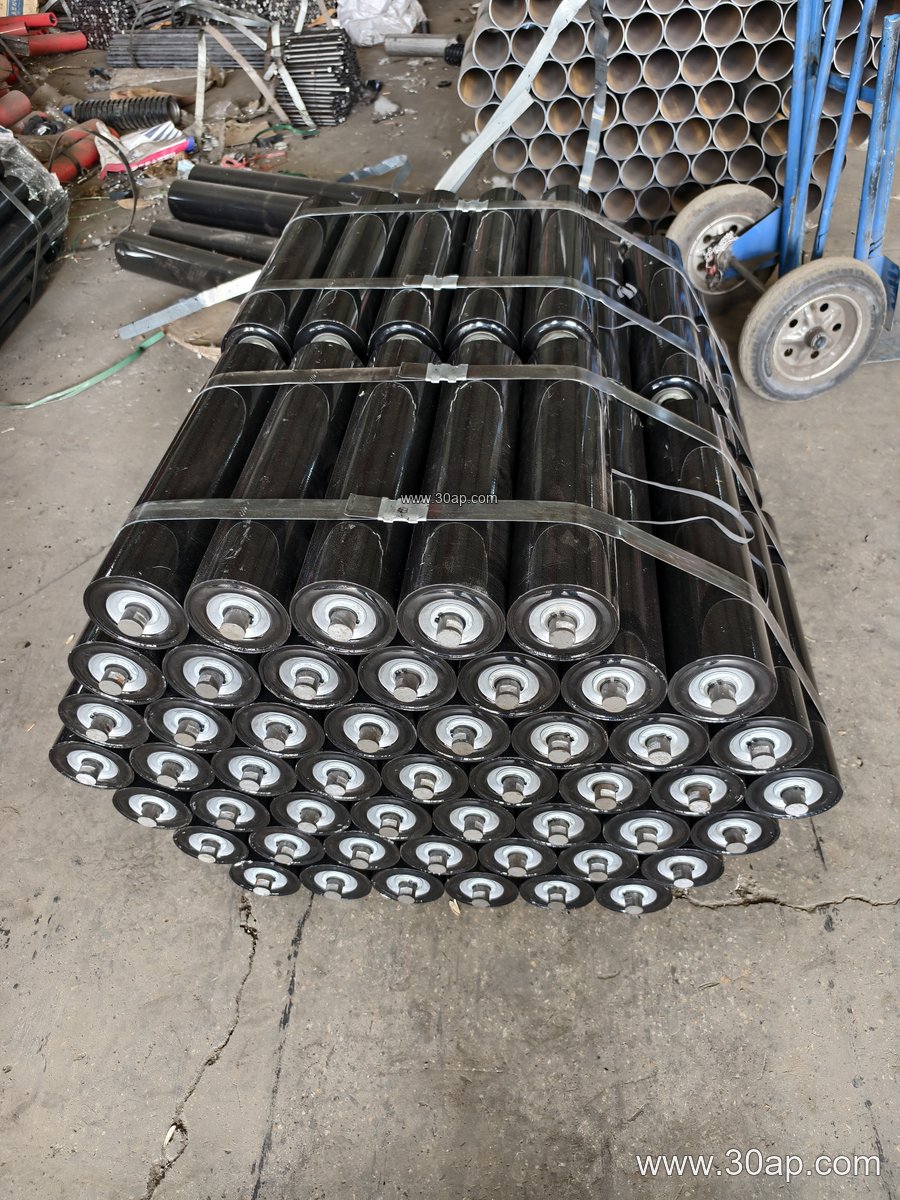
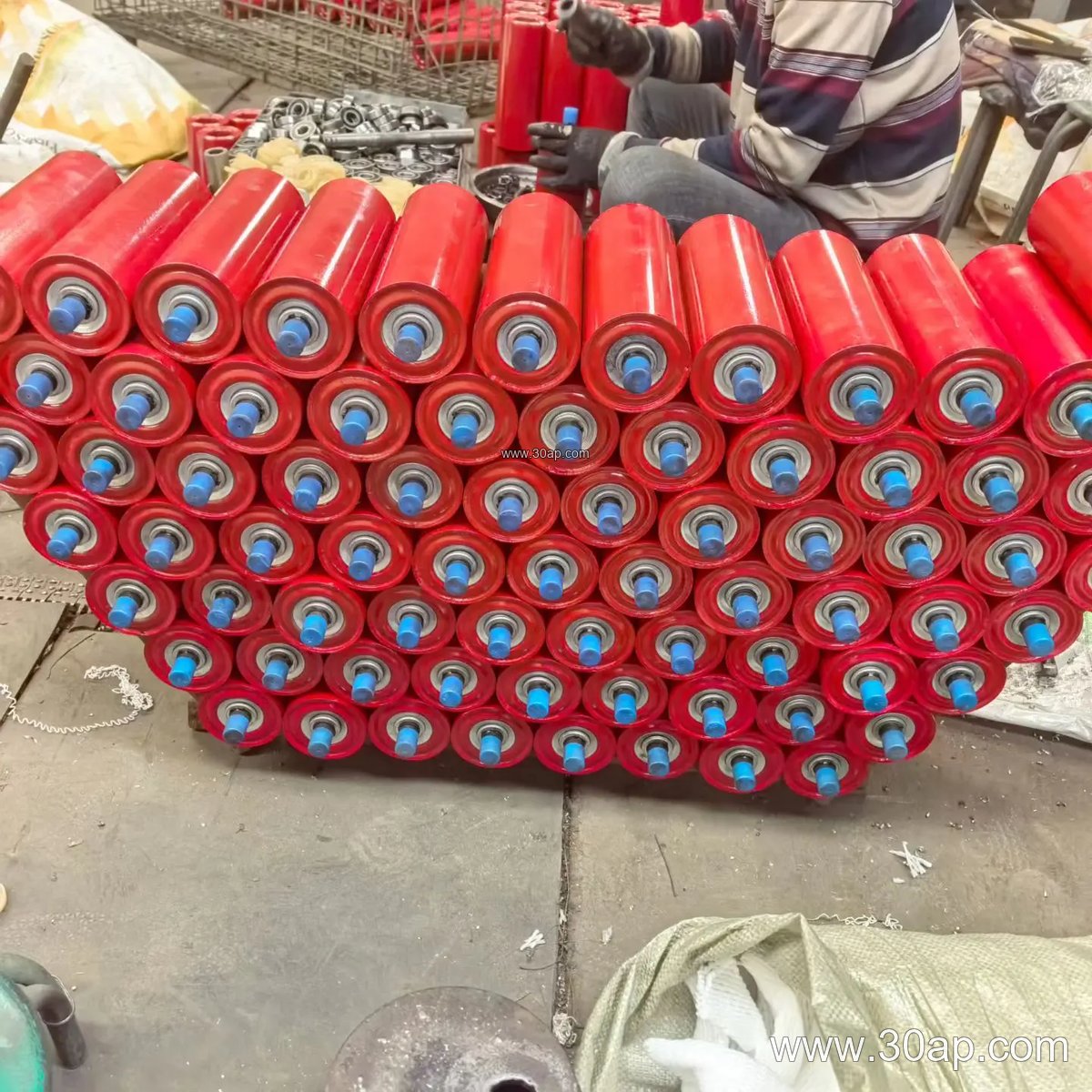
The side guide idler typically consists of a steel tube shell, bearing housings, a shaft, and a sealing arrangement. The roller surface may be plain steel, nylon, or rubber-covered to protect the belt edge from abrasion. Bearings such as 6204, 6205, or 6305 are common in smaller diameters, while larger units may use 6306 or 6308, depending on load and speed. The roller diameter often falls in the range of Ø63 to Ø133 mm for guide duty, but final selection depends on belt width and mounting space. The shaft is supported by a conveyor bracket that fixes the idler at the correct angle. A labyrinth seal or contact seal helps keep out dust and water, which matters in coal mining and underground mining conveyor systems where fine particles are present.
Where It Fits on the Conveyor
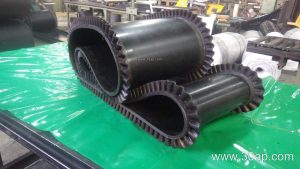
Side guide idlers are frequently installed just after the feed point on a conveyor belt, where material impact and off-center loading can push the belt sideways. They are also used on the return side in some plants to limit belt wander. In a power plant coal handling system, a side guide idler can work together with a training idler to maintain alignment, though the two are not interchangeable: a training idler actively corrects misalignment, while a side guide idler mainly restricts edge movement. On a pipe conveyor belt or a corrugated sidewall conveyor belt, edge guides are less common because the belt profile itself controls material, but they may still appear at transition sections. For a heavy-duty mining conveyor belt carrying iron ore or copper ore, the side guide idler should be sized to resist side loads without deforming the belt edge.
Common Sizes and Mounting Arrangements
The table below gives typical reference values for side guide idlers. These are examples, not fixed combinations, and actual dimensions are determined by belt width, conveyor design, and the bracket layout.
| Reference Item | Typical Range or Example |
|---|---|
| Roller diameter | Ø63, Ø76, Ø89, Ø102, Ø108, Ø127, Ø133 mm |
| Belt width reference | B500, B650, B800, B1000, B1200, B1400, B1600, B1800, B2000 |
| Roller length (guide roller, common example) | 200 mm for B500 up to about 750 mm for B2000, depending on mounting position |
| Bearing size (common) | 6204, 6205, 6305, 6306, 6308 |
| Surface form | Plain steel, nylon, rubber ring |
When selecting a side guide idler, do not assume that one belt width matches only one roller diameter. A B800 conveyor might use a Ø89 mm guide roller in a light-duty aggregate line or a Ø108 mm roller in a heavier cement plant application. The mounting bracket and the gap between the guide roller and the belt edge are just as important as the roller size. For a 1200mm wide conveyor belt or a 1500mm wide conveyor belt, the guide idler is usually positioned at both edges, and the bracket must allow adjustment as the belt stretches.
Buyer Checklist
- Confirm the belt width and the available space at the loading zone; a side guide idler must not rub the belt continuously with excessive force.
- Check the roller surface: rubber-covered guide rollers are gentler on the belt edge, while steel rollers resist wear in abrasive ore handling.
- Match the bearing and seal to the environment. In a coal mining conveyor belt system, dust and moisture call for effective sealing; in a food grade conveyor belt line, cleanable materials may be preferred.
- Review the bracket design and adjustment range. The conveyor bracket should allow the guide idler to be set at the correct height and angle.
- Consider the belt type. A chevron conveyor belt or a skirted conveyor belt may need a different guide arrangement than a flat EP conveyor belt or a steel cord conveyor belt.
For more information on compatible conveyor components, visit our site at https://www.example.com/side-guide-idler and review the idler roller and conveyor pulley pages. A well-chosen side guide idler helps protect the belt edge, reduce spillage, and keep the conveyor line running smoothly in quarry, cement, and mining operations.