What Makes a High-Speed Conveyor Idler Different
A high-speed conveyor idler is a rotating roller that supports the conveyor belt on a fast-moving conveyor line. At higher belt speeds, the idler must handle more revolutions per minute, more heat buildup in the bearing, and greater vibration than a standard roller. In a quarry, a coal handling plant, or a power plant coal yard, these rollers sit under a continuous stream of material and keep the belt tracking smoothly. Engineers often pair them with an abrasion resistant conveyor belt or a flame retardant conveyor belt depending on the environment, and the idler choice directly affects belt life.
How the Roller Is Built
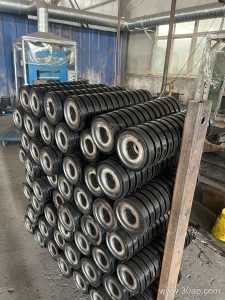
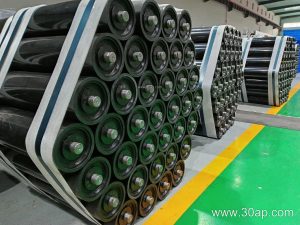
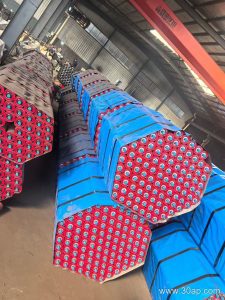
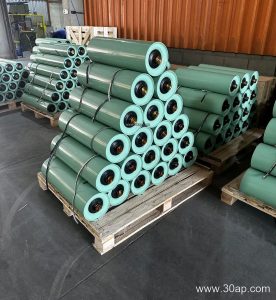
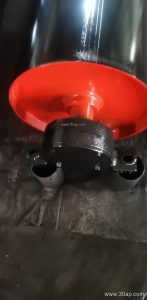
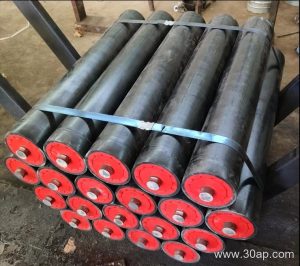
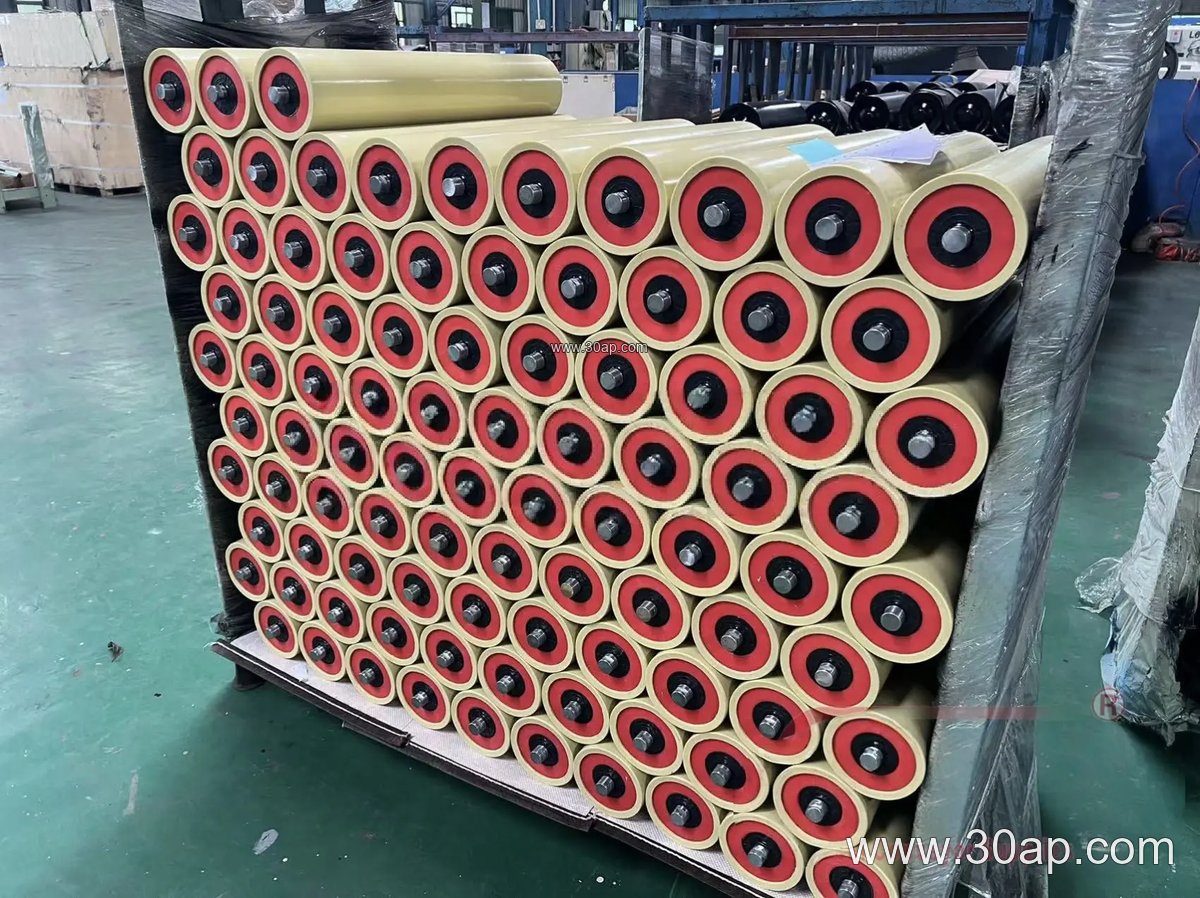
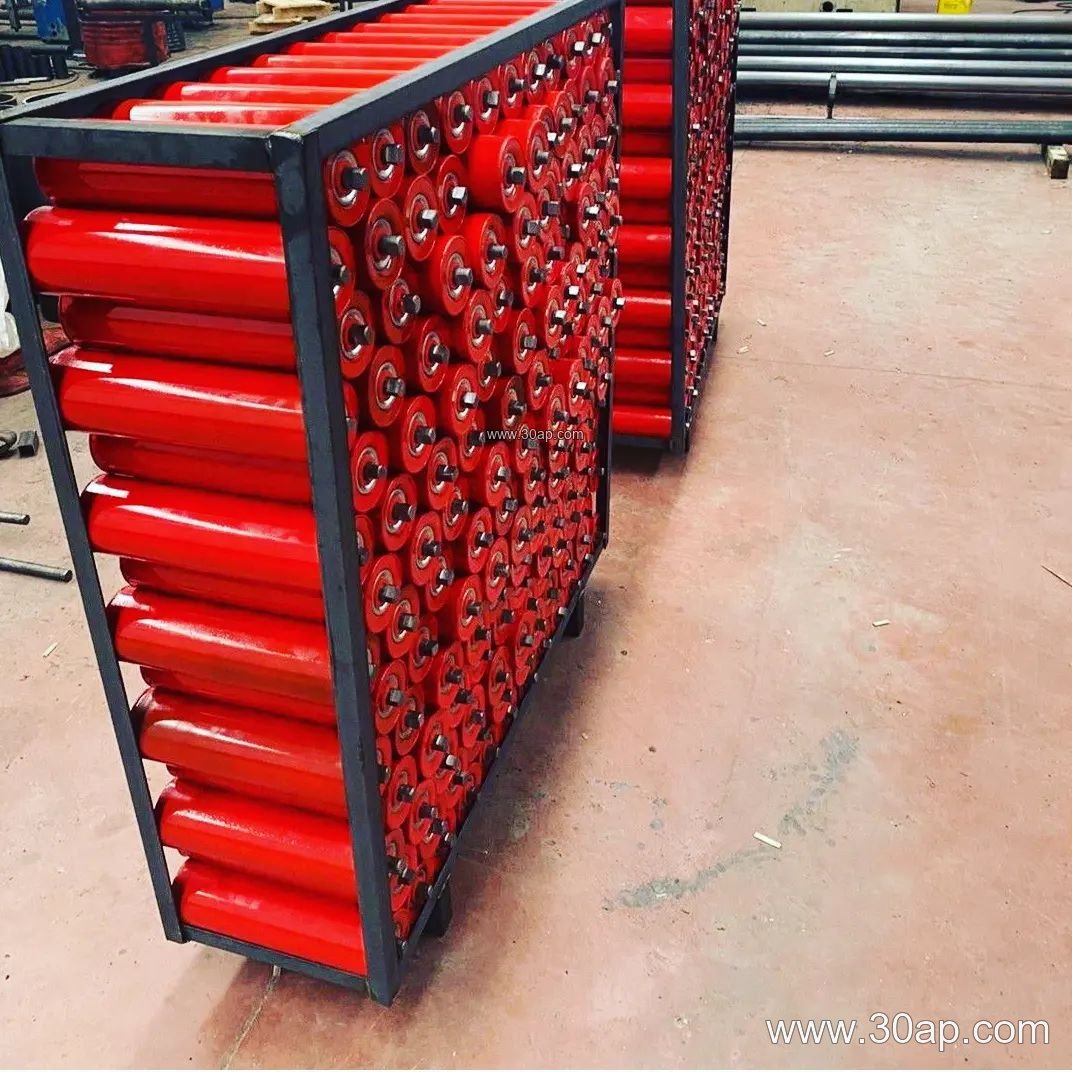
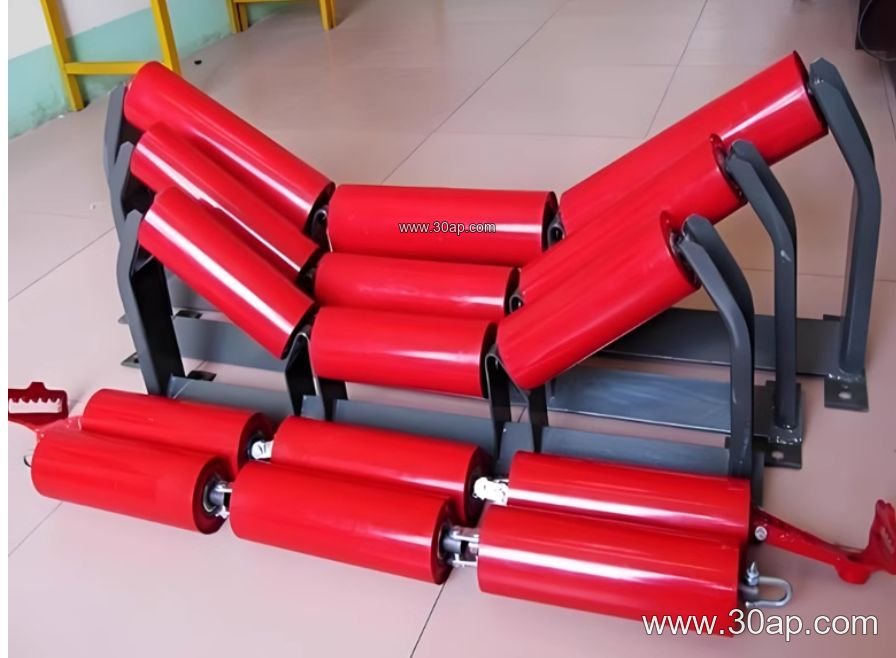
The basic structure is simple but the details matter. The shell is usually a steel tube, and the shaft runs through sealed bearings at each end. High-speed duty calls for careful bearing clearance, balanced tubes, and low runout so the roller does not vibrate at speed. Surface options include plain steel, nylon, ceramic, and rubber rings. The roller length depends on belt width, trough angle, and the idler set form. A three-roll troughing set, for example, uses different roll lengths for the side rolls and center roll. Common roll diameters include Ø89, Ø108, Ø127, Ø133, Ø159, and Ø178, but the right diameter depends on belt speed, load, and bearing selection rather than belt width alone.
Typical Reference Dimensions
The values below are common examples, not fixed combinations. Final dimensions should always be confirmed with the conveyor design.
- Belt widths: B500, B650, B800, B1000, B1200, B1400, B1600, B1800, B2000
- Roll diameters: Ø63, Ø76, Ø89, Ø102, Ø108, Ø127, Ø133, Ø159, Ø178, Ø194, Ø219
- Trough angles: 20 degrees, 30 degrees, 35 degrees, 45 degrees
- Bearings often used: 6204, 6205, 6305, 6306, 6308, 6310
A three-roll troughing set on B800 may use rolls around 315 mm long, while B1200 may use about 465 mm. These are common references only, and the side and center rolls can differ. On fast lines, a balanced roller and a well-chosen bearing clearance matter more than a single size number. A high-speed conveyor idler should also be matched with the conveyor bracket so the set sits square and the belt does not drift.
Where High-Speed Idlers Are Used
Fast belt conveyors appear in bulk material handling where throughput is high. In a limestone quarry or an aggregate conveyor line, the belt may run at speed to move crushed rock from the crusher to the stockpile. In a coal mining or underground mining operation, flame retardant and anti-static belts are common, and the idlers must run quietly and resist dust. Cement plants and steel plants also use long overland conveyors where every roller contributes to energy use. Port ship loading systems and power plant coal yards run at high capacity and rely on stable roller rotation. In these settings, a heavy-duty mining conveyor belt or a steel cord conveyor belt may be used, and the idler should match the belt load and speed.
Selection Points for Buyers
Start with belt speed, belt width, and the material load per meter. Then check the roller diameter, shaft size, and bearing type that suit the duty. High-speed running increases the importance of seal quality and dynamic balance. Ask for the roller runout, bearing clearance, and the seal arrangement. On a long conveyor, consider the transition idler near the head and tail, and keep the trough angle consistent with the belt. A 35 degree trough is common, but 45 degree sets may be used where material containment matters. If the belt is a pipe conveyor belt or a corrugated sidewall conveyor belt, the idler layout changes, and the roller set should follow the specific conveyor design.
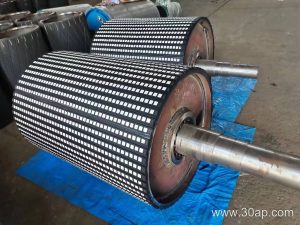
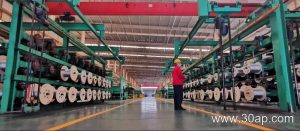
Also think about maintenance. A high-speed conveyor idler that fails early can damage the belt and stop the line. Keep spare rollers on hand, check for noisy bearings, and inspect the roller surface for wear. In dusty plants, a sealed bearing and a smooth shell reduce buildup. If the conveyor uses a skirted conveyor belt or a chevron conveyor belt, the idler position and clearance should be checked so the belt does not rub. For buyers comparing a troughing idler with a return idler, note that they serve different positions on the conveyor and are not interchangeable. The same applies to the conveyor pulley at the drive, tail, or bend position, which is a separate component from the idler roller.
Matching the Idler to the Belt and the Plant
Every conveyor has its own balance of speed, load, and environment. A high-speed conveyor idler works best when the roller diameter, bearing, seal, and bracket are chosen together. In a sand and gravel plant, a nylon or ceramic surface may help with fine dust, while a rubber ring roller can absorb impact at the loading point. In a coal handling system, flame retardant and anti-static properties are often required for the belt, and the idler should be selected for the same environment. Buyers should confirm the roller length, shaft end, and mounting details with the conveyor maker before ordering, and treat common size tables as a starting point rather than a guarantee. A well-matched idler set keeps the belt centered, reduces power loss, and extends the service life of the whole conveyor line.