What a Return Idler Set Does
A return idler set is the group of rollers mounted under the carrying side of a conveyor belt to support the belt on its empty return run. While the upper troughing idlers carry the material load, the return idler set simply keeps the belt from sagging between pulleys, reduces friction, and helps the belt track in a stable line. On a long overland conveyor or a short transfer in a cement plant, these sets are easy to overlook, yet they influence belt life, drive power demand, and the overall cleanliness of the conveyor structure.
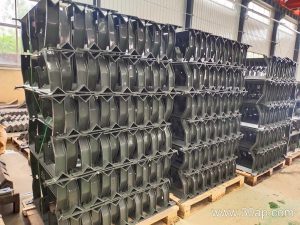
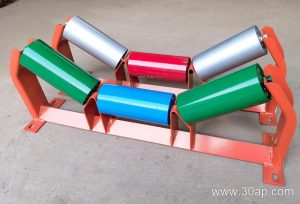
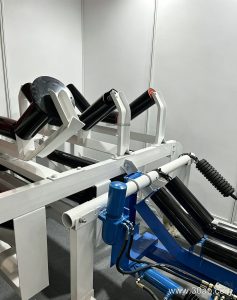
The set usually consists of one or more idler rollers fixed in a frame, with shafts held by brackets that bolt to the conveyor stringer. Because the belt is running empty at this point, the rollers are often flat rather than troughed, though V-shaped and spiral designs are also common where belt training or material shedding matters.
Construction and Common Configurations
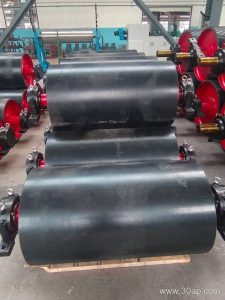
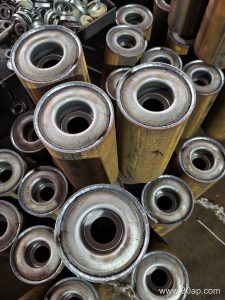
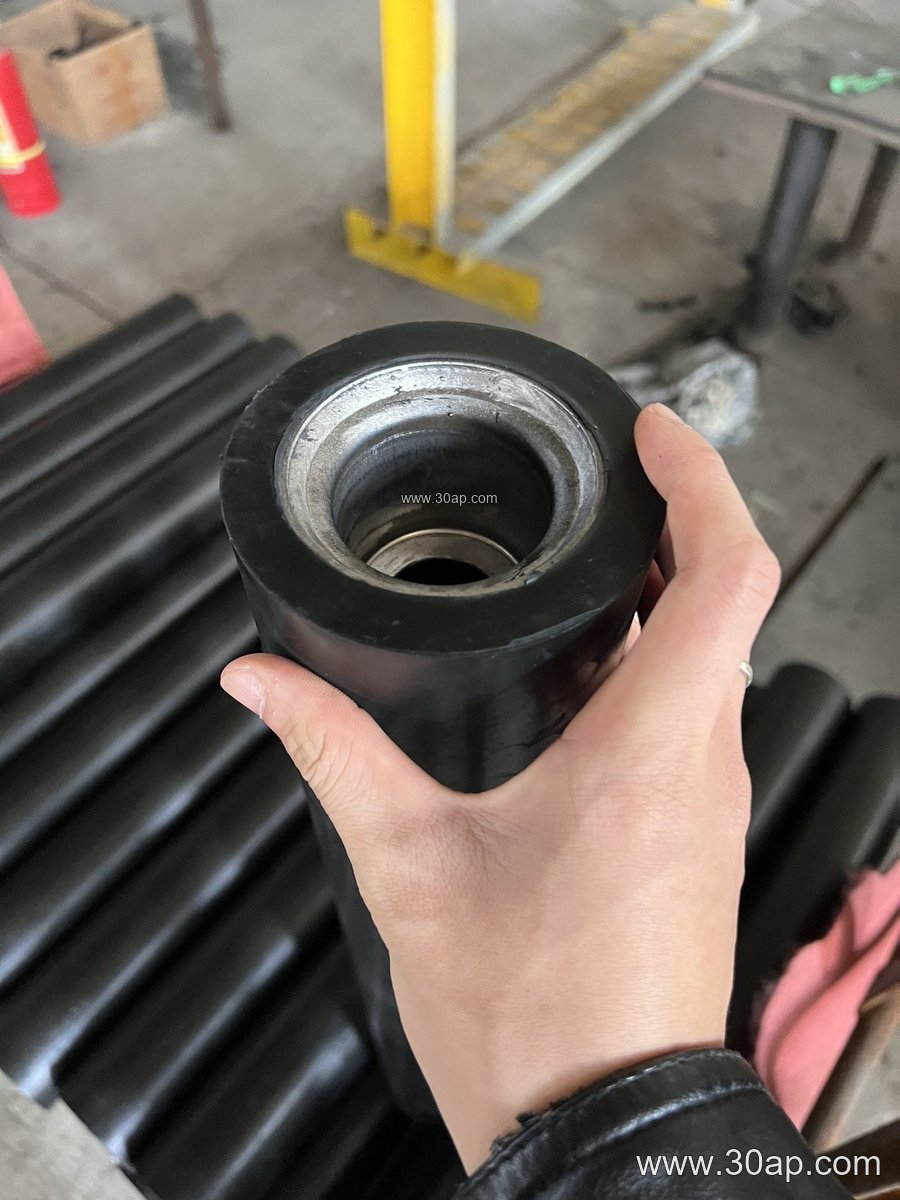
A typical return idler set is built from a steel tube shell, a through shaft, sealed bearings, and a housing at each end. The roller surface may be plain steel, nylon, rubber-covered, or ceramic-faced depending on the duty. Seals are critical in dusty service such as a coal handling plant or a limestone quarry, since grit entering the bearing is the usual cause of seizure and belt damage.
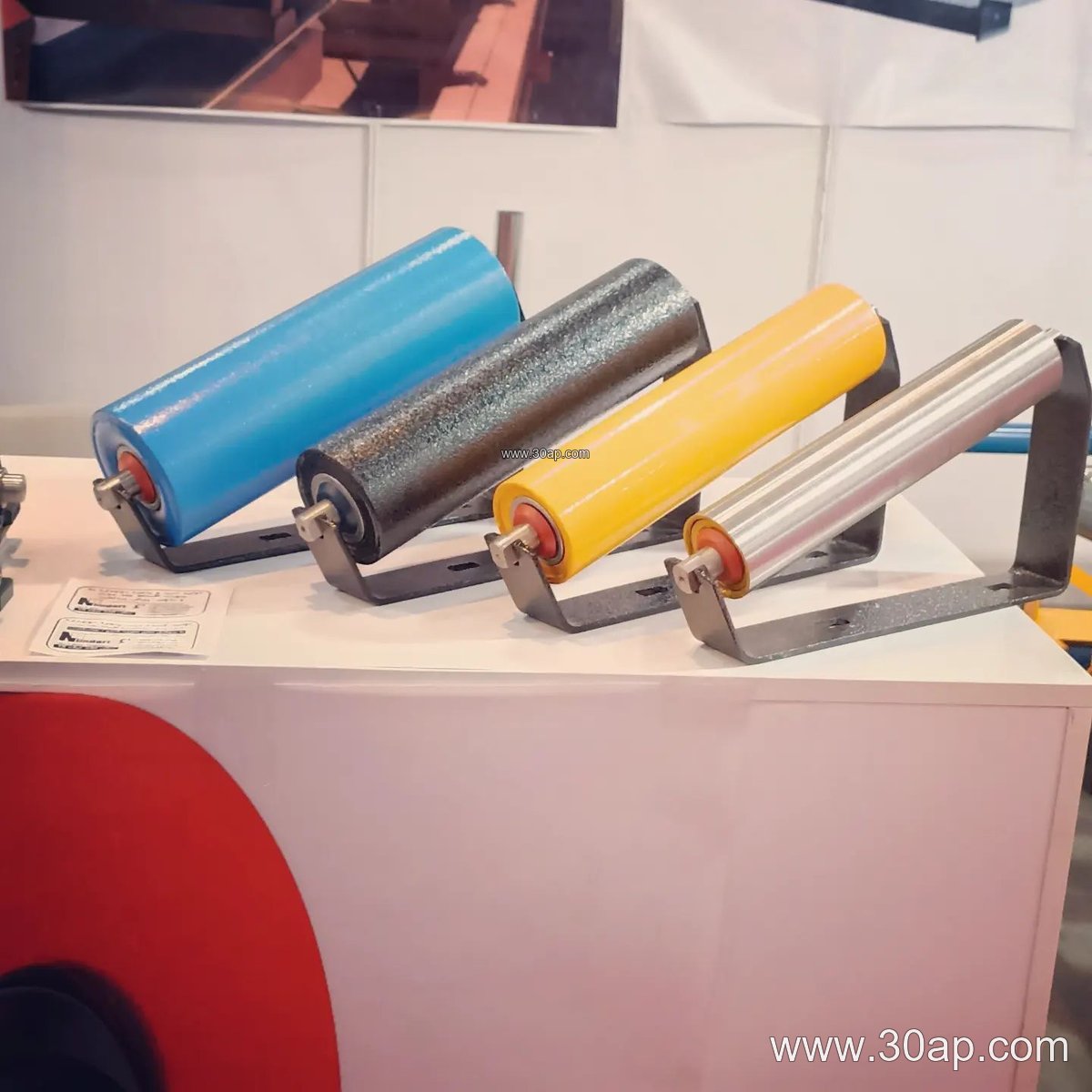
Return sets are often supplied as a single flat roller, a two-roller V arrangement, or a spiral roller. The V type helps centre the belt on the return run, while the spiral form sheds sticky material that would otherwise build up on a plain shell. Rubber-disc and garland designs are used where impact or misalignment is expected.
| Item | Common Range | Notes |
|---|---|---|
| Roller diameter | Ø89, Ø102, Ø108, Ø127, Ø133, Ø159 mm | Selected by belt width and load, not by a fixed rule |
| Belt width | B650, B800, B1000, B1200, B1400, B1600 mm | Roller length follows belt width and frame design |
| Bearing | 6204, 6205, 6305, 6306, 6308 | Matched to shaft and duty by the manufacturer |
| Surface | Steel, nylon, rubber ring, ceramic | Chosen for abrasion, build-up, or noise |
These figures are typical references only. A B1000 belt, for example, may use different roller lengths depending on the frame and the return arrangement, so the set should always be confirmed against the conveyor drawing.
Where Return Idler Sets Are Used
These sets appear on almost every belt conveyor, from a small aggregate line to a heavy-duty mining conveyor. In a coal preparation plant they sit below the belt on the return strand, exposed to coal dust and moisture. In a power plant coal yard, they support long runs of fabric core or steel cord belting where belt sag must be controlled to avoid edge wear and spillage. Similar arrangements are found in iron ore terminals, copper concentrators, and gold mining operations where abrasive ore fines are present.
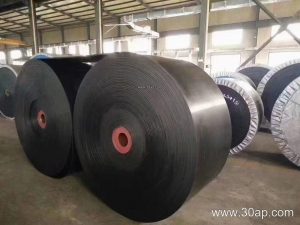
The return set also matters where the belt itself is specialised. A heat resistant conveyor belt on a cement clinker line, an oil resistant belt in a recycling plant, or a flame retardant conveyor belt underground all rely on properly aligned return rollers to avoid edge damage and premature cover wear. The set does not change the belt specification, but poor roller alignment can shorten the life of even a high abrasion resistant conveyor belt.
Selection Points for Buyers
- Match roller diameter and bearing to the belt width and expected load, using the conveyor design rather than a single rule of thumb.
- Confirm the frame and bracket dimensions, including bolt spacing, so the set fits the existing conveyor bracket without modification.
- Choose the surface form for the environment: plain steel for dry bulk, rubber or ceramic where build-up and abrasion are problems, spiral where sticky material must be shed.
- Check seal quality for dusty sites such as a quarry, crusher discharge, or underground coal mining conveyor.
- Consider V-type or self-aligning sets if the belt has a history of mistracking on the return run.
Installation and Maintenance Notes
Return idler sets should be installed square to the belt centreline, with the roller axis parallel to the pulley axes. A set that is skewed will push the belt sideways and can cause edge damage. During routine inspection, check for seized rollers, worn shells, and loose brackets; replacing a failed set early is cheaper than repairing a damaged belt.
For conveyors handling abrasive or wet material, keep the return strand clear of spillage and inspect seals at each shutdown. A well-chosen return idler set, correctly aligned, helps a conveyor run quietly and keeps the belt, pulleys, and structure working together.